Key Points
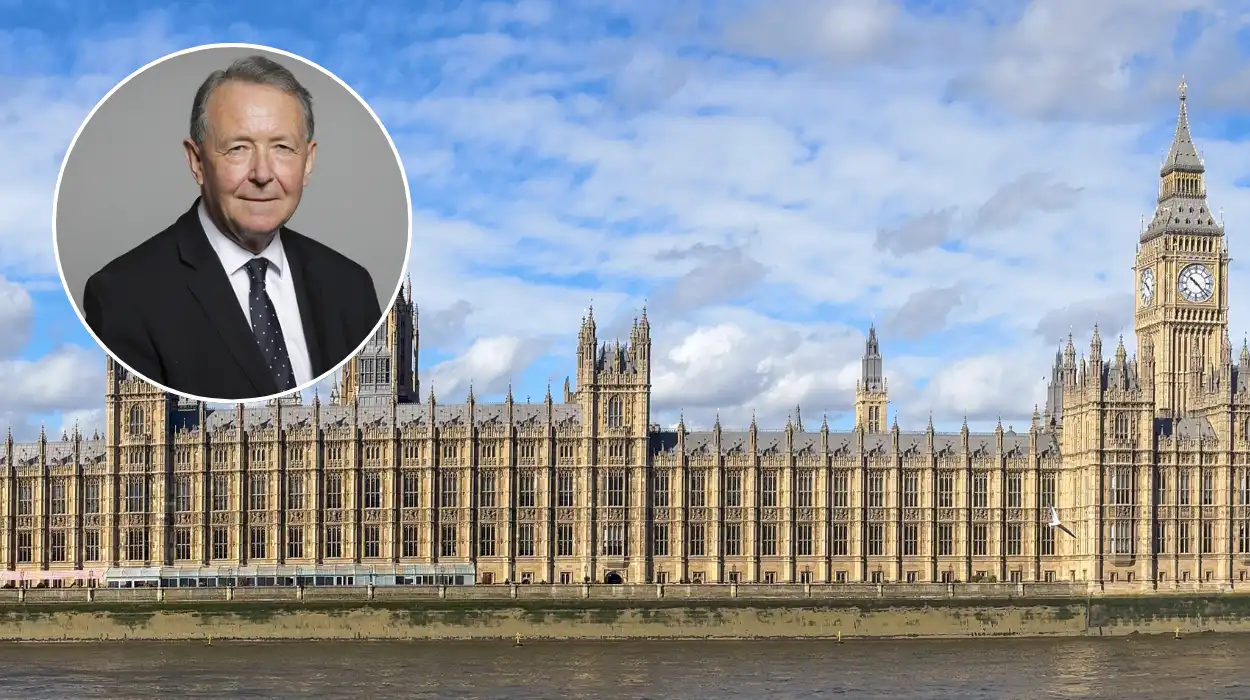
- Lord David Alton, Chair of the Joint Committee on Human Rights, has welcomed the return of the Hillsborough Bill for debate in the House of Commons.
- The Joint Committee on Human Rights published a report in May 2024 examining human rights and the case for a “Hillsborough Law”.
- The report called for improvements in how the state responds to major tragedies.
- It urged stronger measures to prevent a repeat of the decades-long failure to uncover and acknowledge the truth about what happened at Hillsborough.
- Lord Alton said victims, survivors and their families have too often had to struggle for decades to uncover the truth.
- He cited the Hillsborough disaster, the infected blood scandal and nuclear test veterans as examples of prolonged fights for truth and accountability.
- Lord Alton said it is vital that the Government turns the Joint Committee’s recommendations into law.
- He warned that bereaved families and survivors should not have their ordeal compounded by institutional defensiveness.
- He said an imbalance of resources should not be allowed to hinder families in their search for the truth.
- Lord Alton called for funding to ensure affected families have proper legal support to navigate complex systems.
Westminster (Britain Today News) July 16, 2026 – The Hillsborough Bill has returned to the House of Commons for debate, a development welcomed by Lord David Alton, Chair of the Joint Committee on Human Rights, who has renewed calls for the Government to enshrine long-promised protections for victims of major tragedies into law. The Joint Committee, which published a detailed report on human rights and the case for a so-called “Hillsborough Law” in May 2024, has repeatedly urged ministers to strengthen the state’s response to disasters and to close the gap that has historically left bereaved families and survivors fighting for years, and sometimes decades, to establish the truth.
- Key Points
- What Is the Hillsborough Law?
- Why Has the Bill Returned to the House of Commons?
- What Did Lord David Alton Say About the Bill?
- What Did the Joint Committee on Human Rights Report Recommend?
- Why Was the Hillsborough Disaster a Turning Point?
- What Is a Duty of Candour and Why Does It Matter?
- Who Else Has Been Affected by Institutional Failures Like Hillsborough?
- How Have Survivors and Families Campaigned for Change?
- What Happens Next for the Hillsborough Bill?
- Why Does This Matter for Future Public Inquiries?
What Is the Hillsborough Law?
The term “Hillsborough Law” refers to proposed legislation designed to place new legal duties on public authorities and officials to act with candour, transparency and proactive cooperation when a major tragedy or disaster occurs. The proposals draw their name directly from the Hillsborough disaster of 1989, in which 97 football supporters lost their lives following a crush at an FA Cup semi-final at Hillsborough Stadium in Sheffield. In the years that followed, families of those who died campaigned for decades against what they described as a culture of institutional denial, delay and defensiveness among police and other public bodies.
The Bill is intended to introduce a statutory “duty of candour” for public authorities, requiring them to be open and honest with the public and with official investigations from the outset, rather than adopting defensive positions that can delay justice and prolong the suffering of those affected.
Why Has the Bill Returned to the House of Commons?
The return of the Bill to the Commons marks a further stage in a long-running legislative and politics process aimed at addressing the shortcomings identified in the aftermath of Hillsborough and subsequent public tragedies. The Joint Committee on Human Rights has been among the parliamentary bodies pressing for the legislation to progress, following its own detailed examination of the human rights implications of how the state responds when catastrophic events occur.
The Committee’s May 2024 report set out the case for reform, arguing that existing mechanisms have repeatedly failed to guarantee families and survivors a fair and timely route to the truth. Its recommendations formed part of the wider pressure that has kept the issue on the parliamentary agenda and contributed to the Bill’s continued passage through Westminster.
What Did Lord David Alton Say About the Bill?
Commenting on the Bill’s return to the Commons for debate, Lord David Alton, Chair of the Joint Committee on Human Rights, said:
“Too often we have seen victims, survivors and their families struggle for decades to uncover the truth. Not only following Hillsborough, but the tainted blood scandal, nuclear test veterans and many more instances. Their fight should not be the norm and should not need to be repeated in the future.”
Lord Alton went on to stress the importance of translating the Committee’s recommendations into binding law, stating:
“It is vital that the Government delivers these reforms recommended and urged on the Government by the Joint Committee on Human Rights into law. Those dealing with the aftermath of tragedy should not have that compounded by having to face institutional defensiveness and an imbalance of resources in a battle to find the truth. They need funding to ensure they have the legal support to guide them through complex and daunting systems.”
His remarks underline the Committee’s long-standing position that legislative reform, rather than voluntary commitments or piecemeal policy changes, is required to guarantee that victims of future tragedies are treated fairly by the state from the outset.
What Did the Joint Committee on Human Rights Report Recommend?
The Joint Committee’s report, published in May 2024, examined the human rights dimensions of the state’s historic handling of major tragedies and set out a series of recommendations aimed at reform. Central to its findings was the call for improvements in how the state responds to major tragedies, alongside the introduction of stronger measures designed to prevent a repeat of the prolonged failures that characterised the response to Hillsborough.
The Committee’s work considered not only the immediate aftermath of disasters, but also the structural and institutional barriers that can obstruct families and survivors from accessing truth and accountability in the years that follow. Its recommendations were intended to inform the shape of subsequent legislation, including the Bill now before the Commons.
Why Was the Hillsborough Disaster a Turning Point?
The Hillsborough disaster has long been regarded as a defining case study in the failures of institutional accountability in the United Kingdom. Ninety-seven Liverpool supporters died as a result of the crush that occurred during the FA Cup semi-final between Liverpool and Nottingham Forest on 15 April 1989. In the decades that followed, families of the victims pursued a sustained campaign to overturn initial findings and narratives that placed blame on supporters, a campaign that ultimately contributed to fresh inquests and renewed scrutiny of the actions of South Yorkshire Police and other agencies.
The prolonged nature of that campaign, and the resistance families encountered along the way, has come to symbolise the wider pattern that the Joint Committee’s report and the proposed Hillsborough Law are intended to address: a systemic tendency among some public institutions to prioritise self-protection over transparency in the aftermath of tragedy.
What Is a Duty of Candour and Why Does It Matter?
A statutory duty of candour, as proposed under the Hillsborough Law framework, would require public officials and authorities to proactively disclose relevant information and cooperate fully with investigations, inquiries and inquests following a major incident. Campaigners and parliamentarians who support the measure argue that such a duty would fundamentally shift the incentives facing public bodies, discouraging defensive legal strategies and encouraging early honesty.
Supporters of the reform contend that without a clear legal obligation, there is little to prevent institutions from adopting protective postures that can obstruct the search for truth, prolong the distress of bereaved families, and delay accountability for years or even decades, as was the case following Hillsborough.
Who Else Has Been Affected by Institutional Failures Like Hillsborough?
In his comments, Lord Alton did not confine his remarks to Hillsborough alone. He specifically referenced the infected blood scandal and the treatment of nuclear test veterans as further examples of groups who have faced prolonged struggles to secure acknowledgement and truth from the state. Both cases have, like Hillsborough, involved lengthy campaigns by victims and their families for recognition, accountability and, in some instances, compensation.
By drawing this comparison, Lord Alton positioned the Hillsborough Bill not simply as a response to a single historic tragedy, but as part of a broader effort to reform how the British state engages with victims of institutional failure across a range of contexts.
How Have Survivors and Families Campaigned for Change?
The push for a Hillsborough Law has its roots in decades of campaigning by bereaved families and survivors, many of whom have described the process of seeking truth and accountability as a “second injustice” layered on top of their original loss. That campaign has, over time, gained cross-party recognition in Parliament, with the Joint Committee on Human Rights’ 2024 report representing one of the more recent formal parliamentary interventions in support of legislative reform.
The involvement of a dedicated parliamentary committee, chaired by Lord Alton, reflects the extent to which the case for a statutory duty of candour has moved from a campaign led primarily by affected families to a matter of sustained institutional and legislative attention at Westminster.
Explore More about Politics:
MP Ellie Chowns Raises Workplace Heat Fears Amid UK Heatwave
JCHR Chair Welcomes Forced Labour Supply Chain Safeguards in Immigration Bill
What Happens Next for the Hillsborough Bill?
With the Bill now returning to the House of Commons for debate, its future progress will depend on the parliamentary process, including scrutiny, potential amendments, and votes at various stages before it could become law. Lord Alton’s comments make clear that, from the perspective of the Joint Committee on Human Rights, the priority is for the Government to ensure that the recommendations set out in its May 2024 report are translated into binding legal obligations rather than remaining aspirational.
Central to those recommendations is the call for adequate funding to be made available so that families and survivors have access to legal support when navigating what Lord Alton described as “complex and daunting systems” in the aftermath of tragedy.
Why Does This Matter for Future Public Inquiries?
Beyond its immediate application to Hillsborough, the proposed legislation carries wider implications for how the state is expected to conduct itself in the aftermath of any future major incident, whether that involves a natural disaster, industrial accident, public health emergency or other large-scale tragedy. A statutory duty of candour, if enacted, would apply beyond the specific circumstances of Hillsborough, potentially reshaping the conduct of public bodies in future inquiries and inquests more broadly.
For campaigners and parliamentarians who have supported the Bill, this broader application is central to its significance: rather than addressing a single historic wrong, it is intended to establish a lasting legal framework that changes how the state responds when tragedy strikes in the future.
As the Hillsborough Bill returns to the House of Commons, attention will turn to how MPs debate and potentially amend the legislation in the weeks ahead. For Lord David Alton and the Joint Committee on Human Rights, the message remains consistent with the findings of their May 2024 report: that without a legally binding duty of candour and adequate resourcing for affected families, the pattern of prolonged institutional resistance seen after Hillsborough, and in cases such as the infected blood scandal and among nuclear test veterans, risks being repeated in future tragedies.