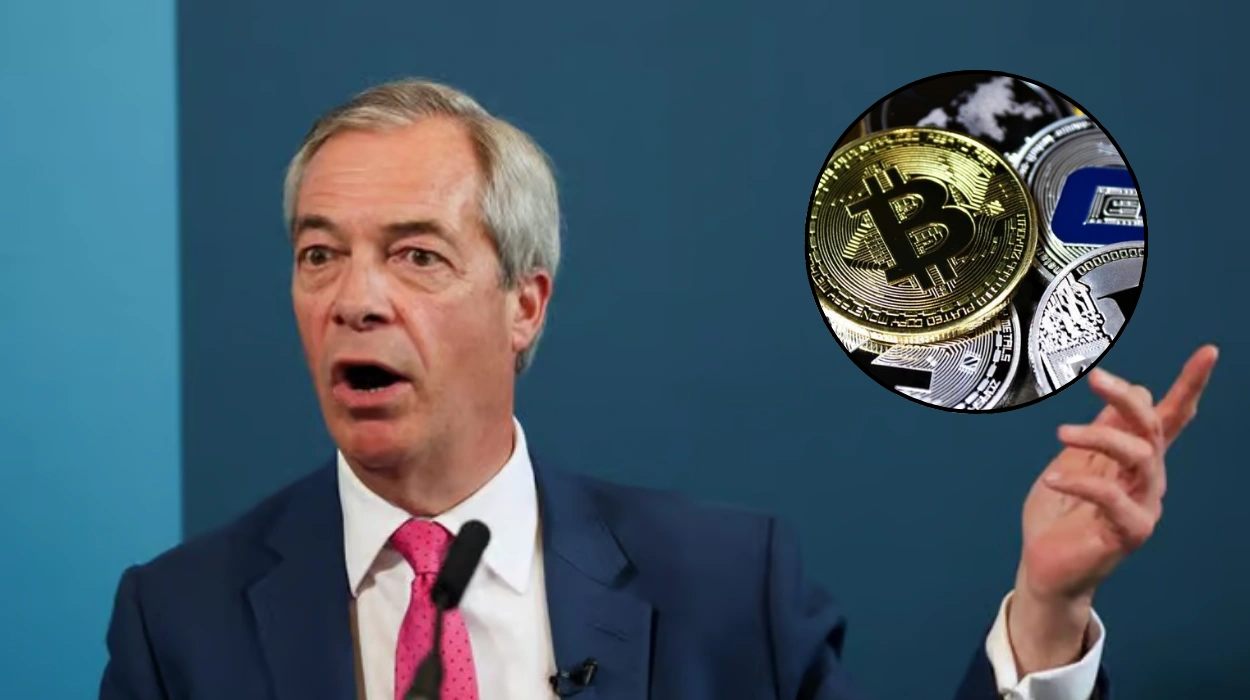
Key Points
- Nigel Farage has been accused by rival parties of breaking parliamentary rules over an undeclared gift from crypto investor Christopher Harborne.
- Farage said the money, worth more than £1 million, was used to fund his personal security before he announced he would stand in the 2024 general election.
- The Conservatives referred Farage to the Parliamentary Standards Commissioner for investigation.
- Labour also said the Reform leader appeared to have breached the rules.
- Reform said the payment was a “purely personal gift” and therefore did not need to be declared as a political donation.
- The issue has intensified scrutiny of Reform UK’s funding because the party has been leading national opinion polls.
- A separate media report said the gift was about £5 million and that Farage disclosed it only after being approached about the donation.
- Harborne has emerged as a major backer of Reform UK, with company filings indicating a large share of the party’s funding came from him last year.
LONDON (Britain Today News) April 29, 2026 – Nigel Farage, the leader of Reform UK, is facing fresh allegations that he breached parliamentary rules after receiving an undisclosed financial gift from cryptocurrency investor Christopher Harborne, in a row that has placed his personal finances and his party’s funding under intense scrutiny. According to the reporting, rival political parties say the payment should have been declared, while Reform insists the money fell within an exception for personal gifts.
The dispute centres on whether the payment should be treated as a political donation or a personal gift. Farage has said the money was given to cover his personal security costs before he formally declared himself a candidate in the 2024 general election, and therefore did not count as a donation requiring disclosure. Political opponents argue that the timing and size of the payment raise questions about whether it should have been reported under parliamentary rules.
Why has the gift triggered an investigation?
Under parliamentary rules, MPs are required to declare donations received in the year before an election within one month of taking office, which is at the heart of the current complaint against Farage. The Conservatives have referred him to the Parliamentary Standards Commissioner, while Labour has also said the Reform leader appears to have broken the rules. The allegation is politically significant because it comes at a time when Reform is polling strongly and every funding source is being examined closely.
Farage’s camp argues that the payment was not political because it supported his personal security rather than the party or election campaign. Reform said the donation was an unconditional personal gift made before he became an elected MP and that everything required had been declared properly. That defence will now be tested against the standards process, which will assess whether the relevant rules were followed and whether the payment should have appeared in the public register.
What did Farage say about the money?
Farage said the gift from Harborne was worth more than £1 million and was used to pay for his personal security before he announced that he would stand in the 2024 national election. He therefore maintains that it was not a political donation and did not need to be declared under the usual parliamentary requirements. Reform has also argued that the rules allow for “purely personal gifts”, placing the payment outside the category that would normally trigger disclosure.
The controversy grew after reporting suggested the amount may actually have been around £5 million, not the lower figure cited by Farage. That difference has added to the sense of political and public concern because it raises the stakes of the disclosure question and may deepen scrutiny of the relationship between Farage and Harborne. Even so, the central issue remains the same: whether the payment was personal support or a donation linked to political activity.
Who is Christopher Harborne?
Christopher Harborne is a crypto investor who has become one of the most important financial supporters of Reform UK. Reporting indicates that roughly two-thirds of Reform’s funding last year came from Harborne, who is based in Thailand, according to company filings. That level of backing has made him a highly visible figure in the debate over Reform’s funding sources and the growing role of wealthy donors in British politics.
Harborne has also appeared in earlier funding reports involving Reform, with the party receiving one of Britain’s biggest ever political donations from him in late 2025. Those disclosures have only sharpened interest in the current allegation because they show a long and substantial financial relationship between the donor and Farage’s political project. In that context, the undeclared gift has become more than a technical question; it is now part of a broader argument about transparency and political influence.
How have rivals reacted?
The Conservatives have taken the strongest formal step so far by referring Farage to the Parliamentary Standards Commissioner. Labour, meanwhile, has said the Reform leader appears to have breached the rules, adding pressure on Farage to explain the handling of the payment in full. These responses show that the issue has quickly moved beyond a simple reporting dispute and has become a wider political attack line.
The row also comes as reform of political funding and crypto donations has become a live issue in Westminster. MPs have already expressed concern about overseas money and cryptocurrency donations, and the government has been considering tighter limits and restrictions in response to those concerns. That means the Farage case is unfolding against a backdrop of growing unease over how political parties are financed.
What happens next?
The Parliamentary Standards Commissioner will now determine whether Farage’s actions breached the rules, and that finding could carry political consequences even if no deliberate wrongdoing is established. The process will focus on the timing, purpose and declaration status of the payment, as well as the explanation that it was for personal security. If the commissioner concludes the money should have been registered, the case could add further pressure on Reform and Farage personally.
For now, the story is likely to remain politically damaging because it touches on transparency, donor influence and the blurred line between personal support and party funding. Reform’s rise has put Farage under greater scrutiny than ever, and this dispute ensures that questions about who finances his movement will remain in the spotlight. The case also feeds a wider debate about whether existing parliamentary rules are strong enough to cover modern forms of political support, especially where crypto wealth and overseas donors are involved.