Key Points
- A British court heard that three men from Ukraine and Romania were allegedly offered money by a Russian-speaking contact online to set fire to two houses and a car linked to Prime Minister Keir Starmer.
- Prosecutor Duncan Atkinson told the Old Bailey that the alleged arson incidents took place between 8 May and 12 May 2025 in London.
- The defendants are Roman Lavrynovych, 22, Petro Pochynok, 35, and Stanislav Carpiuc, 27.
- They deny the charges, which include conspiracy to commit arson.
- Atkinson said police identified Lavrynovych as the man behind all the fires, and he also faces a separate charge of damaging two properties by fire with intent to endanger life or being reckless as to whether life was endangered.
- The court heard that the car had once belonged to Starmer, one house on Ellington Road had been managed by a company in which he had once been a director and shareholder, and a second house on Countess Road was occupied by his sister-in-law and still owned by him.
- The prosecution said the fires were set in the dead of night with similar materials, and that more than 320 messages between Lavrynovych and a contact called “El Money” were recovered dating back to September 2024.
- The court was not told how much money was offered, whether anyone was injured, or who “El Money” really was.
LONDON (Britain Today News) April 29, 2026 – A British court has heard allegations that three men were approached by a Russian-speaking contact online and offered payment to carry out arson attacks on property linked to Prime Minister Keir Starmer, in a case now focusing on the planning, timing and alleged coordination of the fires in north London.
Who are the men on trial?
As reported by Duncan Atkinson in court, the defendants are Ukrainian nationals Roman Lavrynovych, 22, and Petro Pochynok, 35, alongside Stanislav Carpiuc, a 27-year-old Romanian citizen. They are accused of conspiracy to commit arson over the blazes that took place in London between 8 May and 12 May 2025. The men deny the charges, and the case has moved to a detailed hearing of how the alleged arson attacks were planned and carried out.
What did the prosecutor tell the court?
Prosecutor Duncan Atkinson told the Old Bailey that the attacks were “planned and directed”, with participants allegedly promised payment for their role. He said Lavrynovych was identified by police as the man behind all the fires and was allegedly offered payment through Telegram by a contact using the name “El Money”. Atkinson also said the jury did not need to decide what motivated the defendants or whether they knew the properties were connected to the prime minister.
What happened during the fires?
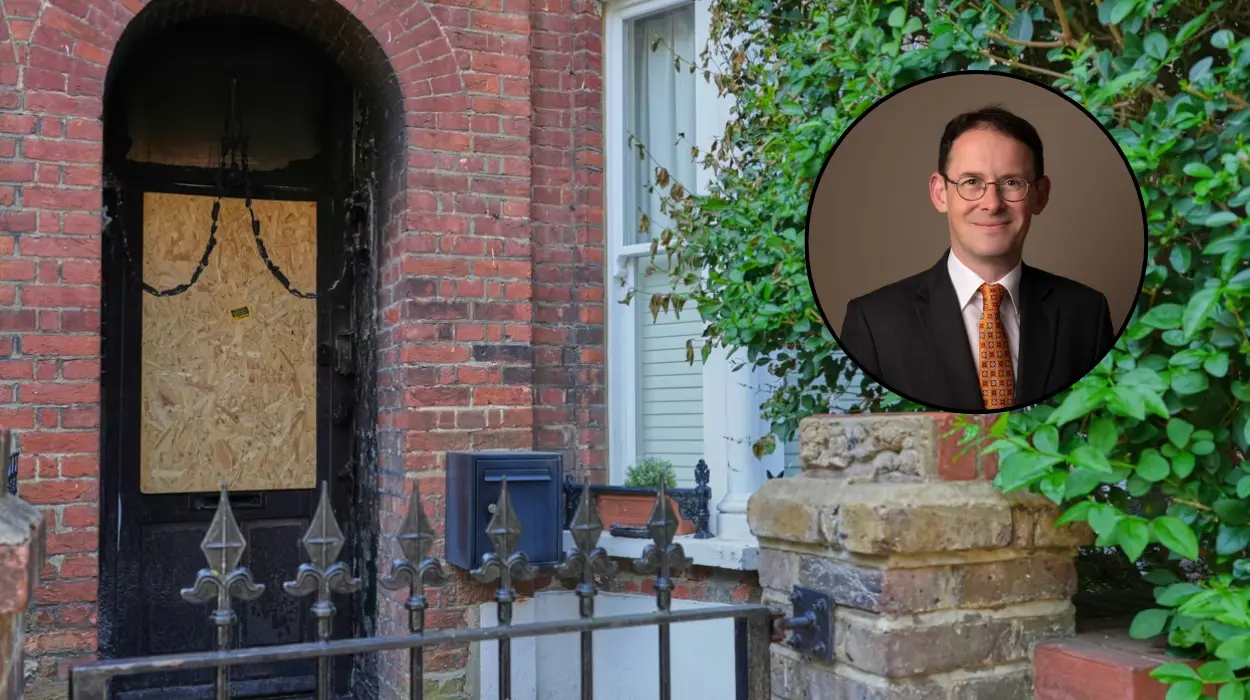
The court heard that the first incident involved a Toyota car in Kentish Town, north London, which was deliberately set ablaze in the early hours of 8 May. That was followed by a house fire on 11 May and a second house fire on 12 May, all within a short window and in the same general area. Atkinson told the jury that the fires were set with similar materials and were started “in the dead of night”, when the occupants would likely have been asleep. He argued that this created a clear risk to life.
Why were the properties linked to Starmer?
Atkinson told the court that the Toyota had once belonged to Starmer. He said the first house on Ellington Road had been managed by a company in which the prime minister had once been a director and shareholder. The second house on Countess Road was occupied by Starmer’s sister-in-law and remained owned by him, according to the prosecutor. Those connections were central to the prosecution’s claim that the fires were not random incidents but linked attacks on property associated with the prime minister.
How serious were the alleged risks?
The prosecution said the fires were dangerous because they were started while people inside the properties were asleep. In one case, the resident of the top-floor flat reportedly woke up around 3 a.m. after smelling smoke and found the communal hallway full of smoke before moving to the roof for safety. In another incident, Starmer’s sister-in-law reportedly heard loud bangs, saw smoke coming through the front door and filling the stairs, and struggled to breathe while her nine-year-old daughter was frightened. Atkinson used these accounts to argue that the alleged attackers must have intended to endanger life.
What is known about ‘El Money’?
The court heard that more than 320 messages dating back to September 2024 were recovered between Lavrynovych and “El Money”. Atkinson told the jury not to focus on who that person was or why they may have recruited people for the attacks. The identity of the contact, the court was told, remains unknown and the amount of money allegedly offered has not been disclosed. That leaves a major gap in the public picture of who may have organised or benefited from the alleged arson plot.
What happens next?
The case now rests on the evidence gathered by police, including the message trail, the timing of the fires and the alleged links between the defendants and the contact known as “El Money”. The charges remain denied by all three men, and the court will continue to examine how the fires were allegedly organised and whether the prosecution can prove the conspiracy case beyond reasonable doubt. The hearing has already drawn attention because it involves property linked to the sitting prime minister and allegations of foreign contact, payment and targeted arson.
Why does this case matter?
The allegations are significant because they suggest a targeted operation involving property associated with the UK prime minister, rather than isolated acts of vandalism or ordinary arson. The prosecution has framed the case as a coordinated set of attacks carried out over five days and linked by messaging, planning and payment. For the court, the key questions are whether the defendants took part in the fires, whether the plot was organised by someone else, and whether life was deliberately put at risk.