Key Points
- The Government has delayed publication of the City of London Corporation’s City Plan 2040, citing the need for further scrutiny of its impact on the Tower of London.
- Housing and Planning Minister Matthew Pennycook MP has directed planning inspectors to consider an alternative set of proposals for tall buildings in the east of the City.
- Additional public hearings have been ordered, more than a year after the original sessions into the Plan concluded.
- The City of London Corporation has branded the intervention “unnecessary and anti-growth.”
- Historic Royal Palaces, which manages the Tower of London, has welcomed the Minister’s decision.
- The City Plan 2040 sets out the Corporation’s vision for development across the Square Mile up to 2040, including a target of 1.2 million square metres of additional office space.
- UNESCO and heritage advisory body ICOMOS have previously raised concerns about the cumulative effect of tall buildings on the Tower’s World Heritage status.
- The Ministry of Housing, Communities and Local Government says it is seeking to protect the Tower without restricting economic growth.
London (Britain Today News) June 29, 2026 — The City of London Corporation has accused the Government of taking an “anti-growth” stance after ministers delayed the adoption of its long-awaited City Plan 2040, citing unresolved concerns over the impact of tall buildings on the Tower of London.
- Key Points
- What Has the Government Decided on the City Plan 2040?
- Why Has the Tower of London Become Central to the Dispute?
- What Exactly Is the City Plan 2040?
- What Happened During the Public Hearings Into the Plan?
- What Did Minister Matthew Pennycook Say in His Letter?
- How Has Historic Royal Palaces Responded to the Decision?
- Why Has the City of London Corporation Called the Move ‘Anti-Growth’?
- What Has Historic England Said About the Ministerial Direction?
- Why Has the Rise of Skyscrapers in the City Raised Heritage Concerns?
- What Did the ICOMOS Review Recommend About the City Plan?
- What Happens Next for the City Plan 2040?
The Plan, which sets out the Corporation’s development strategy for the Square Mile through to 2040, had been expected to be formally adopted this summer following years of preparation and public consultation. That timetable has now been thrown into doubt after the Minister of State for Housing and Planning intervened to demand further scrutiny of how the document treats heritage protections around the historic fortress.
In a strongly worded statement issued on the morning of June 29, the Corporation said it “strongly disagrees” with the Government’s decision and considers the request for additional hearings “unnecessary.” The intervention has reignited a long-running tension between the City’s ambitions for commercial growth and the protection of one of London’s most significant heritage sites.
What Has the Government Decided on the City Plan 2040?
The Minister of State for Housing and Planning, Matthew Pennycook MP, has written to the planning inspectors overseeing the examination of the City Plan, instructing them to consider an alternative proposal for the height and massing of tall buildings in the eastern part of the City.
Crucially, Pennycook has also ordered the inspectors to hold a further round of hearings, more than a year after the original public examination sessions came to a close, so that those who made representations on heritage and tall buildings policy can be heard again. The direction effectively pauses what had been a near-complete planning process, sending a significant part of the Plan back for renewed debate.
Why Has the Tower of London Become Central to the Dispute?
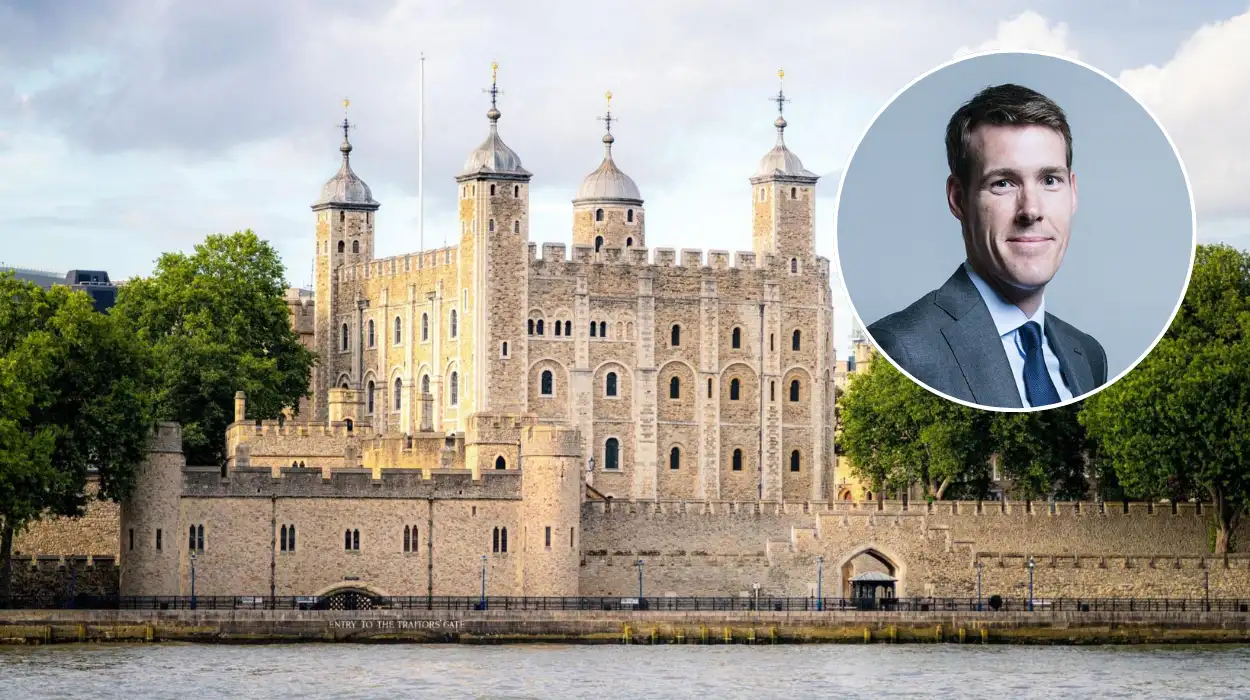
At the heart of the disagreement is the Tower of London’s status as a UNESCO World Heritage Site, and concern that the silhouette of the City’s skyscraper cluster is increasingly visible from, and around, the historic fortress.
A spokesperson for the Ministry of Housing, Communities and Local Government (MHCLG) set out the rationale behind the delay, stating:
“Our World Heritage Sites are an irreplaceable part of this country’s history and they must be protected. We have asked inspectors to consider alternative proposals for tall buildings in the City Plan, to ensure it protects the Tower of London against unsuitable development without restricting economic growth.”
The statement signals that ministers are attempting to strike a balance between conservation obligations and the economic case for continued office development in one of the world’s leading financial districts.
What Exactly Is the City Plan 2040?
The City Plan is the Corporation’s principal strategic planning document, setting out its vision for development across the Square Mile and other land it manages further afield, with a horizon stretching to 2040. It succeeds an earlier draft, City Plan 2036, which had been worked on from 2016 and was put out for consultation in 2021.
The Corporation ultimately chose not to submit that earlier version to the Secretary of State for final approval, after a number of issues were raised during the consultation process. Work then continued on a revised version, the City Plan 2040, which has been the subject of extensive scrutiny ever since.
Among the most contested elements of the Plan are its policies on additional office space, which include a minimum target of 1.2 million square metres of new floorspace, alongside the question of how heritage assets, including the Tower, are to be safeguarded from the effects of nearby tall buildings.
What Happened During the Public Hearings Into the Plan?
A series of public hearings into the City Plan 2040 were held last year, chaired by planning inspectors Alastair Phillips and Jameson Bridgwater. The sessions brought together a wide range of stakeholders to examine the draft Plan’s contents in detail, including its approach to tall buildings and heritage protection.
Following those hearings, the inspectors issued a list of proposed modifications to the Plan. Based on that process, there had been an expectation within the Corporation that the Plan would be formally adopted this summer, bringing years of preparatory work to a conclusion.
What Did Minister Matthew Pennycook Say in His Letter?
In a letter dated June 25, Matthew Pennycook MP explained that he had been given advance sight of the inspectors’ report on the main modifications to the Plan. He praised what he described as the “commendable efforts” made by the inspectors to assess the heritage impacts of the proposed policies.
However, he went on to set out his reasons for intervening. As stated in his letter, Pennycook wrote:
“However, given the Tower of London’s unquestionable importance as an internationally renowned World Heritage Site, I consider that further scrutiny of the issue through the examination of potential alternative approaches is needed.”
He added:
“My aim here is to seek reassurance that the City Plan does everything it can to protect the Tower adequately against the risk of unsuitable or harmful development whilst not unduly restricting economic growth.”
Pennycook’s letter directed the inspectors to halt publication of their report, to take into account alternative tall buildings contours put forward by Historic England, and to convene further hearings before the examination process is allowed to conclude.
How Has Historic Royal Palaces Responded to the Decision?
Melissa Hammett, Palaces and Collections Director at Historic Royal Palaces, the charity that manages the Tower of London, welcomed the Minister’s intervention as a positive development for the protection of the site.
Hammett said:
“We have regularly and consistently highlighted the harm to the Tower of London World Heritage Site caused by the encroachment of tall buildings into views of and from the fortress.”
She continued, warning of the scale of change already affecting the Tower’s setting:
“The cumulative impact of these developments over more than a decade is significant, and in our view, the City Plan 2040 establishes heights and contours at the eastern edge of the City Cluster that would further erode the Tower’s setting.”
Hammett added that the organisation viewed the Government’s move as a further opportunity to influence the outcome, stating:
“The Minister’s intervention provides us with another opportunity to suggest how plans could be amended to reduce the levels of impact on the Tower of London, and we look forward to making the case.”
Why Has the City of London Corporation Called the Move ‘Anti-Growth’?
The reaction from the City of London Corporation has been markedly less welcoming. Deputy Tom Sleigh, who chairs the Corporation’s Planning and Transportation Committee, was critical of the Government’s direction, describing it in blunt terms.
Sleigh said:
“This is unnecessary and anti-growth. The issue was examined in full more than a year ago. The inspectors heard it, and the Government’s own letter does not call into question the soundness of the Plan.”
He went on to argue that sending back a near-complete plan for further hearings on an issue he considers already settled risks tangible economic harm, stating:
“To send a complete, ready-to-adopt plan back for more hearings on a settled point is the wrong call, and the cost will be missed economic growth. It beggars belief.”
Sleigh also warned of the wider consequences for investor confidence, saying:
“City Plan 2040 is the framework investors and businesses commit to. Every month of delay is a month that certainty is missing, and schemes that were ready to proceed, with the investment behind them, are put at risk. London and the UK need this Plan adopted. This was avoidable, it is wrong, and it should be put right quickly.”
What Has Historic England Said About the Ministerial Direction?
Historic England, the Government’s statutory adviser on the historic environment, confirmed it was aware of the direction issued to the inspectors and indicated it stood ready to assist with the next stage of the process.
A spokesperson for Historic England said:
“Historic England is aware of the ministerial direction relating to the City of London local plan. We will support the Planning Inspectors and the City of London Corporation to address the Minister’s instructions as a matter of urgency.”
Why Has the Rise of Skyscrapers in the City Raised Heritage Concerns?
The dispute has not emerged in isolation. The pace at which skyscrapers have been approved and constructed in the City of London in recent years has fuelled mounting concern among heritage bodies about the cumulative effect on the setting of the Tower of London.
In 2024, the United Nations Educational, Scientific and Cultural Organization (UNESCO) formally requested that the UK Government produce a State of Conservation Report addressing the effects of tall buildings on the heritage site. The request reflected growing international attention on whether the City’s growth ambitions were compatible with its World Heritage obligations.
Explore More about London:
Cork Tourism Companies Partner with Tourism Ireland at London’s Meetings Show
Salma Hayek’s Daughter Valentina Mirrors Her at London Event
What Did the ICOMOS Review Recommend About the City Plan?
A subsequent Technical Review carried out by ICOMOS, the International Council on Monuments and Sites, which advises UNESCO on conservation matters, went further still. The review recommended that the Government call in the approvals already granted for two major schemes, 1 Undershaft and 70 Gracechurch Street, and called for what it termed a “drastic revision” of the City Plan 2040 itself.
At the time the review was published, a Corporation spokesperson defended the Plan’s approach, saying the document
“is built on solid foundations and will successfully set an evidence-based blueprint for the future growth of the Square Mile.”
What Happens Next for the City Plan 2040?
With the Minister’s direction now in place, the planning inspectors are required to pause publication of their report on the Plan’s main modifications, examine Historic England’s alternative proposals for tall buildings contours in the eastern City, and schedule fresh hearings to allow heritage and tall buildings representations to be heard once again.
The timetable for those hearings has not yet been confirmed. For the City of London Corporation, the delay represents a further setback to a process already years in the making; for Historic Royal Palaces and heritage advocates, it represents a further chance to press the case for stronger protections around one of the country’s most visited and historically significant monuments.
Both sides now await the rescheduled hearings, which will determine how the long-running tension between heritage protection and the City’s economic growth ambitions is ultimately resolved within the final version of the City Plan 2040.