

Key Points
- Andrew Bailey, governor of the Bank of England, has stood up for the independence of central banks around the world, as populism threatens to encroach.
- At the London School of Economics Trium Anniversary Conference, Bailey stated that a “serious challenge” is coming from populist political movements for central banks.
- Institutions that come across as blocking the popular will risk being called “unrepresentative elite”, he warned.
- Central banks need to be shielded from “short-term political pressures” but need to be held accountable by Parliament, said Bailey.
- He emphasised that central bank independence “is not separation from democracy.
- Legitimacy for the Bank of England comes from its delegated powers from Parliament, and there needs to be accountability with that independence, said Bailey.
- The challenge is driven by a rise in public scepticism of institutions in many countries, the Governor said.
- Nigel Farage’s Reform UK has called for changes to the way the Bank of England works, while assuring its independence.
- Central banks “can’t afford to take legitimacy for granted” and have to be open and clear with the public, Bailey said.
- The comments are part of a broader global discussion of political pressure on central banks, with calls for the US Federal Reserve to be scrutinised.
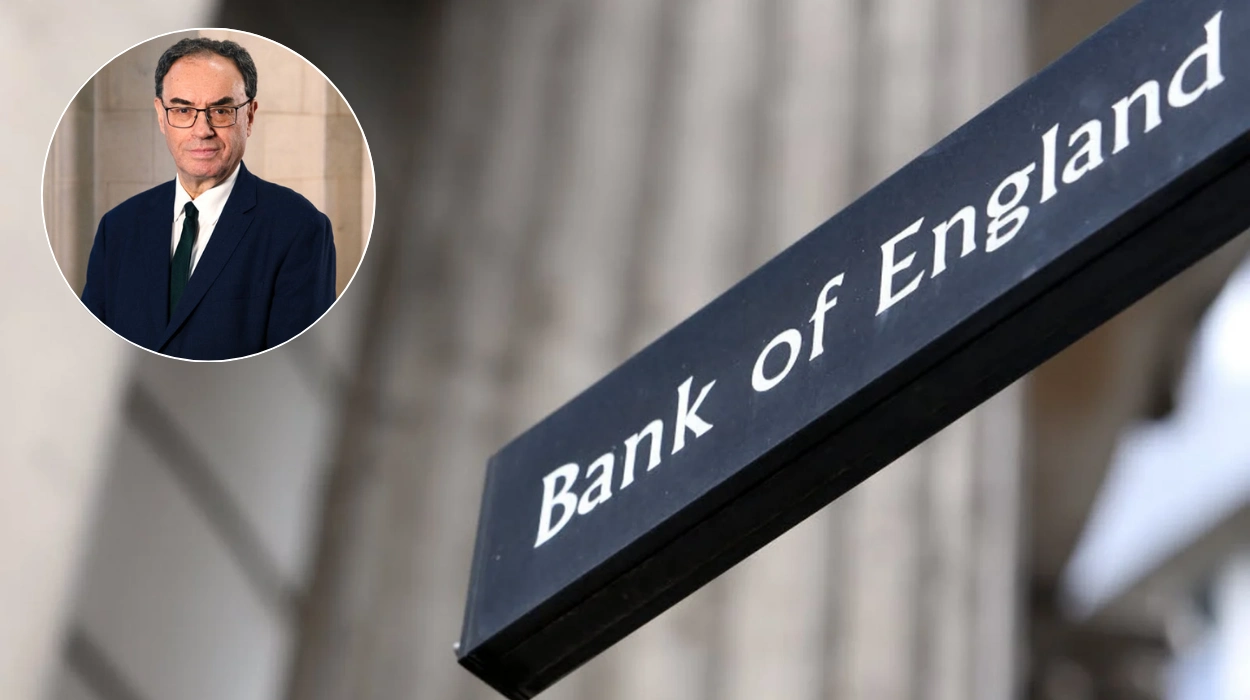
London (Britain Today News) September 04, 2026 — The Governor of the Bank of England, Andrew Bailey, has defended the independence of the world’s central banks, warning that populist political movements now pose a “serious challenge” to institutions that were designed to sit outside day-to-day politics.
- Key Points
- Why Did Andrew Bailey Speak Out on Central Bank Independence Now?
- What Did Andrew Bailey Actually Say About Central Bank Independence?
- How Is Populism Challenging the Independence of Central Banks?
- Why Does Bailey Say Institutions Risk Being Branded an “Elite”?
- Should Central Banks Be Insulated From Politics, According to Bailey?
- Where Does the Bank of England’s Legitimacy Actually Come From?
- Why Must Central Banks Communicate More Openly With the Public?
- What Is Reform UK’s Position on the Bank of England’s Independence?
- What International Examples Show Central Banks Under Political Pressure?
- What Happens Next for the Bank of England and Central Bank Independence?
Why Did Andrew Bailey Speak Out on Central Bank Independence Now?
Addressing an audience at the London School of Economics Trium Anniversary Conference, Bailey used his platform to confront a question that has been simmering across advanced economies for several years: can central banks maintain their independence in an era when trust in public institutions is falling? As reported in wire copy carried by PA Media and distributed to regional titles including The Gazette, the North Wales Pioneer and London Now, Bailey chose to speak directly to the growing unease surrounding monetary authorities, rather than confine his remarks to interest rates or inflation forecasts, which have traditionally dominated his public appearances.
His intervention arrives at a moment when central banks from Washington to Rome have found themselves the target of political criticism, and when questions over the Bank of England’s own remit have entered domestic political debate in the United Kingdom.
What Did Andrew Bailey Actually Say About Central Bank Independence?
Bailey told the conference:
“Across many countries we have witnessed growing scepticism towards public institutions generally.”
He went on to acknowledge the specific criticism levelled at monetary authorities, saying that in the case of central banks,
“some critics argue they are too close to financial interests and that they stand in the way of popular preferences.”
Bailey did not shy away from naming the source of the pressure directly, telling delegates that one particular challenge to central bank independence was coming from “populist political movements.”
How Is Populism Challenging the Independence of Central Banks?
Bailey’s central argument, as relayed in the report, was that any institution perceived to be standing between voters and the outcomes they want becomes vulnerable to being recast as illegitimate. He said:
“Any institution seen to get in the way becomes an unrepresentative elite standing between the people and their will, and thus an obstacle to popular sovereignty.”
This framing, according to the reporting, positions central banks alongside other technocratic bodies — courts, regulators, and international institutions — that populist movements across the world have targeted as unaccountable elites working against the interests of ordinary citizens.
Why Does Bailey Say Institutions Risk Being Branded an “Elite”?
The Governor’s remarks suggest he sees the reputational risk to central banks as structural rather than incidental. Because monetary policy decisions — such as raising interest rates to control inflation — can impose immediate costs on households and businesses while their benefits are diffuse and long-term, central banks are, in Bailey’s assessment, structurally exposed to the charge that they are disconnected from the people they serve. The wire report notes that Bailey framed this as part of a broader pattern
“growing scepticism towards public institutions generally.”
rather than a problem unique to the Bank of England.
Should Central Banks Be Insulated From Politics, According to Bailey?
Yes, according to Bailey — but with an important distinction. The Governor argued that the Bank should be shielded from “short-term political pressures,” while remaining answerable to Parliament. This distinction between short-term political interference and long-term democratic accountability sits at the heart of his defence.
Bailey was explicit in rejecting the idea that independence equates to being unaccountable. He told the LSE conference:
“Central bank independence does not mean detachment from democracy.”
He went on to describe what independence should actually mean in practice:
“It means insulation from short-term political pressures within a democratic framework.”
Where Does the Bank of England’s Legitimacy Actually Come From?
Bailey was careful to root the Bank’s authority not in technical expertise alone, but in its constitutional relationship with elected representatives. He said:
“Its legitimacy derives from a parliamentary delegation, and accountability goes with that independence.”
This is a significant point in the context of the wider debate, because it directly counters the populist framing that unelected central bankers operate beyond democratic reach. Bailey’s argument, as set out in the speech, is that the Bank’s mandate is itself a product of a democratic process — granted by Parliament in 1997, when operational independence over interest rates was first handed to the Bank of England — and can, in principle, be revisited by the same democratic process that created it.
Why Must Central Banks Communicate More Openly With the Public?
Bailey’s remarks, according to the report, also carried a warning aimed at his own institution and its peers. He said central banks “cannot take legitimacy for granted” and must communicate clearly and openly with the public. This suggests the Governor believes part of the solution to eroding public trust lies not only in institutional design, but in how transparently central banks explain their decisions to the people affected by them.
The implication is that technical, jargon-heavy communication from central banks — historically a common criticism of institutions such as the Bank of England and the Federal Reserve — risks compounding the very scepticism that populist movements exploit.
What Is Reform UK’s Position on the Bank of England’s Independence?
The reporting notes that Reform UK, the party led by Nigel Farage, has said it would make changes to the way the central bank operates. However, the party has also committed to maintaining the Bank’s independence, according to the same coverage. This nuance is significant: even a political movement often described as populist has stopped short of proposing to strip the Bank of England of its operational independence outright, instead signalling an appetite for reform of process rather than removal of autonomy.
This detail places Bailey’s speech directly in the context of live domestic political debate, rather than as a purely academic or international observation.
Explore More about Politics:
Lords Resume Scrutiny of Financial Services Bill
Railways Bill Reaches Lords Committee Stage
What International Examples Show Central Banks Under Political Pressure?
Bailey’s warning did not emerge in a vacuum. Central bank independence has come under sustained scrutiny in several major economies in recent years. In the United States, the Federal Reserve has faced repeated public criticism over its interest rate decisions from political figures unhappy with the pace of monetary tightening or easing. In Europe, national central bank governors within the eurozone system have at times faced domestic political pressure over their support for, or resistance to, government fiscal plans. Emerging market central banks, including in India, have also faced calls from governments seeking looser monetary conditions ahead of elections.
While Bailey’s speech at the LSE conference, as reported, focused primarily on the general principle of independence rather than naming individual foreign institutions, the broader context of global central banking makes clear that the pressures he described are not confined to the United Kingdom.
What Happens Next for the Bank of England and Central Bank Independence?
Bailey’s speech does not resolve the tension between democratic accountability and technocratic independence, but it does set out his own institution’s position clearly: independence within a democratic framework, not independence from democracy itself. The Governor’s insistence that central banks must earn and maintain legitimacy through open communication suggests the Bank of England is likely to place greater emphasis on public engagement and transparent explanation of its decisions in the period ahead.
With Reform UK signalling potential changes to the Bank’s operating model, and with populist pressures on central banks continuing to build internationally, the question of how far monetary authorities can remain insulated from political demands — while still answering to the publics they ultimately serve — looks set to remain a live and contested issue in British and global economic policy debate.