Key Points
- London is under a yellow heat-health warning, which is in effect until 9 pm on 11 August.
- This is the fifth heatwave for the city this year, after two record-breaking hot spells in May and June and two additional heatwaves in July.
- Over 2,800 excess deaths in the country have been attributed to the heatwaves in the previous weeks in May and June.
- The UK has so far had 30 days this year with temperatures above 30C, with the maximum likely to be set in the coming years. The UK has already had 30 days with temperatures over 30C this year, with the maximum likely to be reached in the coming years.
- So far in 2026, the highest temperature was 38C on 28th June at Lingwood in Norfolk.
- Passengers and bus drivers in London are once again experiencing extreme heat on the underground and on buses, with temperatures reaching up to 40 °C in the cabs.
- Wildfires have occurred on the Dunwich Heath, Headon Warren, Llanwonno and the Cairngorms National Park.
- Fire risk is “exceptional” for most of eastern and south-eastern England, according to the Fire Severity Index for Sunday.
- Stocks in reservoirs in England are 69 per cent, almost 12 percentage points below the long-term average.
- The water levels of five reservoirs are now deemed “exceptionally low”, including those at Wimbleball and Blagdon in Somerset.
- England and Wales last month had the driest July since 1836, when records were first kept.
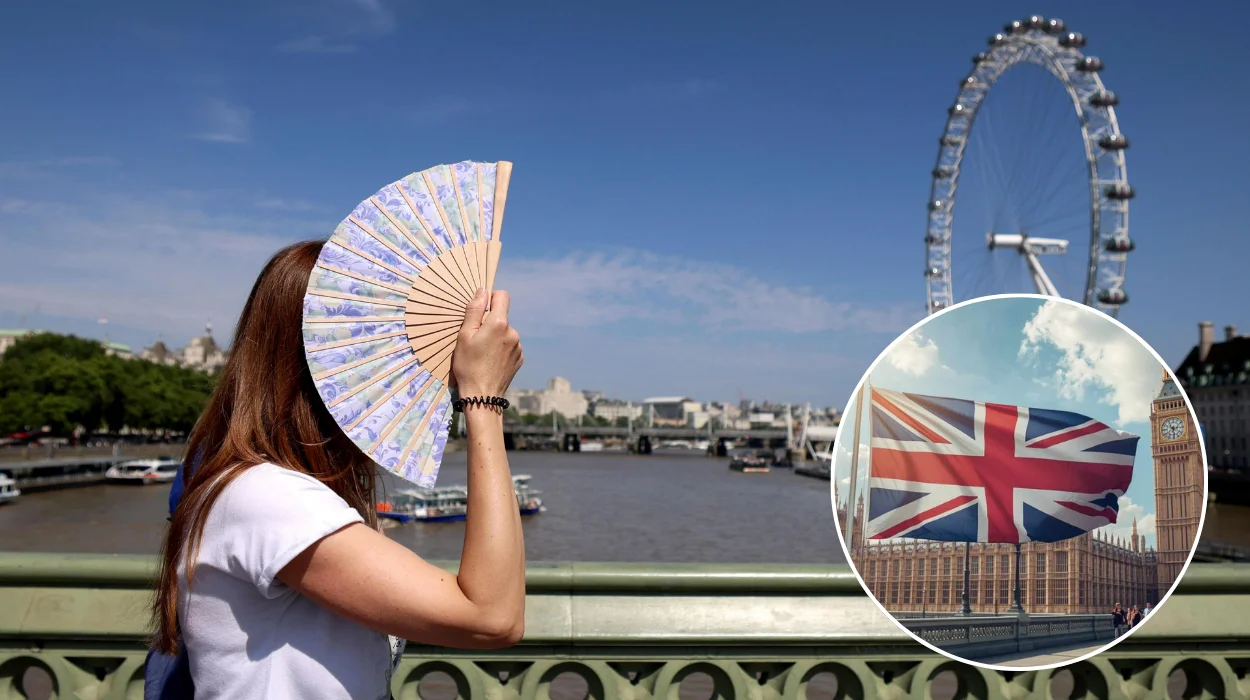
London (Britain Today News) August 08, 2026 – London is bracing for its fifth heatwave of the year, with a fresh UKHSA yellow health warning now in force across the capital as forecasters and public health officials urge residents, particularly the elderly and vulnerable, to take precautions against the rising temperatures.
- Key Points
- What Is the Latest Weather Warning for London?
- Why Has London Seen So Many Heatwaves This Year?
- What Was the Hottest Day of 2026 So Far?
- What Impact Is the Heat Having on Health and Social Care Services?
- How Severe Is the Wildfire Risk This Weekend?
- How Are Reservoir Levels Being Affected by the Dry Weather?
- How Dry Has This Summer Been Compared to Historical Records?
- Who Is Most at Risk During the Heatwave?
What Is the Latest Weather Warning for London?
The UK Health Security Agency (UKHSA) has issued a yellow heat-health alert covering London and surrounding regions, signalling that high temperatures are expected to place strain on health and social care services in the coming days. The alert states that the conditions are “likely to put pressure on health and social care services” and could pose “a serious risk to vulnerable people,” including those aged 65 and over, individuals with pre-existing medical conditions, and young children. Health bosses have urged people to check in on elderly neighbours and relatives, stay hydrated, and avoid strenuous activity during the hottest parts of the day.
How Long Will the Yellow Heat Warning Last?
The current alert is scheduled to remain in effect until 9 pm on 11 August, giving Londoners several days of continued high temperatures to contend with. Forecasters have warned that conditions could intensify further before the alert lifts, with the possibility of records being broken again in the days ahead. Residents have been advised to monitor official updates as the situation develops, since heat alerts of this kind can be extended or escalated depending on how temperatures behave over the coming week.
Why Has London Seen So Many Heatwaves This Year?
This latest hot spell is the fifth heatwave to hit the capital in 2026 alone, an unusually high frequency that has left both residents and infrastructure under sustained pressure. The year began with two record-breaking heatwaves in May and June, which were subsequently linked to more than 2,800 excess deaths nationwide. Two further heatwaves struck in July, fuelling drought conditions and a spate of wildfires across the country. Taken together, the pattern points to an increasingly volatile summer climate, with periods of extreme heat arriving more frequently and with greater intensity than in previous years.
How Many Days Has London Recorded Temperatures Above 30C?
Temperatures have already exceeded 30C on 30 separate days so far in 2026, putting the UK within striking distance of the all-time annual record of 34 such days. Meteorologists say that if the current trend continues, that record could be broken before the summer is out, underlining just how persistent this year’s heat has been. The frequency of 30C-plus days is being closely tracked by climate scientists as an indicator of how the UK’s weather patterns are shifting over time.
What Was the Hottest Day of 2026 So Far?
The highest temperature recorded in the UK this year stands at 38C, measured at Lingwood in Norfolk on 28 June. That reading came during one of the earlier heatwaves and set the benchmark against which subsequent hot spells, including the current one, are now being measured. While London itself has not matched that specific figure, the capital has nonetheless experienced repeated spikes well above seasonal norms throughout the summer.
How Is the Heat Affecting London’s Transport Network?
Commuters across the capital are once again enduring sweltering conditions on the London Underground, where poor ventilation on many lines can push carriage temperatures far above outdoor levels. Bus drivers have been particularly badly affected, with cabs reportedly reaching temperatures of up to 40C on the hottest days. The scale of the problem has reignited concerns among transport workers about working conditions during periods of extreme heat, with unions continuing to press for better protections and cooling measures for staff operating in these environments.
What Impact Is the Heat Having on Health and Social Care Services?
Health and social care providers across London are preparing for a surge in demand as the heatwave takes hold, with hospitals and ambulance services bracing for an increase in heat-related callouts. The UKHSA alert specifically flags the danger to elderly residents, people with underlying health conditions, and young children, warning of “a potential rise in deaths and serious illness” among these groups during periods of sustained high temperatures. Local authorities have also issued fresh warnings about the dangers of swimming in open water, as Londoners increasingly turn to rivers, lakes and reservoirs in search of relief from the heat.
Where Have Wildfires Broken Out Across the UK?
The dry, hot conditions have contributed to a string of significant wildfires in recent weeks. Large blazes have been reported at Dunwich Heath in Suffolk, Headon Warren on the Isle of Wight, Llanwonno in the Rhondda Valleys of South Wales, and within the Cairngorms National Park in Scotland. These fires have required substantial firefighting resources and have raised fresh concerns about the vulnerability of the UK’s heathland and moorland habitats during prolonged dry spells.
How Severe Is the Wildfire Risk This Weekend?
Fire risk is forecast to reach its highest possible level, described as “exceptional,” across almost all of eastern and south-eastern England on Sunday, according to the Fire Severity Index. This is the top ranking on the index’s scale. The index draws on Met Office data covering rainfall, temperature and humidity, and is used by fire and emergency services to assess how dangerous a fire is likely to be if one breaks out, although it does not itself predict the likelihood of a fire actually starting. Given the current conditions, authorities are urging the public to exercise extreme caution, particularly around open flames, barbecues and cigarette disposal in rural and heathland areas.
How Are Reservoir Levels Being Affected by the Dry Weather?
Reservoir storage across England has dropped sharply, falling to 69 per cent, down from 72 per cent just a week earlier. The Environment Agency confirmed that current levels sit nearly 12 percentage points below the long-term average for this point in the year. As recently as the end of June, storage stood at 85 per cent, which was in line with seasonal norms, but levels have declined steadily since then as the dry weather has persisted. Five reservoirs have now been classified as having “exceptionally low” levels: Blagdon in Somerset, which is 54 per cent full; Clywedog in Powys, which supplies water to central and north-west England and stands at 62 per cent; the Dove group of reservoirs in Derbyshire, at 74 per cent; Hanningfield in Essex, at 60 per cent; and Wimbleball in Somerset, at just 50 per cent full.
Explore More about London:
Best Places to Watch London’s Solar Eclipse
Sabrina Carpenter In Talks For Wembley Headline Show 2027
How Dry Has This Summer Been Compared to Historical Records?
Last month was officially the driest July recorded in England and Wales since records began in 1836, according to provisional figures. The scale of the dry spell has been particularly striking in parts of the country, with nineteen counties across England recording effectively no rainfall at all during the entire month, registering 1mm or less according to Met Office figures. This combination of prolonged dryness and repeated heatwaves has created ideal conditions for both drought and wildfire risk to intensify simultaneously.
Who Is Most at Risk During the Heatwave?
Public health officials have been consistent in identifying the groups most vulnerable to the effects of extreme heat: people aged 65 and over, those with existing medical conditions such as heart or respiratory problems, and young children. The UKHSA has warned that these groups face a heightened risk of serious illness and death during periods of sustained high temperatures, and has encouraged the wider public to check on vulnerable friends, family members and neighbours throughout the duration of the alert. Simple precautions, including staying hydrated, avoiding direct sun during peak hours, and keeping homes cool where possible, remain central to official guidance as the fifth heatwave of the year continues to grip the capital.