Key Points
- There is opposition to proposals by Transport for London (TfL) to change five bus routes across north and east London from a joint campaign by councillors from the three boroughs. Councillors from the three boroughs are united against five London bus routes to be changed by Transport for London (TfL).
- The plans would also re-route the 149, remove the 67 between Wood Green and Dalston Junction, and remove the 254 between Aldgate and Holloway.
- The ten-day consultation, which would be extended until September 20, would also include Aldgate.
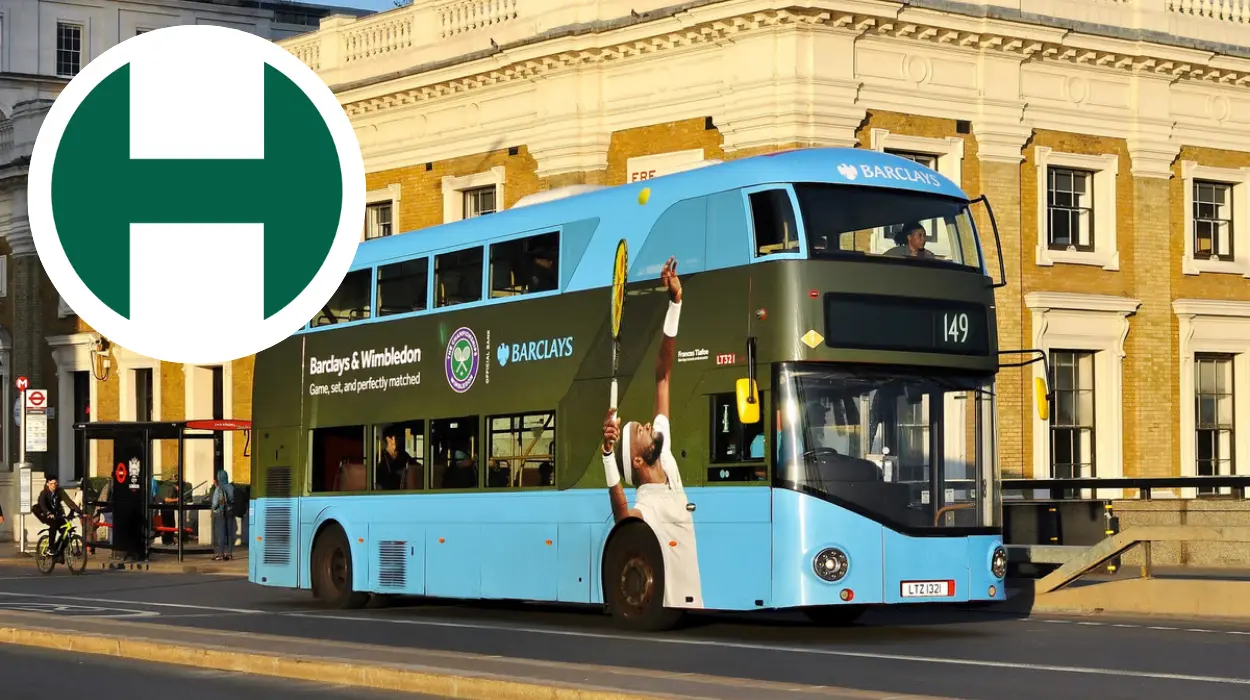
- The 149 service between London Bridge and Edmonton Green is also affected by the cuts, and its passengers are worried about losing direct services, especially with the 349 route also scheduled for cuts.
- Cllr Anntoinette Bramble, the opposition leader for Hackney, has written to TfL on the rationale behind the changes.
- The 149 link has been called ‘vital’ by an e-petition, which is asking for a direct bus route between the two destinations.
- TfL says the changes will allow for equal capacity and passenger numbers in a “Tube network dead zone”.
- Cllr Bramble has urged TfL to convene public meetings and explain its plans for the bus frequency.
- TfL is looking at services to ensure they are delivered in the “best use of available resources”, says Geoff Hobbs.
- The argument has been sparked by Labour losing control of Hackney Council to the Green Party in May.
London (Britain Today News) August 08, 2026 – Politicians from across north London are lobbying against Transport for London proposals to change several bus routes travelling through a Tube network dead zone, warning that thousands of passengers could be left without direct links to some of the capital’s busiest corridors.
- Key Points
- What Changes Is TfL Proposing to the 149 Bus Route?
- Why Does TfL Say the Changes Are Necessary?
- What Are Passengers Saying About the Proposed Cuts?
- What Has Hackney’s Opposition Leader Said About the Plans?
- What Happened to Labour’s Control of Hackney Council?
- What Further Changes Are Planned for the 106, 253 and 254 Routes?
- Why Does Cllr Bramble Believe the Proposals Are Contradictory?
- What Is Being Demanded of TfL by Local Politicians?
- How Has TfL Responded to the Criticism?
- What Happens Next in the Consultation Process?
Labour councillors in Hackney have joined calls issued by council leaders in Enfield and Haringey against TfL proposals to re-route the 149, axe the 67 between Wood Green and Dalston Junction, and scrap the 254 between Aldgate and Holloway. The joint opposition marks a rare instance of cross-borough political unity against City Hall’s transport arm, with councillors from three separate local authorities now formally registering their concerns during the ongoing public consultation.
What Changes Is TfL Proposing to the 149 Bus Route?
The changes currently under consultation until September 20 would mean passengers using the 149 route between London Bridge and Edmonton Green are set to lose direct links to stops as TfL seeks to divert part of the service from Stamford Hill towards Wood Green instead. Under the proposals, the new 149 route would retain all connections currently provided by route 67 between Wood Green and Dalston Junction, with the exception of Dalston Junction Bus Station (Stop N).
This effectively means the 149 would absorb much of the 67’s function along that stretch, while the 67 itself would disappear from the network entirely. For residents accustomed to a direct connection between Stamford Hill and Edmonton Green, the re-routing would require a change of bus, adding time and complexity to everyday journeys.
Why Does TfL Say the Changes Are Necessary?
TfL has explained the proposed changes are designed to “match capacity with passenger demand and to provide a clear and reliable service”, having identified a “surplus capacity” between Edmonton Green in Enfield and Stamford Hill straddling Hackney and Haringey. In essence, the transport authority argues that current provision along this corridor exceeds actual passenger numbers, and that reshaping the network would free up resources to be deployed more efficiently elsewhere.
However, the changes have stoked the ire of passengers and politicians over the loss of transport links and possible overcrowding, with critics questioning whether TfL’s data accurately reflects the lived experience of commuters who rely on these routes daily.
What Are Passengers Saying About the Proposed Cuts?
An e-petition launched after the consultation went live stressed the 149 link between London Bridge and Edmonton Green was “vital”, and the changes would force passengers to change buses multiple times as other routes also face the chop, such as the 349. Campaigners behind the petition argue that removing direct connections disproportionately affects those without access to alternative transport, including elderly residents and people with mobility issues who depend on single-seat bus journeys rather than interchanges.
How Have Local Council Leaders Responded?
After Haringey and Enfield councils’ Labour leaders joined the fray and wrote to City Hall to criticise the proposals coinciding with cuts to other routes, Hackney’s Labour party sent its own letter questioning TfL’s rationale. The coordinated response from three neighbouring boroughs underscores the scale of concern about the potential knock-on effects for residents who cross borough boundaries as part of their daily commute.
What Has Hackney’s Opposition Leader Said About the Plans?
“It is not clear how this would reduce duplication, or why,”
stated Hackney’s opposition leader, Cllr Anntoinette Bramble, in a letter seen by the Local Democracy Reporting Service (LDRS).
“We have always held that the more buses residents have in a non-tube borough like Hackney, the better, as at least one in four Hackney residents rely on buses to get them to work and elsewhere […] In a borough like ours, with people struggling with the cost of living, a reduction in the bus service will hit people who rely on the bus network for work and other use,”
She stated.
Cllr Bramble’s intervention carries particular weight given Hackney’s status as one of London’s boroughs with no direct Underground service across large parts of its territory, making residents especially reliant on surface transport to reach employment, healthcare and education.
What Happened to Labour’s Control of Hackney Council?
Labour lost control of Hackney Council to the Green Party at the May elections and now serves as the largest political opposition group in the borough with nine councillors. Cllr Bramble, formerly Hackney’s deputy mayor, also criticised TfL’s plans for the 253, 254 and 106 buses, extending her objections beyond the 149 and 67 routes to encompass the wider package of changes affecting east and north London.
What Further Changes Are Planned for the 106, 253 and 254 Routes?
Further proposals to restructure these routes linking north and east London would see the 106 extended to run to Aldgate, while the 254 would be withdrawn altogether. This would leave passengers currently served by the 254 between Aldgate and Holloway without a direct equivalent, relying instead on a combination of the restructured 106 and other services in the vicinity.
Why Does Cllr Bramble Believe the Proposals Are Contradictory?
Cllr Bramble argued the scheme would reduce space on the remaining buses, and found contradictions in the proposal itself – which stated that bus frequency would change to accommodate the loss of the 254 but also that frequency changes were outside the consultation’s scope. This apparent inconsistency has become a central plank of her objection, as she contends that TfL cannot simultaneously claim frequency is unaffected while also acknowledging that services will need to adjust to cope with the withdrawal of an entire route.
“In rush hours, the 254, 253 and 106 buses are usually filled with passengers. To take away one whole bus route will result in further pressure on passenger space for the remaining buses,”
Cllr Bramble said, asking TfL to “definitively” state the new bus frequencies on the record.
What Is Being Demanded of TfL by Local Politicians?
She also called on TfL to hold a public meeting and further consultation meetings along the routes affected to
“give more people a chance to discuss the consultation proposals directly with TfL officers and make a more informed decision”.
The demand reflects a broader frustration among councillors that the consultation process, conducted largely online and through written submissions, does not adequately capture the concerns of residents who may be less engaged with digital platforms or formal written objections.
Explore More about London:
London Braces for Fifth Heatwave as Yellow Warning Issued
Best Places to Watch London’s Solar Eclipse
How Has TfL Responded to the Criticism?
Geoff Hobbs, TfL’s Director of Public Transport Service Planning, said:
“We are committed to providing the best bus network possible for Londoners and regularly review our services to ensure they continue to meet customer demand and make the best use of available resources.
“As part of this work, we are consulting on proposed changes to routes 67, 106, 149, 253 and 254. We believe these proposals would better match services to current customer demand while maintaining the capacity needed across the affected corridors.
“Consultations are now open, and we encourage residents, businesses and stakeholders to have their say through the number of ways highlighted in the consultation. Feedback is hugely important to us and will help inform any final decisions on these proposals,”
He said.
What Happens Next in the Consultation Process?
With the consultation window remaining open until September 20, residents, businesses and local stakeholders across Hackney, Enfield and Haringey are being urged to submit their views before the deadline. The outcome of the consultation will determine whether TfL proceeds with the proposed re-routing of the 149, the withdrawal of the 67 and 254, and the extension of the 106 to Aldgate, or whether sustained political pressure from the three boroughs prompts a rethink.
For now, councillors including Cllr Bramble continue to press TfL for greater clarity on frequency changes and further opportunities for face-to-face engagement, while campaigners behind the e-petition maintain their call for the 149’s existing connections to be preserved in full. The coming weeks are likely to prove decisive in shaping the future shape of bus services across a swathe of north and east London that many residents describe as chronically underserved by the Underground network.