Key Points
- Senior US envoys and Iranian technical delegations are both expected in Doha, but conflicting statements from Washington and Tehran have raised doubts over whether direct negotiations will actually take place.
- Iranian officials insist no direct talks with American representatives are currently scheduled, despite US announcements of high-level meetings.
- A fragile interim ceasefire, reached earlier this month, has already been tested by renewed missile and drone exchanges between the two sides.
- The Strait of Hormuz remains a central flashpoint, with Iran introducing new transit measures that continue to unsettle international shipping firms and energy markets.
- Iran’s nuclear programme remains the most politically sensitive and unresolved issue standing in the way of a lasting settlement.
- The negotiations are closely linked to wider regional conflicts, including tensions involving Israel and Hezbollah in Lebanon.
- Financial markets have reacted cautiously positively, with oil prices easing on hopes of a gradual recovery in Gulf energy exports.
- Analysts warn that persistent mistrust and unresolved regional disputes could prolong the process well beyond the current diplomatic window.
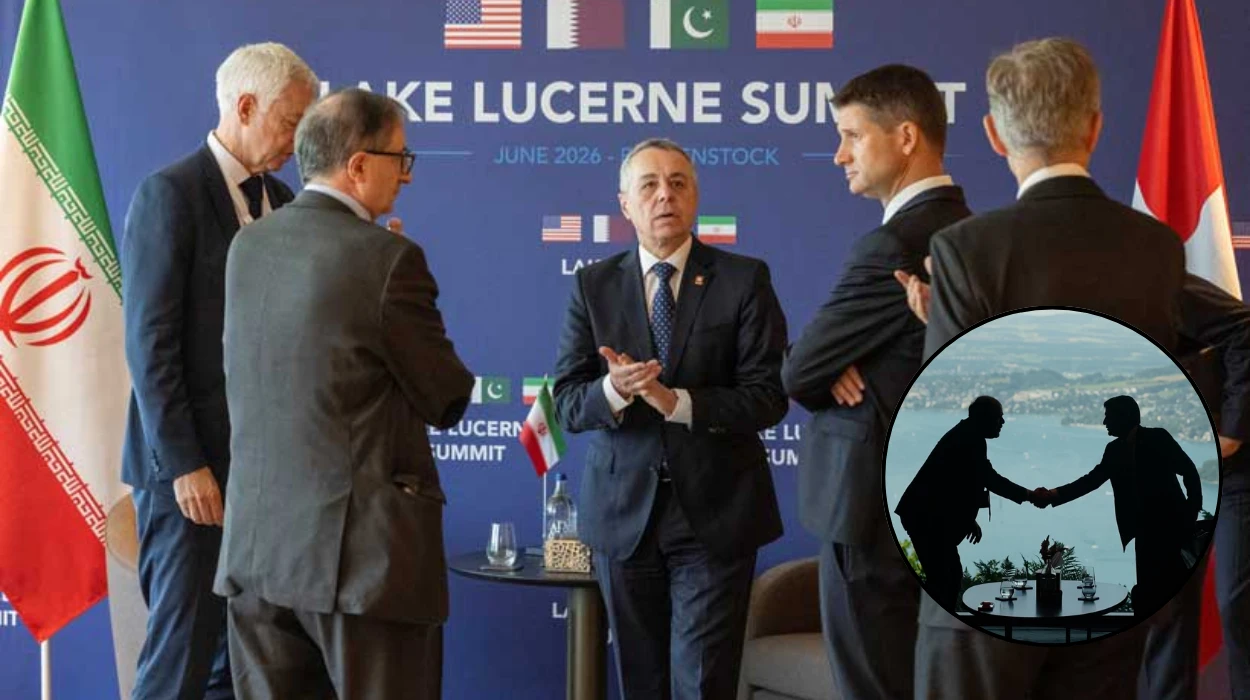
Doha (Britain Today News) June 30, 2026 – Uncertainty surrounding planned diplomatic engagements in Qatar has cast doubt over efforts to secure a lasting peace agreement between the United States and Iran, despite an interim accord designed to end months of conflict. While senior US envoys are expected in Doha and technical delegations from Iran are also present, conflicting statements from both sides have raised questions over whether direct negotiations will actually take place.
- Key Points
- Why Has Qatar Become the Focal Point of US-Iran Diplomacy?
- Why Are US and Iranian Statements on Negotiations Contradicting Each Other?
- How Fragile Is the Current Ceasefire Between the Two Sides?
- What Role Does the Strait of Hormuz Play in the Negotiations?
- Why Does Iran’s Nuclear Programme Remain the Hardest Obstacle to Resolve?
- How Are Other Regional Conflicts Connected to the US-Iran Talks?
- How Have Financial Markets Reacted to the Latest Developments?
- What Are the Practical Stakes for Gulf Energy Exporters?
- Could Technical Talks Continue Even Without Political Breakthroughs?
- What Happens Next in the US-Iran Diplomatic Process?
The uncertainty comes after renewed military exchanges tested the fragile ceasefire, underscoring the difficulty of translating temporary de-escalation into a comprehensive political settlement. The outcome carries significant implications not only for regional security but also for global energy markets, maritime trade through the Strait of Hormuz, and broader Middle East stability.
Why Has Qatar Become the Focal Point of US-Iran Diplomacy?
Doha has emerged as the preferred neutral venue for renewed contact between Washington and Tehran, a role the Gulf state has played in previous rounds of indirect diplomacy between the two governments. Qatari officials have positioned the country as a facilitator capable of hosting both sides without either having to engage the other directly, a format that has historically allowed sensitive discussions to proceed even amid deep mutual distrust.
The choice of Doha as a venue reflects the broader diplomatic reality that the United States and Iran have no formal diplomatic relations, meaning any engagement typically requires an intermediary. Qatar’s standing as a regional mediator, alongside its existing communication channels with Tehran, has made it the natural setting for the current round of contacts.
Why Are US and Iranian Statements on Negotiations Contradicting Each Other?
The latest diplomatic push has been overshadowed by contradictory messaging from Washington and Tehran. While the United States has announced high-level meetings in Doha, Iranian officials have stated that
“no direct negotiations with American representatives are scheduled,”
suggesting that expectations for immediate diplomatic progress remain limited.
This disconnect has complicated efforts to assess whether the current engagement represents substantive peace negotiations or merely parallel diplomatic activity taking place in the same city without formal interaction between the two delegations. Officials familiar with the discussions have indicated that technical-level contacts may continue even if political-level talks remain stalled, a distinction that has added further ambiguity to public assessments of the process.
How Fragile Is the Current Ceasefire Between the Two Sides?
Recent exchanges of missile and drone attacks have exposed the fragility of the interim agreement reached earlier this month. Although both governments continue to publicly support diplomacy, the renewed violence demonstrates that military tensions remain capable of undermining political negotiations at short notice.
A regional security official, speaking on condition of anonymity, said:
“Every round of escalation resets the clock on trust-building. The ceasefire holds on paper, but the underlying conditions that produced the conflict have not changed.”
The incidents reinforce concerns that confidence-building measures remain insufficient to guarantee the durability of the ceasefire in the absence of a broader political framework.
What Role Does the Strait of Hormuz Play in the Negotiations?
The future management of the Strait of Hormuz continues to dominate discussions between regional stakeholders. While maritime traffic has begun to recover, Iran’s efforts to regulate access to the strategic waterway through new transit measures continue to generate uncertainty for international shipping companies and energy markets.
Roughly a fifth of global oil consumption is estimated to pass through the strait, making any disruption to its navigation a matter of immediate concern for energy importers worldwide. Ensuring predictable navigation through one of the world most important energy corridors remains a critical objective for both regional governments and global markets, and is expected to feature prominently in any technical-level discussions in Doha.
Why Does Iran’s Nuclear Programme Remain the Hardest Obstacle to Resolve?
Although immediate attention has focused on de-escalating military tensions, the long-term success of any agreement ultimately depends on resolving disagreements over Iran’s nuclear programme. The interim accord provides a framework for broader negotiations, but the nuclear issue remains politically sensitive for both governments and is likely to determine whether a permanent settlement can be achieved.
An Iranian official involved in the technical delegation said:
“Our nuclear programme is a matter of sovereign right and national policy. Any framework that does not respect this principle will not be acceptable to Tehran.”
On the other side, US officials have repeatedly stressed that any lasting deal must include verifiable limits on uranium enrichment, a condition Iran has historically resisted accepting without reciprocal sanctions relief.
How Are Other Regional Conflicts Connected to the US-Iran Talks?
The US-Iran negotiations extend beyond bilateral relations, with the agreement also intended to create conditions for easing broader regional conflicts, including tensions involving Israel and Hezbollah in Lebanon. However, continuing disagreements over parallel ceasefire arrangements in Lebanon illustrate how interconnected regional conflicts could complicate implementation of a wider peace framework even if progress is achieved between Washington and Tehran.
A diplomat involved in regional mediation efforts said:
“You cannot isolate the Iran track from what is happening in Lebanon or with Israel. These conflicts are linked through proxies, funding and political alignment, and progress in one area inevitably affects the others.”
This interdependence has led some analysts to argue that a narrow US-Iran agreement, even if achieved, may struggle to hold without parallel progress on these connected fronts.
How Have Financial Markets Reacted to the Latest Developments?
Financial markets have responded positively to the reduction in immediate military confrontation, with oil prices continuing to ease as investors anticipate a gradual recovery in Gulf energy exports. Traders have closely monitored statements from both Washington and Tehran, adjusting positions in response to even modest shifts in diplomatic tone.
Nevertheless, market sentiment remains highly sensitive to diplomatic developments, as any breakdown in negotiations could quickly reverse recent gains in energy markets and renew concerns over supply disruptions. A commodities analyst noted:
“The market is pricing in cautious optimism, but it would not take much for that to unwind. A single incident in the strait could send prices climbing again within hours.”
What Are the Practical Stakes for Gulf Energy Exporters?
Gulf energy exporters, many of whom rely heavily on uninterrupted shipping through the Strait of Hormuz, have a direct stake in the outcome of the Doha discussions. Sustained instability risks higher insurance costs for tankers, delayed shipments and reduced investor confidence in regional energy infrastructure projects.
Industry representatives have urged both Washington and Tehran to prioritise measures that stabilise shipping routes even if broader political differences remain unresolved, arguing that incremental progress on maritime security could provide a foundation for further negotiations. This pragmatic approach reflects a wider regional preference for de-escalation steps that can be implemented quickly, separate from the more protracted nuclear and political dossiers.
Explore More about World:
Tens of Thousands March in First Free Budapest Pride Since Orbán’s Defeat
Deutsche Bahn Outage Strands Passengers Across Germany’s Rail Network
Could Technical Talks Continue Even Without Political Breakthroughs?
Officials briefed on the Doha discussions suggest that technical-level engagement, covering issues such as maritime security, prisoner matters and humanitarian channels, could proceed independently of the stalled political track. This layered approach has been used in previous rounds of US-Iran engagement, allowing limited progress on practical matters even when political negotiations remain deadlocked.
Such an arrangement would allow both governments to demonstrate engagement with the diplomatic process without committing to the more contentious political concessions required for a comprehensive settlement. However, officials caution that technical progress alone is unlikely to satisfy either side’s long-term security demands.
What Happens Next in the US-Iran Diplomatic Process?
The coming weeks will determine whether diplomatic engagement in Qatar evolves into meaningful negotiations or remains limited to technical discussions and crisis management. Progress toward a permanent agreement will depend on the ability of both sides to preserve the fragile ceasefire while addressing more contentious issues, particularly Iran’s nuclear programme and long-term security arrangements in the Gulf.
Even if direct negotiations remain limited in the near term, continued diplomatic contacts could help reduce the risk of renewed military escalation and support the gradual normalisation of shipping through the Strait of Hormuz. However, persistent mistrust, competing political priorities and unresolved regional conflicts mean that achieving a comprehensive US-Iran agreement is likely to remain a prolonged and uncertain process.