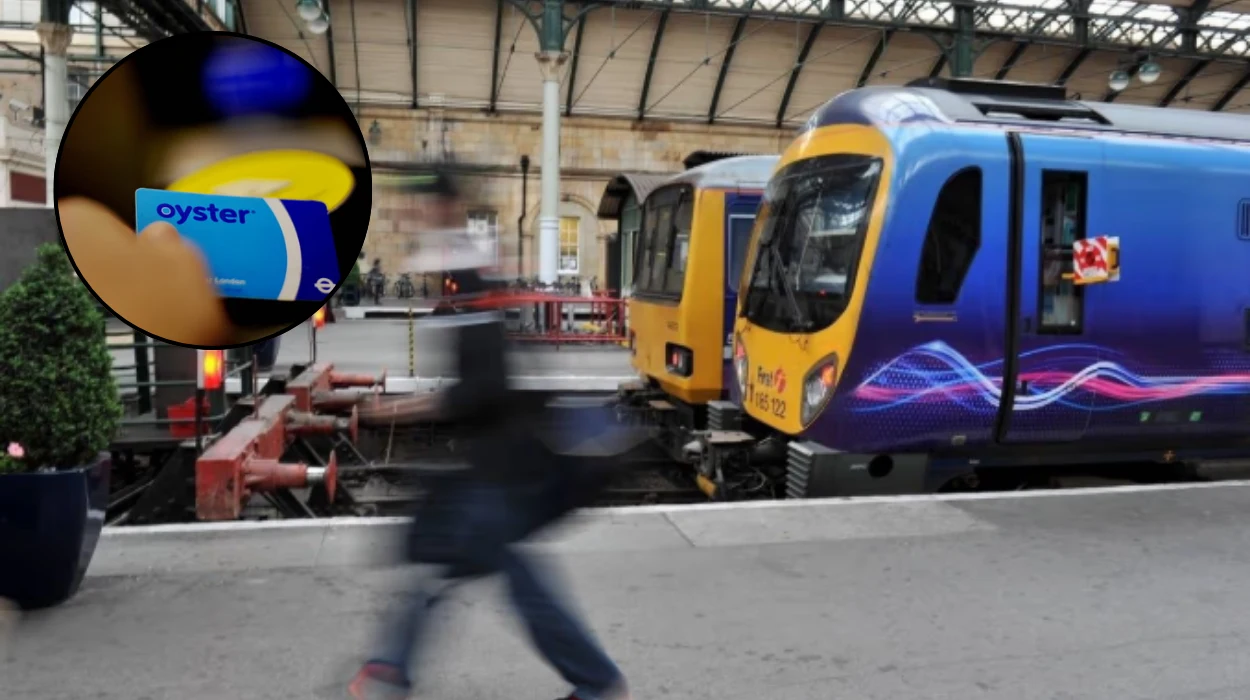
Key Points
- A proposed northern travel card modelled on London’s Oyster system could save commuters up to £276 a year.
- The scheme would allow users to tap in and out across different transport networks.
- Fares would be capped automatically at the cheapest available rate.
- Researchers estimate the plan could deliver up to £2.7bn for the economy over five years.
- The card is designed to make travel easier between towns and cities for work, training and leisure.
- The proposal would link transport systems across northern England.
- Networks mentioned include Greater Manchester’s Bee Network, West Yorkshire’s planned Weaver Network and South Yorkshire’s People’s Network.
- Passengers could move between regions without buying separate tickets.
- The story is based on a thinktank-backed proposal for a regional integrated ticketing system.
- The article below is written in neutral newsroom style and follows the inverted pyramid structure.
United Kingdom (Britain Today News) June 5, 2026 — A proposed travel card for northern England, modelled on London’s Oyster system, could save commuters up to £276 a year and deliver as much as £2.7bn to the economy over five years, according to researchers behind the plan. The scheme would allow passengers to tap in and out across multiple transport networks, with fares automatically capped at the cheapest available rate, while making it easier to travel between towns and cities for work, training and leisure.
The card would link transport systems across northern England, including Greater Manchester’s Bee Network, West Yorkshire’s planned Weaver Network and South Yorkshire’s People’s Network, so that travellers could move between regions without needing to buy separate tickets. Supporters of the idea say the system would simplify journeys, reduce friction for regular passengers and help create a more connected northern transport market.
The concept has been presented as a northern equivalent of London’s best-known pay-as-you-go travel system, but on a broader regional scale. By bringing different transport operators and networks under a common payment structure, proponents argue that the scheme would remove one of the biggest barriers to travel across the north: the need to understand and pay for multiple ticketing systems.
The reported saving of £276 a year is central to the case being made for the card. That figure suggests a meaningful reduction in day-to-day travel costs for regular commuters, especially those who cross local authority or transport boundaries as part of their daily routine. For many passengers, the benefit would not only be the lower cost but also the ability to travel without having to plan around separate fares and ticket rules.
The wider economic case is even more ambitious. Researchers estimate that a fully integrated system could add up to £2.7bn to the economy over five years by making movement across the region easier and more attractive. That uplift, they say, would come from improved access to jobs, training opportunities and leisure destinations, as well as from the time saved by passengers using a simpler, more predictable network.
Why is the Oyster-style idea being proposed now?
The proposal comes against a backdrop of continued pressure to improve transport links across the north of England. Supporters of the scheme argue that travel between cities and towns remains too fragmented, with different ticketing systems often forcing passengers to navigate separate fares even when their journeys are part of the same wider commute. The card is intended to reduce that fragmentation and make public transport feel more joined up.
The idea also reflects growing interest in regional devolution and better economic integration outside London. Transport is often seen as a key test of whether large city regions can work together more effectively, and a common payment system would be one of the most visible ways of demonstrating that cooperation. In that sense, the card is not just about fares, but about the kind of transport identity the north wants to build.
The proposed system would be especially relevant for passengers who travel across several networks in one journey. Under the current model described in the proposal, such trips can be harder to price transparently, and passengers may need to understand multiple ticket options before they travel. A tap-in, tap-out system with automatic fare capping would remove much of that complexity and could make public transport more attractive to occasional and regular users alike.
For commuters, the attraction is straightforward: simplicity and savings. If passengers no longer need to buy separate tickets for different legs of a journey, the experience becomes more similar to the one many London travellers already know. That comparison is central to the proposal’s pitch, because the Oyster model has long been associated with convenience, speed and ease of use.
How would the northern travel card work?
The proposed card would function by allowing users to tap in and tap out across different transport networks. Instead of buying a set ticket before each journey, passengers would be charged automatically, with fares capped at the cheapest available rate. That means travellers would not pay more than necessary for the route they actually use.
The system would need transport operators and local networks to work together on pricing and payment handling. In practical terms, that would mean building an integrated structure that can recognise journeys across different parts of the north and calculate the correct fare without forcing passengers to manage the process themselves. For regular users, that would reduce the need to compare tickets before every trip.
The proposal would connect several existing and planned networks, including Greater Manchester’s Bee Network, West Yorkshire’s Weaver Network and South Yorkshire’s People’s Network. Linking those systems together would allow passengers to move across regional boundaries more easily, which is one of the main reasons the plan has attracted attention. It would also create the possibility of a more seamless northern travel offer than the one that exists now.
The idea is deliberately modelled on London’s Oyster system, but the scale is different. London has long benefited from a centralised transport identity, while the north is made up of multiple city regions with different systems and priorities. The proposed card is meant to bridge that gap and give passengers a single, familiar way to pay across a broader area.
Explore More about UK:
Authorities crack down on illegal swimming in Heath ponds
SXSW London Festival Shaped by Protests, Bans, and Gaza War Debate
What could it mean for commuters?
For commuters, the most immediate impact would likely be lower costs and less confusion. A passenger who regularly travels between different parts of northern England could benefit from fare capping and the removal of extra ticket purchases. Over time, those savings could add up significantly, particularly for workers who rely on public transport every day.
The scheme could also reduce the stress of planning multi-leg journeys. At present, switching between networks can mean understanding separate fare structures, which may discourage some people from travelling by train, tram or bus across regional lines. A unified system would make those trips feel easier and more predictable, which could encourage more people to use public transport instead of private cars.
There is also a wider productivity argument. If transport is simpler, workers may have more freedom to take jobs farther from home, attend training in neighbouring cities or travel more easily for leisure and family life. That kind of flexibility can matter a great deal in a large region where economic activity is spread across several urban centres rather than concentrated in one dominant city.
The proposal’s supporters are effectively arguing that transport integration is an economic policy as well as a travel issue. By making it easier to move around the north, they believe the region can unlock more spending, more opportunities and stronger connections between places that already rely on one another. The £2.7bn estimate gives that claim a financial frame, even though the real impact would depend on how fully the system is adopted.
Could it boost the northern economy?
Researchers behind the proposal estimate that the card could generate up to £2.7bn for the economy over five years. That figure is based on the idea that easier travel encourages more journeys for work, education and leisure, which in turn supports jobs, local businesses and regional trade. If more people can move around cheaply and efficiently, economic activity may spread more easily across the north.
The argument is that transport convenience can shape behaviour. A simpler fare system could make it more realistic for people to live in one town and work in another, or to attend training and events farther away from home. In that scenario, the card would not just be a payment tool but an enabler of wider regional mobility.
Business leaders and transport planners often treat connectivity as a measure of competitiveness. Regions that are easier to navigate tend to support stronger labour markets and more active consumer spending, particularly when travel is affordable and reliable. The proposed card is being positioned as a way to strengthen those conditions across northern England.
At the same time, turning the idea into reality would require coordination, investment and political will. Integrated ticketing is rarely simple, because it touches on technology, fare policy, passenger data, operator agreements and local priorities. Even so, the proposal’s scale and its potential benefits explain why it has been framed as a significant opportunity rather than a minor transport tweak.
What happens next?
The proposal now appears to be part of a broader debate about how northern transport should evolve. Its success would depend on whether regional bodies and transport networks can agree on a common system that works across borders and remains easy for passengers to use. The promise of savings and economic growth may help build momentum behind it.
For now, the central message from the proposal is clear: a northern version of London’s Oyster card could make travel cheaper, simpler and more connected. The idea is that one tap-in, tap-out system could help reshape how people move across the north of England, while also supporting the region’s long-term economic goals. Whether the plan advances will depend on how far transport leaders are willing to turn the concept into a practical reality.