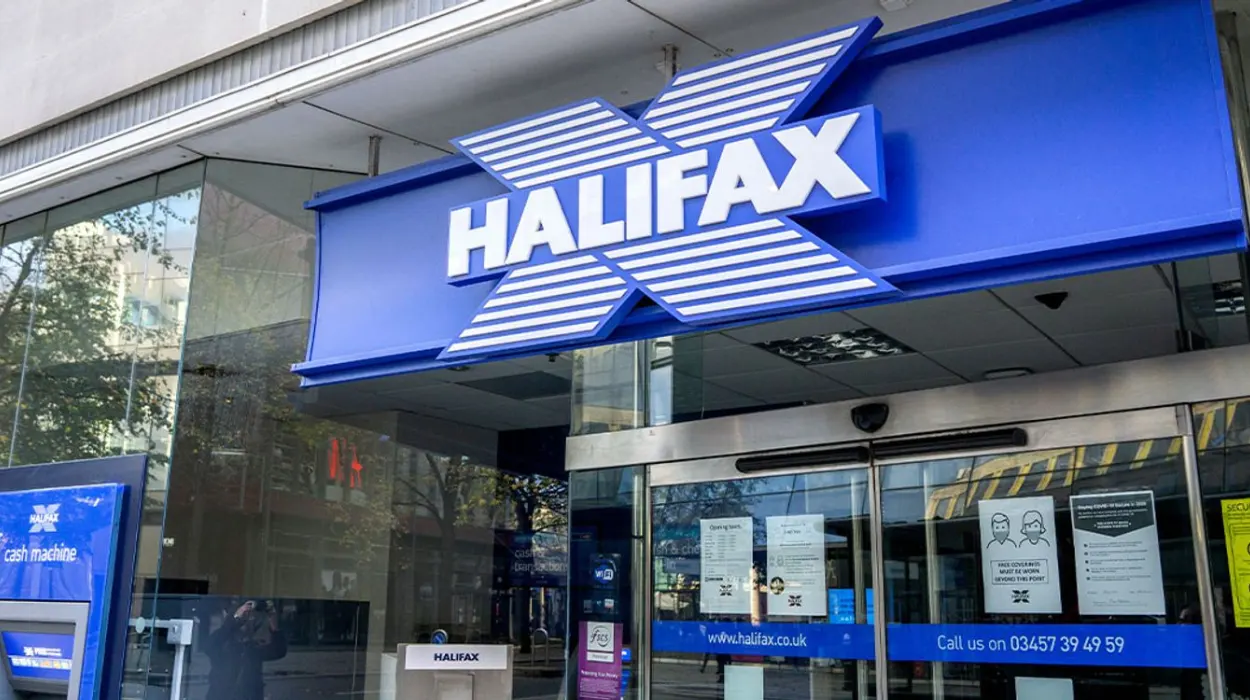
Halifax is one of the UK’s major retail banks, owned by the Lloyds Banking Group, and offers a wide range of everyday banking products, including current accounts, savings accounts, mortgages, and credit cards.
This article explains how to log in to Halifax online and via its mobile app, what services it provides, and how its main offers and features work for typical UK customers.
- What is Halifax Bank and how does it fit into UK banking?
- How do I log in to my Halifax account online or on the app?
- What security measures does Halifax use for online and app logins?
- What are the main types of Halifax bank accounts and how do they differ?
- How does Halifax pay interest on savings and what are typical rates?
- What mortgage options does Halifax provide and who are they for?
- How can I apply for a Halifax mortgage and what are the key steps?
- What credit cards does Halifax offer and how do they compare?
- How does Halifax handle customer service and complaints?
- What insurance and additional services does Halifax sell?
- How do Halifax fees and charges work for accounts and borrowing?
- What are Halifax’s digital‑banking tools and features?
- How does Halifax protect my money and what is the FSCS protection level?
- What are Halifax’s current‑account perks and how do they work?
- How does Halifax compare with other major UK banks?
- What data and trends show Halifax’s role in UK banking?
- How can I manage my Halifax relationship over time?
What is Halifax Bank and how does it fit into UK banking?
Halifax is a brand‑name retail bank in the United Kingdom, operating under the Lloyds Banking Group plc, which is listed on the London Stock Exchange and supervised by the Prudential Regulation Authority (PRA) and the Financial Conduct Authority (FCA).
The bank traces its roots to the Halifax Building Society, founded in the 19th century in Halifax, West Yorkshire, which converted to a public limited company in 1997 and later merged into what is now Lloyds Banking Group.
Halifax holds a significant share of the UK mortgage market and is also one of the largest providers of current accounts and savings accounts by number of customers.
It operates primarily through digital channels (online banking and mobile app), branch networks (within the Lloyds Banking Group “branch estate”), and 24‑hour customer‑service centres.
How do I log in to my Halifax account online or on the app?
To log in to Halifax online banking, you must first be registered for the service and have your customer number, username, and password, plus a method of two‑factor verification such as a card reader or mobile‑generated passcode.
For the mobile app, you download the official Halifax app from the Apple App Store or Google Play, then enter your username and password and complete the same security step used for online banking.
Logging in via the website
Open a browser and go to the official Halifax website, then click “Log in” in the top‑right corner.
Choose the product you want to access (for example, current account or savings) and enter your customer number or username, then your password.
If you have two‑factor authentication enabled, follow the on‑screen prompts to generate a passcode via your card reader or mobile app before being granted full access.
Logging in via the mobile app
Install the Halifax app from a trusted app store, open it, and select “Sign in” or “Already registered.”
Enter the same username or customer number you use on the website, then your password, and confirm your identity using the card reader or built‑in mobile passcode generator.
Once logged in, you can view balances, move money, pay bills, and manage card controls directly from the app.
What security measures does Halifax use for online and app logins?
Halifax uses multi‑factor authentication (MFA) to reduce the risk of unauthorised access to online banking and the mobile app, including a combination of something you know (password), something you have (card reader or mobile device), and sometimes a card PIN.
The bank also employs device‑registration controls, so that new logins from unfamiliar devices trigger additional verification steps such as one‑time codes sent to your registered phone or email.
Halifax recommends that customers never share their password, username, or card‑reader codes with anyone and avoid saving login details on public or shared devices.
If you suspect a compromise, Halifax’s security‑incident procedure allows you to temporarily block your card or online access through the app or by contacting customer service, which can then reset or re‑issue security credentials.
What are the main types of Halifax bank accounts and how do they differ?
Halifax offers several core account types: current accounts, savings accounts, student accounts, and business‑oriented accounts, each with different fees, interest rules, and eligibility criteria.
Current accounts are designed for everyday use (salary deposits, bills, and card spending), while savings accounts focus on building balances with interest, and student accounts combine basic banking with reduced‑fee or fee‑free features for full‑time students.
Halifax current accounts typically include features such as direct‑debit and standing‑order facilities, debit card access, and mobile‑banking integration, with options for packaged accounts that provide extra benefits such as travel insurance or breakdown cover for a monthly fee.
Savings accounts come in multiple forms, such as easy‑access, notice, and fixed‑rate accounts, each with different withdrawal rules and interest‑payment schedules.
How does Halifax pay interest on savings and what are typical rates?
Halifax pays interest on eligible savings accounts at a gross annual rate, which is calculated on the balance and credited monthly or annually depending on the account type.
Interest is usually calculated daily on the closing balance and applied according to the account terms, which specify whether it is taxable or held within an ISA wrapper.
For instance, Halifax easy‑access savings accounts allow limited withdrawals while still earning interest, and notice accounts require advance notice (for example, 90 days) before a withdrawal or closing of the account.
Fixed‑rate savings accounts lock in a set interest rate for a defined period, often offering higher returns in exchange for restricted access to funds during the term.
Explore More about Business:
Aberdeen Clothing Manufacturer Closure: Impacts on the Local Economy
Cranfield University Guide: Courses, Fees & Admissions 2026
What mortgage options does Halifax provide and who are they for?
Halifax is one of the largest UK mortgage lenders by gross mortgage lending, offering residential mortgages for first‑time buyers, home movers, remortgagers, and buy‑to‑let investors.
Mortgage products typically fall into categories such as fixed‑rate, tracker, discount, and offset mortgages, each with different conditions on interest calculation, early‑repayment charges, and deal length.
Fixed‑rate mortgages guarantee the interest rate for a set period (for example, two, five, or ten years), which helps borrowers plan repayments when broader market rates are volatile.
Tracker mortgages link the interest rate to a benchmark such as the Bank of England’s base rate plus a margin, so repayments can rise or fall depending on monetary‑policy decisions.
How can I apply for a Halifax mortgage and what are the key steps?
A Halifax mortgage application usually starts with an affordability check, often done online, where you enter income, outgoings, property price, and deposit size to estimate how much you might borrow.
You then submit a full application, providing proof of identity, proof of income, recent bank statements, and mortgage‑specific documentation such as a property valuation and solicitor details.
Halifax uses automated and manual underwriting to assess credit‑history data from credit‑reference agencies, income stability, and existing debts before approving or rejecting the application.
If approved, the bank issues a formal mortgage offer, which you review with your solicitor or conveyancer before exchanging contracts and completing the property purchase.
What credit cards does Halifax offer and how do they compare?
Halifax issues a range of credit cards, including no‑fee purchase cards, balance‑transfer cards, and reward or cashback‑oriented cards, each with distinct interest‑rate structures and eligibility criteria.
These cards are issued under the Lloyds Bank Mastercard brand and are subject to the same regulatory standards as other UK credit cards, including FCA rules on affordability and clear‑cost disclosure.
Typical features on Halifax‑branded credit cards include 0% introductory periods on purchases or balance transfers, followed by a standard purchase rate or representative APR that applies once the offer ends.
Some cards include built‑in rewards such as cashback on spending, travel‑related insurance, or loyalty points, and may carry annual fees that are waived for the first year or for customers who meet certain conditions.
How does Halifax handle customer service and complaints?
Halifax offers customer service through multiple channels, including phone, online chat, in‑branch support (via Lloyds branches), and digital‑help sections within online banking and the app.
The bank provides dedicated numbers for different account types, such as current accounts, savings, mortgages, and cards, so customers can reach the appropriate support team without long routing delays.
For complaints, Halifax follows the Financial Conduct Authority’s rules on complaint‑handling timescales, typically acknowledging complaints within 5 working days and providing a final response within 8 weeks.
If a customer remains dissatisfied, they can refer the case to the Financial Ombudsman Service (FOS), which is an independent body that reviews unresolved financial‑services disputes in the UK.
What insurance and additional services does Halifax sell?
Halifax offers a range of insurance and protection products, including home insurance, car insurance, travel insurance, and life insurance, often sold alongside mortgages, current accounts, or savings.
These products are typically underwritten by third‑party insurers but distributed through Halifax’s sales channels, with the bank responsible for providing clear information on coverage, exclusions, and premiums.
Packaged current accounts frequently include benefits such as travel insurance, mobile‑phone insurance, and breakdown cover for an additional monthly fee, which customers can cancel if they no longer wish to pay for them.
Halifax also provides other services such as funeral plans, identity‑fraud protection, and financial‑advice services, which are subject to separate regulatory regimes and charges.
How do Halifax fees and charges work for accounts and borrowing?
Halifax charges fees on some accounts and products, while offering fee‑free tiers for basic current accounts that meet minimum‑income or direct‑debit requirements.
For example, the bank may charge monthly fees for packaged accounts, account‑maintenance fees on certain savings products, or early‑repayment charges if you pay off a mortgage or fixed‑term loan before the agreed date.
On borrowing products such as credit cards and personal loans, Halifax applies interest at a APR (Annual Percentage Rate) that reflects the total cost of credit, including fees and compounding.
Overdrafts on current accounts are also charged at agreed rates, with rules on arranged versus unarranged overdrafts, and are subject to affordability checks and FCA‑mandated affordability assessments.
What are Halifax’s digital‑banking tools and features?
Halifax’s digital‑banking ecosystem includes online banking, a mobile app, and integrated features such as card‑controls, budgeting tools, and instant‑payment services.
These tools allow customers to block or unblock cards, set spending limits, view transaction history, and make payments via Faster Payments, CHAPS, or Bacs, depending on the product and time of day.
The mobile app typically includes biometric login options such as fingerprint or face recognition, as well as real‑time notifications for transactions above a user‑defined amount.
Halifax also supports integration with third‑party personal‑finance apps that comply with Open Banking regulations, enabling customers to aggregate accounts from multiple providers in one interface.
How does Halifax protect my money and what is the FSCS protection level?
Halifax is authorised and regulated by the Prudential Regulation Authority and the Financial Conduct Authority, and customer deposits are protected under the UK’s Financial Services Compensation Scheme (FSCS).
Under FSCS rules, eligible deposits with UK banks and building societies are protected up to £85,000 per person, per institution, including joint accounts up to £170,000.
This protection applies to Halifax current‑account and savings‑account balances if the bank were to fail, but it does not cover losses from investment‑linked products, insurance, or unpaid debts.
Customers can check their level of FSCS coverage on the official FSCS website or via guidance provided by Halifax when opening or reviewing accounts.
What are Halifax’s current‑account perks and how do they work?
Halifax current‑account perks are mainly found in its packaged‑account tiers, which offer bundled benefits such as travel insurance, mobile‑phone insurance, and breakdown cover for a fixed monthly fee.
These perks are optional and customers can switch to a simpler, lower‑fee current‑account option if they decide the benefits no longer match their needs.
Some packaged accounts include fee‑free overdrafts up to a certain limit for a set period, cashback on spending categories, or concierge‑style services, subject to the terms and conditions of the specific product.
Halifax is required to disclose the features, charges, and cancellation terms clearly at the point of sale and in ongoing communications, in line with FCA rules on fair treatment of customers.
How does Halifax compare with other major UK banks?
Halifax competes with other large UK banks such as Barclays, HSBC, NatWest, and Santander across products including current accounts, savings, mortgages, and credit cards.
Market‑share data from the UK Finance and FCA indicate that Halifax is particularly strong in the mortgage sector, while its current‑account base is comparable to other major players in terms of number of accounts.
Key differences often centre on introductory rates, ongoing fees, the availability of 0% periods on credit cards, and the breadth of digital‑banking features, rather than fundamental regulatory treatment.
Halifax’s integration with the wider Lloyds Banking Group infrastructure also affects branch access, back‑office systems, and shared digital‑service platforms.
What data and trends show Halifax’s role in UK banking?
Official statistics from the Bank of England and UK Finance show that Halifax consistently ranks among the top UK mortgage lenders by gross lending, with millions of mortgage accounts outstanding.
The bank also reports large numbers of current‑account and savings‑account holders in its annual and regulatory disclosures, which are filed with the Financial Conduct Authority and the Prudential Regulation Authority.
Research‑based analyses of UK banking‑sector performance highlight Halifax’s importance in the housing‑finance market and its role in shaping affordability and lending‑criteria trends for residential borrowers.
These data points help position Halifax as a systemic institution within the UK financial system, influencing both policy‑level discussions and consumer‑level banking‑choice behaviour.
How can I manage my Halifax relationship over time?
Managing a Halifax relationship over time involves regularly reviewing account terms, interest rates, fees, and any packaged‑benefits to ensure they still match your financial situation.
You can switch current‑account tariffs, move savings between different account types, or remortgage with Halifax or another lender if market conditions or your needs change.
Halifax provides tools such as online dashboards, alerts, and annual statements that help customers track balances, spending patterns, and upcoming fee changes.
By keeping contact details updated and using the bank’s digital channels to request changes or ask for advice, customers can maintain a responsive and up‑to‑date relationship with Halifax.