Key Points
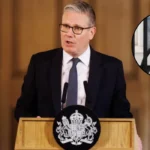
- A Ukrainian man accused of arson attacks linked to Sir Keir Starmer told police he had never heard of the Prime Minister, the Old Bailey has heard.
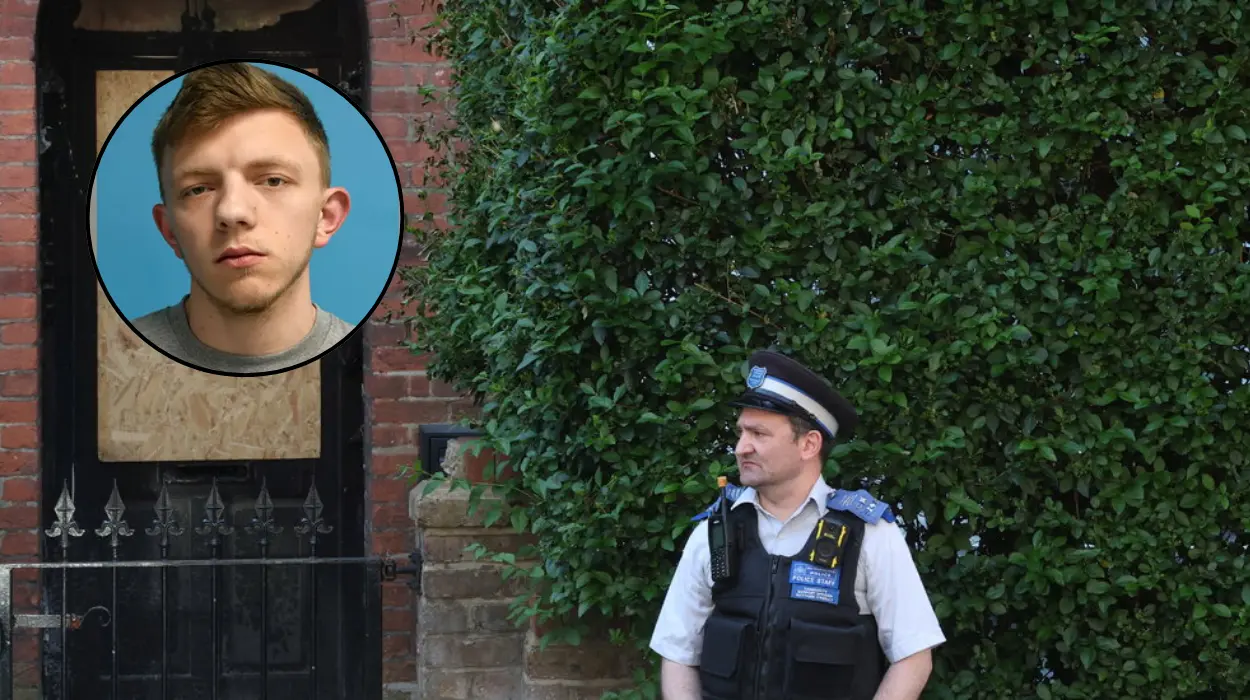
- Roman Lavrynovych, 22, Petro Pochynok, 35, and Stanislav Carpiuc, 27, are all denying charges connected to fires at two properties and a car linked to Sir Keir Starmer.
- The prosecution says Lavrynovych was recruited online by a Russian-speaking Telegram user called “El Money”, who promised payment for the attacks.
- Prosecutors allege the fires were part of a conspiracy involving the three men and others between 1 April and 13 May 2025.
- Lavrynovych allegedly set the car and property fires after receiving instructions, and he later said he needed the money and felt threatened.
- Jurors heard a police interview in which Lavrynovych repeatedly said he did not know who Sir Keir Starmer was and had no interest in British politics.
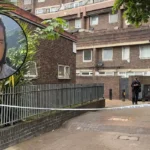
- The fires concerned a Toyota previously owned by Sir Keir Starmer, a block of flats in Islington where he had previously lived, and the entrance to his Kentish Town home.
- Lavrynovych was arrested hours after the final fire, following a message from “El Money” telling him to leave the city.
London (Britain Today News) May 6, 2026 – A Ukrainian man accused of taking part in a series of arson attacks linked to Sir Keir Starmer told police he had never heard of the Prime Minister, as the Old Bailey heard a police interview in which he repeatedly denied any knowledge of Britain’s current leader.
The court heard that Roman Lavrynovych, 22, Petro Pochynok, 35, and Stanislav Carpiuc, 27, all of whom live in London, deny allegations that they conspired together and with others to damage property by fire between 1 April and 13 May 2025. Lavrynovych, of Lewisham in south-east London, also denies separate charges of damaging property by fire with intent to endanger life, or alternatively being reckless as to whether life was endangered, in relation to two North London properties linked to Sir Keir.
What did the defendant tell police?
Jurors were shown a transcript of a police interview from 13 May 2025 in which a detective asked Lavrynovych whether he knew who the Prime Minister was. He replied: “No.” When asked whether he had heard of Keir Starmer, he again said: “No.” He later answered “yes” when asked if he had heard of Boris Johnson, the former Prime Minister.
As reported in court, the detective told him:
“Keir Starmer’s our current prime minister, he lives in London. Do you have any thoughts about Keir Starmer and the Labour Party and the government in general?”
Lavrynovych replied: “No, not at all”, and then said “not really” when asked whether he had any interest in British politics. He also denied holding any grudge against Sir Keir or the Government.
The interview is significant because the prosecution says the attacks were tied to property connected with one of the most recognisable political figures in Britain, while Lavrynovych’s account is that he did not know who the target was.
What is Lavrynovych accused of?
Prosecutors say Lavrynovych carried out the arson attacks after being recruited online by a Russian-speaking Telegram user known as “El Money”, who allegedly promised him payment. They say the contact exchanged hundreds of Telegram messages with the men in the months before the incidents and that the planning involved surveillance and instructions. According to the allegations, the motive was financial rather than political.
Lavrynovych has denied being involved in the fires and told police he was at home on the dates of the first two incidents and visiting his friend Petro in Camden on the third. He maintained that account even after officers showed him data from his phone that prosecutors say linked him to the relevant locations. In a prepared statement, he also said he had been offered money to check for CCTV and to carry out work at the addresses.
He told officers:
“He said that once done, he would pay me and I trusted him. I needed the money. He has not paid me though.”
Lavrynovych also said:
“I felt threatened. He threatened me by saying that I would have to do the job as he knew where I lived. I was scared as my grandmother lives at the same address and I could not be sure that he would not do anything.”
Which fires are central to the case?
Jurors have heard about three separate incidents linked to Sir Keir Starmer. On 8 May 2025, a Toyota car previously owned by the Prime Minister was found on fire on a street where he had previously lived in Kentish Town, north London. Three days later, on 11 May, a fire was discovered at flats in nearby Islington where Sir Keir had previously lived.
The final incident came on 12 May 2025, when a fire was found at the front entrance to Sir Keir’s Kentish Town home, on the same street where the car was set alight. The property was being rented to his sister-in-law at the time. She was “scared” and “struggling to breathe” after the attack at her home.
The prosecution says that after the final fire, “El Money” sent a message to Lavrynovych saying:
“Look, you attacked the home of a very high-ranking person in Britain. I’ll send you money, you need to leave the city.”
Lavrynovych was arrested hours later.
What are the prosecution claims?
According to the prosecution, the pattern of three fires in the same area over five days was far from coincidence. Prosecutor Duncan Atkinson KC told the court that the incidents involved property linked to the same person and therefore pointed to deliberate targeting rather than random damage. The case centres on the allegation that the defendants worked together, and with others, in a planned conspiracy over several weeks.
The court has also heard that Lavrynovych allegedly said he could earn £2,000 for setting a car alight. That detail supports the prosecution position that the alleged motive was payment, not a personal grievance against the Prime Minister. All three men deny the charges.
Why does the case matter?
The case has drawn attention because it involves alleged attacks on homes and a vehicle associated with the serving British Prime Minister. It also raises questions about online recruitment, encrypted messaging apps, and the use of anonymous contacts to organise serious criminal activity. The court has been told the alleged recruiter used Telegram and a pseudonym, highlighting the difficulty investigators can face when tracing digital coordination.
The hearing also places strong emphasis on what the defendants knew at the time and whether they were aware of the identity of the person linked to the properties. Lavrynovych’s repeated insistence that he had never heard of Sir Keir Starmer will likely remain a central point as the case proceeds. The trial continues.
What happens next?
The trial is continuing at the Old Bailey, where the jury is expected to hear more evidence about the online communications, the phone data, and the movements of the defendants around the dates of the fires. The prosecution will seek to show that the incidents were organised, linked and intentional, while the defendants are maintaining their denials. The court will also consider whether the alleged actions were reckless as to life, as set out in the alternative charges against Lavrynovych.