Key Points
- Sir Keir Starmer is facing accusations of “unpicking Brexit” amid reports the UK could have to make annual payments to the European Union to secure a reset in relations.
- The sum under discussion is expected to be around £1 billion a year, with EU negotiators reportedly treating it as the price of greater access to the single market.
- UK ministers are understood to regard the demand as a starting position in negotiations rather than an agreed condition.
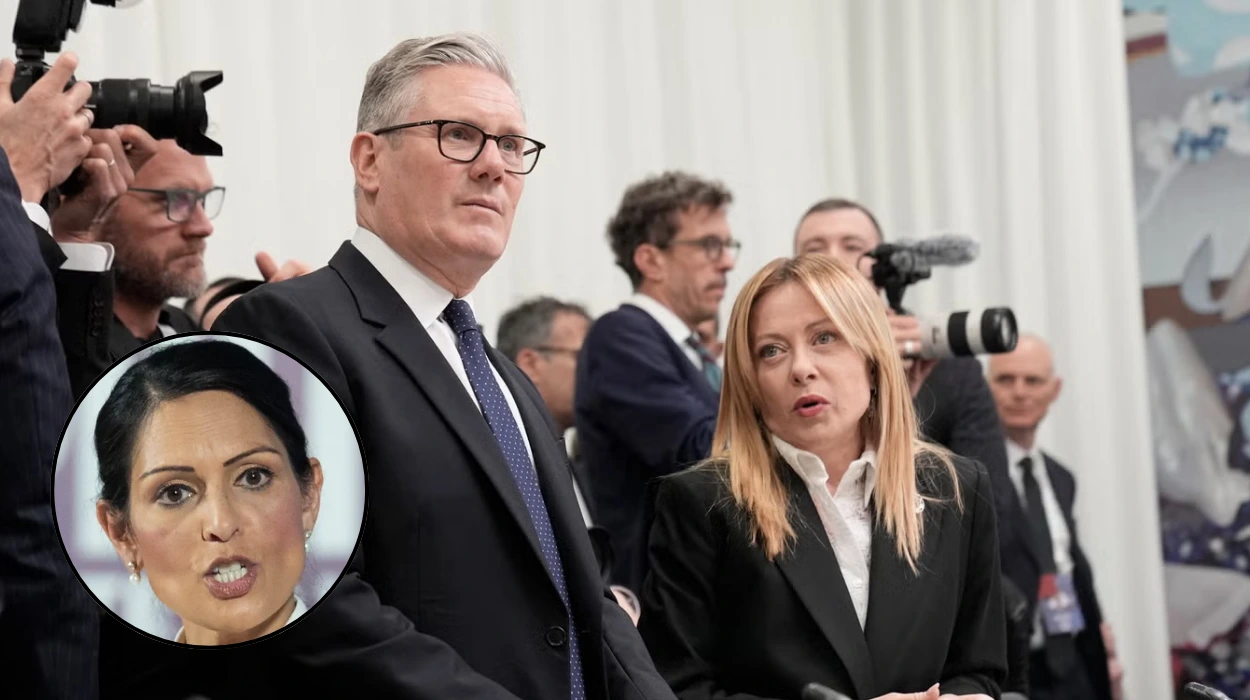
- Shadow foreign secretary Priti Patel accused the Prime Minister of planning “another undemocratic hit job on British taxpayers” by signing the UK up to a £1 billion annual payment to the EU.
- The row emerged as Starmer attended the European Political Community summit in Armenia for talks with EU leaders.
- Starmer also used the summit to advance Britain’s bid to join the EU’s 90 billion euro loan scheme for Ukraine, which he said would be good for UK-EU ties and British jobs.
- EU officials have indicated that any deeper access to the single market could require “pay to play” contributions.
- The European Council has already called for a “permanent mechanism” for an “appropriate financial contribution” for further single market access.
- Starmer has argued that Brexit has damaged the economy and said Britain should be “at the heart of a stronger Europe” on defence, security, energy and the economy.
- He has ruled out rejoining a customs union, although he says the UK could go further on single market alignment.
Armenia (Britain Today News) May 4, 2026 – Sir Keir Starmer is facing mounting political pressure after reports suggested the UK could be asked to pay around £1 billion a year into European budgets as part of his planned reset with the European Union.
Why is the row growing?
The dispute has sharpened because the reported payment would mark a significant shift in the post-Brexit relationship between London and Brussels. EU negotiators reportedly see financial contributions as a prerequisite for broader access to the single market, while UK ministers are said to view the demand as only an opening position in talks. That gap leaves Starmer vulnerable to criticism from opponents who say his approach risks reversing the spirit of Brexit without giving voters a fresh say.
The issue came to the fore while the Prime Minister was in Armenia for the European Political Community summit, where he was expected to hold talks with EU leaders. The timing is politically sensitive because it comes as Starmer continues to present a closer relationship with Europe as part of his wider foreign and economic strategy. His critics, however, are framing the debate as a matter of sovereignty, cost and democratic legitimacy.
What did Priti Patel say?
Priti Patel has been one of the loudest critics of the reported direction of travel. The shadow foreign secretary accused the Prime Minister of
“unpicking Brexit and planning another undemocratic hit job on British taxpayers by signing us up to a £1billion annual payment to the EU”.
Her intervention reflects a wider Conservative line that Labour’s reset risks weakening the terms secured after Britain left the EU.
The accusation is politically potent because it links three sensitive themes at once:
“Brexit, taxpayer money and Brussels influence. For opponents of the government, the idea of annual payments into EU structures can be presented as a symbolic return to obligations voters thought had ended in 2016”.
For Starmer, the challenge is to argue that the cost, if any, would be justified by economic and strategic gains.
What does Starmer want?
Starmer has been arguing for a deeper and more pragmatic relationship with the EU, especially in areas such as defence, security, energy and trade. In an article for The Observer, he said Brexit had damaged the economy and that
“Britain must be at the heart of a stronger Europe”
in key strategic areas. He has also called for “deeper economic integration” and said alignment with the single market could work where it benefits both sides.
At the same time, the Prime Minister has drawn a line at restoring a customs union. He said there was too much “water under the bridge”, particularly after the UK’s trade deals with the US and India, which would complicate any such move. That position suggests the government wants closer cooperation without reopening the entire Brexit settlement.
How much could the UK pay?
The amount under discussion is reported to be around £1 billion a year, although the exact figure remains part of negotiations. The EU negotiators view financial contributions as a condition for greater access to the single market. It also notes that the European Council has already said any wider access should involve an “appropriate financial contribution” that reflects the UK’s economic size and the scope of market participation.
The report compares the potential arrangement with Switzerland, which pays €375 million a year to the EU’s social cohesion fund in return for privileged access to the single market. That comparison is intended to show that financial contributions are not unusual in European trade arrangements, even if the political optics are difficult in Britain. The argument from Brussels appears to be that deeper participation in European systems comes with a financial cost.
Why is Ukraine part of this?
The Ukraine loan initiative has become an important part of the wider package because it gives the UK a possible route into closer cooperation with the EU on security and defence. Starmer used the Armenia summit to signal interest in joining the EU’s 90 billion euro loan scheme for Ukraine, saying it would be very good for UK-EU ties and for jobs in Britain. The scheme could create opportunities for British defence firms to bid for contracts in return for a financial contribution.
According to the report, that payment could reach up to £400 million and would be determined by the value of the contracts involved. It would come from the UK’s ringfenced £3 billion for Ukraine, according to the same report. That detail matters because it links the question of EU cooperation not only to trade, but also to Britain’s role in European security policy.
What happens next?
The government is expected to continue talks before more detailed negotiations begin at a summit with European leaders later this summer. The reported payment demand has not been confirmed as a final deal, and a government spokesperson declined to comment on the ongoing negotiations. That leaves the issue open, but politically combustible, because both sides are already setting out their lines before formal bargaining fully begins.
For Starmer, the bigger task is to persuade voters that a reset with the EU can be practical without appearing to undo Brexit by stealth. For his critics, the story offers a chance to argue that closer ties will always come at a price. The next phase of talks is likely to determine whether this becomes a limited technical arrangement or a major political fight over the future of Britain’s relationship with Europe.
Why does this matter politically?
This row goes beyond one payment figure because it touches the core question of what post-Brexit Britain should look like. Starmer is trying to sell a form of closer cooperation that avoids full re-entry into the EU structures that Brexit rejected. His opponents are attempting to portray any financial contribution as proof that Labour is edging back towards the European model voters left behind.
That makes the debate highly symbolic as well as financial. Even if the final amount changes, the language of “reset”, “pay to play” and “unpicking Brexit” is likely to dominate political coverage. In practical terms, the issue will test whether the government can secure economic or strategic gains from Europe without triggering a fresh backlash over sovereignty and public spending.