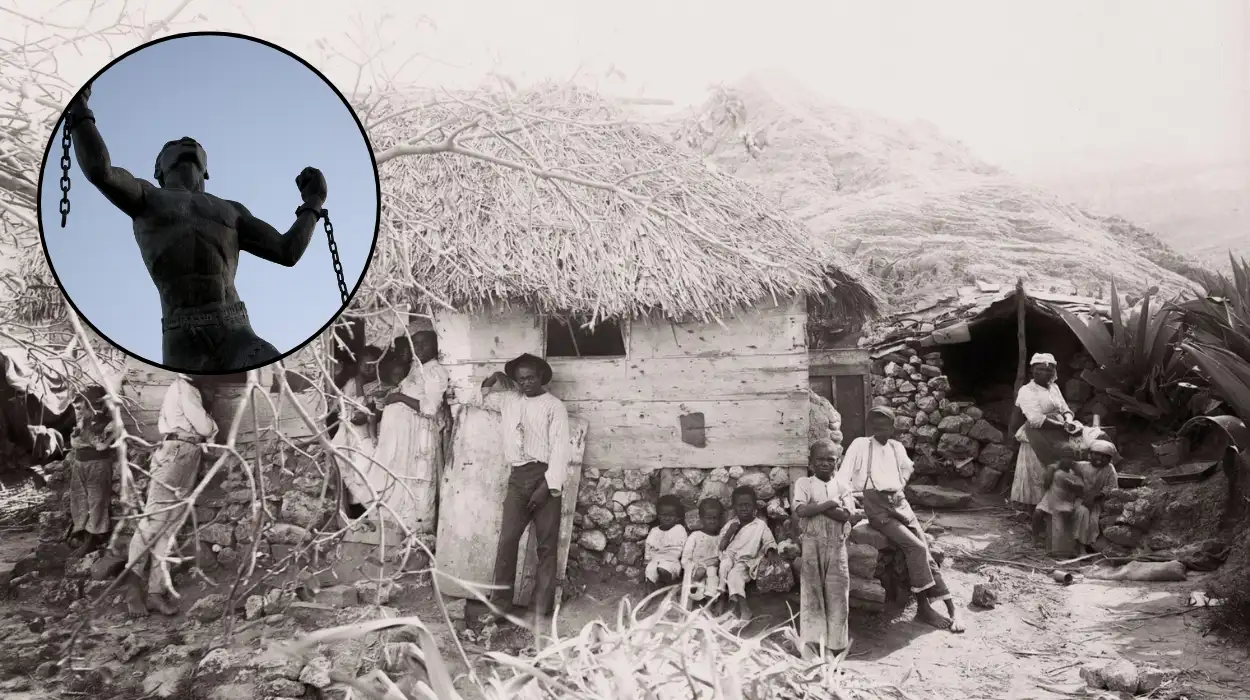
Key Points
- New research by international experts estimates Britain stole 25 million years of life and labour from enslaved Africans in Barbados over 200 years of chattel slavery.
- Damages to Barbados’s population of African descent estimated at up to US$2tn (£1.5tn), serving as a factual foundation for reconciliation dialogue, not a direct invoice.
- Research led by Coleman Bazelon of Public Interest Experts, building on his 2023 Brattle analysis included in a major reparations report.
- Barbados, Britain’s first major slave plantation colony from the early 1600s, saw 379,000 Africans arrive, 78,000 die in the Middle Passage, and 335,000 born into slavery.
- Labour value stolen: US$500bn to US$700bn; life stolen due to short lifespans: US$1.1tn to US$1.3tn, totalling US$1.6tn to US$2tn.
- After abolition on 1 August 1834, Britain paid £20m to enslavers, nothing to the enslaved.
- Barbados Minister for Pan-African Affairs Trevor Prescod calls for Afrocentric redress and plans cabinet ratification of the report.
- Professor Alan Lester of University of Sussex notes inequalities from slavery persist and have worsened.
- Wider Brattle analysis estimates US$100–131tn harms across 31 territories from transatlantic slavery.
- UN General Assembly resolution last month deemed chattel slavery the gravest crime against humanity; UK and many Europeans abstained.
- UK Prime Minister Keir Starmer has ruled out direct monetary reparations, open to non-cash forms.
- Heirs of Slavery co-founders David Lascelles and Alex Renton urge recognition of the debt, morally and practically.
Barbados (Britain Today News) – April 30, 2026 – A groundbreaking report by international experts has quantified the devastating toll of British chattel slavery in Barbados, estimating that the UK stole 25 million years of life and labour from enslaved Africans over two centuries. The study, led by economist Coleman Bazelon, pegs the damages at up to US$2tn (£1.5tn) for Barbados’s population of African descent. This figure underscores the magnitude of historical harm but is positioned not as a financial demand, but as a baseline for reconciliation talks.
- Key Points
- What Does the Research Reveal About Stolen Labour and Lives in Barbados?
- How Did Britain Compensate Enslavers After Abolition?
- Who Is Advocating for Reparations in Barbados Today?
- What Do Experts Say About the Scale of These Damages?
- What Is the International Response to Slavery as a Crime?
- Why Are Descendants of Enslavers Calling for Action?
- How Does This Fit into Broader Reparations Efforts?
Bazelon, head of the research team from the non-profit Public Interest Experts, emphasised the report’s purpose during its preview in Barbados earlier this month.
“This research is not creating an invoice for anybody to pay,”
Bazelon stated,
“It is an accounting of the harm that was done … a recognition of the harm that was done that is the starting point for reconciliation.”
What Does the Research Reveal About Stolen Labour and Lives in Barbados?
The report delves into meticulous calculations, breaking down the economic and human costs of slavery in Barbados, Britain’s oldest major slave plantation colony established in the early 1600s. Barbados played a pivotal role as a founding nation of the Caribbean Community (Caricom), which has long advocated for reparations.
As detailed by Bazelon, the value of uncompensated labour provided by enslaved people ranges between US$500bn and US$700bn. However, the analysis extends beyond wages to encompass the truncated lifespans of the enslaved.
“An enslaved person working in Barbados had much of their life stolen from them as well,”
Bazelon explained.
“The short lifespan estimate is anywhere from about US$1.1tn to US$1.3tn. So if you add them together you end up with a range of about US$1.6tn to US$2tn as the value of the labour and life directly stolen from people in enslaved Barbados.”
Demographic figures paint a stark picture: approximately 379,000 Africans survived the brutal Middle Passage to arrive in Barbados, while another 78,000 perished en route. Additionally, around 335,000 individuals were born into slavery on the island. These numbers, drawn from historical records, highlight the scale of human suffering that fuelled Britain’s colonial economy through sugar plantations.
This new study builds directly on Bazelon’s prior work as lead co-author of the 2023 Brattle Group analysis, incorporated into the comprehensive Report on Reparations for Transatlantic Chattel Slavery in the Americas and the Caribbean. That earlier analysis estimated chattel slavery impacted 19.9 million people across the Americas and Caribbean, including captives, those lost at sea, plantation workers, and their descendants.
How Did Britain Compensate Enslavers After Abolition?
Slavery’s formal end in British territories came on 1 August 1834, but the aftermath favoured the perpetrators. The British government disbursed £20m—equivalent to billions today—in compensation to enslavers for the loss of their “property.” The enslaved received no redress, perpetuating cycles of poverty and inequality.
Public Interest Experts commissioned Bazelon specifically to value
“the labour stolen through slavery in Barbados,”
as he recounted. This focus on Barbados amplifies its historical significance as the epicentre of Britain’s Caribbean slave operations.
Who Is Advocating for Reparations in Barbados Today?
Barbados’s Minister for Pan-African Affairs and Heritage, Trevor Prescod, addressed the research preview event, underscoring its urgency.
“You can’t erase history … My job is to give an Afrocentric redress to the imbalances that occurred during the period of slavery,”
Prescod declared. He announced the report’s forthcoming submission to the cabinet for ratification, stressing public involvement.
“I feel the public must walk with us to our destination … Many areas of progress that we were denied will be at the heart of our call and claims for reparations and reparatory justice.”
Prescod’s stance aligns with Caricom’s broader push, positioning Barbados at the forefront of global reparations discourse.
What Do Experts Say About the Scale of These Damages?
Professor Alan Lester, a leading authority on the British Empire at the University of Sussex, contextualised the findings.
“It’s not surprising that—when you add up the value of lives appropriated to make money in Barbados, Britain’s oldest slave plantation colony—you get such an enormous figure,”
Lester remarked. He highlighted enduring legacies:
“The inequalities entrenched by slavery have only been exacerbated since, as compensation was paid to slave owners rather than the enslaved and independence left Caribbean islands drained of capital and indebted to western institutions.”
The Brattle analysis provides even broader scope, estimating total harms from transatlantic chattel slavery across 31 territories at US$100–131tn. Of this, US$77-108tn stems from the enslavement period itself, with another US$77-108tn from ongoing repercussions.
This work followed an international symposium on reparations and international law, which deemed transatlantic slavery unlawful.
What Is the International Response to Slavery as a Crime?
Momentum has built globally. Last month, 123 nations at the UN General Assembly voted to classify chattel slavery as
“the gravest crime against humanity,”
paving the way for reparatory justice discussions. The US, Israel, and Argentina opposed the resolution, while 52 countries—including the UK and numerous European states—abstained.
UK Prime Minister Keir Starmer has maintained a cautious line, ruling out direct monetary payments but expressing openness to
“non-cash forms of reparatory justice”
for former colonies.
Why Are Descendants of Enslavers Calling for Action?
Groups like Heirs of Slavery, comprising descendants of British enslavers, are urging accountability. Co-founder David Lascelles, whose ancestor Henry Lascelles amassed a fortune in 18th-century Barbados, stated:
“My distant ancestor Henry Lascelles made his fortune in Barbados in the 18th century. Now, 300 years later, it’s high time we all recognise there is a debt to pay, a debt that is of course about money, but not just about money.”
Fellow co-founder Alex Renton echoed this:
“Addressing the legacies of this most terrible event in Britain’s modern history is the right thing for the nation to do, morally and practically.”
How Does This Fit into Broader Reparations Efforts?
The Barbados report emerges amid heightened calls for reparative justice, from Caricom’s 10-point plan to UN resolutions. It quantifies not just economic theft but profound human loss—25 million years of lives cut short, families shattered, and futures denied. While Bazelon insists it is no “invoice,” the figures compel confrontation with history’s unhealed wounds.
Critics may debate methodologies, yet the research’s rigour, rooted in historical data and economic modelling, demands engagement. For Barbados, independence in 1966 did little to reverse slavery’s drain; today’s leaders like Prescod seek systemic redress in education, health, and development.
Lester warns that ignoring such legacies sustains global inequities. As Britain reflects on its imperial past amid Commonwealth ties, this study—previewed in Bridgetown—invites a national reckoning. Will it spark dialogue, as Bazelon hopes, or remain another archival footnote?
The path forward hinges on political will. With UN backing and voices from all sides—from victims’ descendants to perpetrators’ heirs—the Barbados calculation stands as a clarion call. In a world grappling with historical injustices, from colonial debts to modern inequalities, this US$2tn ledger prompts: what price true reconciliation?