Key Points
- Hampstead Heath’s managing body, the City of London Corporation (CLC), recommends maintaining trans-inclusive access to the ladies’ and men’s ponds alongside facility upgrades.
- Recommendation follows a consultation with 38,445 responses, where 86% supported existing arrangements and only 13% favoured single-sex spaces.
- Ongoing scrutiny stems from a legal challenge by Sex Matters after the Supreme Court ruling that “sex” in equality law means biological sex.
- Maya Forstater, Sex Matters CEO, calls the policy “unlawful” and criticises allowing “fully intact males” into women’s facilities used by girls as young as eight.
- Existing policy since at least 2017 allows biological and trans women in the ladies’ pond, and biological and trans men in the men’s pond, consistent with prior Equality Act interpretation.
- CLC plans £1.08m upgrades to changing, showering, and toilet facilities at the three ponds: Kenwood Ladies’, Highgate Men’s, and mixed area.
- No final decision yet; informed by legal advice, equality assessments, and safeguarding; next discussions on 5 May by Hampstead Heath Consultative Committee, 12 May by Heath Committee, and 4 June by Policy and Resources Committee.
- Supreme Court judgement clarified “sex” refers to biological sex, not gender identity, prompting policy review.
Hampstead (Britain Today News) April 27, 2026 – The City of London Corporation (CLC), stewards of Hampstead Heath, has recommended preserving the current trans-inclusive access policy for its iconic ladies’ and men’s ponds while proposing significant upgrades to facilities, a move backed by overwhelming public support but facing sharp criticism amid legal tensions.
- Key Points
- What Triggered the Review of Hampstead Ponds Policy?
- Who Opposes the Trans-Inclusive Ponds Recommendation?
- What Upgrades Are Planned for the Bathing Ponds?
- How Will the Decision Process Unfold?
- Why Does the Consultation Matter So Much?
- What Does the Supreme Court Ruling Mean for Ponds?
- How Has Hampstead Heath Managed Ponds Historically?
- What Are the Broader Implications for UK Public Spaces?
The report, fresh from a comprehensive public consultation, underscores a preference for continuity at the Kenwood Ladies’, Highgate Men’s, and mixed bathing ponds. With 86% of 38,445 respondents favouring the status quo, the CLC emphasises alignment with expert legal advice and operational needs. Yet, the proposal arrives against a backdrop of controversy, ignited by last year’s Supreme Court ruling redefining “sex” under the Equality Act 2010 as biological rather than self-identified gender.
What Triggered the Review of Hampstead Ponds Policy?
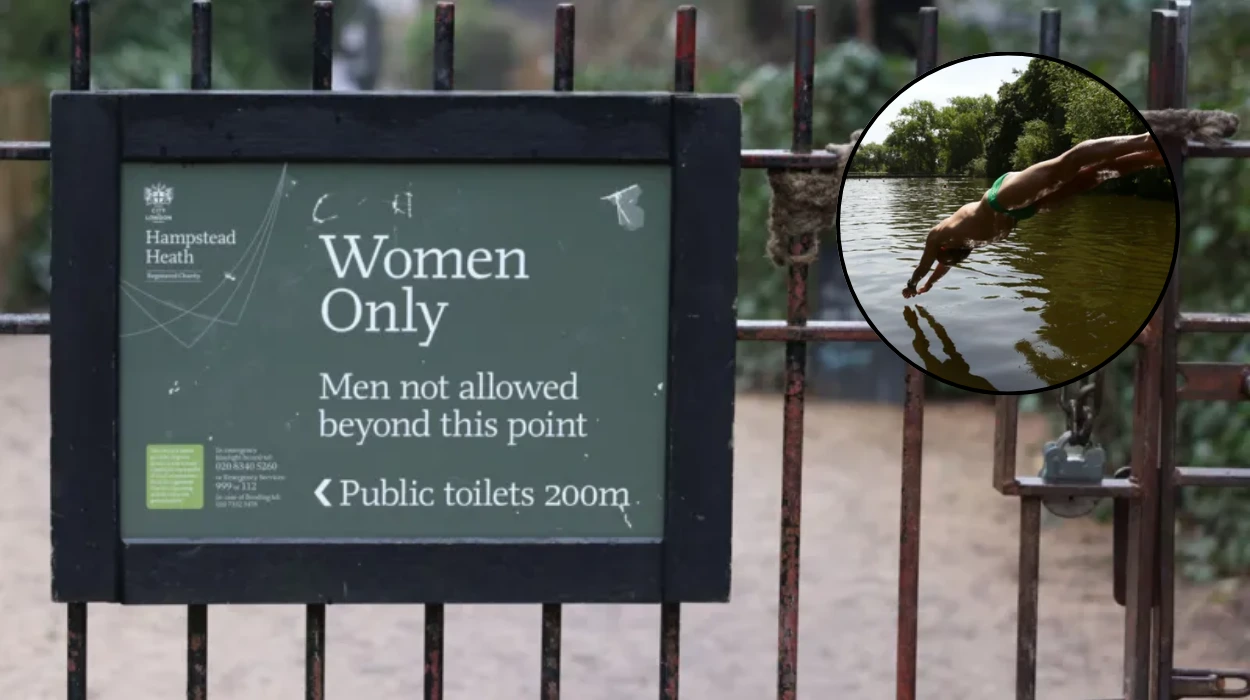
The push for scrutiny began with the landmark Supreme Court judgement, which clarified that equality law interprets “sex” as biological sex. Hampstead Heath, a cherished 320-hectare expanse in north London, operates three distinct ponds for bathing: the Kenwood Ladies’ Pond, Highgate Men’s Pond, and a mixed area. Under arrangements in place since at least 2017, the ladies’ pond welcomes biological females and trans women, while the men’s pond accommodates biological males and trans men.
This setup, once deemed compliant with the pre-ruling interpretation of the Equality Act 2010, came under review post-judgement. Members of the CLC agreed to reassess, launching a consultation in late September 2025 that closed on 25 November. Overseen by research firm Tonic, it drew an unprecedented 38,445 responses—published in January 2026—revealing strong endorsement for the existing model.
A CLC spokesperson outlined the process, noting that
“all options have been informed by our recent public consultation, expert legal advice, equality impact assessments, safeguarding responsibilities, and operational requirements.”
The corporation, managing Hampstead Heath as a registered charity, stressed no final decision has been reached.
Who Opposes the Trans-Inclusive Ponds Recommendation?
Opposition has crystallised around Sex Matters, a charity advocating for women’s sex-based rights. Chief executive Maya Forstater has been vocal, labelling the proposed policy “simply unlawful” and accusing the CLC of treating Hampstead Heath
“as if it is an enclave that is outside of the law.”
Forstater elaborated on specific concerns:
“The City of London is proposing to continue with its approach of allowing fully intact males into the women’s bathing pond, including changing rooms and showers which are used by girls as young as eight.”
She further contended,
“Despite the fact that the Equality Act and the Supreme Court expressly recognise that single-sex services are legitimate and lawful, the City of London says that restricting access to the open showers, changing and swimming areas by sex ‘would be disproportionate’ because it would affect men who identify as women.”
Sex Matters launched a legal challenge post-Supreme Court ruling, heightening the stakes. The charity’s stance highlights tensions between trans-inclusive practices and protections for biological females, particularly minors, in shared spaces.
What Upgrades Are Planned for the Bathing Ponds?
Beyond access policy, the CLC report proposes a robust £1.08 million investment in infrastructure. Enhancements target changing rooms, showers, and toilets across all three ponds, aiming to elevate safety, accessibility, and user experience.
These improvements respond to operational feedback and equality impact assessments, ensuring facilities meet modern standards without altering access rules. The mixed pond, already open to all, will benefit alongside the segregated ones, fostering an inclusive environment for Hampstead Heath’s diverse visitors—from locals to tourists drawn to its natural beauty.
The CLC views these upgrades as complementary to the policy recommendation, balancing heritage preservation with contemporary needs.
How Will the Decision Process Unfold?
Governance protocols dictate a structured path forward. The Hampstead Heath Consultative Committee, uniting local stakeholders, will discuss the report on 5 May 2026, offering feedback.
It then advances to the public meeting of the Hampstead Heath, Highgate Wood and Queen’s Park Committee on 12 May, followed by the Policy and Resources Committee on 4 June. Feedback from each stage carries forward, ensuring transparency.
A CLC spokesperson confirmed:
“As part of our formal governance process, the Hampstead Heath Consultative Committee… will discuss the paper and provide feedback… The report will then be put forward to Members… for decision, with feedback carried forward at each stage.”
This timeline allows scrutiny while adhering to charitable management duties.
Why Does the Consultation Matter So Much?
The consultation’s scale—38,445 responses—sets it apart, reflecting Hampstead Heath’s cultural significance. Launched amid national debates on gender and equality, it captured nuanced views: 86% backed current access, 13% sought single-sex exclusivity.
Tonic’s oversight ensured rigour, with results shaping the CLC’s stance. This public mandate counters critics, affirming broad acceptance of trans-inclusive arrangements rooted in 2017 practices.
What Does the Supreme Court Ruling Mean for Ponds?
The ruling, linking to broader equality law shifts, mandates biological sex considerations in services. Previously, certified gender sufficed; now, biological distinctions prevail, validating single-sex spaces where proportionate.
Hampstead’s policy review directly stems from this, yet the CLC deems restrictions “disproportionate” per assessments—prioritising inclusion informed by law.
How Has Hampstead Heath Managed Ponds Historically?
Since at least 2017, the ponds have operated trans-inclusively, aligning with then-prevailing Equality Act views. The ladies’ pond, a women-only haven since 1920s origins, integrated trans women; men’s followed suit.
This continuity, per the report, enjoys public favour, with upgrades set to modernise without overhaul.
What Are the Broader Implications for UK Public Spaces?
This saga mirrors national tensions post-ruling, influencing pools, gyms, and refuges. Hampstead’s outcome could set precedents for balancing rights, especially with minors involved.
Forstater’s warnings underscore safeguarding; CLC’s process prioritises evidence.
The ponds remain symbols of Hampstead’s liberal ethos, drawing swimmers year-round. As decisions loom, stakeholders watch closely.