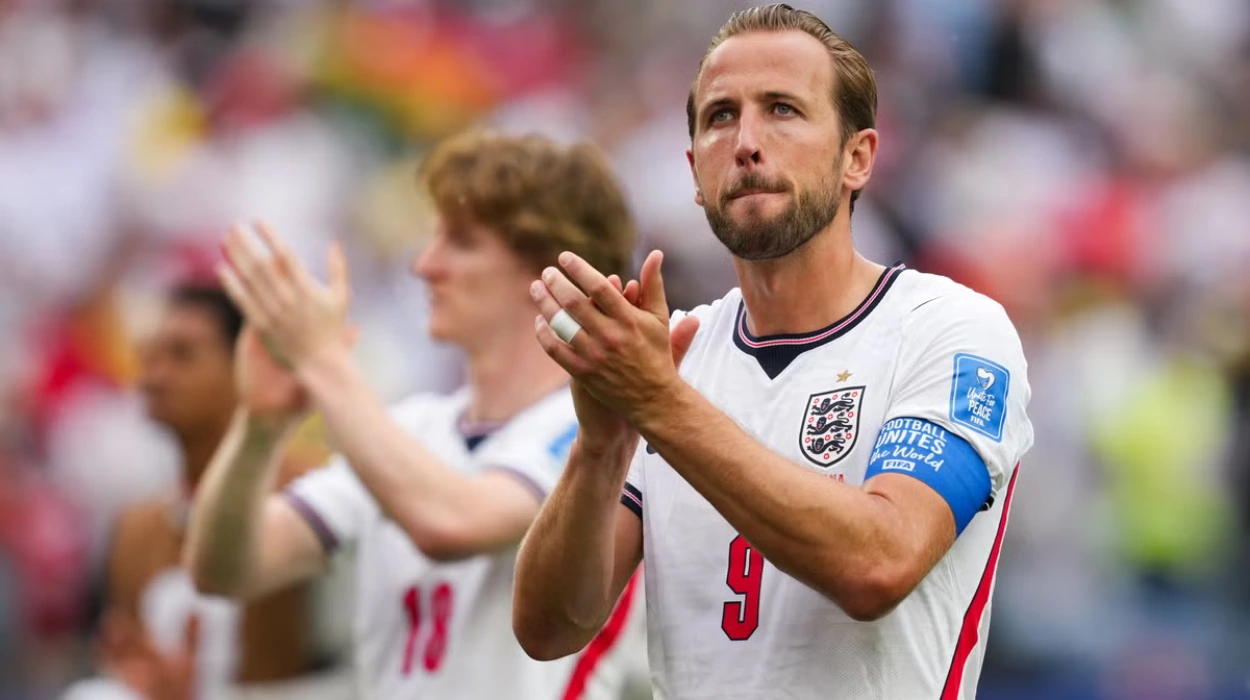
England will face Ecuador in the FIFA World Cup 2026 Round of 32 if current bracket projections hold; the opponent can change depending on final Group L and other groups’ outcomes before the final group matches conclude.
- Who is England scheduled to play in the Round of 32?
- What determines England’s actual Round of 32 opponent?
- Which teams could England possibly face (list of possible opponents)?
- How do bracket and third-place qualification rules work?
- What recent results and data led to the current projection that England face Ecuador?
- What are the dates, venue and kick-off details for the potential fixture?
- What are the tactical and logistical implications for England if they face Ecuador?
- What historical context should readers know about England in World Cup knockout phases?
Who is England scheduled to play in the Round of 32?
England is currently scheduled to play Ecuador on Wednesday 1 July in the Round of 32, subject to confirmation after the final group-stage matches conclude.
England occupy top spot in Group L after two matches and currently sit in the bracket slot that, as of the latest schedule, pairs the Group L winner with the runner-up or third-qualified team emerging from Group E (Ecuador is presently in that slot). The fixture date listed in media schedules is 1 July, with a kick-off time reported as 17:00 BST in Atlanta, though kick-off times and venues are finalised by FIFA after group-stage outcomes are confirmed.
What determines England’s actual Round of 32 opponent?
England’s final opponent depends on England’s finishing position in Group L and the confirmed finishing positions of teams in the groups that feed the bracket (notably Group E and Group K); bracket rules set these cross-group pairings.
The 2026 World Cup uses a fixed bracket where winners, runners-up and selected third-placed teams from specific groups map to predetermined Round of 32 slots. England finishing first, second, or third in Group L maps them to different bracket opponents: first-place Group L faces a team from Group E; second-place Group L faces the second-placed team from Group K; third-place outcomes follow the tournament’s best-third-team pairing rules. Final opponents are locked only after all group matches finish and FIFA confirms the bracket.
Which teams could England possibly face (list of possible opponents)?
Possible opponents include Ecuador, Senegal, Algeria, Austria, Portugal, and other qualifiers depending on Group L placement and third-place qualifiers; each listed team arises from specific group-finish scenarios.
Current media projections list Ecuador as the likely opponent if England finish top of Group L and bracket projections remain unchanged. Alternative opponents cited in reputable coverage include Senegal and Algeria, dependent on the outcomes of Group E and Group K matches and which third-placed teams qualify among the twelve third-place slots. If England finish second, Portugal (second in Group K) is a possible matchup; if England slip to third and qualify among the best third-placed teams, they could draw another bracket opponent determined by which third-placed teams progress.
How do bracket and third-place qualification rules work?
The tournament bracket pairs group winners with preassigned runners-up or third-place qualifiers; twelve third-placed teams are ranked and the top eight advance, with specific bracket slots assigned by which groups produce those third-placed qualifiers.
FIFA’s 48-team format advances 32 teams: 24 automatically (first and second from each group) and eight of twelve third-placed teams. Tournament regulations assign Round of 32 pairings in advance to group slots, but the exact identity of third-placed qualifiers is resolved after group-stage play, which in turn decides the final match-ups. Media outlets and broadcasters update projected brackets live as group outcomes evolve.
What recent results and data led to the current projection that England face Ecuador?
England have four points from two group matches and currently top Group L; Ecuador’s position in Group E and bracket mapping currently point to an England–Ecuador Round of 32 pairing in published schedules.
After two matchdays England’s four points placed them at the top of Group L, creating a bracket path where the Group L winner was shown to meet a qualifying side from Group E — Ecuador being the projected team in current bracket charts produced by sports media. These projections come from live bracket trackers maintained by outlets that combine match results and FIFA’s fixed bracket template. Final confirmation requires completion of the final group fixtures and FIFA’s bracket updates.
What are the dates, venue and kick-off details for the potential fixture?
If the current projection stands, the England vs Ecuador Round of 32 match is scheduled for Wednesday 1 July in Atlanta with a 17:00 BST kick-off time listed in media schedules; FIFA confirms venues and times after group-stage conclusion.
Broadcasters and major outlets list the match on 1 July in Atlanta with a 17:00 BST start, but FIFA’s official match schedule is definitive and sometimes adjusts kick-off times for broadcast and logistical reasons once all qualifying teams are known. Fans and media should consult FIFA’s official match list for final confirmation after group-stage completion.
What are the tactical and logistical implications for England if they face Ecuador?
An England–Ecuador match would require tactical preparation for Ecuador’s typical formation, travel logistics to Atlanta, and rotation planning given fixture congestion and recovery time; specifics depend on final squad lists and injury status.
Ecuador’s national team in recent cycles has favored quick wing play and dynamic transitions; England’s coaching staff will prepare specific scouting reports, player rotation plans, and recovery regimes based on match date and interval from the final group game. Logistical planning includes travel, training base arrangements near Atlanta, medical recovery windows, and adherence to FIFA’s match-day protocols. Media and sports science reports indicate teams typically plan rotation across group and knockout fixtures to manage player load.
Explore More about Sports:
Jude Bellingham Shines as Real Madrid’s Midfield Star
Jadon Sancho Latest News, Transfer Updates & Future
What historical context should readers know about England in World Cup knockout phases?
England reached the 2018 semi-finals and the 2022 quarter-finals in recent World Cups, showing consistent knockout phase presence and prompting high expectations for progression in 2026.
England’s FIFA World Cup performances in the 2010s–2020s include deep runs such as a semi-final appearance in 2018 and a quarter-final in 2022, establishing a pattern of strong squad depth and tournament experience; these historical results shape public expectations and media analysis for 2026. Historical context also includes England’s traditional reliance on a mix of Premier League-based players and tactical evolution under successive managers.