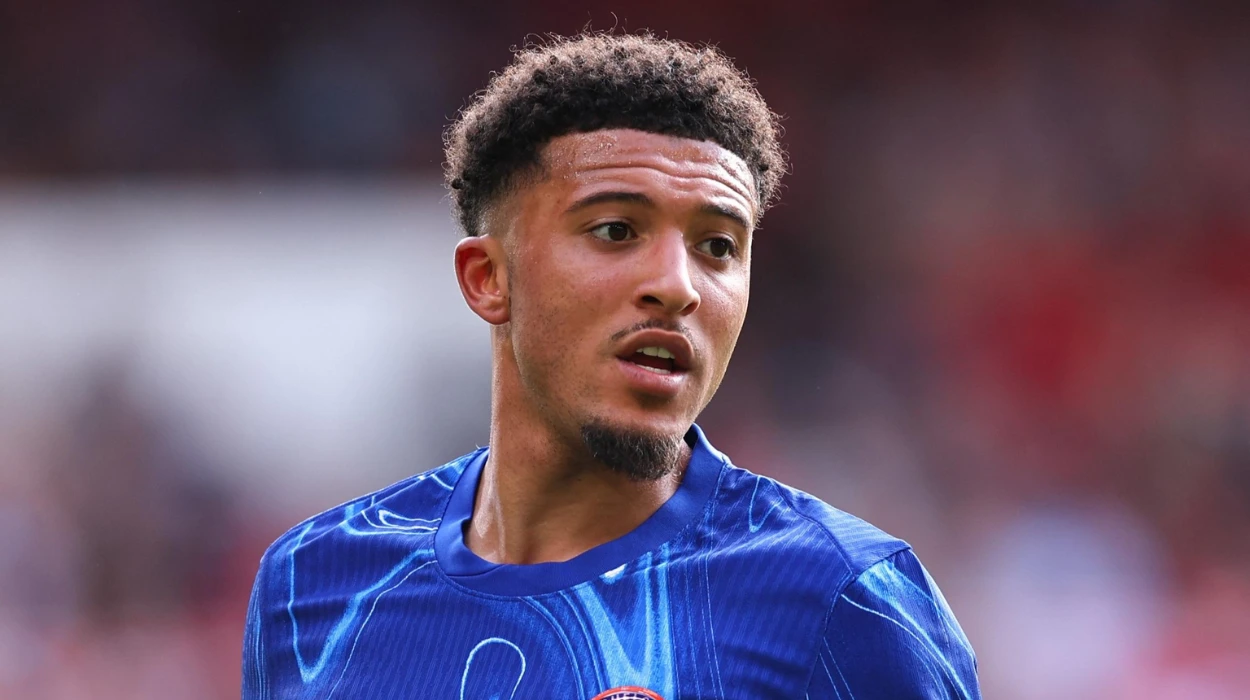
Jadon Sancho remains one of the most discussed English wingers in modern transfer reporting, because his career combines elite early promise, a major move to Manchester United, loan spells, and continuing uncertainty over his long-term club future. His next step depends on contract handling, market interest, wage demands, and whether a permanent transfer or another loan becomes the most realistic outcome.
Who is Jadon Sancho?
Jadon Sancho is an English professional footballer born on 25 March 2000 who plays as a winger and is known for pace, dribbling, creativity, and one-on-one attacking ability. He rose through youth football, broke through at Borussia Dortmund, and later returned to England in a high-value move to Manchester United.
Sancho first gained wide attention in Germany after leaving Manchester City’s academy for Borussia Dortmund, where he developed into a first-team regular and a major attacking threat. His style fits wide attacking roles because he carries the ball, links play, and creates chances from the flank. That profile made him one of the most closely watched young English players in Europe.
Why did Manchester United sign him?
Manchester United signed Sancho in 2021 because he offered proven elite-level production, top-flight experience, and a long-term solution on the wing. The club agreed a transfer worth £73 million, with Dortmund later confirming a fixed fee of €85 million.
The move was one of the biggest transfers in United’s recent history and followed several seasons of speculation. United wanted a player who could add goals, assists, and width in attack from the right side. The deal also reflected Sancho’s reputation as one of Europe’s most coveted young forwards at the time.
What has happened at United?
Sancho’s Manchester United spell has been defined by inconsistency, managerial tension, and multiple loan exits rather than a stable long-term breakout. Reports in 2025 and 2026 show United trying to manage his contract situation while also encouraging a permanent sale or a loan that protects value.
After returning from loan spells, Sancho remained linked with exits because United preferred a permanent deal while clubs explored loan terms. One report said United were considering whether to use a contract extension option to avoid losing him on a free transfer. That situation makes him a transfer-market asset as much as a squad player.
What is his latest transfer situation?
Sancho’s latest transfer picture centers on interest from Aston Villa, Borussia Dortmund, Juventus, Napoli, Roma, and other clubs, with wages and deal structure shaping every negotiation. Sky Sports reported Aston Villa discussions over a loan move, while other reports tracked Dortmund and Italian interest during the same window.
The market problem is simple: Sancho has strong name value, but his salary makes many clubs cautious. United have also preferred a permanent exit, which reduces the appeal for clubs that want lower-risk loan options. This creates a familiar transfer pattern in modern football: a talented player, a high wage, and a narrow set of clubs able to complete the deal.
Why do clubs keep showing interest?
Clubs continue to monitor Sancho because his technical quality, age, and Premier League and Bundesliga experience still fit elite recruitment standards. He is 25, has played at top clubs, and has shown that he can produce goals and assists in a strong league environment.
That combination matters in transfer planning. Clubs do not only buy current form; they also buy resale potential, tactical fit, and experience in pressure environments. Sancho still offers all three if the financial structure suits the buying club. His age also keeps him inside a prime-value bracket for a wide range of European teams.
What do the numbers say?
Sancho’s recent output shows a player who still contributes, even if he has not fully matched the expectations attached to his transfer fee. ESPN and FotMob both show meaningful attacking numbers from the 2024-25 season, including 3 goals and 4 assists in league play, with 31 Premier League appearances recorded in one statistical source.
Those figures matter because transfer decisions rely on current production, not just reputation. A winger who can still create chances and post end-product in a major league has a route back into the market, especially if a club structures a loan with an option or obligation. The statistics also support the idea that Sancho remains a usable professional attacker rather than a finished asset.
How has his career developed?
Sancho’s career has followed a clear arc: academy prospect, Bundesliga breakthrough, major Premier League transfer, and a period of recalibration through loans and contract uncertainty. He made his senior England debut in 2018 and quickly became known as one of the best young attacking talents in Europe.
At Dortmund, he built a reputation for direct dribbling and creativity in transition. At United, expectations were much higher because of the fee and the club’s need for a stable right-sided attacker. When that long-term fit did not fully materialize, the story shifted from development to recovery and valuation management.
What is his England future?
Sancho’s England future depends on playing time, form, and whether he becomes a regular starter at club level again. He last earned senior England recognition in earlier seasons, and his international profile remains tied to consistent club performances.
England squad selection normally rewards players who are active, productive, and tactically reliable at club level. For Sancho, the route back is straightforward: secure a stable club role, produce regular attacking numbers, and avoid the transfer limbo that has marked recent windows. If he does that, his national-team relevance remains alive.
Explore More about Sports:
England v New Zealand Head to Head Stats and Records Updated
Queens Tennis Live Scores, Draws, Fixtures and Highlights
What happens next?
Sancho’s future now depends on whether a club commits to a permanent transfer, whether United activate a contract option, and whether his preferred destination matches the financial reality of the market. Reports in 2025 and 2026 show the same core issue: clubs like his talent, but they hesitate over wages and overall package size.
The most realistic outcomes are a permanent sale, a loan with wage-sharing, or a contract-driven holding pattern if no club meets United’s terms. The story is less about a single final destination and more about leverage, timing, and value preservation. In modern football, that process often decides a player’s next chapter as much as his form does.
Why does this story keep changing?
Sancho’s situation keeps changing because football transfers are shaped by contract timing, salary structure, sporting fit, and club strategy, not just player reputation. United’s reported contract options and the ongoing interest from multiple leagues keep his name active in the market.
That is why Sancho remains a frequent headline even when there is no completed deal. Every window resets the same core questions: who pays the salary, who wants the risk, and who can unlock his best form? Until those answers line up, his future will stay one of the most watched transfer stories in European football.