Key Points
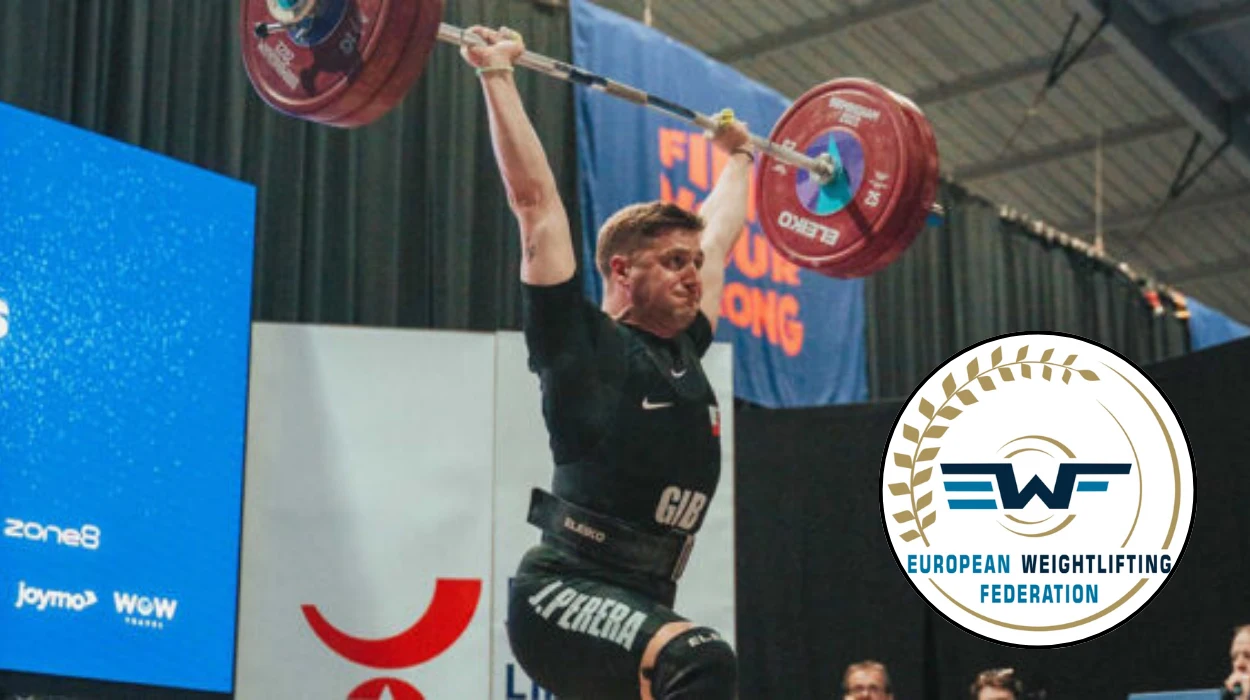
- Holly O’Shea, James Perrera, and Tom Appleton are three Gibraltarian weightlifters striving to qualify for the 2026 Commonwealth Games in Glasgow without backing from a governing body.
- The athletes have no funding, no sponsorship, no official facilities, and no governing association to support their weightlifting pathway on Gibraltar.
- All three competed at the 2026 EWF European Championships in Georgia, which doubled as a qualification event for the Commonwealth Games.
- Their results counted solely for Commonwealth Games ranking purposes and were not included in the official EWF European Championships standings.
- Participants included athletes from Home Nations, Crown Dependencies, and British Overseas Territories like Gibraltar, all under British Weightlifting jurisdiction.
- This event was the first of two major competitions before the British Championships, with the second still ahead.
- Formal steps to launch a Gibraltar Weightlifting Association are already underway, with notification understood to have been made to relevant authorities.
- James Perrera provided exclusive insight into the trio’s journey, responding directly to interview questions about their challenges and ambitions.
- The athletes aim to officially establish weightlifting as a recognized sport on the Rock of Gibraltar.
- Their path is unusual compared to typical Commonwealth Games qualifiers, who usually receive institutional support from national federations.
- The three weightlifters travelled to Georgia and later to the UK as part of their qualification bid.
- Their effort represents a grassroots, self-funded initiative to build a sporting discipline from scratch in Gibraltar.
- The 2026 Commonwealth Games will be held in Glasgow, Scotland, with weightlifting among the core sports.
- British Overseas Territories compete under British Weightlifting for Commonwealth ranking purposes even without full EWF federation membership.
- The athletes’ journey highlights the broader challenges faced by small territories in developing niche sports without institutional infrastructure.
Gibraltar (Britain Today News) June 1, 2026 – In a remarkable display of determination and self-reliance, three Gibraltarian weightlifters are paving the way for the official establishment of their sport on the Rock, competing without any governing body support, funding, or sponsorship as they chase Commonwealth Games qualification. Holly O’Shea, James Perrera, and Tom Appleton have embarked on an unusually difficult pathway, travelling to Georgia and later the UK to compete at the 2026 EWF European Championships, which served as a key qualification event for the 2026 Commonwealth Games in Glasgow. Unlike most athletes who benefit from national federations, funded facilities, and sponsor backing, these three weightlifters carry the entire burden themselves, driven by a shared vision to create a legitimate weightlifting association in Gibraltar.
- Key Points
- Why Are These Three Weightlifters Trying to Establish the Sport on the Rock?
- What Happened at the 2026 EWF European Championships?
- How Is the Process to Launch a Gibraltar Weightlifting Association Progressing?
- What Challenges Do These Athletes Face Without Institutional Support?
- Why Is the Commonwealth Games Qualification Important for Gibraltar Weightlifting?
- What Comes Next for the Three Weightlifters?
- How Does Their Journey Compare to Typical Commonwealth Games Qualifiers?
- What Impact Could Established Weightlifting Have on Gibraltar Sport?
- What Did James Perrera Say About Their Journey?
- Why Is This Story Important for Gibraltar Sports Development?
- What Can Supporters Do to Help?
Why Are These Three Weightlifters Trying to Establish the Sport on the Rock?
Holly O’Shea, James Perrera, and Tom Appleton have no governing association backing them, no funded facilities, and no sponsorship to support their training or travel. The three weightlifters have embarked on a pathway which they hope will lead to the official establishment of the sport on the Rock. Their motivation stems from a desire to create a sustainable sporting infrastructure for weightlifting in Gibraltar, a discipline that currently lacks formal recognition and institutional support on the territory.
James Perrera, who responded to interview questions about their journey, explained the unique challenges they face.
“For many athletes, qualification for the Games comes with the support of a governing body paving the way, but for us the path has been somewhat unusual, with a considerable burden to bear along the way,”
Perrera stated. This statement underscores the extraordinary nature of their endeavour, as they must simultaneously compete at elite level and build the administrative foundation for their sport.
What Happened at the 2026 EWF European Championships?
The 2026 EWF European Championships served as a critical qualification event for the 2026 Commonwealth Games in Glasgow. Athletes from Commonwealth Sport nations participated, including the Home Nations (England, Wales, Scotland, Northern Ireland), the Crown Dependencies (Guernsey, Jersey, and the Isle of Man), and the British Overseas Territories such as Gibraltar. These athletes competed under the jurisdiction of British Weightlifting, even if they did not represent an EWF full member federation.
Crucially, the participation of O’Shea, Perrera, and Appleton was solely for Commonwealth Games ranking purposes, and their results were not included in the official 2026 EWF European Championships standings. This distinction is important because it highlights that their primary objective was not European Championship glory but rather securing a pathway to Glasgow 2026. The event marked the first of two major competitions before heading to the British championships, with the second event still ahead of them.
How Is the Process to Launch a Gibraltar Weightlifting Association Progressing?
Since the European Championships, a clearer path has already started to form for the three athletes. The process to launch an association is already underway, with formal notification understood to have been made to the relevant authorities. This development represents a significant milestone in their journey, as establishing a formal governing body is essential for securing future funding, facilities, and official recognition.
The creation of a Gibraltar Weightlifting Association would allow the territory to field officially recognised teams in international competitions beyond the current arrangement where athletes compete under British Weightlifting for Commonwealth ranking purposes. It would also enable Gibraltar to develop local training programmes, recruit new athletes, and build a sustainable pipeline for the sport.
What Challenges Do These Athletes Face Without Institutional Support?
The challenges faced by O’Shea, Perrera, and Appleton are substantial. Without a governing body, they lack access to funded facilities, which means they must find and pay for their own training venues. The absence of sponsorship means all travel expenses, competition fees, equipment costs, and training expenses come from their personal pockets or private fundraising efforts.
Furthermore, the lack of institutional backing means there is no structured support system for sports science, nutrition, physiotherapy, or coaching that many nationally funded athletes receive. They must rely on their own research, personal networks, and sheer determination to prepare for elite-level competition. This self-funded, grassroots approach is exceptionally rare at the Commonwealth Games qualification level, where most athletes benefit from national investment.
As Perrera noted in his interview, the burden they carry is considerable, yet they remain committed to their dual mission of competing at the highest level and building the foundation for weightlifting in Gibraltar.
Why Is the Commonwealth Games Qualification Important for Gibraltar Weightlifting?
Qualification for the 2026 Commonwealth Games in Glasgow represents more than just personal achievement for O’Shea, Perrera, and Appleton. It serves as a catalyst for establishing weightlifting as a recognized sport on the Rock. Successfully qualifying would bring visibility to their efforts, potentially attracting sponsors, supporters, and government attention to the sport’s development needs.
The Commonwealth Games is one of the world’s premier multi-sport events, featuring athletes from over 70 nations and territories across the Commonwealth. For small territories like Gibraltar, competing at this level is a significant accomplishment that validates the effort and dedication of local athletes. Weightlifting is a core sport at the Commonwealth Games, making it an accessible and competitive discipline for athletes from smaller territories.
The participation of Gibraltar athletes under British Weightlifting jurisdiction, even without full EWF federation membership, demonstrates the unique pathway available to British Overseas Territories. This arrangement allows athletes from territories like Gibraltar to compete for Commonwealth Games ranking while their domestic associations are still being established.
What Comes Next for the Three Weightlifters?
The 2026 EWF European Championships was the first of two major events before the British championships. Since competing in Georgia, the three athletes now face the second qualifying event before heading to the British championships, which will be another critical step in their qualification journey. Each competition brings them closer to their goal of representing Gibraltar at the Commonwealth Games in Glasgow.
Simultaneously, the formal process to launch the Gibraltar Weightlifting Association continues. Once established, this association will provide the administrative framework needed to support future weightlifters, apply for funding, secure training facilities, and enter officially recognised teams in international competitions. The formal notification to relevant authorities suggests that the association is progressing through the necessary legal and administrative channels.
The athletes’ journey reflects a broader narrative about grassroots sports development in small territories. Without institutional support, they must rely on personal determination, community support, and strategic planning to achieve their goals. Their success could inspire other niche sports in Gibraltar to pursue similar pathways toward formal recognition.
How Does Their Journey Compare to Typical Commonwealth Games Qualifiers?
For most athletes competing at the Commonwealth Games, qualification comes with the support of a governing body that paves the way. National federations typically provide funding, coaching, facilities, sports science support, and administrative assistance. Athletes can focus on training and competition while their federation handles logistics, entry fees, travel arrangements, and accreditation.
In contrast, O’Shea, Perrera, and Appleton have no such association backing them, no governing body providing support, no funded facilities, and no sponsorship. They must manage every aspect of their competition journey themselves, from booking flights and accommodation to paying entry fees and sourcing training equipment. This self-reliant approach is exceptionally demanding and represents a significant barrier to entry for potential athletes in Gibraltar.
Their unusual pathway highlights the importance of establishing formal sporting infrastructure in small territories. Without a governing body, weightlifting in Gibraltar remains dependent on individual determination rather than sustainable systems. The establishment of the Gibraltar Weightlifting Association would change this dynamic, enabling future athletes to benefit from institutional support.
What Impact Could Established Weightlifting Have on Gibraltar Sport?
The official establishment of weightlifting on the Rock could have far-reaching impact beyond the three current athletes. A formal association would create opportunities for youth participation, talent identification, coaching development, and competition pathways. It would also allow Gibraltar to enter officially recognised teams in European and Commonwealth competitions, raising the territory’s sporting profile.
Weightlifting is a sport that can be developed with relatively modest infrastructure compared to team sports or facilities-heavy disciplines. A dedicated weightlifting gym, proper equipment, and qualified coaching could establish a sustainable programme. The success of O’Shea, Perrera, and Appleton in qualifying for the Commonwealth Games would demonstrate the potential for Gibraltar to compete at elite level in this discipline.
Furthermore, establishing weightlifting could inspire other niche sports in Gibraltar to pursue formal recognition. The territory has a history of successful sporting achievements in various disciplines, and adding weightlifting to the roster would diversify Gibraltar’s sporting portfolio. The grassroots effort of these three athletes could become a model for other emerging sports in the territory.
Explore More about Sports:
Calderdale Sports Clubs Launch Drive to Boost Women and Girls Participation as Women’s FA Cup Final Approaches
Arsenal Clear £300m in Prize Money as Kroenke Delivers Massive Transfer Promise
What Did James Perrera Say About Their Journey?
James Perrera provided exclusive insight into the trio’s journey, responding directly to interview questions about their challenges and ambitions. As reported in the local Gibraltar sport coverage, Perrera stated:
“For many athletes, qualification for the Games has come with the support of a governing body paving the way, but for these three athletes the path has been somewhat unusual, with a considerable burden to bear along the way”.
This quote encapsulates the unique nature of their endeavour. Perrera’s words highlight the contrast between their self-funded, grassroots approach and the institutional support typically available to Commonwealth Games qualifiers. His willingness to share their story demonstrates the athletes’ commitment to raising awareness about their cause and the need for formal recognition of weightlifting in Gibraltar.
Perrera’s response also underscores the personal investment all three athletes have made in this journey. They are not merely competing for personal glory; they are building something that will benefit future generations of Gibraltarian weightlifters. Their sacrifice and determination reflect a deep commitment to the development of sport on the Rock.
Why Is This Story Important for Gibraltar Sports Development?
This story represents a pivotal moment in Gibraltar’s sporting development. The efforts of O’Shea, Perrera, and Appleton demonstrate that elite-level competition is possible even without institutional support, but it requires extraordinary dedication and personal sacrifice. Their journey highlights both the potential and the limitations of grassroots sports development in small territories.
The establishment of a Gibraltar Weightlifting Association would mark a significant milestone in the territory’s sporting infrastructure. It would provide a formal framework for developing weightlifting, supporting athletes, and competing in international competitions with official recognition. The formal notification to relevant authorities suggests that this milestone is within reach.
Moreover, this story underscores the importance of supporting niche sports and emerging athletes in Gibraltar. Investment in sporting infrastructure, even for less popular disciplines, can yield significant returns in terms of community engagement, youth development, and international visibility. The success of these three weightlifters could catalyse broader investment in Gibraltar’s sporting programmes.
What Can Supporters Do to Help?
For those wishing to support O’Shea, Perrera, and Appleton in their journey, there are several meaningful ways to contribute. Public awareness of their efforts can help attract sponsors and donors willing to support the establishment of the Gibraltar Weightlifting Association. Community engagement, attending their competitions, and following their progress can build momentum for the sport’s development.
Financial support, even in small amounts, can help offset the substantial costs of travel, competition fees, and equipment. The athletes’ self-funded model means every contribution makes a tangible difference in their ability to compete at elite level. Additionally, advocating for governmental recognition and support for the Gibraltar Weightlifting Association can accelerate the formal establishment process.
The athletes’ journey demonstrates that sport development in small territories requires community support alongside individual determination. By backing O’Shea, Perrera, and Appleton, Gibraltar residents can help establish a sustainable sporting legacy that will benefit future generations.