Key Points
- Reform UK launched a competition offering free energy bills for a year, including entire streets, announced by Nigel Farage on Tuesday.
- Entrants must provide name, email, telephone number, past voting choice, and intended future vote.
- Experts warn this breaches UK data protection laws, particularly transparency and data minimisation principles under UK GDPR.
- Political opinions count as sensitive personal data requiring stricter protection.
- Mariano delli Santi of Open Rights Group calls for ICO investigation into the party’s data practices.
- Privacy barrister Eleonor Duhs questions necessity of collecting voting data for a raffle purpose.
- An anonymous lawyer highlights excess data collection beyond raffle needs.
- Reform UK spokesperson defends the contest as legal and compliant with electoral laws, emphasising their energy bill cut policy.
London (Britain Today News) March 17, 2026 – Reform UK, led by Nigel Farage, has ignited controversy with a lottery promising free energy bills for a year, as lawyers and data experts flag potential breaches of UK data protection laws.
- Key Points
- What Triggered the Data Privacy Concerns in Reform UK’s Raffle?
- How Does UK GDPR Apply to Political Data in Competitions Like This?
- What Is Reform UK’s Defence Against These Legal Warnings?
- Why Did Nigel Farage Launch This Controversial Energy Bills Lottery?
- Could the ICO Investigate Reform UK Over This Data Collection?
- What Broader Implications Does This Hold for Political Raffles and Data Use?
- How Does Reform UK’s Energy Policy Tie Into the Raffle’s Purpose?
- What Electoral Laws Govern Such Competitions and Voter Incentives?
- Who Are the Key Experts Warning Reform UK on Data Practices?
- What Happens Next for Reform UK’s Competition Amid Backlash?
The competition, unveiled by Farage on Tuesday, invites Britons to register via a website for a chance to cover their energy costs and those of their entire street. However, participants must reveal sensitive details including their voting habits from the last election and intentions for the next, prompting sharp criticism over transparency and legality. Mariano delli Santi, legal and policy officer at Open Rights Group, stated:
“Reform are asking the public to hand over sensitive data about their voting habits without being transparent about how it will be used.”
Delli Santi emphasised this violates transparency obligations under UK data protection law. He added:
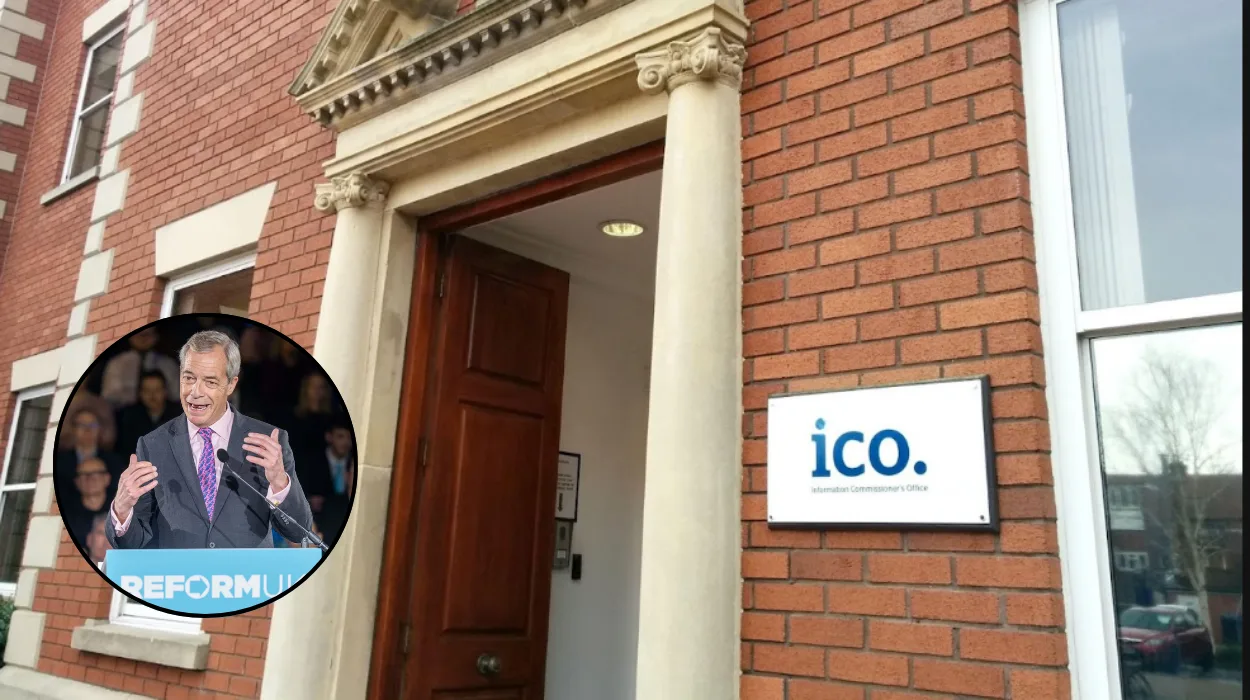
“Political opinions are among the most sensitive types of personal data, and voters must be able to engage in campaigns without feeling pressured to trade their privacy for the chance of material benefit. The Information Commissioner’s Office [ICO] must investigate and take a stand against political parties exploiting data in this way.”
What Triggered the Data Privacy Concerns in Reform UK’s Raffle?
Privacy barrister Eleonor Duhs echoed these worries, noting:
“You have to be clear, open and honest about how and why you are collecting data and you shouldn’t be collecting more data than you need. If you say your purpose is a raffle, why are they asking for people’s voting intention? That seems to go beyond the purpose of the raffle.”
Duhs highlighted UK GDPR categories, where political opinions receive heightened protection. She questioned:
“There is a question mark about on what basis are they processing this data. The basis of which you can process this more sensitive data is very restrictive. I agree with the Open Rights Group.”
A second lawyer, speaking anonymously, reinforced the data minimisation principle:
“One key principle is data minimisation which means data should only be collected that is necessary for the purposes – Reform should only be collecting what they need for the purposes of the prize draw. The form does ask for a number of datasets beyond which might be treated as necessary, such as political parties they intend to vote for or have voted for.”
Entrants must provide name, email, and telephone number alongside these voting details, raising alarms about excess collection.
How Does UK GDPR Apply to Political Data in Competitions Like This?
Under UK GDPR, political opinions qualify as special category data, demanding explicit consent or another strict lawful basis for processing. Experts argue Reform UK’s approach falls short, as the raffle’s stated goal—advertising a policy to slash energy bills—does not justify harvesting voting intentions. The Open Rights Group has long campaigned against such practices, urging the ICO to scrutinise political data handling. Delli Santi’s call for investigation aligns with past ICO actions against firms mishandling voter data, underscoring risks of fines up to 4% of global turnover for serious breaches.
Duhs, a barrister specialising in privacy, pointed to purpose limitation: collecting voting data strays from raffle execution, potentially rendering processing unlawful. The anonymous lawyer’s focus on minimisation cites ICO guidance, which mandates proportionality—name and contact suffice for prize draws, not electoral leanings. This blend of competition and profiling has experts warning of broader risks to voter privacy.
What Is Reform UK’s Defence Against These Legal Warnings?
A Reform UK spokesperson dismissed the concerns, asserting:
“We are entirely confident that this competition is legal. Reform UK is the only party serious about cutting energy bills.”
The party also confirmed compliance with electoral laws, which prohibit bribing voters. This defence frames the raffle as policy promotion, tying into Farage’s longstanding push against high energy costs. Reform UK positions itself as the sole serious contender on bills, amid broader debates on net zero policies driving prices. The spokesperson’s statement addresses bribery rules under the Electoral Commission’s remit, insisting no quid pro quo exists despite data exchange for entry.
Why Did Nigel Farage Launch This Controversial Energy Bills Lottery?
Nigel Farage announced the lottery on Tuesday as a bold advertisement for Reform’s energy policy. He encouraged sign-ups, promising relief from soaring bills—a hot-button issue post-energy crisis and winter price hikes. Farage, Reform UK leader, has railed against green levies and reliance on intermittent renewables. The raffle amplifies this, targeting disillusioned voters while gathering data to refine targeting. Critics see it as a gimmick veiling data harvesting, but supporters view it as innovative outreach in a crowded field.
Could the ICO Investigate Reform UK Over This Data Collection?
Delli Santi explicitly urged ICO action, citing exploitation risks. The ICO, as UK data watchdog, has probed political parties before, fining those flouting GDPR. Past cases include Conservative Party fines for data breaches and Labour scrutiny over canvassing. Reform’s raffle, blending competition with profiling, could prompt similar review if complaints surge. Experts like Duhs anticipate basis challenges—legitimate interest might not cover special category data without safeguards.
What Broader Implications Does This Hold for Political Raffles and Data Use?
This episode spotlights tensions between campaigning innovation and privacy rights. As elections loom, parties increasingly leverage digital tools, but GDPR curbs excess. Reform’s tactic—tying prizes to data—mirrors global trends, yet UK laws demand transparency. Voters face dilemmas: share sensitive info for benefits or abstain. The raffle’s street-wide prize adds communal appeal, potentially pressuring participation, as delli Santi warned against privacy trades.
How Does Reform UK’s Energy Policy Tie Into the Raffle’s Purpose?
Farage pitches bill cuts via pragmatic energy mix—gas, nuclear, North Sea revival—rejecting Labour’s green push. The competition spotlights this, contrasting with rivals’ stances. Reform claims sole seriousness, using the raffle to build email lists for policy advocacy, though experts question if this justifies data scope.
What Electoral Laws Govern Such Competitions and Voter Incentives?
Reform insists compliance with rules banning inducements. The Electoral Commission oversees, prohibiting treats for votes. The spokesperson confirmed adherence, distinguishing raffle entry from voting pledges—data is voluntary, prize random. Yet, critics probe if implied pressure breaches spirit, especially with voting questions.
Who Are the Key Experts Warning Reform UK on Data Practices?
Mariano delli Santi of Open Rights Group leads transparency breach claims and ICO calls. Eleonor Duhs, privacy barrister, questions purpose and GDPR basis. An anonymous lawyer stresses minimisation failures. Their voices, from digital rights and legal circles, amplify scrutiny.
What Happens Next for Reform UK’s Competition Amid Backlash?
No halt announced; Reform stands firm. Public reaction, ICO response, or complaints could shift trajectory. As data flows in, monitoring intensifies. Farage’s party eyes growth, but legal clouds loom. This saga underscores digital campaigning’s pitfalls in a privacy-conscious era.