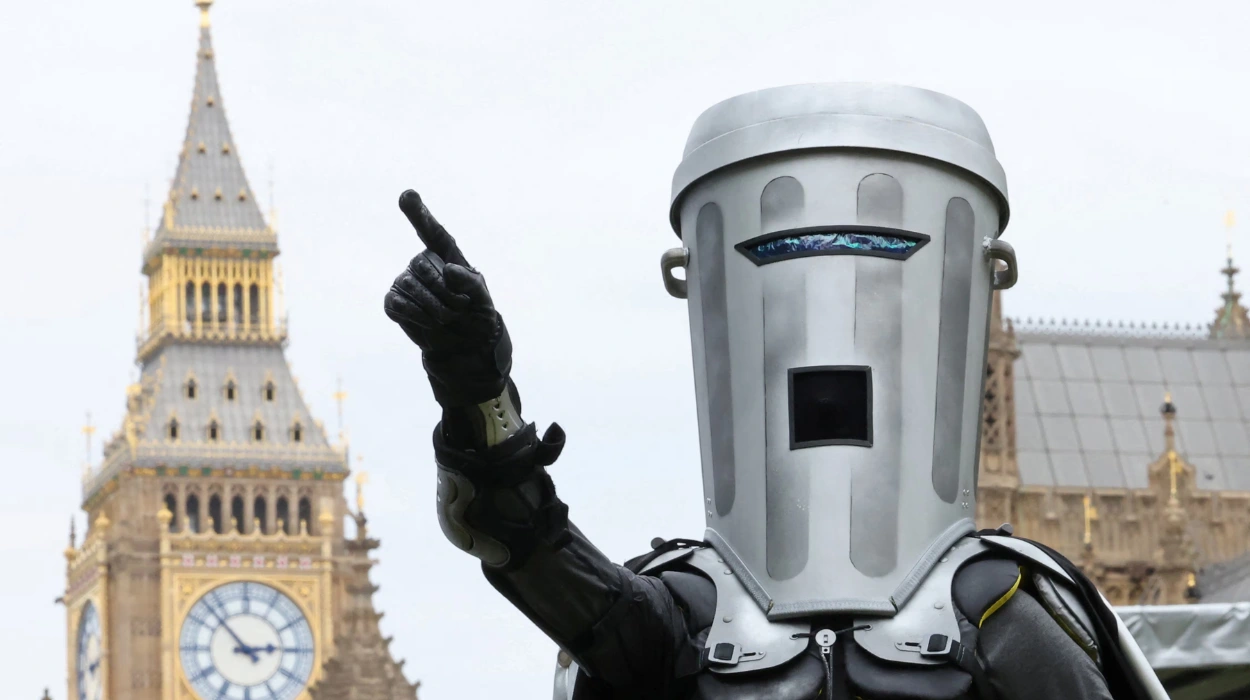
Count Binface is a British satirical political character created and played by comedian Jonathan David Harvey, who stands in UK elections as an “intergalactic space warrior” independent candidate to parody politics while highlighting real policy issues.
- What is the meaning behind the name “Count Binface”?
- How did Count Binface originate?
- What is Count Binface’s background and who is Jonathan Harvey?
- In which UK elections has Count Binface stood as a candidate?
- What are Count Binface’s main policies and manifesto pledges?
- How does Count Binface fit into the history of British joke and costume candidates?
- What is Count Binface’s political role and impact on UK democracy?
- How do voters and media respond to Count Binface?
- What are some notable moments from Count Binface’s election campaigns?
- How is Count Binface perceived in terms of legitimacy and electoral rules?
- What is Count Binface’s broader cultural significance for British politics?
- Why does Count Binface matter for future UK elections?
Count Binface is a costumed political candidate in the United Kingdom who appears on ballot papers in real elections. He wears a metallic, bin‑shaped helmet and cape, and describes himself as an “intergalactic space warrior” from a fictional planet. His creator, Jonathan David Harvey, is a British writer and comedian who uses the character to contest high‑profile elections, including London mayoral races and parliamentary contests against prime ministers. Count Binface consistently runs on humorous but structured manifestos that mix absurd pledges with pointed commentary on public services, living costs, and political accountability.
What is the meaning behind the name “Count Binface”?
The name “Count Binface” combines a mock aristocratic title with a reference to a rubbish bin to symbolise a comic, outsider figure who “takes out the trash” in politics and satirises elite power, waste, and poor governance in the United Kingdom.
The word “Count” imitates European noble titles and exaggerates the tradition of grand political figures, turning it into deliberate parody. The word “Binface” refers directly to a dustbin, mirroring the metal bin‑shaped helmet that covers the character’s face during campaigns. This visual and linguistic combination presents the candidate as both absurd and critical, mocking inflated political egos and institutional waste. In media interviews for London mayoral elections, Count Binface repeatedly links his persona to the slogan “time to take the trash out,” reinforcing the idea that the character exists to clean up perceived political mess. The comedic naming strategy places him in the long British tradition of silly but pointed political satire.
How did Count Binface originate?
Count Binface originated as a rebranded version of the satirical candidate Lord Buckethead, after comedian Jonathan Harvey received a copyright complaint from the original film creator and adopted a new bin‑themed identity to continue his electoral satire.
Jonathan David Harvey first gained attention in UK politics when he stood as Lord Buckethead in the 2017 general election against then‑Prime Minister Theresa May in Maidenhead. Lord Buckethead came from the 1984 science‑fiction comedy film “Hyperspace,” whose creator Todd Durham owned the rights to the character. After the 2017 election, Durham asserted copyright over Lord Buckethead, leading to a dispute about continued use of the persona. To resolve the issue and maintain his political satire, Harvey created Count Binface as a distinct, original character with a similar concept but a new design and name. The new identity appeared publicly in subsequent elections, preserving the tradition of a helmeted, space‑themed candidate while avoiding copyright conflict.
What is Count Binface’s background and who is Jonathan Harvey?
Jonathan David Harvey is a British comedian, writer, and performer who created Count Binface as a recurring electoral character; his background in comedy and television writing shapes the satirical style, scripted speeches, and structured manifestos of Count Binface’s campaigns.
Jonathan Harvey works primarily in entertainment and political satire, using long‑form sketches, scripted bits, and staged appearances to build the character’s narrative. As Count Binface, he presents himself as an “independent space warrior” with a fictional biography that includes intergalactic origin stories, while Harvey handles writing, policy jokes, and media strategy. His experience in comedy allows him to deliver sharp one‑liners in live election counts, interviews, and viral clips, especially when standing alongside mainstream party leaders. Harvey’s performance background also enables careful timing, ensuring that the character respects electoral rules while maximising media attention and social media shareability. This professional structure distinguishes Count Binface from purely spontaneous joke candidates and turns him into a repeat player in UK political theatre.
In which UK elections has Count Binface stood as a candidate?
Count Binface has stood in multiple UK elections, including London mayoral contests and parliamentary seats against high‑profile figures such as Boris Johnson and Rishi Sunak, ensuring recurrent visibility in both local and national British politics since 2018.
Count Binface’s electoral appearances include several London Mayoral elections, where he competes alongside major party candidates under the Greater London Authority framework. In the 2021 London mayoral election he finished ninth, and he announced a renewed campaign for the 2024 election, describing his goal as achieving a “Champions League spot,” meaning a higher‑mid table position in the results. On the parliamentary stage, he has run in Boris Johnson’s former constituency of Uxbridge and South Ruislip twice, and later stood against Rishi Sunak in Richmond and Northallerton at the 2024 UK general election. He has also contested by‑elections such as the Makerfield seat in England, sharing the ballot with a field of over ten candidates and gaining national media coverage during counts and interviews.
What are Count Binface’s main policies and manifesto pledges?
Count Binface’s manifestos combine humorous pledges and genuine policy themes, including caps on snack prices, symbolic climate and water‑quality actions, restoration of older media services, and promises about affordable housing, each framed to criticise mainstream parties and current public policy.
In multiple campaigns, Count Binface has pledged to cap the price of a Quavers packet at 1.10 pounds and ensure that 99 Flake ice creams cost exactly 99 pence, using everyday treats to highlight inflation and cost‑of‑living concerns. He has proposed building at least one “affordable house,” a deliberately small but measurable commitment designed to contrast with vague housing targets from major parties. On environmental issues, he has declared that water company executives should be required to swim in Britain’s rivers to experience pollution levels firsthand, drawing attention to sewage discharges and regulatory enforcement. In local campaigns such as Makerfield, he has promoted the return of Ceefax, the historic teletext information service, and suggested humorous penalties like making cyclists who break the Highway Code ride unicycles, combining nostalgia, safety messaging, and satire. These policy lists are structured like conventional manifestos but deliberately exaggerate and simplify issues to expose perceived contradictions in existing political promises.
How does Count Binface fit into the history of British joke and costume candidates?
Count Binface continues a long British tradition of joke and costume candidates, including figures from the Official Monster Raving Loony Party and other costumed independents, who appear on stage with major politicians at election counts to inject satire and visual humour into the democratic process.
British elections have featured comic or costumed candidates for decades, with parties like the Official Monster Raving Loony Party fielding eccentric figures to parody mainstream politics. These candidates typically adopt exaggerated names, colourful outfits, and surreal policies to entertain voters and challenge political seriousness. Count Binface occupies a similar space, sharing the stage at counts with representatives of the main parties during televised result declarations. Media coverage often groups him with other costume candidates, such as characters dressed as foxes or loonies, emphasising the “proud history” of such figures in UK political culture. This tradition depends on permissive nomination rules and a culture that accepts visibly eccentric candidates standing alongside prime ministers, cabinet ministers, and local leaders.
What is Count Binface’s political role and impact on UK democracy?
Count Binface plays a satirical political role by using elections as a stage to criticise policy failures, highlight voter frustrations, and humanise televised counts, without seeking governing power; his impact lies in visibility, humour, and agenda‑setting rather than votes or formal office.
Count Binface’s vote shares remain small compared with major party candidates, so his influence does not derive from seat wins or legislative authority. Instead, he leverages the visibility of standing against high‑profile figures such as Boris Johnson and Rishi Sunak to draw media attention to specific issues, from river pollution to household costs. Television networks and digital outlets frequently feature clips of his interviews, costumes, and manifesto highlights, which circulate widely on social platforms and introduce political topics to audiences who might not watch standard campaign coverage. The presence of a visibly comic figure on stage during serious announcements also softens the tone of election nights, illustrating the openness of the British electoral system to non‑traditional candidates. By parodying vague pledges and unrealistic promises, Count Binface indirectly pressures mainstream parties to clarify messaging and confront uncomfortable questions about performance, spending, and accountability.
How do voters and media respond to Count Binface?
Voters and media respond to Count Binface with a mix of amusement, curiosity, and respect for his consistency; broadcast networks regularly interview him, and social users share clips that describe some appearances as “peak” or “greatest” moments of election coverage.
In field reports and social media posts, journalists and commentators often describe Count Binface as entertaining yet surprisingly articulate about underlying policy themes. A Sky News interview with him during recent coverage was labelled by observers as among the “greatest” or “peak” moments on British television, reflecting public appetite for levity within political reporting. Broadcasters such as Reuters and the BBC include him in explainer segments about unusual candidates, treating his participation as a noteworthy feature of the UK electoral landscape. Local observers in constituencies like Makerfield describe the person behind the mask as clever and thoughtful, acknowledging his humour while recognising the seriousness of some messages about public services and democratic dissatisfaction. This dual response helps sustain his media relevance across multiple elections, enabling his character to function as both comic relief and a recognisable political brand.
What are some notable moments from Count Binface’s election campaigns?
Notable moments from Count Binface’s campaigns include standing beside Theresa May, Boris Johnson, and Rishi Sunak at vote counts, delivering viral interviews, and unveiling memorable pledges on snack prices, ice‑cream caps, and river‑swimming for water executives during televised and online coverage.
One early defining moment came when Jonathan Harvey, then performing as Lord Buckethead, appeared on stage next to Theresa May during the 2017 general election result, creating an iconic image of a helmeted figure alongside a sitting prime minister. As Count Binface, he later replicated this visibility by standing against Boris Johnson in Uxbridge and South Ruislip and then against Rishi Sunak in the Richmond and Northallerton constituency, again ensuring high‑profile photographs during declarations. Reuters footage from the 2024 general election shows Count Binface explaining his manifesto in full costume, highlighting pledges on Quavers price caps, 99 Flake ice‑cream pricing, and compulsory swims for water executives, which gained global online reach. In local contests such as the Makerfield by‑election, his presence among more than a dozen candidates turned otherwise routine coverage into shareable clips, reinforcing his reputation as a fixture of British political nights.
How is Count Binface perceived in terms of legitimacy and electoral rules?
Count Binface is a legally recognised candidate in UK elections who complies with nomination rules and deposits, so electoral authorities treat him as legitimate on ballot papers even though his character and policies are overtly satirical and comedic.
UK electoral law allows any qualifying individual who pays a deposit and secures the required number of local signatures to stand as a candidate, regardless of costume, stage persona, or satirical branding. Count Binface fulfils these conditions in parliamentary and mayoral elections, so returning officers include his name and description on official documents and allow him to appear at counts with other candidates. The Electoral Commission does not differentiate between serious and joke candidacies in its administrative procedures, focusing instead on compliance with deadlines, spending regulations, and campaigning rules. This neutral framework enables characters like Count Binface to participate fully, which in turn demonstrates the openness of British democratic processes to unconventional forms of political expression. Media outlets therefore report his results and vote totals alongside those of major parties, even when treating his presence as humorous.
Explore More about Politics:
Thangam Debbonaire Net Worth, Age, Family & Political Role
Cameron Thomas MP Suspended After Police Investigation
What is Count Binface’s broader cultural significance for British politics?
Count Binface functions as a cultural symbol of British political satire, representing the public’s willingness to laugh at leaders, question institutions, and use elections as a platform for humour, protest, and commentary rather than purely partisan competition.
British political culture has a long history of combining formal constitutional procedures with informal traditions of ridicule and parody. Count Binface embodies this fusion by translating stand‑up sensibilities into ballot‑box performance, turning nominations, manifestos, and televised counts into comedic material without breaking the rules of the system. His recurring presence signals enduring public appetite for alternative voices that are neither conventional protest parties nor extremist movements, but rather satirical critiques of everyday frustrations such as train delays, local services, or rising prices. Because he addresses topics like climate, water quality, and cost of living in simplified, exaggerated form, his campaigns also help familiarise disengaged citizens with policy debates, making complex issues feel accessible through humour. This role aligns with wider traditions of British satire in television, print, and online media, where laughter often serves as a gateway to political engagement.
Why does Count Binface matter for future UK elections?
Count Binface matters for future UK elections because his continued presence reinforces voter engagement through satire, showcases the flexibility of British electoral rules, and offers a recurring, recognisable reference point for discussions about protest voting, political humour, and public distrust of traditional parties.
As long as he stands in high‑profile contests, Count Binface will likely remain a visual and narrative fixture of election nights, guaranteeing that broadcasters and online outlets revisit his character and manifesto in each cycle. This repetition builds a long‑term brand that future voters recognise, even if they do not support him at the ballot box. His campaigns illustrate how individuals and creative professionals can use existing democratic mechanisms to express dissent or mock authority without leaving the legal framework of mainstream politics. For researchers, journalists, and civic educators, Count Binface offers a clear case study in the role of humour and performance in twenty‑first‑century democracy, particularly in an age of social media clips and viral political moments.