Key Points
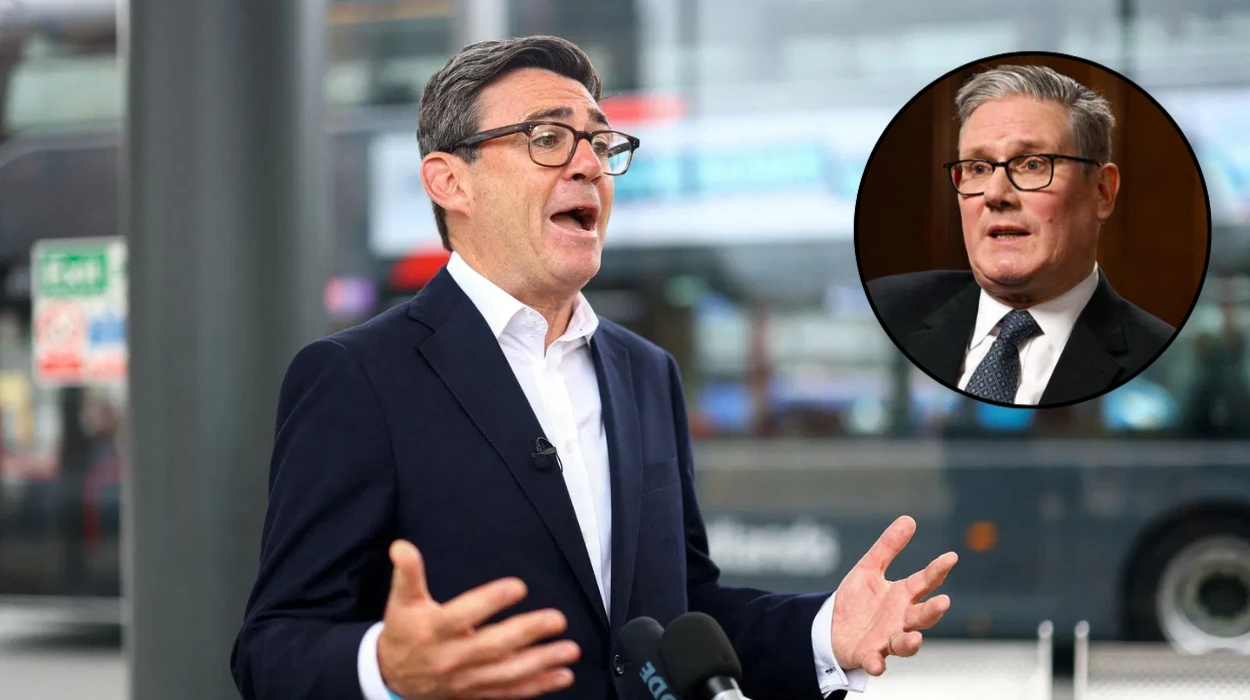
- Two planned green charges have been put on hold by Prime Minister Andy Burnham’s government, which were drawn up by his predecessor, Sir Keir Starmer.
- The UK Emissions Trading Scheme (ETS) is slated to expand to some waste incinerator sites from 2028, but the plans have been postponed by the Department for Energy Security and Net Zero (DESNZ).
- A parallel scheme to include a proportion of shipping CO2 emissions at the UK’s ports in the scheme has also been planned for 2028 but has not progressed, and no alternative date has been set.
- The waste charge uncertainty was impacting planning and budgeting efforts from councils and industry, DESNZ stated.
- The delay has been welcomed as a “sensible decision” by the waste industry body CIWM, and the National Association of Waste Disposal Officers (NAWDO) hailed the breathing space it affords councils’ cash.
- Campaign group UKWIN criticised the move, calling it an ‘unwelcome delay’.
- The agency which administers the levy in the capital, North London Waste Authority, had previously estimated the levy could cost disposal companies in the capital an additional £35m a year.
- The move could cost around £48 per tonne, up from the current £40, according to a report from SUEZ.
- Mr Burnham, who succeeded Sir Keir as Prime Minister and Labour leader in July, has declared the cost of living as his priority.
- The first Autumn Statement, where the government will outline its economic policy, will be delivered by Chancellor John Healey on October 28.
- Mr Burnham has voiced his desire for reform of train fares, and also called for energy, water and housing to be under greater “public control”, but without giving specifics.
London (Britain Today News) August 29, 2026 — Prime Minister Andy Burnham’s government has confirmed it is scrapping two green levies planned under his predecessor, Sir Keir Starmer, shelving charges that would have applied to waste incinerator sites and to shipping emissions passing through UK ports. Days before Mr Burnham returns to Parliament this week after the summer recess, the Department for Energy Security and Net Zero (DESNZ) updated its consultation pages to confirm that the planned 2028 expansion of the UK Emissions Trading Scheme (ETS) to waste incineration will not proceed as originally intended, with officials citing the strain that uncertainty was placing on local authorities and industry.
- Key Points
- Who Is Andy Burnham and Why Is He Now Prime Minister?
- What Was Sir Keir Starmer’s Original Plan for the UK Emissions Trading Scheme?
- Why Has the Burnham Government Scrapped the Waste Incinerator Levy?
- What Exactly Did the Department for Energy Security and Net Zero Say?
- Why Is the Parallel Ports Levy Also Being Shelved?
- How Have Waste and Environmental Groups Reacted to the Delay?
- What Does This Delay Mean for Local Councils and Taxpayers?
- Who Is Chancellor John Healey and What Is His Role?
- What Is Andy Burnham’s Wider Plan to Tackle the Cost of Living?
- When Will Chancellor John Healey Deliver the Autumn Statement?
A related charge that would have brought a share of emissions from international shipping voyages calling at UK ports into the same scheme — also pencilled in for 2028 — has likewise failed to receive a confirmed timetable, leaving both measures in limbo as Mr Burnham’s administration tries to ease the financial pressures facing households and businesses ahead of the autumn.
Who Is Andy Burnham and Why Is He Now Prime Minister?
Mr Burnham, the MP for Makerfield and the former mayor of Greater Manchester, became the United Kingdom’s prime minister on July 20, having run unopposed to replace Sir Keir as Labour leader after the latter’s resignation the previous month. As reported by ABC News, Sir Keir told the country outside Number 10 that he now would “pass the baton to Andy Burnham,” before travelling to Buckingham Palace to formally tender his resignation to King Charles III. Mr Burnham then made the same journey so the King could invite him to form a government.
NBC News described the incoming premier, previously nicknamed the “King of the North” for his long tenure running Greater Manchester, as inheriting a country beset by low wages, internal party strife and a decade of political turbulence. He is Britain’s seventh prime minister in ten years. On taking office, as reported by ITV News, Mr Burnham pledged to “help people to live well” and said he would set out cost-of-living proposals within days.
What Was Sir Keir Starmer’s Original Plan for the UK Emissions Trading Scheme?
The UK ETS, a cap-and-trade carbon pricing system, has applied since 2021 to energy-intensive industries, power generation and aviation. Under Sir Keir’s government, the scheme’s authority — made up of the UK, Scottish and Welsh governments along with the Department of Agriculture, Environment and Rural Affairs for Northern Ireland — set out plans to widen its scope considerably. Domestic maritime transport was brought into the ETS from July 1 this year, and a voluntary monitoring period for waste incineration and energy-from-waste facilities began on January 1, 2026, ahead of what was billed as full inclusion in 2028.
At the same time, the authority launched a further consultation, which closed in January 2026, on extending the scheme to cover a share of emissions from international voyages calling at UK ports from 2028 too, aligning the UK’s approach more closely with the European Union’s own carbon market. Both the incineration charge and the ports-related shipping charge therefore shared the same target date, and both have now failed to materialise on schedule.
Why Has the Burnham Government Scrapped the Waste Incinerator Levy?
Local authorities and waste operators had spent much of the past year warning that the 2028 start date left too little room to prepare. Councils, which have a statutory duty to dispose of whatever residual waste residents produce but limited control over its composition, argued they would be left facing bills they could not budget for. According to letsrecycle.com, DESNZ confirmed in its update that the ETS charge on waste incineration “will not take place in 2028 as originally intended,” with a revised schedule promised only “in due course.”
The retreat is the second on waste policy in as many months. Weeks earlier, the government had already confirmed it would push back mandatory collections of flexible plastics by English councils from March 2027 to April 2030, citing a shortage of sorting and reprocessing infrastructure.
What Exactly Did the Department for Energy Security and Net Zero Say?
DESNZ’s statement acknowledged the disruption its own uncertainty had caused. Officials said they recognised that the unresolved timetable was undermining councils’ and industry’s ability to plan and invest, and confirmed that full details of a “final policy design” would follow once a new date is set. The department noted that the European Commission had, only weeks earlier, proposed a far more gradual approach of its own — phasing waste incineration into the EU’s Emissions Trading System from 2031, reaching full coverage only by 2034, with member states allowed to opt out until 2035. Britain, which had originally intended to move three years ahead of Brussels on carbon-pricing waste, now finds itself without any timeline at all.
The department also confirmed that the change does not affect Northern Ireland, where the EU ETS will continue to apply to waste incinerators under the terms of the Windsor Framework, regardless of what happens with the UK-wide scheme.
Why Is the Parallel Ports Levy Also Being Shelved?
The proposed extension of the ETS to international shipping voyages was designed to capture emissions generated while vessels are docked at, or travelling to and from, UK ports — running alongside the domestic maritime charge that already took effect in July. That domestic element remains live and unaffected. However, the international element, covering roughly half the emissions from qualifying voyages, was still awaiting the authority’s formal response to its consultation when DESNZ’s waste announcement was published. With that response still outstanding and the International Maritime Organization’s own global carbon-pricing framework having twice been delayed by member states, government sources indicate the parallel 2028 target for the ports charge is no longer considered realistic, mirroring the position taken on waste incineration.
How Have Waste and Environmental Groups Reacted to the Delay?
Reaction from the sector has been mixed. As reported by Peter Davies-Dennis of Circular Online, the Chartered Institution of Wastes Management’s director of policy, Dan Cooke, called the delay “a sensible decision” given the wider pressures on councils still reliant on energy-from-waste plants to deal with residual rubbish, while stressing that a revised timetable is needed “sooner, not later.” NAWDO, representing local authority waste officers, said the pause would prevent “immense strain on local authority finances” that the original 2028 date threatened to create.
Not everyone welcomed the news. According to Resource Media, the UK Without Incineration Network (UKWIN) condemned what it called an “unwelcome delay,” arguing that pushing back the charge removes a financial incentive for operators to cut the fossil-fuel content of the waste they burn.
What Financial Impact Were Councils Bracing For?
The scale of the sums involved explains the strength of feeling on both sides. North London Waste Authority, which manages disposal for seven boroughs, had calculated that bringing energy-from-waste facilities into the ETS could add up to £35 million a year to residents’ disposal costs. Separately, an analysis commissioned from SUEZ estimated that the change could raise overall waste disposal costs by around 50 per cent, pushing gate fees up by roughly £48 per tonne — costs that would ultimately be passed on to council taxpayers.
What Does This Delay Mean for Local Councils and Taxpayers?
For now, councils avoid an additional carbon cost they had been budgeting to absorb from 2028, giving town halls more room to plan existing waste contracts without factoring in a new charge of uncertain size. NAWDO’s position is that any future timetable should only be set once there is a “system-wide plan for decarbonising waste” that addresses new infrastructure and gives local authorities practical tools to cut the fossil content of what they collect, rather than placing the cost solely on the point of disposal. Campaigners such as UKWIN counter that without a firm date, investment in alternatives to incineration risks stalling too, since operators have less incentive to change how they process waste.
Who Is Chancellor John Healey and What Is His Role?
Mr Burnham’s choice of Chancellor was one of his first, and most closely watched, decisions as prime minister. He appointed John Healey, the former Defence Secretary and long-serving MP with Treasury experience under previous Labour governments, to run the Treasury — a move widely described in Westminster as a surprise given speculation had centred on other senior colleagues. Mr Healey previously served as a junior Treasury minister and is seen as a pragmatic, managerial appointment tasked with steering the government’s economic agenda while reassuring financial markets.
Explore More about Politics:
Tactical Voting Report Exposes Huge Risk For Farage And Reform
Khan v Cunningham: Reform Poised to Challenge Labour in London Mayor Race
What Is Andy Burnham’s Wider Plan to Tackle the Cost of Living?
Mr Burnham has repeatedly said that easing the cost of living, rather than any single flagship policy, will define the early months of his premiership. Speaking to BBC Radio 5 Live’s Wake Up to Money programme, he indicated his approach would rely on “an accumulation of smaller things” that together reduce the pressure on household budgets, rather than one large gesture. He pointed to a shake-up of train fares and a move towards greater public control of energy, water and housing as areas he intends to address, though he stopped short of setting out firm details of how any of this would be delivered.
Mr Burnham acknowledged the scale of the challenge directly, telling the programme he accepted criticism that his approach “isn’t enough” on its own, while defending his preference for tackling problems incrementally rather than promising sweeping reform he might not be able to deliver. He described his method as doing what he can, when he can, chipping away at the issues he believes have been left unaddressed by successive governments in Westminster.
When Will Chancellor John Healey Deliver the Autumn Statement?
Mr Healey is scheduled to deliver the government’s first Autumn Statement on October 28, alongside Mr Burnham, in what will be seen as the clearest test yet of how the new administration intends to translate its rhetoric on living costs into concrete policy. The shelving of the two ETS charges is likely to be read by some in Westminster as an early signal of the government’s direction — favouring delay on business-facing green charges over the risk of costs being passed on to consumers and local authorities in the short term, even as the underlying net-zero targets that drove the original policies remain in place.
Environmental groups are expected to press the Chancellor for clarity on both fronts when Parliament returns this week, while local authorities and the shipping and waste industries alike say they now need firm guidance on when — or whether — either charge will eventually be introduced.