Key Points
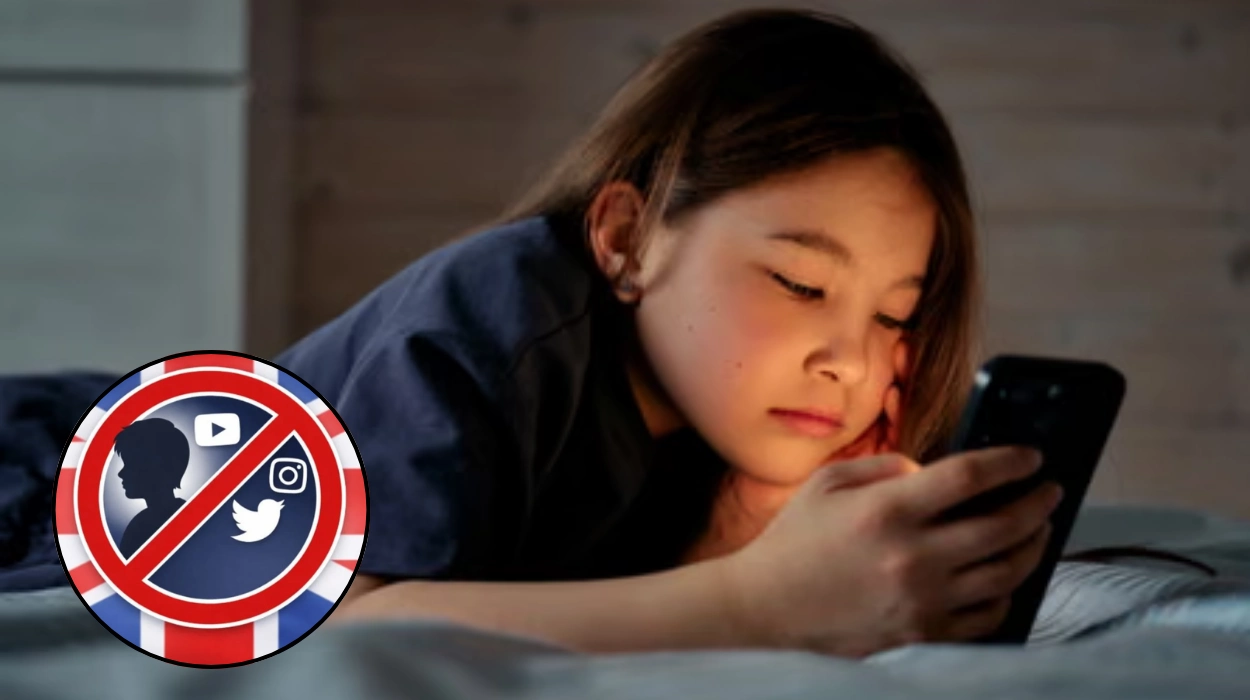
- The UK government plans to announce a ban on under-16s accessing “harmful” social media apps, according to reports from The Times and Straits Times
- Prime Minister Keir Starmer is set to make the announcement before the Makerfield byelection on 18 June 2026
- The Molly Rose Foundation (MRF) warns a rushed ban could “quickly unravel” and leave families to count the cost
- MRF chief executive Andy Burrows states the ban is “not supported by the evidence” and children would circumvent age checks
- Which apps would be classified as “harmful” remains unspecified, though Australia’s blanket ban covers Facebook, Instagram, X, TikTok, and Snapchat
- MRF advocates for strict safety standards for apps rather than blanket bans, including curbing personalised algorithms
- The UK’s online safety consultation closed only last week (26 May 2026), but the government wants to act quickly on findings
- MRF was founded by the family of Molly Russell, who took her own life after viewing harmful content on Instagram and Pinterest
- MRF received funding from Meta (Instagram’s owner) in lieu of legal proceedings after Molly’s inquest
- Beeban Kidron, crossbench peer and online safety advocate, calls the proposal a “non-ban ban” and accuses ministers of soft-pedalling safety
- Labour MP Fred Thomas, who organised a letter with 60+ colleagues urging Starmer to back the ban, says evidence “overwhelmingly supports bold action”
- Some Labour MPs express frustration, saying “They should get on with it [a ban]” and can’t keep saying it’s coming then backing down
- The UK government is also consulting on age restrictions for app features like infinite scrolling and limitations on AI chatbots
- If the government pushes a selective ban, it would differ from Australia’s under-16s block based on social interaction criteria
London (Britain Today News) June 8, 2026 – A rushed social media ban for under-16s in the UK could unravel and families will be left to count the cost, a leading child safety charity has warned. The Molly Rose Foundation (MRF) expressed serious concerns that the government’s planned age restriction on technology platforms might collapse, following reports that Prime Minister Keir Starmer would announce a ban on under-16s accessing “harmful” social media apps .
- Key Points
- What Exactly Is the UK Government Planning to Announce?
- Why Does the Molly Rose Foundation Say the Ban Could Unravel?
- Which Apps Would Be Included in the UK Ban?
- What Alternative Solution Does MRF Propose Instead?
- What Is Beeban Kidron’s Criticism of the Government Proposal?
- What Does Labour MP Fred Thomas Say About the Ban?
- How Frustrated Are Some Labour MPs About Starmer’s Approach?
- What Other Safety Measures Is the UK Government Consulting On?
- What Is the Background of Molly Russell and the Molly Rose Foundation?
What Exactly Is the UK Government Planning to Announce?
The prime minister is set to unveil a prohibition on minors accessing specific social media applications, though which apps would fit into the “harmful” category remains unspecified. Starmer is set to announce a ban on “harmful” online platforms for children under 16 while maintaining access to some safer forms of social media.
The government was planning to announce the ban before the Makerfield byelection on 18 June 2026. A source at Downing Street told that
“The prime minister is not afraid about taking on the tech companies and their bosses to protect young people”.
Starmer, who is due to make a speech later on Monday, is said to have decided to proceed with restrictions after speaking to bereaved parents and considering evidence from Australia, which brought in a ban for under-16s last December, the Straits Times added.
Why Does the Molly Rose Foundation Say the Ban Could Unravel?
Andy Burrows, the MRF chief executive, said a “rushed” ban would “quickly unravel” and was not supported by the evidence.
“Parents have been clear they want decisive action that will actually work,”
Burrows stated.
“If Keir Starmer prioritises short-term announcements over what the evidence and experts say is needed, children and parents will be left to count the cost and child protection will take a step back”.
The Molly Rose Foundation argued that such a ban would not enhance child safety because children could easily bypass age verification measures and migrate to less regulated environments, such as gaming platforms. MRF, founded by the family of Molly Russell, a British teenager who took her own life after viewing harmful online content on Instagram and Pinterest, emphasised that a blanket ban would fail to keep children safer.
Ian Russell, Chair of Molly Rose Foundation, said in a joint statement signed by 42 experts:
“Parents are rightly demanding bold action on children’s safety and after years of delays and timidity, it’s understandable we feel let down by the unacceptably slow pace of change”.
However, he cautioned that bans
“address the symptoms rather than the root cause”
and allow platforms to evade accountability.
“Bans are not the correct solution to a critical issue. They risk unintended consequences that could increase the risk of harm to children by only treating the symptoms,”
Ian Russell remarked.
Which Apps Would Be Included in the UK Ban?
It is not known which apps would fit into the “harmful” category in the UK, but a blanket ban in Australia covers Facebook, Instagram, X, TikTok, and Snapchat among others. The Australian government has introduced a Bill into the country’s parliament that would ban all those under 16 from accessing social media.
If the government pushes ahead with a selective ban, it would be different from the under-16s block in Australia where age limitations are imposed if a service enables social interaction between two or more users, and if it allows users to post material. A range of apps have been swept up in that definition in Australia.
Andy Burrows, chief executive of the Molly Rose Foundation, said that cutting off under-16s from social media could create a ‘cliff edge of harm’ when children are suddenly able to access the sites.
“Banning under-16s from social media is a retrograde step that would push risks and bad actors on to gaming and messaging services and leave young people at a cliff edge of harm when they turn 16,”
What Alternative Solution Does MRF Propose Instead?
The Molly Rose Foundation has said the government should set strict safety standards for social media apps, such as curbing personalised algorithms that curate the content a teenager sees, whereby those apps would be banned only after they have shown they do not meet those requirements. MRF advocates for the establishment of stringent safety standards for social media applications, limiting personalized algorithms that dictate the content accessible to teenagers.
They propose that apps should only face bans after failing to meet these standards.
“Though well-intentioned, blanket bans on social media would fail to deliver the improvement in children’s safety and wellbeing that they so urgently need. They are a blunt response that fails to address the successive shortcomings of tech companies and governments to act decisively and sooner,”
the joint statement signed by 42 experts declared.
MRF, which has received funding from Instagram’s owner, Meta, in lieu of legal proceedings after the inquest into Molly’s death, says its position is different from the government’s “harmful” ban policy because it gives apps a chance to clean up their act first, The Guardian reported.
What Is Beeban Kidron’s Criticism of the Government Proposal?
Beeban Kidron, the crossbench peer and a leading online safety advocate, said the reported government proposal was a “non-ban ban”. Lady Kidron accused ministers of soft-pedalling safety measures after the government’s announcement on Monday that it had given a three-month deadline to Apple and Google to install anti-nudity software on smartphones.
“Tech company behaviour over the last two decades has made clear that profit, not safety, is the driving force. This government is soft on tech and soft on the causes of harm,”
Kidron said. UK regulators’ handling of children’s data and enforcement of the Online Safety Act deserves criticism, prominent UK lawmaker Beeban Kidron has said, while warning of a government push for overly broad legislative powers, MLex reported.
Explore More about UK:
Wayve Autonomous Rides Coming to Uber Customers
London Pride Events This Summer: Biggest Celebrations in 2026
What Does Labour MP Fred Thomas Say About the Ban?
Fred Thomas, a Labour MP who organised a letter earlier this year in which he and more than 60 colleagues in the parliamentary party urged Starmer to back a social media ban for under-16s, said:
“The evidence overwhelmingly supports bold action to protect children, and that is what I hope we get,”
“Clearly this will remain a live issue, noting how fast online platforms change, and agility will be required going forward,”
Fred Thomas, the Labour MP for Plymouth Moor View, has warned Sir Keir Starmer that Britain “risks being left behind” as governments around the world
“are recognising the severity of this crisis and taking action”.
The letter organised by the Plymouth MP was signed by more than 60 other Labour MPs, including the education select committee chair Helen Hayes and former education minister Catherine McKinnell.
In the letter, the MPs stated:
“In our constituencies, we are consistently hearing that children are anxious, unhappy, and struggling to concentrate on their education. They are not developing the social skills necessary for success, nor are they experiencing the opportunities that would equip them for adulthood”.
“We believe that technology platforms, rather than parents, should bear the responsibility for preventing underage access. We would endorse a model akin to Australia’s that mandates companies to actively enforce age restrictions,”
How Frustrated Are Some Labour MPs About Starmer’s Approach?
However, there is also frustration in Labour’s ranks about the prime minister’s approach. One MP said:
“They should get on with it [a ban], to be honest. They can’t keep saying it’s coming and then backing down”.
Government officials have voiced concerns that a ban might inadvertently drive children toward the dark web, advocating for additional evidence before committing to such a policy in the UK. A source close to Starmer remarked:
“In principle, Keir supports a ban. We all recognize the risks and are concerned about the impact on young minds. However, significant challenges remain regarding implementation. The situation in Australia illustrates this. We need to proceed carefully to ensure we get it right”.
What Other Safety Measures Is the UK Government Consulting On?
The UK government is also consulting on other safety matters including whether there should be age restrictions on a range of app features, such as infinite scrolling, and limitations on the use of AI chatbots. In addition to a ban, ‘Growing up in the online world: a national consultation’ sought views on other potential measures aimed at keeping children and young people safe online, such as restrictions on ‘infinite scrolling’, limitations on VPN usage, and changes to the age of digital consent, Together Scotland reported.
A consultation on children’s online safety, including whether there should be a ban for under-16s, closed only last week on 26 May 2026, but the government is keen to act on its findings as quickly as possible. The government’s consultation process, which has been ongoing since March, is set to conclude on Tuesday evening.
“I’m completely convinced that this needs to be a transformative initiative, so we will take action,”
Starmer expressed to the media.
“The only issue is what steps we will take, and those decisions will be made swiftly since we acquired the authority earlier this year to ensure a rapid response,”
the former health secretary said.
This statement follows technology Secretary Liz Kendall’s announcement that new regulations for individuals under the age of 16 will be implemented by the conclusion of 2026. Kendall indicated that the outcomes of the consultation would be released during the summer.
What Is the Background of Molly Russell and the Molly Rose Foundation?
The Molly Rose Foundation (MRF), founded by the family of Molly Russell, a British teenager who took her own life after viewing harmful online content on Instagram and Pinterest, emphasised that a blanket ban would fail to keep children safer, as reported by The Guardian. Molly Russell tragically ended her life after encountering detrimental online material on Instagram and Pinterest at age 14.
MRF, which has received funding from Instagram’s owner, Meta, in lieu of legal proceedings after the inquest into Molly’s death, says its position is different from the government’s “harmful” ban policy because it gives apps a chance to clean up their act first. Following a landmark legal victory in Los Angeles against social media platforms, Ellen Roome and Andy Burrows from the Molly Rose Foundation discuss why this moment matters and why the UK must now act, according to YouTube’s BBC Breakfast coverage.