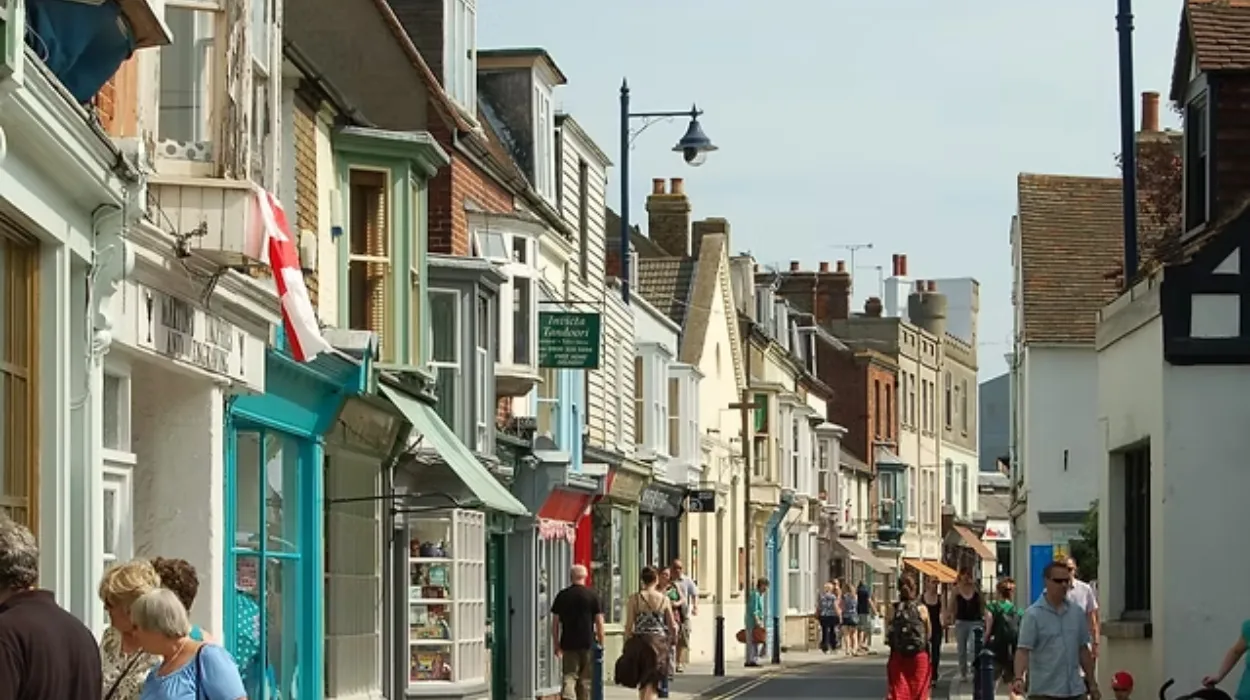
Whitstable is a coastal town in north Kent, England, known for its oyster heritage, shingle beach, independent shops, and relaxed seaside atmosphere. It sits about 10 km east of Canterbury and roughly 90 minutes by train from central London, making it a popular day‑trip and weekend‑break destination.
- What is Whitstable and why is it worth visiting?
- Where is Whitstable located and how do you get there?
- What are the best cafes and breakfast spots in Whitstable?
- Which Whitstable beaches and coves should you visit?
- What are the best coastal and countryside walks near Whitstable?
- Where can you eat fresh seafood and oysters in Whitstable?
- What are the best places to stay for a weekend in Whitstable?
- What are the best nightlife and evening‑time options in Whitstable?
- What are the best family‑friendly activities and attractions in Whitstable?
- How can you plan a perfect day trip from London to Whitstable?
- How can you plan a relaxing weekend break in Whitstable?
- What seasonal events and festivals take place in Whitstable?
- What practical tips should you know before visiting Whitstable?
This guide gives a comprehensive overview of Whitstable’s best cafes, beaches, walking routes, and weekend‑itinerary ideas, with practical, location‑specific details suitable for visitors travelling by car, train, or bus.
What is Whitstable and why is it worth visiting?
Whitstable is a seaside town in Kent that lies on the north coast of the Thames Estuary, facing the North Sea. It falls within the ceremonial county and unitary authority area of Kent and is governed as part of the Folkestone and Hythe District.
Historically Whitstable was a modest fishing harbour; by the 18th and 19th centuries it became nationally known for its oyster fishery, supplying Billingsgate Market in London with tens of millions of oysters per year. The town’s oyster‑farming heritage is still visible today in continuing oyster‑bed operations, local restaurants, and seasonal shellfish festivals.
Modern Whitstable mixes traditional coastal features—such as the shingle beach, working harbour, and Victorian railway station—with a trend‑conscious, independent‑led town centre. It attracts day‑trippers for seafood, walkers for coastal paths, and weekend visitors for boutique hotels, galleries, and craft shops.
Where is Whitstable located and how do you get there?
Whitstable is located in north Kent, on the south‑east coast of England, approximately 10 km east of the cathedral city of Canterbury. It lies between the estuary of the River Stour and the North Sea, within the Historic Environment Record area defined by Heritage Kent.
The nearest mainline railway station is Canterbury West, from which Southeastern services run regular trains to Whitstable along the Ashford–Ramsgate line. The journey from London St Pancras International to Whitstable typically takes about 90 minutes, with direct services several times per hour.
By car, Whitstable is reached via the M2 and A299 (Thanet Way) or the A299 and B2050, with free on‑street parking and several pay‑and‑display car parks in the town centre and near the beach. Local bus routes connect Whitstable to Canterbury, Herne Bay, and nearby villages, with timetables coordinated by Kent County Council’s public‑transport network.
What are the best cafes and breakfast spots in Whitstable?
Whitstable’s cafe scene focuses on independent operators, artisan coffee, and locally sourced breakfasts rather than chain outlets. Many cafes open early (around 08:00–09:00) and stay open late into the evening, making them suitable for both breakfast and brunch.
Grain & Hearth is a bakery‑cafe on the High Street that offers sourdough bread, pastries, and cooked breakfasts such as eggs, bacon, and hash browns, using seasonal ingredients. It is also known for its filter‑coffee service and seating at the front window, giving direct views of the seafront.
Farm and Harper is a popular brunch‑style venue that serves breakfast bowls, full English‑style plates, and specialty coffee, often using organic or free‑range produce. It is situated close to the harbour and attracts visitors combining a harbour walk with a late breakfast.
The Beach Cafe is a family‑run, seafront establishment that operates as a casual breakfast and lunch spot, offering full cooked breakfasts, pancakes with maple syrup, and all‑day coffee. It is dog‑friendly and has covered seating, making it suitable for visitors with pets or those visiting on cooler days.
For a more relaxed coffee stop, Wagtails is a small, independent coffee shop on the seafront that uses specialty beans and offers cake, sandwiches, and light bites. It is often mentioned by locals as a good place to refuel after a beach walk.
Which Whitstable beaches and coves should you visit?
Whitstable’s main beach is a long, wide stretch of shingle that runs along the front of the town from the harbour westward towards Tankerton. The beach swells at low tide, exposing a wide expanse of shingle, while at high tide the water reaches close to the sea wall and promenade.
The central beach opposite the High Street is the most accessible and popular, with steps down from the sea wall and a promenade lined with cafes, beach huts, and public toilets. This area is suitable for families, as it offers easy access to the sea and nearby amenities, though the shingle can be uncomfortable for bare feet.
Further east, towards the harbour and the Neptune public house, the beach becomes quieter and is often used by walkers and dog owners. The Neptune Pub sits on the beachfront and provides a casual place to eat fish‑and‑chips, burgers, or seafood dishes with sea views.
Beyond the main town‑centre stretch, the coastline continues as part of the wider Whitstable Bay area, which includes rocky outcrops and small coves where people can explore at low tide. These areas are best visited with appropriate footwear and are not usually supervised by lifeguards, so visitors should exercise caution around the water.
What are the best coastal and countryside walks near Whitstable?
Several well‑marked walking routes radiate from Whitstable, combining coastal paths with inland lanes and nature reserves. The Kent Coast Path and the North Kent Marshes trails both pass through or near the town, providing long‑distance options for experienced walkers.
One common route is the beach‑front promenade and pier walk from the western end of the beach eastwards toward the harbour and the Neptune Pub. This paved path is level, dog‑friendly, and typically takes 30–45 minutes to walk one way at a moderate pace.
From Shaftesbury Road car park, walkers can follow the coastal path west along the sea wall towards Tankerton, passing beaches, grassy slopes, and informal viewpoints of the estuary. That section of the route is approximately 3–4 km each way and is often used by runners and dog‑walkers early in the morning.
Inland, the Blean‑Woods and surrounding countryside offer woodland and farmland walks within a 10–15‑minute drive of Whitstable. These routes combine footpaths through ancient woodland with open fields, providing a contrast to the coastal landscape.
Where can you eat fresh seafood and oysters in Whitstable?
Whitstable is renowned for its oysters and other seafood, with several waterfront restaurants and pop‑ups focusing on local catch. Many venues source oysters from the Whitstable Oyster Fishery Company, which operates beds and a preparation centre in Whitstable Bay.
The Whitstable Oyster Fishery Company runs tours that include a visit to the oyster‑farming and preparation facilities, followed by a cooked‑oyster tasting and a drink. These tours are available year‑round and typically last two to three hours, with advance booking required.
Along the harbour front, the Lobster Shack is a casual seafood bar that serves lobster rolls, crab claws, and other shellfish dishes, often using local oysters. It is designed for casual dining, with outdoor seating and fast service suitable for day‑trippers.
The Sportsman, located a short distance outside Whitstable in the village of Seasalter, is a Michelin‑recognized restaurant that uses Marshland and coastline ingredients, including Whitstable oysters. It operates as a full‑service restaurant with set‑menu formats and must‑be‑booked‑in‑advance seating.
In the town centre, several bistros and gastropubs offer seafood platters, grilled fish, and oyster‑based appetizers, often featuring Rock oysters and native oyster varieties from local beds. These venues typically publish seasonal menus on their websites, reflecting catch‑availability changes.
What are the best places to stay for a weekend in Whitstable?
Whitstable offers a range of accommodation types, from boutique hotels and guesthouses to self‑catering apartments and B&Bs. Most lodging options combine easy access to the beach and High Street with independent, design‑led interiors.
The Harbour Hotel Whitstable is a waterfront property that provides sea‑facing rooms, a restaurant serving local seafood, and direct access to the harbour and promenade. It is operated as a mid‑range to upper‑mid‑range hotel aimed at both leisure and business visitors.
Several smaller guesthouses and B&Bs cluster around the Sea View Road and Harbour Road areas, offering en‑suite rooms, breakfast, and self‑check‑in options. These properties often highlight proximity to the beach and town centre in their online listings.
Self‑catering flats and cottages can be found both on the seafront and a short walk inland, typically managed through booking platforms or local letting agents. These are suitable for weekend stays of two to four nights, especially for visitors who prefer to cook at home or entertain guests.
What are the best nightlife and evening‑time options in Whitstable?
Evening life in Whitstable revolves around pubs, bars, and small live‑music or arts venues rather than large clubs. Many drinking establishments open from early afternoon until late evening, with some offering food menus.
The Neptune Pub on the beachfront is a traditional seaside pub that serves beers, ciders, and basic food, including fish‑and‑chips and burgers, in a relaxed setting. It is popular with walkers and locals after a beach or promenade walk.
Several independent bars along the High Street and Harbour Road offer craft beers, cocktails, and sometimes wine tastings or small‑scale events. These venues often host acoustic sets or local DJ nights on weekends, with details listed on their social‑media pages and event‑booking sites.
Whitstable also has a small number of arts‑focused spaces, including galleries and performance spaces, that run occasional evening exhibitions or music nights. These events are typically advertised through local tourism boards and event‑listing platforms.
What are the best family‑friendly activities and attractions in Whitstable?
Whitstable is generally considered family‑friendly, with relatively flat seafront paths, accessible beaches, and straightforward public transport links. Many attractions are suitable for children aged 5–12, though some coastal areas require adult supervision.
The main beach and promenade allow children to walk safely away from traffic, build sand or shingle structures, and view fishing boats in the harbour. The Neptune Pub area and nearby cafes provide options for quick snacks and drinks during a day out.
Harbour‑front walks, including the route to the Lobster Shack and the adjacent viewpoints, offer opportunities to see boats, seagulls, and sometimes passing yachts or small craft. These walks are short enough for younger children when broken into segments.
Boat‑based or oyster‑bed experiences, such as the Whitstable Oyster Fishery Company tours, are best suited to older children (roughly 8+) due to the length of the tour and the handling of shellfish. Operators advise checking age and accessibility details in advance for families with very young children.
How can you plan a perfect day trip from London to Whitstable?
A typical day trip from London to Whitstable starts with an early‑morning train from St Pancras or Charing Cross to Whitstable, with a journey time of about 90 minutes. Visitors arriving by 10:00–10:30 can spend roughly eight hours in the town before returning to London in the evening.
Upon arrival, visitors often walk from the station to the High Street, stopping at Grain & Hearth or Farm and Harper for breakfast or early‑morning coffee. This route passes several independent shops and galleries, giving a quick introduction to the town’s character.
From 11:00 onward, a common pattern is a beach walk along the promenade, followed by lunch at the Neptune Pub, The Beach Cafe, or a seafood venue such as the Lobster Shack. After lunch, visitors may take a short walk to the harbour or along the coastal path towards Tankerton before returning to the station.
For those driving from London, the M2 to A299 route typically takes about 90–120 minutes in non‑peak traffic, with parking available at the Station Road car park or on‑street options near the beach. This allows a similar day‑trip structure, with the flexibility to extend the visit if congestion at peak times makes an early return impractical.
Explore More about Business:
Space X IPO Expectations: Price, Timeline and Forecast
Morrisons Convenience Store Closures: 100 Shops Shutting
How can you plan a relaxing weekend break in Whitstable?
A two‑night weekend in Whitstable usually begins with arrival on a Friday afternoon or early evening, allowing time to settle into accommodation before going out for dinner. Many visitors choose to stay at the Harbour Hotel or a central B&B, which minimises walking distance to the beach and restaurants.
On Saturday, a typical itinerary includes a beach walk, a harbour‑front lunch, and an afternoon visit to the Whitstable Oyster Fishery Company or a similar experience. Evening plans often involve a seafood meal followed by a short walk along the lit promenade.
Sunday may be reserved for a longer coastal or countryside walk, such as the route from Whitstable to Tankerton or the Blean‑Woods loop, depending on weather and energy levels. After a light brunch or coffee stop, visitors usually return to the station or car park by mid‑afternoon.
Booking accommodation and any guided tours in advance is recommended, especially during summer months and around oyster‑festival periods, when demand increases. Local tourism websites and booking platforms provide real‑time availability and pricing for these services.
What seasonal events and festivals take place in Whitstable?
Whitstable runs several recurring events that align with its coastal and oyster‑farming identity. These are typically organised by local business groups, the town council, or specialist oyster‑industry organisations.
The Whitstable Oyster Festival is an annual event held in September, celebrating the town’s oyster heritage with tastings, cooking demonstrations, and live music. It draws visitors from across Kent and London, and many local restaurants introduce special oyster‑focused menus for the festival period.
Smaller arts and food‑focused events occur throughout the year, including gallery openings, craft fairs, and seasonal markets on the High Street and seafront. Local tourism organisations list these events in advance on their official websites and event calendars.
In addition, the Whitstable Oyster Fishery Company and other seafood businesses run seasonal tours and tastings that coincide with peak oyster‑farming periods. These are often advertised from spring to autumn, though some operators offer limited winter slots.
What practical tips should you know before visiting Whitstable?
Whitstable is generally easy to navigate, but certain practical factors affect the visitor experience. Planning around tides, weather, and transport can improve comfort and safety.
The main beach is shingle, so sturdy footwear is recommended for walking directly on the stones or near the sea edge. Flat sandals or flip‑flops are less comfortable and may slip on loose pebbles.
Parking is available in the town centre and near the seafront, with some free on‑street bays and pay‑and‑display areas. During peak‐season weekends and festivals, arriving early or using public transport from Canterbury or nearby towns can reduce parking‑search time.
The promenade and main roads are flat and accessible, but some side alleys and historic buildings may have steps or uneven surfaces. Visitors with mobility concerns should check accessibility details for specific hotels, restaurants, and attractions before booking.