Key Points
- UK inflation remained unchanged at 2.8% in the year to May 2026, according to the Office for National Statistics (ONS)
- The figure came in below the 3% economists had widely forecast, surprising the market
- Transport was the standout driver, with motor fuel prices up 24.6% and overall transport inflation reaching 6.8% — its highest annual rate since December 2022
- Food inflation dropped to 2.2% in the year to May, down from 3% in April and its slowest pace since December 2024
- Meat, dairy, and vegetables all saw eased inflation compared to the previous month
- Beef and veal price growth slowed substantially to 9.4% from 13.2% in April
- ONS chief economist Grant Fitzner pointed to airfares, vehicle taxes, and petrol as main contributors to transport inflation
- A peace deal struck between the US and Iran could shift the inflation trajectory, with economists noting pressure on prices may not build as quickly as previously feared
- The British Retail Consortium said the food slowdown reflected fierce supermarket competition but warned food inflation could tick back up
- The Food and Drink Federation argued current prices don’t yet reflect the full cost impact of the Strait of Hormuz closure
- Karen Betts, chief executive of the Food and Drink Federation, noted it typically takes several months for higher costs to filter through to till prices
- Charlotte O’Leary of the National Institute of Economic and Social Research warned of a “sizeable” upward effect on inflation once Ofgem sets its next energy price cap in July
- Domestic heating oil prices fell back after spiking sharply during the conflict
- Chancellor Rachel Reeves said the government’s approach including energy bill support and freezes on fuel duty and rail fares was helping shield households
- Shadow Chancellor Mel Stride accused Labour’s policy choices of leaving the UK entering the latest energy crisis with the highest inflation in the G7
- Economists widely expect the Bank of England to hold interest rates at 3.75% on Thursday
- Yael Selfin of KPMG UK said the figures strengthened the case for a hold, noting underlying inflationary pressures had yet to show clear signs of building
- Suren Thiru of the Institute of Chartered Accountants in England and Wales suggested the UK faces a “painful hangover” from the conflict, with meaningful relief on inflation may not arrive until late 2026
London (Britain Today News) June 17, 2026 — Inflation in the UK remained unchanged at 2.8% in the year to May, according to the Office for National Statistics, with slowing food price rises offsetting a sharp jump in transport costs, marking a surprise below the 3% economists had widely forecast as the war in the Middle East was expected to feed through to household costs.
- Key Points
- What Is the Current UK Inflation Rate for May 2026?
- Why Did Transport Costs Drive UK Inflation Higher?
- How Much Did Food Prices Fall in the UK?
- What Do Industry Groups Say About Food Inflation Trends?
- How Will Energy Prices Impact UK Inflation Next?
- What Is the US-Iran Peace Deal Impact on Oil Prices?
- What Do Politicians Say About UK Inflation Performance?
- When Will the Bank of England Decide on Interest Rates?
- What Do Economists Predict for Interest Rate Decision?
- How Long Until Inflation Relief Arrives for UK Households?
What Is the Current UK Inflation Rate for May 2026?
Inflation held steady at 2.8% for the year leading up to May, as the rate of food price increases decelerated to a 17-month low, according to recent data released by the Office for National Statistics. The figure came in below market expectations, with economists having anticipated inflation would rise to 3% on the back of higher energy prices caused by the Middle East war. Official data released on Wednesday indicated that British inflation unexpectedly remained at 2.8% in May from the 13-month low recorded in April, just one day prior to the Bank of England’s upcoming interest rate announcement.
Why Did Transport Costs Drive UK Inflation Higher?
Transport was the standout driver of inflation over the year, with motor fuel prices up 24.6% and overall transport inflation reaching 6.8% — its highest annual rate since December 2022. The price of petrol and diesel soared by 24.6% in the 12 months to May 2026 – the highest since September 2022, according to Daily Business Group. ONS chief economist Grant Fitzner said the inflation rate held steady as rises in the prices of air fares, vehicle taxes and petrol was offset by lower food prices. As reported by Grant Fitzner, chief economist at the ONS, airfares, vehicle taxes and petrol were the main contributors to the transport inflation increase. The biggest contribution to inflation was transport prices, in particular air fares and motor fuel.
How Much Did Food Prices Fall in the UK?
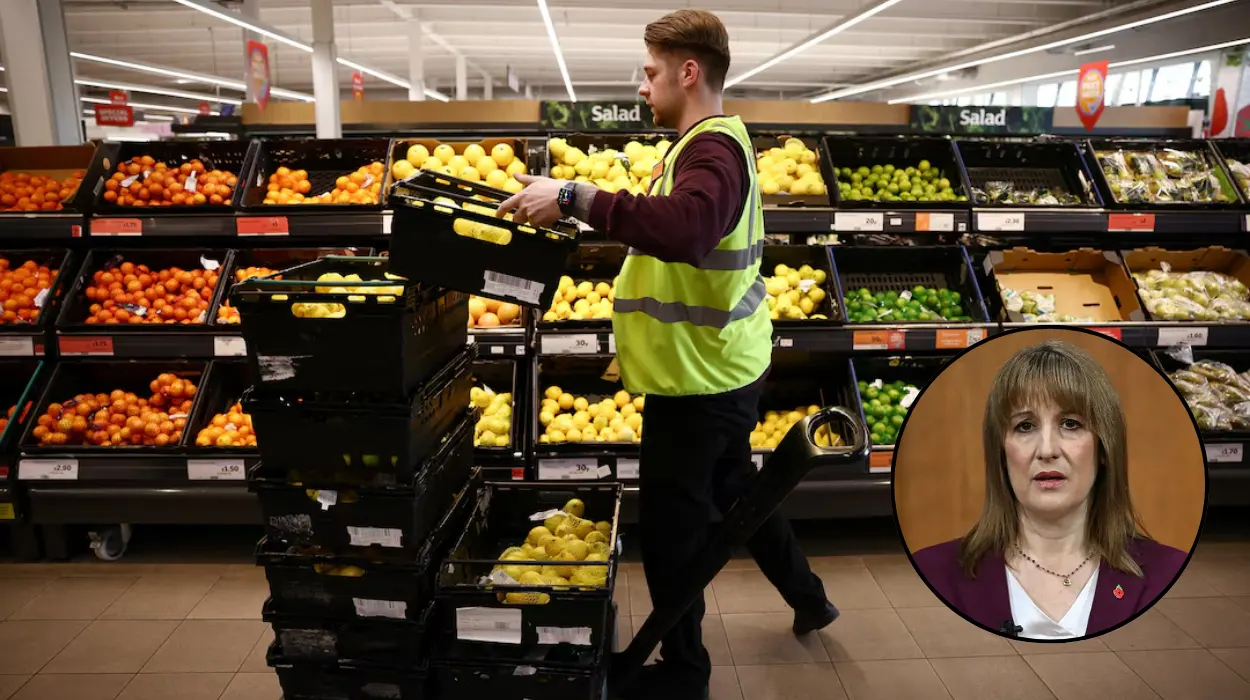
That increase, however, was largely cancelled out by falling food prices, with meat, dairy and vegetables all seeing eased inflation compared to the previous month. Food inflation dropped to 2.2% in the year to May, down from 3% in April and its slowest pace since December 2024. Food inflation dropped from 3% in the year up to April to 2.2% in the year leading to May, representing the slowest increase since December 2024. Even beef and veal, among the most expensive items on supermarket shelves, saw their rate of price growth slow substantially, down to 9.4% from 13.2% in April and 18.8% in March. According to the Office for National Statistics, lower prices for meat, vegetables, dairy products, and domestic heating oil helped to counterbalance rises in airfares and fuel costs.
What Do Industry Groups Say About Food Inflation Trends?
Industry groups offered a more cautious take on the food price slowdown. The British Retail Consortium said the slowdown reflected fierce competition among supermarkets, but warned food inflation was likely to tick back up in the months ahead. The Food and Drink Federation went further, arguing current prices do not yet reflect the full cost impact of the closure of the Strait of Hormuz. As reported by Karen Betts, chief executive of the Food and Drink Federation, it typically takes several months for higher costs faced by farmers, processors and manufacturers to filter through to till prices — a delay compounded by widespread use of long-term energy and ingredient contracts. Manufacturing group The Food and Drink Federation has said food inflation could reach at least 9% by December, based on the assumption the Strait of Hormuz opens in the next few weeks. Food prices could rise by more than 10 per cent once disruption linked to the Strait of Hormuz “works its way through” supply chains, with mounting concern that the era of plentiful, cheap food in western economies has ended, industry figures and academics told the UK Parliament.
How Will Energy Prices Impact UK Inflation Next?
Energy remains a key area of uncertainty for future inflation trajectories. Domestic heating oil prices, which are not subject to a price cap, fell back after spiking sharply during the conflict. As reported by Charlotte O’Leary of the National Institute of Economic and Social Research, there will be a “sizeable” upward effect on inflation once Ofgem sets its next energy price cap in July, as the delayed impact of higher oil prices continues to work through the system. Charlotte O’Leary cautioned that should the US-Iran deal collapse, oil prices could rebound and reinstate upward pressure on inflation. The energy price cap will rise by 13% in July, bringing the average annual energy bill for a dual-fuel household paying by direct debit to £1,862 per year – £221 more than the current price cap. The hike will come into effect on 1 July and last until 30 September when the next price cap comes in.
What Is the US-Iran Peace Deal Impact on Oil Prices?
Analysts now suggest that the inflation trajectory could shift following the peace deal struck between the US and Iran, with several economists noting the pressure on prices may not build as quickly as previously feared. Oil prices have fallen and shares risen after the US and Iran said they had agreed a framework deal to end the war, which US President Donald Trump announced. Brent crude, the international oil standard, saw a decline of over 5%, settling at $82.84 (£61.70) per barrel, coinciding with an uptick in stock markets, particularly across Asia. Crude oil prices are down sharply on Monday morning, after President Trump, Iranian leaders and Pakistani negotiators all indicated that a deal was close. Brent crude, the global oil benchmark, was trading at around $83 per barrel, while Texas Intermediate the U.S. benchmark hovered around $80. Oil prices fell more than 3% on Friday to their lowest levels in nearly two months as U.S. and Iranian officials said they were close to an agreement to halt their war in the Middle East.
What Do Politicians Say About UK Inflation Performance?
Chancellor Rachel Reeves said the government’s approach — including energy bill support and freezes on fuel duty and rail fares — was helping shield households and businesses from rising costs despite global pressures. Shadow Chancellor Mel Stride pushed back, arguing prices remained too high and accusing Labour’s policy choices of leaving the UK entering the latest energy crisis with the highest inflation in the G7. Energy prices were lower due to the government’s energy bill support package and lower wholesale prices before the Iran war, according to Grant Fitzner, chief economist at the ONS.
Explore More about Business:
Japan, UK & Italy Push Forward on Advanced Fighter Jet Development
Majority of UK Businesses Preparing for Full Electrification by 2035
When Will the Bank of England Decide on Interest Rates?
The data lands just ahead of the Bank of England’s next interest rate decision on Thursday, with economists widely expecting the central bank to hold rates at their current level of 3.75%. The Bank of England is due to update its monetary policy on Thursday. Economists polled by Reuters expect the BoE’s Monetary Policy Committee to vote 7-2 to keep rates on hold at 3.75%. Current Bank Rate is 3.75% with the next due date being 18 June 2026. Policymakers at the Bank of England have opted to maintain interest rates at 3.75%, signaling that a reduction in inflation may set the stage for potential rate cuts in the upcoming months. Andrew Bailey, the governor of the Bank, who supported the decision to keep rates unchanged, remarked
“We now believe inflation will decrease to around 2% by spring. This is positive news. We must ensure that inflation remains at this level, which is why we have kept rates steady at 3.75% today”.
What Do Economists Predict for Interest Rate Decision?
As reported by Yael Selfin, chief economist at KPMG UK, the data released by the ONS on June 17 strengthens the case for a continued cautious approach from the Bank of England.
“Today’s data strengthens the case for a continued cautious approach from the Bank of England,”
Yael Selfin, chief economist at KPMG, said. ‘
“Underlying inflationary pressures have yet to show clear signs of strengthening, which is likely to underpin a majority decision within the Monetary Policy Committee to hold interest rates at Thursday’s meeting,”
she said. Yael Selfin said that data released by the ONS on June 17 strengthens the case for a continued cautious approach from the Bank of England. KPMG UK’s Yael Selfin said the figures strengthened the case for a hold, noting underlying inflationary pressures had yet to show clear signs of building.
How Long Until Inflation Relief Arrives for UK Households?
Suren Thiru of the Institute of Chartered Accountants in England and Wales struck a more guarded tone, suggesting that even with hostilities apparently over, the UK faces a “painful hangover” from the conflict as energy and supply chains take months to normalise — meaning meaningful relief on inflation may not arrive until late 2026. As reported by Suren Thiru, chief economist at the Institute of Chartered Accountants in England and Wales, while inflation was unexpectedly unchanged in May, aided by lower food costs, these figures have not changed the outlook significantly. Suren Thiru suggested that even with hostilities apparently over, the UK faces a “painful hangover” from the conflict as energy and supply chains take months to normalise. Suren Thiru said the UK faces a “painful hangover” from the Iran conflict, with energy and supply chains taking months to normalise. Meaningful relief on inflation may not arrive until late 2026, according to Suren Thiru. KPMG UK now expects inflation to “return to the Bank of England’s 2% target in the first half of 2026” if the recent decline in oil prices continues.