Key Points
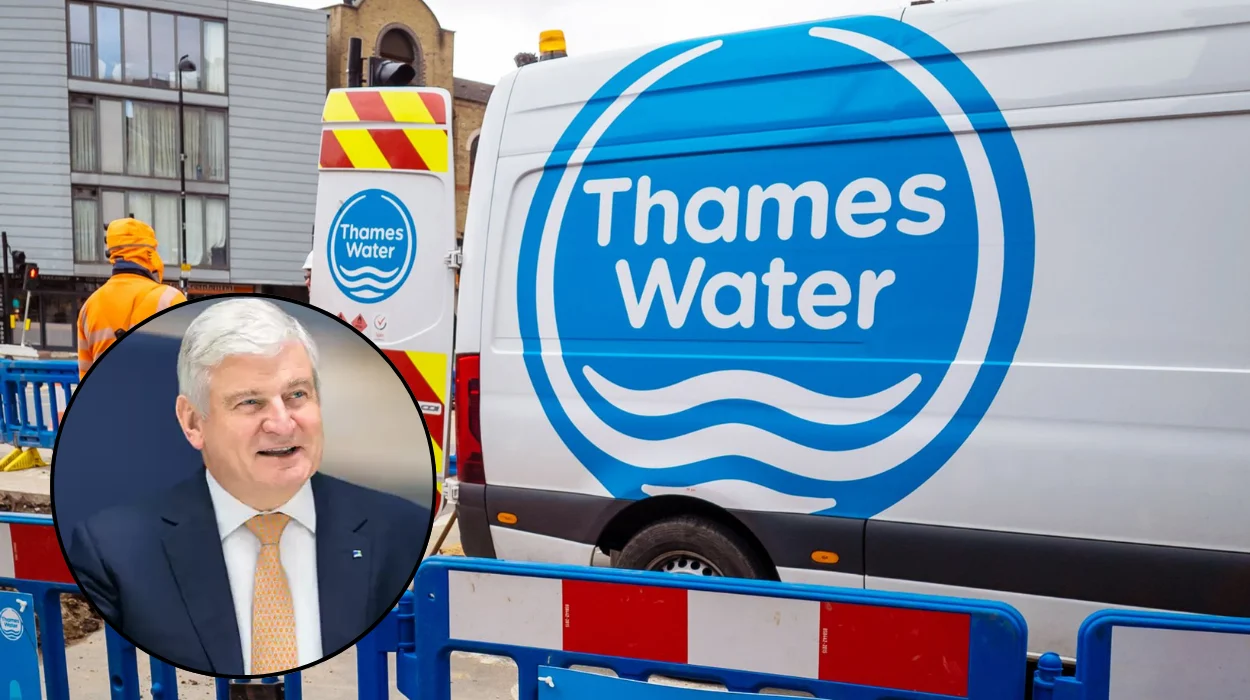
- Thames Water has offered CFO Steve Buck a ‘golden handshake’ of £1m, with support from an emergency lending facility from creditors.
- The payment was revealed in a letter to the Environmental, Food and Rural Affairs (EFRA) Committee from Sir Adrian Montague, chairman of Thames Water.
- Thames Water has also made one-off payments to individual settlements with 14 current and former senior executives over controversial retention fees.
- The debt-ridden utility, which has a debt of over £20 billion, is seeking a rescue package from senior creditors to prevent a collapse and temporary nationalisation.
- The payments allow water firms to avoid the provisions of the Water (Special Measures) Act of last year, which sought to curb performance-related bonuses paid to bosses at low-performing utilities.
- The payments were described as “unacceptable” by Downing Street, and it has confirmed that Ofwat is looking at an enhancement of the rules on the bonus ban.
- The EFRA Committee chairman, Alistair Carmichael, said the Government needed to take decisive action to prevent firms gaming the bonus ban and should clarify what will happen next.
- Thames Water halted £2.46 million in retention fees for 21 senior bosses in December after public outrage after it was granted a similar amount earlier in the year.
- Thames Water has refused to say how much the new retention settlements are worth.
London (Britain Today News) August 13, 2026: Thames Water has sparked outrage after handing a delayed £1 million “golden handshake” to its chief financial officer and agreeing controversial retention payouts to top bosses as it battles to secure its financial future. The stricken supplier, which is sinking under a debt pile of more than £20 billion, disclosed the payment in a letter to the Environmental, Food and Rural Affairs (EFRA) Committee, confirming that the money was drawn from an emergency lending facility extended by its creditors.
- Key Points
- What Has Thames Water Been Accused Of Doing?
- How Much Was Steve Buck Paid And When?
- Why Did Thames Water Say The Payment Was Necessary?
- What Did The Letter To The EFRA Committee Reveal?
- What Are The Retention Payments And Who Received Them?
- How Does This Relate To The Water (Special Measures) Act Bonus Ban?
- What Has The Government Said About The Payments?
- What Has The EFRA Committee Chairman Said?
- What Happened With Retention Payments In December Last Year?
- What Is The Wider Context Of Thames Water’s Financial Crisis?
- What Has Thames Water Said In Response?
What Has Thames Water Been Accused Of Doing?
Thames Water stands accused of quietly pushing through substantial payments to senior executives at a time when the company is fighting for survival under a debt burden exceeding £20 billion. The disclosures, made in correspondence with MPs rather than through a public announcement, have fuelled accusations that the company is attempting to reward its leadership team while ordinary customers and the wider public bear the consequences of the firm’s financial instability. The payments have been described by campaigners and politicians as further evidence that some water companies are finding ways around rules designed to curb executive largesse.
How Much Was Steve Buck Paid And When?
Chief financial officer Steve Buck received the £1 million signing-on payment at the end of July, according to the letter sent to the EFRA Committee. The money came not from routine company revenue but from an emergency lending facility that has been made available by Thames Water’s creditors as the business tries to stay afloat. The payment had originally been delayed after wider retention payments across the company were put on hold last year following public criticism, meaning Mr Buck’s payout had been outstanding for some time before it was finally settled.
Why Did Thames Water Say The Payment Was Necessary?
In the letter to the committee, Thames Water chairman Sir Adrian Montague defended the payout, describing it as a “necessary incentive” that had been required to secure Mr Buck’s appointment when he joined the company in April 2025. Sir Adrian explained that the payment had been deferred at the time wider retention payments were paused, but that it had subsequently been made after the company took legal advice on the matter. The chairman’s letter framed the payout as a contractual and commercial necessity rather than a discretionary bonus, though this explanation has done little to quell criticism from MPs and campaigners.
What Did The Letter To The EFRA Committee Reveal?
The letter, sent last week to committee chairman Alistair Carmichael, went beyond confirming Mr Buck’s payment. It also disclosed that Thames Water had agreed individual settlements covering what the company describes as retention payments for a dozen current senior executives, as well as two others who have since left the business — bringing the total number of individuals covered to 14. The correspondence represents one of the clearest official acknowledgements, yet Thames Water has continued to negotiate and finalise executive payments despite the intense scrutiny the company has faced over its finances and its record on leaks, pollution and customer service.
What Are The Retention Payments And Who Received Them?
Retention payments are sums paid to senior staff specifically to encourage them to remain in their roles, distinct from performance-related bonuses. According to the letter, settlements have now been reached covering 14 people in total — 12 current senior executives and two former executives who have since left Thames Water. The company has not named the individuals covered by these settlements, nor has it confirmed the total value of the payments, stating only that agreements have been reached on an individual basis.
How Does This Relate To The Water (Special Measures) Act Bonus Ban?
The payouts add to growing evidence that water companies are finding ways to sidestep last year’s Water (Special Measures) Act, which explicitly banned performance-related bonuses for bosses at utilities that fail their customers and the environment. Because Thames Water has structured these payments as “retention” payments rather than bonuses, the company appears to have avoided falling foul of the letter of the ban, even though critics argue the payments run contrary to its spirit. The distinction between a retention payment and a bonus has become a central point of contention, with campaigners warning that the loophole risks undermining the entire purpose of the legislation.
What Has The Government Said About The Payments?
The Prime Minister’s official spokesman issued a strongly worded response to the disclosures, stating:
“It’s unacceptable that one of the worst-performing water companies is handing out huge payments to its executives when it should be focusing on improving performance and rebuilding public trust.”
The spokesman added:
“We’ve banned bonuses for polluting water bosses. We expect companies to follow both the letter and the spirit of the rules.”
He confirmed that the Government is awaiting the outcome of a review by Ofwat, the water regulator, which will assess whether the existing bonus ban rules need to be strengthened, stating:
“We look forward to the outcome of Ofwat’s review, which will assess if and how these rules should be strengthened.”
What Has The EFRA Committee Chairman Said?
Alistair Carmichael, the MP who chairs the EFRA Committee and to whom Sir Adrian Montague’s letter was addressed, used the disclosure to press the Government for clearer action. He said:
“The Government were clear in the early days that they wanted this to stop.”
He continued:
“It is obvious that they have not succeeded in this.”
Mr Carmichael added:
“We need to hear now from them about what they intend to do about it.”
His comments reflect mounting frustration among MPs that legislative efforts to curb executive pay at struggling water companies have failed to prevent payments of this scale from continuing to be made.
What Happened With Retention Payments In December Last Year?
This is not the first time Thames Water’s approach to executive pay has provoked controversy. In December, amid a public outcry, the company agreed to pause £2.46 million of retention payments that had been due to go to 21 senior bosses. That pause came after Thames Water had already paid out a similar sum in retention payments earlier in the same year, meaning the total value of retention payments across the period runs into millions of pounds. The decision to pause the December payments was widely seen at the time as a concession to public and political pressure, making the confirmation of fresh settlements now all the more contentious.
Explore More about Business:
Raleigh Owner Enters Administration as All Rescue Options Are Exhausted
Calian UK Secures CAD$296m British Army Training Deal
What Is The Wider Context Of Thames Water’s Financial Crisis?
The disclosures come at a critical moment for Thames Water, which is fighting to secure a rescue deal proposed by its senior creditors to avoid outright collapse. Should that rescue plan fail, the company faces the prospect of being placed into a form of temporary nationalisation by the Government, a scenario that would have significant implications for millions of customers across London and the Thames Valley who rely on the supplier for their water and wastewater services. Against this backdrop, the continued payment of six- and seven-figure sums to senior executives has struck many observers as difficult to reconcile with a company that says it cannot manage its own debts without emergency support.
What Has Thames Water Said In Response?
Thames Water has offered only a limited response to the disclosures beyond the contents of the letter itself. The company declined to comment further on the payouts detailed in its correspondence with the EFRA Committee and has not disclosed how much it has agreed to pay in total under the newly settled retention arrangements. This reluctance to provide further detail has itself become a point of criticism, with MPs and campaigners arguing that greater transparency is required from a company that continues to rely on emergency financial support while distributing significant sums to its senior leadership team.