Key Points
- The company that owns the iconic British bicycle brand Raleigh is in administration: Accell UK and Ireland.
- Founded in Nottingham in 1887, Raleigh is one of Britain’s most well-known and oldest bicycle manufacturers.
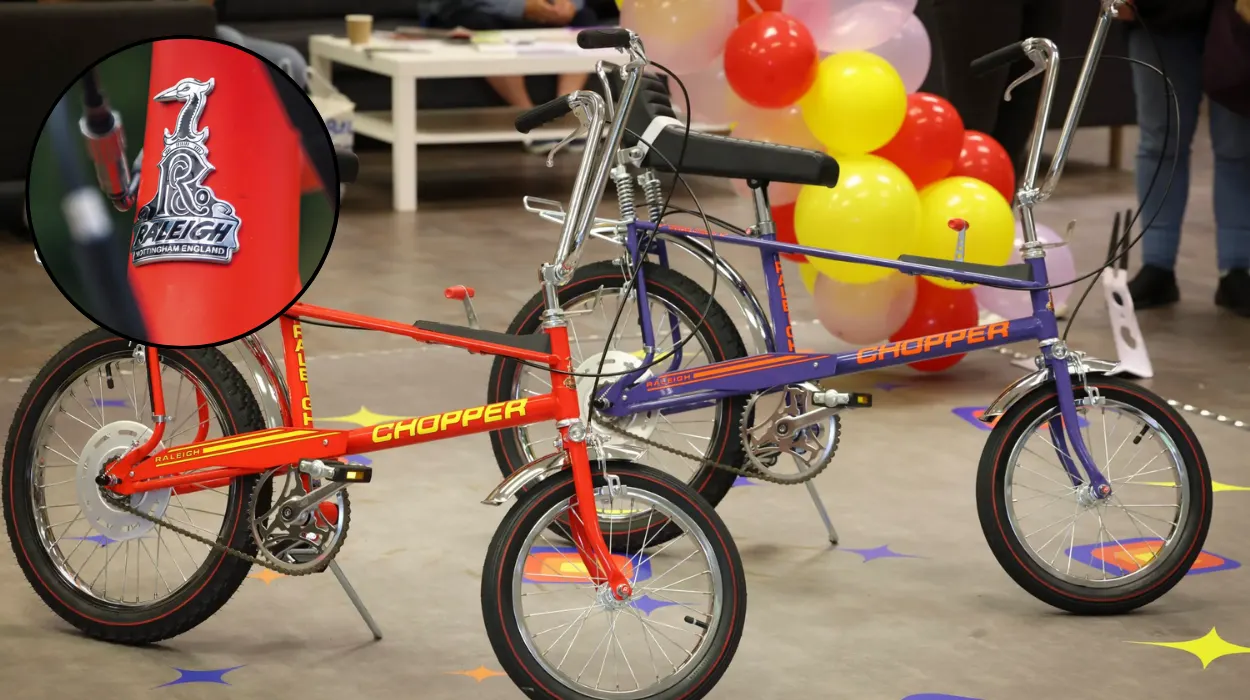
- It’s known for its Chopper bicycle, which has long handlebars and an all-retro style.
- Raleigh was purchased by Accell Group, based in the Netherlands, in 2012 for about US$100 million ($74 million at the time).
- Last week, Accell UK and Ireland issued a notice of intention to appoint administrators.
- On August 6, 2026, Oliver Wright, Joanne Hewitt-Schembri and Shamil Malde of FTI Consulting were appointed as administrators.
- Accell Group said it had considered all viable options for the business’ future, including discussions with prospective purchasers.
- In the Netherlands, the wider Accell Group has also begun insolvency proceedings, due to their lack of a viable solution.
- The situation is “deeply sad and frustrating,” wrote Accell’s chief executive Jonas Nilsson.
- Raleigh’s UK business, employees, suppliers, customers and creditors are in great uncertainty.
- The company’s priority was to facilitate an orderly process and maintain viable activities and jobs as far as possible, Accell said.
- The development has coincided with a challenging year on the high street, with several retail businesses, travel companies and airlines going into administration or liquidation.
- Other companies impacted in 2026 are LK Bennett, Claire’s, Quiz, the restaurant industry and various travel firms.
- Other UK store closures in the retail sector have been announced, including River Island, Primark, Poundland, Revolution, BrewDog and Franco Manca.
- Despite the closures, Aldi, M&S and Superdrug have announced new store openings, and Evans and Bodycare are back on the high street.
Nottingham (Britain Today News) August 11, 2026: Accell UK and Ireland, the owner of the 139-year-old British bicycle brand Raleigh, has entered administration after its parent company said it had explored every possible avenue to secure the business’s future.
- Key Points
- Why has Raleigh entered administration?
- What is the history of Raleigh?
- When did Accell Group acquire Raleigh?
- What has Accell Group said about the insolvency?
- Who are the administrators handling the case?
- What does the administration mean for Raleigh’s future?
- How does the case reflect pressure on the UK high street?
- Which other retailers have closed stores in 2026?
- Which travel companies have entered insolvency proceedings?
- Which UK airlines have entered administration or liquidation?
- What other business changes are taking place in the UK?
- What happens next for Raleigh and Accell?
The appointment of administrators places Raleigh’s UK operations under formal insolvency protection and leaves employees, suppliers, customers and creditors waiting for further information about the company’s next steps.
Oliver Wright, Joanne Hewitt-Schembri and Shamil Malde from FTI Consulting were appointed joint administrators on August 6. Their role will be to examine the company’s financial position, protect assets and determine whether the business, or parts of it, can be sold or continue trading.
Accell Group, which owns Raleigh and is based in the Netherlands, has also started insolvency proceedings in its home country. The group said it had already restructured its operations, secured additional funding and reduced debt earlier this year, but those measures failed to produce a long-term solution.
Why has Raleigh entered administration?
Accell UK and Ireland entered administration after the wider Accell Group failed to secure a viable plan for the company’s future.
The group said it had considered every realistic option, including discussions with potential buyers. However, none of the proposals resulted in a solution that would allow Accell to continue in its current form.
The decision follows a period of financial pressure across the wider cycling industry and the retail market. Accell had attempted to strengthen its finances through restructuring, additional funding and debt reduction. Despite those steps, the business was unable to reach an arrangement that secured its future.
Accell chief executive Jonas Nilsson said the decision was particularly difficult because of the effort made by staff, shareholders and lenders to stabilise the business.
“This is a deeply sad and frustrating situation given all the hard work and everything we have achieved, with the support of shareholders and lenders, to restructure Accell’s operations and finances,” Mr Nilsson said.
“It is an especially difficult moment for our employees, creditors, customers, suppliers, and partners.”
The statement did not confirm whether Raleigh’s operations would stop immediately, nor did it set out how many jobs could be affected. Those matters will now be considered by the administrators as part of the formal process.
What is the history of Raleigh?
Raleigh was founded in Nottingham in 1887 and has become one of the most recognisable names in British cycling.
The company’s Nottingham origins are central to its identity. For generations, Raleigh bicycles were associated with everyday transport, family cycling and British manufacturing. The brand developed a strong reputation in the UK and became part of the country’s cycling heritage.
One of Raleigh’s most famous products was the Chopper bicycle. The model featured extended handlebars, a distinctive seat and an unusual frame design that helped it stand apart from conventional bicycles.
The Chopper became especially well known for its bold appearance and its association with childhood cycling. Raleigh has retained the model within its retro range, allowing the design to remain familiar to collectors and customers attracted to classic bicycles.
Although Raleigh has changed ownership over the decades, its name has continued to carry strong recognition in Britain. The brand’s history, however, has not protected it from the financial difficulties affecting its current owner.
The administration does not automatically mean that the Raleigh brand has disappeared. The administrators will assess its assets, operations, stock, intellectual property and commercial prospects before determining what can be preserved or sold.
When did Accell Group acquire Raleigh?
Accell Group acquired Raleigh in 2012 for approximately US$100 million, or around £74 million.
The purchase formed part of Accell’s strategy to expand its portfolio of bicycle brands across Europe. The Dutch group already owned or controlled several cycling names, including Haibike, Winora and Ghost.
Raleigh gave Accell ownership of a historic British brand with a long-established reputation and a recognisable customer base. The deal also added a company with considerable heritage to Accell’s wider European bicycle business.
Since the acquisition, Raleigh has operated as part of the broader Accell structure rather than as an independent British-owned group. That means decisions about investment, debt, restructuring and future ownership have been connected to the financial position of the parent company.
The current administration of Accell UK and Ireland follows insolvency proceedings affecting the wider group. The financial difficulties at parent-company level have therefore had direct consequences for the British Raleigh business.
What has Accell Group said about the insolvency?
Accell said it had not decided without first examining a range of possible solutions.
The group stated that it had “explored every possible avenue” for the future of the business, including discussions with potential buyers. It said that no viable solution had been secured.
Mr Nilsson said the group had worked persistently to identify a way forward but had been unable to find an option that would allow the business to continue in its existing form.
“Every realistic option for the future of the business has been tirelessly explored, and none have resulted in a solution to continue the Group in its current form,” he said.
The chief executive added that the immediate priority would be to manage the insolvency process in an orderly manner.
“Our immediate focus is to support an orderly process, provide clarity wherever possible, and work with the relevant court-appointed administrators to preserve viable activities and employment where circumstances allow,” Mr Nilsson said.
His comments indicate that Accell intends to co-operate with the administrators while efforts are made to protect parts of the business that may still be commercially viable.
However, the company has not guaranteed that all activities will continue. The phrase “where circumstances allow” leaves open the possibility of job losses, closures, reduced operations or the sale of selected assets.
Who are the administrators handling the case?
FTI Consulting has been appointed to manage the administration of Accell UK and Ireland.
Oliver Wright, Joanne Hewitt-Schembri and Shamil Malde were appointed joint administrators on August 6. They will examine the company’s finances and assess the options available under UK insolvency law.
Administrators commonly review a company’s assets, liabilities, contracts, workforce, stock and trading position. They may seek a buyer for the whole company, sell parts of the business, continue trading for a period or wind down operations if no sustainable option can be found.
For Raleigh customers, suppliers and employees, the appointment means that future decisions will now be handled through the administration process. Further details may emerge as FTI Consulting assesses the business and communicates with interested parties.
The administrators may also consider whether Raleigh’s brand, products, stock, online operations or other assets could attract interest from potential buyers. A sale could allow some part of the business to survive under new ownership, although no such outcome has been confirmed.
The presence of a historic brand may make Raleigh attractive to buyers seeking an established name. Nevertheless, any potential purchaser would also need to assess the company’s debts, contracts, supply arrangements and future trading prospects.
What does the administration mean for Raleigh’s future?
The administration places Raleigh’s future at risk, but it does not necessarily mean that the brand will immediately cease to exist.
The administrators will determine whether the business can continue in full or in part. They may also explore a sale of the brand or selected operations to another company.
The outcome could involve several possibilities. Raleigh might continue trading under its current structure, operate on a smaller scale, be sold to a new owner or see parts of its business closed.
Employees are likely to be among those most affected by the uncertainty. Accell has not announced the final impact on jobs, and the number of positions at risk was not provided in the information available.
Suppliers and creditors may also face delays or losses, depending on the company’s financial position and the outcome of the administration. Customers could seek clarification about orders, warranties, repairs, refunds and the availability of Raleigh products.
The administrators are expected to provide further information as their review progresses. Until then, the future of Raleigh’s UK operations remains unresolved.
The brand’s history could support a rescue attempt, particularly because the Raleigh name is strongly associated with British cycling. However, heritage alone cannot guarantee financial viability in a competitive and changing bicycle market.
How does the case reflect pressure on the UK high street?
Raleigh’s administration comes during a difficult period for the UK high street, where businesses across retail, hospitality, travel and transport have faced significant financial pressure.
Several major brands have entered administration or liquidation during 2026, while other companies have announced widespread shop closures. The closures reflect the continuing difficulties faced by businesses attempting to manage costs, changing customer behaviour and weaker trading conditions.
LK Bennett, Claire’s and Quiz have been forced to close their remaining stores after entering administration. Leading Labels is also expected to close its final 15 stores after entering liquidation.
The restaurant sector has also faced closures. Whitbread has confirmed plans to close all of its UK restaurants under several brands. Brewers Fayre is due to close 89 locations on September 7, followed by Beefeater, which has 106 sites scheduled to close on September 10.
Bar + Block, Table Table and Cookhouse + Pub are also expected to close sites on September 3. These closures show that financial pressure is affecting businesses beyond traditional retail.
TG Jones and the British Heart Foundation are also expected to close around 150 stores across the UK. The scale and variety of the closures underline the broader challenges facing the high street.
Which other retailers have closed stores in 2026?
Several other retailers have announced closures or reductions in their UK presence during the year.
Businesses affected include River Island, Primark, Poundland, Revolution, BrewDog and Franco Manca. The nature of the changes differs between companies, with some closing selected locations and others reducing their estate as part of wider cost-cutting measures.
Poundland has faced continued attention over hundreds of possible closures, while BrewDog has announced the closure of a number of bars. Franco Manca has also confirmed plans to close 16 sites.
These developments provide important context for Raleigh’s administration. Although Raleigh is primarily associated with bicycles rather than a conventional high-street shop network, its UK business is exposed to the same wider economic pressures affecting consumer-facing companies.
Businesses must manage rent, staffing, transport, stock and financing costs while responding to changes in demand. Companies with strong heritage can still face difficulties if their wider financial structure becomes unsustainable.
Which travel companies have entered insolvency proceedings?
Several UK travel companies have also ceased trading or entered administration or liquidation during 2026.
The affected businesses include Regen Central Ltd, Gold Crest Holidays, Asiara UK Ltd, Simply Florida Travel Ltd, Trav Expert Ltd, Strachan Travel Ltd, Travel Bespoke Ltd, Groupia Ltd, Global Vision International, Ski Yodl Ltd, TS Travels Group, Yourtravelshop.com and TS Travel Realisations Ltd.
The failures have created concerns for customers whose holidays, flights or travel packages may be affected. In some cases, customers have been informed that trips were cancelled or that companies had stopped trading.
The number of travel businesses affected adds to the wider picture of financial strain across UK-facing companies. It also demonstrates how insolvency can affect customers directly, especially where bookings have already been made, and payments have been taken.
The Raleigh administration is different because it involves a manufacturing and cycling brand, but the central issue is similar: a company has been unable to secure a financially sustainable route forward after considering restructuring and potential buyers.
Which UK airlines have entered administration or liquidation?
Four UK airlines have also fallen into administration or liquidation during 2026.
Ascend Airways and EcoJet Airlines have entered liquidation, while Zenith Aviation Limited and European Cargo have entered administration.
The airline failures have been linked to difficult operating conditions, including pressure from fuel costs in some cases. Airlines face substantial expenses, complex regulatory requirements and high exposure to changes in passenger demand and operating costs.
European Cargo entered administration amid concerns linked to fuel costs, while other companies saw planned flights cancelled after entering liquidation or administration.
The failures affecting airlines, travel firms, restaurants and retailers show that insolvency is not limited to one sector. For Raleigh, the immediate concern is whether administrators can preserve viable operations and protect employment.
Explore More about Business:
Calian UK Secures CAD$296m British Army Training Deal
Thames Water Executive Payout Sparks Fury Amid Crisis
What other business changes are taking place in the UK?
UK delivery company Yodel is set to be phased out after being acquired by InPost. The change is expected to alter the structure of delivery services available to UK customers and businesses.
Morrisons has also reportedly been considering the sale of some in-store pharmacies as it continues to reduce costs. The potential move forms part of wider efforts by established retailers to reassess their assets and operating models.
However, the outlook for the UK high street is not entirely negative. Aldi, M&S and Superdrug have announced new store openings for 2026, indicating that some companies continue to see expansion opportunities.
Evans and Bodycare have also returned to the UK high street after previously closing all their stores. Their return suggests that retail brands may re-enter the market when they identify a more sustainable business model or believe trading conditions have improved.
For Raleigh, the next stage will depend on the administrators’ findings and the interest shown by potential buyers. The company’s long history may support efforts to preserve the brand, but its future will ultimately depend on whether a viable commercial solution can be found.
What happens next for Raleigh and Accell?
The administrators will now assess Accell UK and Ireland’s financial position and determine the best course of action.
That process may include seeking buyers, reviewing contracts, protecting valuable assets and considering whether parts of the business can continue operating. Employees, suppliers, customers and creditors are expected to await further announcements.
At group level, Accell has begun insolvency proceedings in the Netherlands. The outcome of those proceedings could influence the future of Raleigh and the group’s other bicycle brands, including Haibike, Winora and Ghost.
For now, no final decision has been announced about the future ownership or continued operation of Raleigh. The appointment of FTI Consulting marks the beginning of a formal process rather than the conclusion of the brand’s story.
Raleigh remains one of Britain’s most recognisable cycling names, with roots dating back to Nottingham in 1887 and a product history that includes the famous Chopper bicycle. Whether that heritage can be converted into a successful rescue or sale will become clearer as the administrators examine the company’s options.
The immediate priority, according to Mr Nilsson, is to provide clarity, support an orderly process and preserve viable activities and jobs wherever circumstances permit. Until the review is complete, however, the future of Raleigh’s UK business remains uncertain.