Key Points
- The Environment Agency has officially suspended the environmental operating permit of Twyford Recycling Limited with immediate effect, halting all incoming waste operations.
- A regulatory site inspection revealed that the facility had failed to implement adequate measures to prevent tyre fires, creating an active hazard.
- Officials found that a potential blaze at the facility would trigger substantial air pollution via toxic smoke, along with severe run-off risks to local groundwater and the River Lavant.
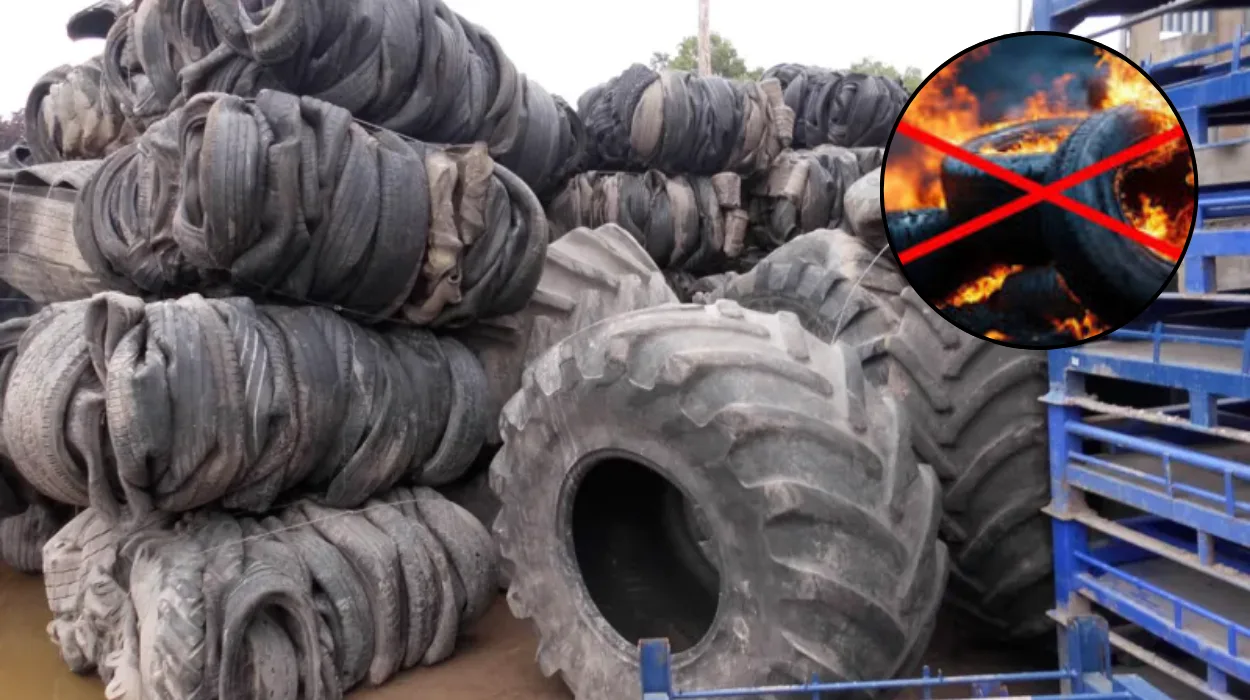
- Waste tyres were discovered stored haphazardly outside of designated, correctly constructed containment bays, which would severely restrict emergency access and firefighting efforts.
- Investigators noted that an inadequate volume of fire water was accessible on-site to combat a major outbreak of fire.
- Prevailing winds threatened to carry dangerous smoke plumes directly across the critical A27 dual carriageway and into Chichester, risking public health and transport networks.
- The operator has been legally ordered to clear all loose, shredded, and baled tyres from the West Sussex site by 18:00 BST on July 2.
- Twyford Recycling Limited retains a statutory two-month window to appeal the emergency enforcement notice through the national Planning Inspectorate.
Chichester (Britain Today News) June 19, 2026 – A major tyre recycling business operating on the outskirts of Chichester has had its environmental operating permit suspended with immediate effect following the discovery of acute fire hazards and compounding pollution risks. The Environment Agency executed an emergency enforcement intervention against Twyford Recycling Limited on Thursday, completely banning the facility from accepting any further waste processing materials onto its site. The decisive multi-agency enforcement operation has disrupted local waste movements and exposed long-standing systemic issues regarding hazardous material storage and environmental non-compliance at the West Sussex plant.
- Key Points
- What Triggered the Immediate Shutdown of Twyford Recycling Limited?
- Why Was the Available On-Site Fire Water Deemed Inadequate?
- What Threat Did Toxic Smoke Pose to the A27 and Chichester?
- How Could Firefighting Run-Off Devastate the River Lavant?
- Is Local Groundwater at Risk from Industrial Run-Off?
- What Strict Deadlines Have Regulators Given the Operators?
- What Legal Recourse and Appeal Options Are Available to the Firm?
- What Is the Prior Regulatory and Legal History of This Facility?
What Triggered the Immediate Shutdown of Twyford Recycling Limited?
As reported by official regulatory statements released by the Environment Agency, the emergency suspension was triggered by a routine but targeted enforcement site visit on Thursday 18th June. During the inspection, environmental protection officers uncovered widespread infrastructural and operational deficiencies that violated basic safety parameters. The primary catalyst for the immediate intervention was the complete absence of appropriate preventative measures designed to mitigate or contain high-intensity industrial fires.
The facility, which operates as a designated plant for the recovery, treatment, and processing of end-of-life vehicle tyres, was found to be operating in an unsafe manner that fell significantly short of legal compliance. Because tyre fires are notoriously difficult to extinguish once ignited, the absence of foundational containment measures forced regulators to exercise their emergency powers to protect the surrounding area from an imminent industrial accident.
How Did Faulty Tyre Storage Create an Unmanageable Fire Hazard?
According to detailed inspection findings published by the Environment Agency, investigators discovered that vast quantities of waste tyres were being kept in an entirely unregulated manner across the yard. Specifically, officers found that the waste tyres were stored outside of correctly constructed containment bays. In the specialized waste management industry, reinforced concrete bays are structurally required to compartmentalize flammable rubber stocks and prevent lateral fire spread.
By allowing piles of rubber to spill out into open, unauthorized areas of the yard, the operators effectively created a continuous fuel mass. Regulatory experts noted that this chaotic arrangement dramatically limited the ability of emergency services to safely access, tackle, and extinguish an active blaze. The lack of distinct fire breaks meant that any localized spark could rapidly escalate into an uncontainable, fast-spreading inferno.
Why Was the Available On-Site Fire Water Deemed Inadequate?
In the official enforcement enforcement brief, Environment Agency inspection officers noted that inadequate fire water was accessible directly on-site. When managing thousands of end-of-life tyres, operators are legally mandated to maintain access to a high-volume, reliable water supply or specialized suppression infrastructure capable of suppressing intense thermal energy.
Because rubber contains high volumes of petroleum-derived oil extenders and carbon black, tyre stockpiles possess an incredibly high calorific burn value. Standard water applications are frequently insufficient unless deployed instantly and in massive volumes. The discovery that Twyford Recycling lacked an adequate logistical water reserve meant that if an accidental ignition or act of arson occurred, local fire and rescue crews would be left structurally unequipped to control the initial outbreak.
What Threat Did Toxic Smoke Pose to the A27 and Chichester?
As outlined in the public safety impact assessment filed by the Environment Agency, the geographical positioning of the recycling facility created a major threat to public infrastructure and human health. The site sits in close proximity to critical regional transport links, including the busy A27 dual carriageway and local rail lines.
Regulatory modeling indicated that if a fire were to break out at this specific location, the prevailing regional winds would inevitably carry dense, toxic smoke emissions directly towards the A27 and the historic center of Chichester. Tyre smoke contains a dangerous cocktail of carbon monoxide, sulphur dioxide, and heavy metal particulates. A plume of this magnitude would not only endanger thousands of residents but would likely force the immediate closure of major South Coast transport arteries due to zero-visibility conditions.
How Could Firefighting Run-Off Devastate the River Lavant?
Beyond the immediate atmospheric threats, the Environment Agency highlighted severe secondary ecological hazards regarding water pollution. If a fire broke out, the thousands of gallons of water used by emergency services to douse the burning rubber would mix with liquefied chemical compounds, creating a highly hazardous chemical run-off.
The regulatory assessment explicitly warned of a catastrophic risk that contaminated water run-off from active firefighting operations would drain directly into the nearby River Lavant. The River Lavant is a sensitive local watercourse that supports delicate aquatic habitats and regional wildlife. Deluging this ecosystem with untreated, toxic industrial wastewater would result in widespread ecological degradation and immediate wildlife fatalities.
Is Local Groundwater at Risk from Industrial Run-Off?
In addition to surface water contamination, Environment Agency enforcement officers raised serious alarms regarding subsurface environmental damage. The inspection documentation confirmed that officers were deeply concerned about the risk of pollution to local groundwater systems caused by ongoing uncontained site run-off.
Without sealed, impermeable pavement surfaces and sophisticated interceptor drainage systems across the entire tyre processing area, chemical residues from disintegrating or poorly stored rubber can easily seep into the underlying soil. Over time, these pollutants migrate downward into the region’s chalk aquifers, threatening clean drinking water reserves and causing long-term environmental liabilities that are incredibly difficult and expensive to remediate.
What Strict Deadlines Have Regulators Given the Operators?
To mitigate the ongoing environmental liabilities, the regulatory body has issued a binding, time-sensitive clean-up mandate to the business owners. The Environment Agency has formally instructed Twyford Recycling Limited to remove the active risk of pollution by systematically clearing the entire site of accumulated inventory.
The official legal notice states that the site has been told to remove all loose, shredded, and baled tyres from the premises. This extensive clearance operation must be fully executed and finalized by a strict deadline of 18:00 BST on July 2. The Agency has made it explicitly clear that failing to comply with these clearance demands, or attempting to smuggle additional waste materials onto the property, constitutes a serious criminal offence that will trigger immediate prosecution.
Explore More about Business:
UK Inflation Holds at 2.8% as Food Prices Ease While Oil Costs Stay High
Japan, UK & Italy Push Forward on Advanced Fighter Jet Development
How Does the Environment Agency Justify Its Swift Enforcement?
The regulatory framework governing this emergency intervention is rooted in strict enforcement protocols designed to deter waste crime and rogue commercial operations. Area Environment Manager Michael Turner defended the decisive regulatory actions taken by his deployment teams, emphasizing that public safety and ecological preservation remain paramount.
As formally stated by Area Environment Manager Michael Turner of the Environment Agency:
“When we find a waste site not playing by the rules, we step in and take swift action to shut it down. That’s the case with Twyford Recycling where we’ve suspended its permit. We have firmly told the operator no more waste is allowed and to get rid of the risk of pollution before it blights the community and the environment.”
The enforcement action was further reinforced by a simultaneous waste enforcement operation in the immediate vicinity. Environment Agency officers, working in conjunction with local law enforcement, conducted a series of highly coordinated roadside stops targeting commercial vehicles moving into and out of the Chichester facility. These proactive roadside interceptions are heavily utilized by the Agency to gather vital operational intelligence, verify waste transfer documentation, and intercept illicit waste movements before they can impact local communities.
What Legal Recourse and Appeal Options Are Available to the Firm?
Despite the immediate and restrictive nature of the suspension notice, the legal framework provides a specific statutory window for commercial recourse. Under Regulation 37 of the Environmental Permitting Regulations for England and Wales, Twyford Recycling Limited has been granted exactly two months to formally appeal the regulatory decision.
Any such appeal must be lodged directly through the independent national Planning Inspectorate, which will review the merits of the Agency’s findings. However, the Environment Agency has distinctly clarified that lodging a formal appeal does not grant the company a reprieve from its immediate obligations. Even if an appeal is actively filed, the strict legal requirements of the suspension notice remain fully in force, meaning the firm must still halt all incoming waste and completely clear the site of all loose, shredded, and baled tyres by the July 2 deadline.
What Is the Prior Regulatory and Legal History of This Facility?
This latest operational shutdown is not the first instance of severe regulatory friction involving the Chichester site. A comprehensive review of public court registries reveals a historical pattern of non-compliance and defiance regarding environmental protections at this exact location on Appledram Business Park.
In December 2022, Twyford Recycling Ltd, along with individuals identified as running the company—specifically Dex Boyle and Gerard Harkin—faced criminal prosecution at Brighton Magistrates’ Court. In that historical case, investigators revealed that the operators had continuously run a scrap tyre recovery business without possessing the necessary environmental permits, completely ignoring multiple written and verbal safety warnings issued by the Environment Agency throughout 2020 and 2021.
During those prior inspections, officers noted identical hazards, including thousands of tyres piled excessively high without fire breaks near the A27 dual carriageway and the Chichester-to-Portsmouth railway line. Despite being ordered to cease operations due to an inability to protect the local environment, the operators continued to accept shipments, with stock doubling in size to over 100 tonnes. The 2022 legal proceedings concluded with Twyford Recycling Ltd pleading guilty to multiple regulatory breaches, resulting in corporate fines and sentences of 40 hours of unpaid work for both individual managers. The recurrence of identical tyre storage hazards and permit violations in 2026 highlights the chronic compliance challenges that ultimately necessitated this latest emergency suspension.