Key Points
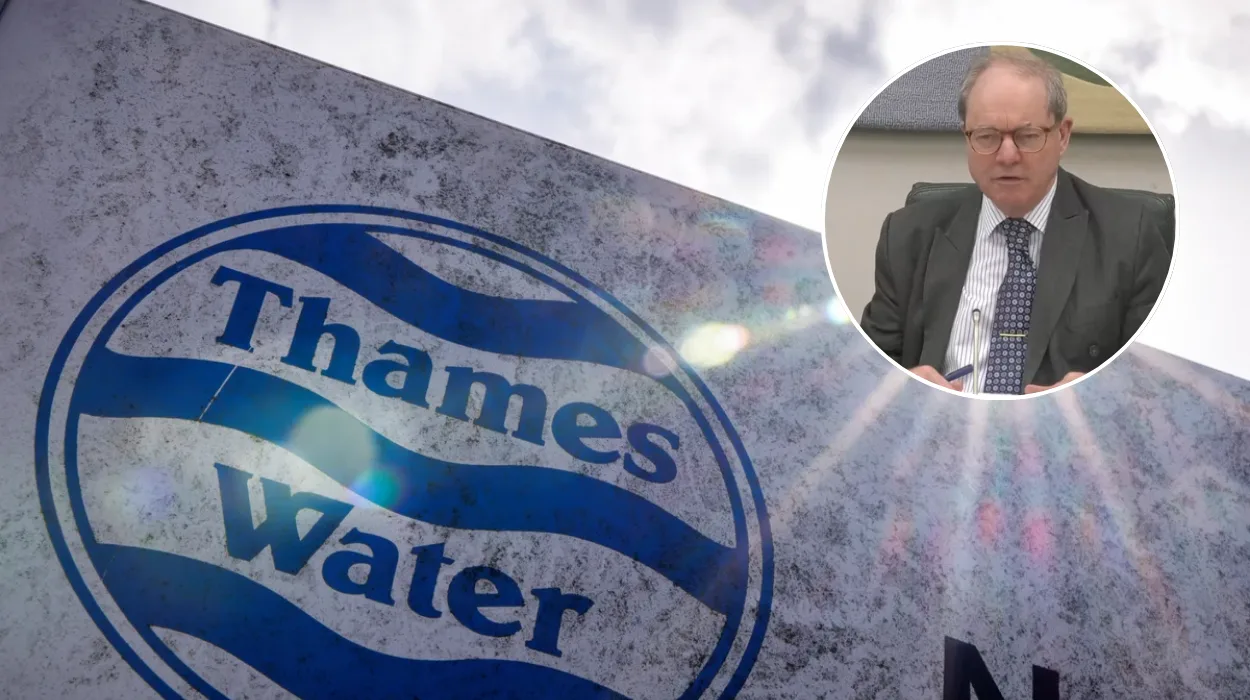
- Thames Water should be placed under the government’s Special Administration Regime (SAR), says Sir Geoffrey Clifton-Brown, Conservative MP for North Cotswolds and chairman of the Public Accounts Committee.
- Thames Water is “virtually insolvent,” Clifton-Brown tells i and it requires temporary public control to safeguard customers against “predatory” hedge-fund creditors.
- Under the guise of London & Valley Water, creditors such as Elliott Management, Silver Point Capital and the Royal Bank of Canada, Invesco and Apollo Global Management now effectively run the utility.
- Thames Water supplies water to 16 million people in London and the surrounding area, and is burdened with some £20 billion in debt.
- The company could go under before Christmas due to running out of cash, but is being propped up with a £3 billion loan facility at an almost 10 per cent interest rate.
- Last year alone, the creditors’ restructuring cost a whopping £430m in fees, interest, advisers and restructuring expenses.
- Clifton-Brown says a SAR would make it easier to save money on repairing leaky pipes and lessen sewage overflows by halting debt interest payments.
- Creditors have contended that they have “effective control”, and Thames Water has stated that a SAR would mean it would not be able to make improvements and would make it more costly.
- London & Valley Water promises customers they will not be forced to bear restructuring costs and dividends will be deferred until the business recovers.
- MP for Epping, Andrew Burnham, Prime Minister, has a choice as to whether to put Thames Water under special administration after previously promising “stronger public control” of vital services.
London (Britain Today News) September 01, 2026 — Thames Water should be placed under temporary public control to shield millions of bill payers from “predatory” hedge-fund creditors attempting to formally seize the company, a senior Conservative MP has said. Sir Geoffrey Clifton-Brown, the MP for North Cotswolds who also chairs the Public Accounts Committee, said he believed the UK’s largest water utility should be brought under the government’s Special Administration Regime (SAR) — a legal mechanism that places a failing water company under temporary public control while its finances are restructured.
- Key Points
- Who Has Called For Thames Water To Enter Special Administration?
- Why Does Clifton-Brown Believe Special Administration Is Necessary?
- Who Are The Creditors Behind London & Valley Water?
- How Severe Is Thames Water’s Financial Crisis?
- What Would Happen If Thames Water Entered Special Administration?
- How Much Would Special Administration Cost The Taxpayer?
- Could Creditors Mount A Legal Challenge Against The Government?
- What Has Thames Water Said In Response?
- How Has London & Valley Water Responded To The Criticism?
- What Is The UK Government’s Position On Thames Water?
- What Happens Next For Thames Water And Its Customers?
Who Has Called For Thames Water To Enter Special Administration?
Speaking in a personal capacity, Clifton-Brown did not mince his words about the scale of the crisis engulfing Thames Water.
“Thames Water is virtually insolvent.”
He said.
“I am 100 per cent sure that Thames Water should be brought under the special administration regime to protect customers from predatory hedge funds.”
Clifton-Brown’s intervention adds significant political weight to the debate over Thames Water’s future, given his role overseeing public spending scrutiny in Parliament. He said getting the situation right was essential not just for Thames Water’s customers, but for the water industry as a whole.
“It is crucial to get the Thames situation right as it is the apogee for the entire troubled water sector.”
He said.
Why Does Clifton-Brown Believe Special Administration Is Necessary?
According to Clifton-Brown, the core of the problem lies in who now effectively controls Thames Water’s fate. He said his constituents were
“paying rip-off increases in water bills but not getting the reduction in leaky pipes or sewage spills into rivers that they expect while the hedge funds charge usurious interest rates and take out large amounts of cash.”
He argued that placing the company into special administration would immediately halt interest payments to creditors, redirecting that money towards fixing Thames Water’s ageing and deteriorating infrastructure instead.
“What is absolutely clear is that if the company is put into SAR, all these interest payments will stop and that money can go into repairing the company’s degraded infrastructure..”
Clifton-Brown said.
Who Are The Creditors Behind London & Valley Water?
Thames Water’s creditors are led by hedge funds Elliott Management and Silver Point Capital, which acquired a relatively small proportion of the utility’s debt at steep discounts in tranches beginning in spring 2024. This followed the decision of Thames Water’s previous owners to walk away from the business, having declared it “uninvestable.”
The utility is now, in effect, in the hands of this creditor group, which operates under the banner London & Valley Water. The consortium also includes Royal Bank of Canada, Invesco and Apollo Global Management. Clifton-Brown described this arrangement as “unprecedented” for a UK water company.
How Severe Is Thames Water’s Financial Crisis?
Thames Water provides essential water and wastewater services to 16 million customers across London and the surrounding areas. The company is currently struggling under a debt burden of approximately £20 billion and risks running out of cash before Christmas without further intervention.
To stay operational, Thames Water is being propped up by a £3 billion loan facility from its creditors, carrying an interest rate of almost 10 per cent. Financial documents show that the cost of the creditor-led restructuring last year alone — covering fees, super-senior interest, advisers and restructuring charges — totalled £430 million, according to the company’s accounts to the end of March.
What Would Happen If Thames Water Entered Special Administration?
Under a Special Administration Regime, an independent insolvency practitioner would be appointed to ensure that Thames Water’s services continue to run and that staff continue to be paid. Crucially, the company’s debt and debt interest payments would be frozen during this period. Once under administration, Thames Water’s finances could be restructured, potentially paving the way for a sale to new owners.
To trigger a SAR, either the government or Thames Water itself would need to apply to the High Court because the company is insolvent or has breached its environmental obligations. Clifton-Brown said legal experts believed both of these conditions had already been satisfied.
How Much Would Special Administration Cost The Taxpayer?
Clifton-Brown dismissed claims made by Thames Water’s advisers that placing the company into special administration would cost the government as much as £4 billion. He pointed out that a moratorium on interest payments to creditors would allow cash to be diverted instead towards investment in sewage treatment and water infrastructure.
He further argued that even if the government did need to inject cash into the business, taxpayers would be first in line to be repaid once Thames Water exited special administration. He cited the precedent of Bulb Energy, which was taken into special administration and subsequently sold to Octopus Energy at no high cost to taxpayers.
“What is absolutely clear is that if the company is put into SAR, all these interest payments will stop.”
Clifton-Brown reiterated, noting that he had served as deputy chair of the Public Accounts Committee when it advised the government on the Bulb Energy case.
Explore More about Business:
British Business Bank Boosts Funding for Compass Finance to £45m
London Stocks Edge Higher Ahead Of Warsh’s Jackson Hole Speech
Could Creditors Mount A Legal Challenge Against The Government?
Clifton-Brown acknowledged that ministers were likely to face legal threats should they decide to place Thames Water into special administration. Elliott Management, one of the lead creditors, has previously gained notoriety for seizing an Argentine naval vessel during a 15-year dispute with the Latin American nation over its defaulted sovereign debt.
However, Ewan McGaughey, professor of law at King’s College London, said the government would likely prevail in any such legal battle.
“Given Thames Water’s severe breaches of statutory duties and neglect of infrastructure, the government is likely to defeat any legal challenges from creditors.”
McGaughey said. He added:
“There is no duty to maximise returns to creditors or indeed give them any compensation in special administration; the duty is instead to put the public interest in clean, running water first.”
What Has Thames Water Said In Response?
Thames Water has firmly pushed back against the characterisation that it is under the “effective control” of its creditors. A spokesperson for the company said an SAR would
“delay urgently needed improvements, increase costs, transfer risk and potentially create operational disruption”.
while failing to resolve the underlying regulatory and structural challenges the company faces.
“Thames Water is not under the ‘effective control’ of its creditors.”
The spokesperson said.
“Our operational and financial turnaround is being led by our board and executive leadership.”
How Has London & Valley Water Responded To The Criticism?
The London & Valley Water consortium of creditors has sought to reassure customers that they will not bear the financial burden of the restructuring process. A spokesperson for the group said:
“Customers will be protected from all financial costs of Thames Water’s restructuring. All profits will be reinvested in the infrastructure, and no dividends will be taken until the business is turned around.”
What Is The UK Government’s Position On Thames Water?
Prime Minister Andy Burnham is now under mounting pressure to decide whether to place Thames Water into special administration. He has previously stated that bringing the company under “public control” was the right course of action, though a final decision has yet to be confirmed.
A government spokesperson reiterated this stance, saying:
“The prime minister has always said the essentials — water, energy and transport — should be under stronger public control, and that has not changed. Our water industry has not been working for people for far too long.”
What Happens Next For Thames Water And Its Customers?
With Thames Water’s cash reserves under threat and political pressure building from within his own party’s opposition benches, the coming weeks are likely to prove decisive for the utility’s future. Clifton-Brown’s intervention places renewed scrutiny on Downing Street to act, with campaigners, MPs and legal experts increasingly divided over whether temporary nationalisation or continued creditor-led restructuring offers the better path forward for the 16 million customers who rely on Thames Water every day.
For now, both Thames Water and the London & Valley Water consortium maintain that their existing turnaround plan is the right approach, while critics such as Clifton-Brown insist that only special administration can genuinely protect customers from what he describes as the “usurious” practices of hedge-fund creditors. The final decision rests with the government, which has signalled sympathy for greater public control of essential services without yet committing to a specific course of action for Thames Water.