Key Points
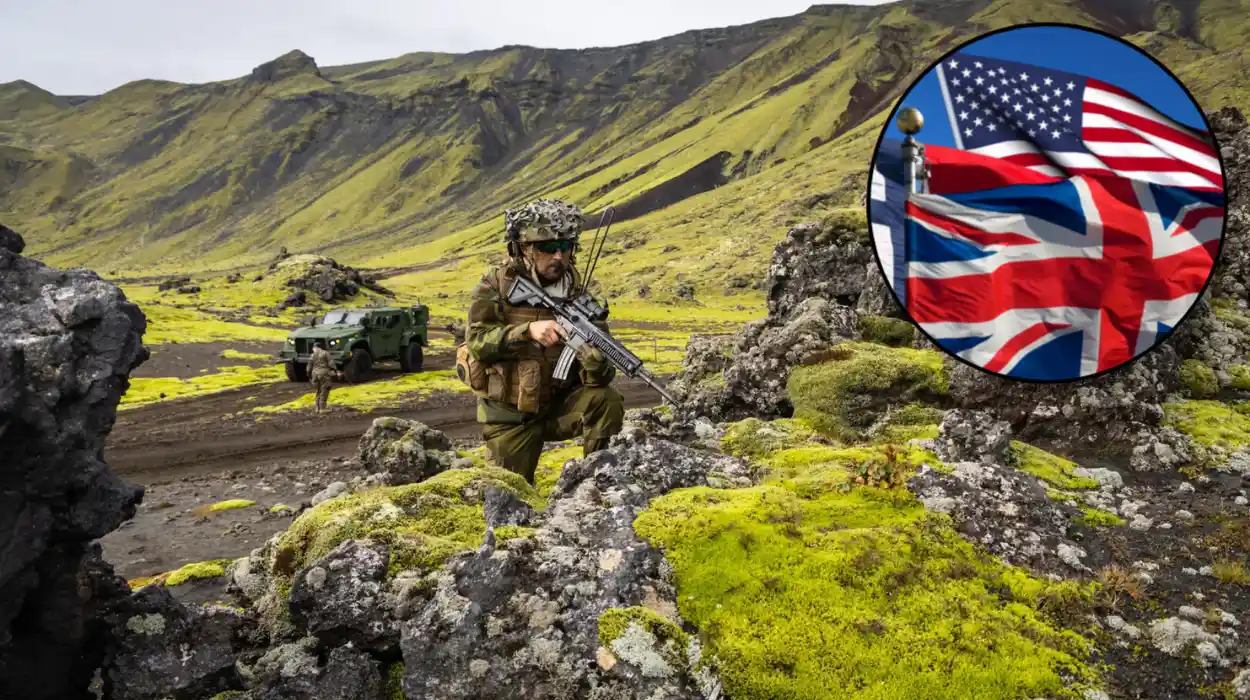
- From 26 August to 4 September 2026, a combined training exercise between the Norwegian, British and US Armed Forces, Operation Atlantic City, will be held on Jan Mayen.
- Jan Mayen belongs to the Kingdom of Norway and is strategically situated in the Norwegian Sea within NATO’s area of responsibility.
- The training is designed to enhance NATO’s joint operations capacity in difficult Arctic conditions and its defensive posture.
- Operation Atlantic City is named for a U.S. military base that was built during the Second World War to support meteorological observations and Allied control in the North Atlantic.
- The exercise is part of NATO’s Arctic Sentry Multi-domain exercise, started in February 2026 to build the Alliance’s posture and presence in the Arctic region.
- Forces involved are: Royal Norwegian Navy, Norwegian Home Guard, US Marine Corps, and British Royal Air Force.
- Vice Admiral Rune Andersen, Commander of the Norwegian Joint Headquarters, said that it was crucial to prove the ability and intent to protect Norwegian territory, including the Arctic islands.
- The training is based on the exercises that were held in September 2025 on and around Jan Mayen.
- Joint Force Command Norfolk is the Commanding General of Arctic Sentry, which plans Allied operations such as Cold Response and Denmark’s Arctic Endurance in Greenland.
- Its geographical position outside the Svalbard Treaty makes it very important for Norwegian and NATO area defence operations.
Arctic (Britain Today News) August 21, 2026 — Norwegian Armed Forces will host British and American military personnel for a significant joint training exercise on the remote Arctic island of Jan Mayen, marking a critical demonstration of NATO’s commitment to defending its northern territories. The multinational Operation Atlantic City will run from 26 August through 4 September 2026, bringing together the Royal Norwegian Navy, Norwegian Home Guard, US Marine Corps, and British Royal Air Force in one of the most challenging Arctic environments on Earth. The exercise underscores NATO’s strategic pivot toward the High North and represents an intensified effort to strengthen Allied presence and operational capability in a region of increasing geopolitical importance.
- Key Points
- What Makes Jan Mayen Strategically Vital for NATO’s Arctic Defence?
- How Does Operation Atlantic City Connect to NATO’s Broader Arctic Strategy?
- What Historical Significance Does Jan Mayen Hold for Allied Operations?
- Why Is Training Under Arctic Conditions Essential for NATO Personnel?
- Which Forces Participate in the Joint Training Exercise?
- What Were the Outcomes of Previous Jan Mayen Training in September 2025?
- How Does Arctic Sentry Coordinate NATO’s Expanding High North Activities?
- What Challenges Do Extreme Arctic Conditions Present to Military Operations?
- Why Does NATO Prioritise Arctic Operations in Its Contemporary Strategy?
- What Are the Broader Implications of Norwegian-British-American Arctic Cooperation?
What Makes Jan Mayen Strategically Vital for NATO’s Arctic Defence?
Jan Mayen, a volcanic island located in the Norwegian Sea, has long been recognised as strategically important despite its remote and isolated nature. The island, which is Norwegian territory and falls within NATO’s area of responsibility, serves as a critical waypoint for monitoring activities in the North Atlantic and wider Arctic region. As noted by Vice Admiral Rune Andersen, Commander of the Norwegian Joint Headquarters, the island’s significance extends beyond its geographical isolation.
“The volcanic island of Jan Mayen is isolated, but strategically located in the Norwegian Sea, and is not part of the Svalbard Treaty. Together with the mainland, Svalbard and the ocean areas in the north, the island forms part of Norway that must be ready to be defended.”
The Commander stated this during previous training conducted in September 2025.
The island’s location outside the Svalbard Treaty framework distinguishes it from other Norwegian Arctic territories and requires specialised defensive planning and operational readiness. The challenging Arctic environment, characterised by extreme weather conditions, limited infrastructure, and vast distances from mainland Norway, makes training on Jan Mayen essential for military personnel who may be called upon to operate in these conditions.
How Does Operation Atlantic City Connect to NATO’s Broader Arctic Strategy?
Operation Atlantic City is not an isolated exercise but rather forms a crucial component of NATO’s comprehensive Arctic strategy. The training initiative is part of NATO’s Arctic Sentry, an enhanced Vigilance Activity for the High North that was officially launched in February 2026. Arctic Sentry represents a multi-domain activity designed specifically to strengthen the Alliance’s posture, presence, and operational effectiveness across the Arctic region. The initiative was established in response to growing security challenges and the strategic importance of the High North, which has become an increasingly contested space for global powers.
Vice Admiral Rune Andersen articulated the purpose of these joint operations, stating:
“By operating alongside our Allies, we demonstrate that we have both the capability and the will to defend Norwegian territory. This includes the Arctic islands, the High North and our territorial waters.”
This statement encapsulates NATO’s deterrent message to adversaries whilst simultaneously reinforcing the commitment of member states to collective defence obligations under Article 5 of the NATO Treaty.
Arctic Sentry is led by Joint Force Command Norfolk and serves a critical coordination function amongst Allied nations conducting increasing activities throughout the region. The activity encompasses multiple military exercises and training operations, including the Norwegian-led Cold Response military exercise conducted earlier in 2026 and the ongoing Arctic Endurance training associated with Denmark in Greenland.
What Historical Significance Does Jan Mayen Hold for Allied Operations?
The naming of the training exercise—Operation Atlantic City—carries historical weight and significance. The name derives from a United States military base that was established at Nordlaguna on Jan Mayen during the Second World War. The base was constructed with a specific strategic purpose: to support meteorological observations that were critical to Allied military operations and to help maintain Allied control over the North Atlantic during the conflict. This historical context illustrates how Jan Mayen has been recognised as strategically important by Western Allied forces for over eighty years.
The Norwegian Armed Forces note that this historical precedent underscores the island’s enduring value in contemporary NATO operations. By naming the 2026 training after this wartime base, the Norwegian military leadership deliberately connects current operations to decades of Allied presence and engagement in the region. This historical continuity demonstrates that Arctic defence considerations have been central to Norwegian and Allied defence planning for generations.
Why Is Training Under Arctic Conditions Essential for NATO Personnel?
The Arctic environment presents unique and multifaceted challenges that distinguish it from temperate or subtropical military operating environments. Extreme weather conditions, including storms, sub-zero temperatures, and extended periods of darkness during winter months, create operational challenges that require specialised training. Additionally, the vast distances involved, limited infrastructure, and harsh terrain demand that personnel operating in the region possess specific skills and knowledge. The Norwegian Armed Forces have emphasised that familiarity with the geography of Jan Mayen and understanding of the island’s unique and challenging conditions are essential for both Norwegian and Allied forces.
Operation Atlantic City allows military personnel from three nations to develop and refine these critical skills in a realistic operational environment. Personnel gain practical experience in navigation, communication, logistics, and tactical operations under Arctic conditions. They learn how extreme weather affects equipment performance, how distance and isolation impact supply chains, and how to coordinate multinational forces across a harsh landscape. This training cannot be adequately replicated in temperate-zone military facilities, making exercises on Jan Mayen indispensable for operational readiness.
Which Forces Participate in the Joint Training Exercise?
The multinational composition of Operation Atlantic City reflects NATO’s commitment to collective defence and demonstrates the breadth of Allied participation in Arctic operations. From the Norwegian Armed Forces, participants include the Royal Norwegian Navy and the Norwegian Home Guard, representing both maritime and territorial defence capabilities. The Royal Norwegian Navy brings expertise in naval operations in Arctic waters, whilst the Norwegian Home Guard provides knowledge of territorial defence and local conditions.
The United States contributes the US Marine Corps, a force renowned for its expeditionary capabilities and rapid deployment expertise. The Marine Corps’ involvement demonstrates American commitment to NATO’s Arctic strategy and provides advanced amphibious assault and rapid-response capabilities to the exercise. The British Royal Air Force contributes air power capabilities essential for surveillance, transport, and rapid response across the Arctic region. The RAF’s participation enhances the exercise’s multi-domain character and ensures that air superiority and air defence capabilities are integrated into the training scenario.
What Were the Outcomes of Previous Jan Mayen Training in September 2025?
The training scheduled for August-September 2026 follows closely upon a similar exercise conducted in September 2025. That previous training exercise involved substantially the same participating forces and covered similar operational objectives. The September 2025 exercise proved successful in demonstrating the capability of Allied forces to operate effectively on Jan Mayen despite the challenging environment. Vice Admiral Rune Andersen, reflecting on the 2025 exercise, reinforced the strategic imperative for such training, emphasising that Jan Mayen, despite its isolation, must be considered as part of Norwegian territory requiring defensive readiness.
The successful completion of the 2025 training provided valuable lessons learned for military planners, identified gaps in equipment or procedures, and enabled the refinement of operational concepts for Arctic defence. The 2026 exercise builds upon these lessons, incorporating improvements and addressing any shortcomings identified during the previous year’s operations. The continuity between 2025 and 2026 training demonstrates NATO’s commitment to institutionalising Arctic training as a regular, recurring element of defence planning.
How Does Arctic Sentry Coordinate NATO’s Expanding High North Activities?
Arctic Sentry represents an evolution in how NATO approaches coordination of its Arctic activities. Rather than treating Arctic operations as isolated events, Arctic Sentry provides an overarching framework for synchronising Allied military activities across the region. Launched in February 2026 under the command of Joint Force Command Norfolk, Arctic Sentry has already overseen multiple significant exercises and training activities. These include the Cold Response military exercise led by Norway, which involved substantial NATO participation, and the ongoing Arctic Endurance training associated with Denmark’s operations in Greenland.
By coordinating these activities under a unified Arctic Sentry umbrella, NATO achieves several strategic objectives. First, it ensures that Allied nations are conducting operations in a coordinated manner rather than independently, reducing the risk of miscommunication or operational conflicts. Second, it allows for better allocation of resources and interoperability amongst different national forces. Third, it sends a clear strategic message to adversaries that NATO views the Arctic as an integrated theatre of operations requiring comprehensive defensive planning. Joint Force Command Norfolk, through its leadership of Arctic Sentry, has become the central hub for Arctic military coordination within NATO.
What Challenges Do Extreme Arctic Conditions Present to Military Operations?
The Arctic environment presents distinctive challenges that fundamentally affect how military operations must be conducted. The Norwegian Armed Forces emphasise that understanding these challenges is essential for operational effectiveness. Extreme weather, with temperatures plummeting far below freezing and storms creating whiteout conditions, affects visibility, equipment performance, and personnel endurance. Extended darkness during Arctic winter months creates navigation challenges and affects communications and surveillance capabilities. The vast distances and limited infrastructure mean that supply lines are thin and vulnerable to disruption.
Personnel operating in the Arctic must contend with psychological pressures arising from isolation and extreme environmental conditions. Equipment designed for temperate climates may malfunction in extreme cold or fail to perform as expected in extended darkness. Vehicles, aircraft, and naval vessels require modifications or specialised maintenance protocols for Arctic operations. Medical capabilities must account for conditions such as frostbite and hypothermia that are rare in temperate zones. Training exercises like Operation Atlantic City allow military personnel to develop the specialised skills, procedures, and mental resilience required to operate effectively despite these challenges.
Why Does NATO Prioritise Arctic Operations in Its Contemporary Strategy?
NATO’s intensified focus on the Arctic, exemplified by Arctic Sentry and exercises such as Operation Atlantic City, reflects the region’s growing strategic importance. The Arctic is experiencing dramatic environmental changes due to climate change, with melting ice opening new maritime routes and resource areas. These changes are attracting attention from global powers seeking to exploit new opportunities and extend their influence. Additionally, Russia’s military build-up in the Arctic and its increasingly assertive posture in the region have prompted NATO to strengthen its own presence and capabilities.
The High North—comprising the Arctic regions near Norway and NATO members’ territories—occupies a critical strategic position. Control or influence over Arctic sea lanes, resources, and territories could have profound implications for global geopolitics. NATO members, particularly those with Arctic territories such as Norway, Denmark, and Canada, have a direct interest in ensuring that the region remains stable and that any power seeking to project influence does so in accordance with international law. By conducting regular training exercises and strengthening NATO’s operational capabilities in the Arctic, Allied nations demonstrate their determination to maintain a rules-based international order in the region and to deter potential adversaries from aggressive action.
Explore More about the World:
Indonesia Earthquake: 7.7-Magnitude Tremor Kills 47 Off Flores Coast
PM Shehbaz Inaugurates Google Pakistan Office After Meeting Delegation
What Are the Broader Implications of Norwegian-British-American Arctic Cooperation?
The participation of Norway, Britain, and the United States in Operation Atlantic City underscores the depth of defence cooperation amongst NATO’s northern members. Norway, though not always in the headlines of international affairs, occupies a critical strategic position bordering Russia and controlling important Arctic territories. Britain, despite its geographic distance from the Arctic, has strategic interests in the region and maintains significant naval and air capabilities. The United States, with its global role as NATO’s largest military power and its strategic interests in Arctic sea lanes, brings substantial resources and commitment.
This trilateral cooperation demonstrates that Arctic defence is not a Norwegian responsibility alone but rather a shared NATO commitment. The training also sends a message to Norwegian citizens that their country’s security is backed by powerful Allied nations. For Britain and the United States, participating in Arctic training underscores their commitment to NATO’s northeastern flank and their recognition of the Arctic’s strategic importance. The exercise builds interoperability amongst the three nations’ forces, enabling better coordination should genuine security threats emerge.
Operation Atlantic City represents a significant moment in NATO’s evolving Arctic strategy. From 26 August through 4 September 2026, the Norwegian, British, and American military forces will operate on one of the world’s most remote and challenging islands, demonstrating their commitment to collective defence and their capability to operate effectively in the High North. The exercise builds upon lessons from previous training, contributes to the broader Arctic Sentry initiative, and reflects NATO’s determination to maintain security and stability in a strategically vital region. As the Arctic continues to transform due to climate change and geopolitical shifts, training exercises such as Operation Atlantic City will become increasingly important to ensuring that NATO and its members remain prepared to defend their territories and interests in the region.