


Key Points
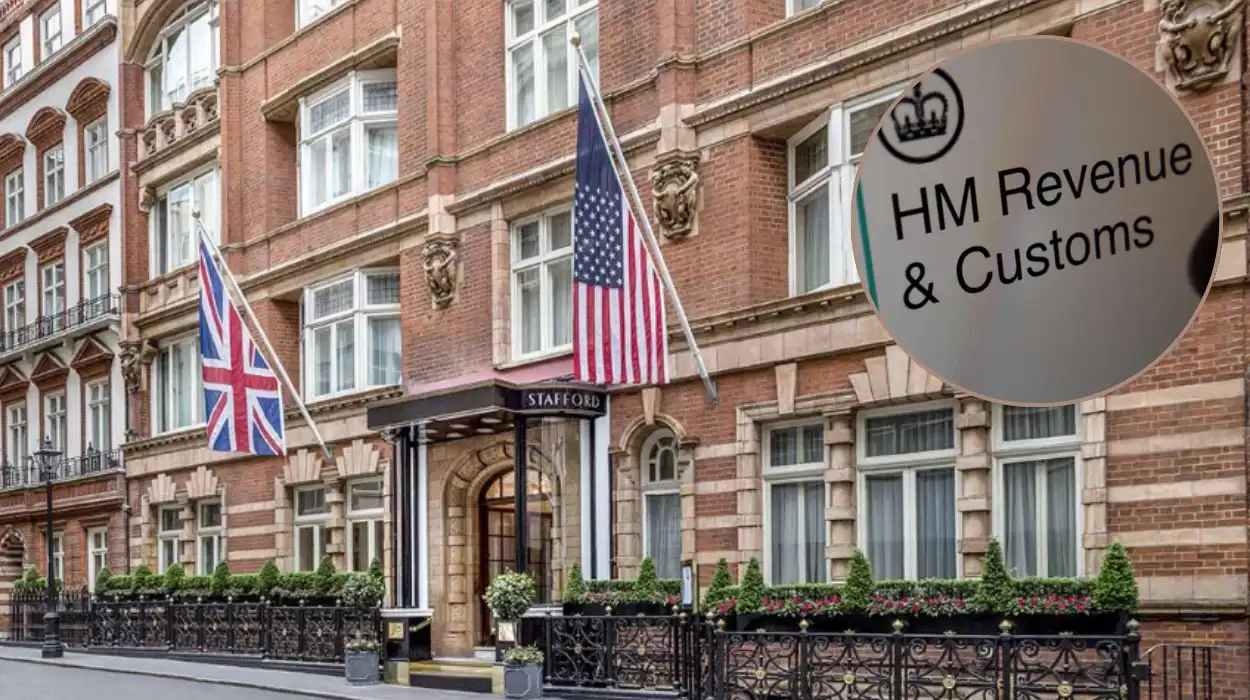
- A 107-room five-star hotel in Mayfair has been issued with a winding-up petition by Her Majesty’s Revenue and Customs (HMRC) for overdue debt.
- A petition was filed before the High Court, and another winding-up petition was issued against the hotel’s parent company BHL (previously known as Britannia Hospitality).
- BHL is owned by the El Sharkawy family, Egyptian property and hospitality entrepreneurs, who have owned the Stafford since 2009.
- The petition comes months after the hotel’s managing director, John Mclean, resigned after just one year.
- Executive chef Simon Ulph is also gone, joining Rothay Manor.
- BHL’s stand-alone figures for the year to 31 December 2024 show a 4.6% decrease in revenue to £30 million and an 11.5% decline in EBITDA to £5.4 million.
- HMRC will only file winding-up petitions after other options have been considered.
- The Stafford said it has been made aware of the petition and is “business as usual” at the hotel.
Mayfair (Britain Today News) August 12, 2026 – The Stafford London, one of the capital’s best-known five-star hotels, has been served a winding-up petition by HM Revenue and Customs after falling into unpaid debt, with a filing lodged at the High Court. The action against the 107-room Mayfair property comes only months after the departure of its managing director and its executive chef, raising fresh questions over the stability of the business at a time when its parent company’s finances are also under strain.
- Key Points
- What Has Happened to the Stafford London?
- What Is a Winding-Up Petition and Why Does It Matter?
- Who Owns the Stafford London?
- Why Was a Separate Petition Filed Against BHL?
- What Is the Stafford Collection and Which Properties Does It Include?
- Why Did Managing Director John Mclean Step Down?
- Why Did Executive Chef Simon Ulph Leave the Hotel?
- What Do BHL’s Latest Financial Results Show?
- What Has HMRC Said About the Petition?
- How Has the Stafford London Responded to the Petition?
- What Could Happen Next for the Stafford London and BHL?
- What Does This Mean for Mayfair’s Hospitality Sector?
- What Should Guests and Staff at the Stafford Expect?
What Has Happened to the Stafford London?
The Stafford London, situated in the heart of Mayfair and long regarded as one of London’s most prestigious independent hotels, has been served with a winding-up petition by HMRC. The petition relates to unpaid debts owed by the hotel and was filed with the High Court. A winding-up petition is one of the most serious legal actions a creditor can take against a company, and its filing signals that HMRC believes the debts owed to it have not been settled through the usual channels.
What Is a Winding-Up Petition and Why Does It Matter?
A winding-up petition is a formal legal request made to the court asking that a company be forced into compulsory liquidation because it has failed to pay a debt it owes. Once a petition is issued, the company in question faces the prospect of being wound up entirely, with its assets sold to repay creditors, unless the debt is settled, a repayment arrangement is agreed, or the petition is successfully challenged. For a business as prominent as the Stafford, the filing represents a significant reputational and operational risk, even before any court hearing takes place.
Who Owns the Stafford London?
The Stafford has been owned since 2009 by BHL, formerly known as Britannia Hospitality. BHL is controlled by the El Sharkawy family, Egyptian entrepreneurs with a long-standing presence in the property and hospitality sectors. Under their ownership, the Stafford has built a reputation as one of Mayfair’s premier hotels, known for its historic American Bar and its position just off St James’s.
Why Was a Separate Petition Filed Against BHL?
Alongside the petition against the Stafford itself, a second winding-up petition has been filed against BHL, the hotel’s parent company. The filing of two separate petitions, one against the operating hotel and one against its parent business, points to debts being pursued at more than one level of the corporate structure, adding further pressure on the group as a whole.
What Is the Stafford Collection and Which Properties Does It Include?
BHL founded the Stafford Collection in 2019 as a vehicle to expand beyond its flagship Mayfair hotel. The Collection now comprises three properties: the Stafford in Mayfair, Norma in Fitzrovia, and, since June 2025, Lympstone Manor in Devon, the country house hotel run by celebrated chef Michael Caines. The addition of Lympstone Manor marked a notable expansion of the group’s footprint outside London, but the winding-up petitions raise questions over how the wider Collection may be affected by the financial pressures facing its parent company.
Why Did Managing Director John Mclean Step Down?
The winding-up petition follows the departure of John Mclean, who left his role as managing director of the Stafford Collection after just a year in the position. His exit had already prompted speculation within the hospitality industry about the direction of the business, and the timing of the HMRC petition, coming so soon afterwards, is likely to intensify scrutiny of the group’s leadership and financial oversight during his tenure and since.
Why Did Executive Chef Simon Ulph Leave the Hotel?
Mclean’s departure was shortly followed by that of executive chef Simon Ulph, who left the Stafford to take up a position as head chef at Rowan, the restaurant within Rothay Manor. The loss of two senior figures within a short period, one from the commercial leadership and one from the culinary team, has added to the sense of upheaval at the property in the months preceding the winding-up petition.
What Do BHL’s Latest Financial Results Show?
BHL’s most recently filed accounts, covering the year to 31 December 2024, paint a picture of a business under pressure. Revenue fell by 4.6% to £30 million over the period, while earnings before interest, taxes, depreciation and amortisation (EBITDA) declined by 11.5% to £5.4 million. The fall in both top-line revenue and underlying profitability suggests the group was already contending with tightening margins before the winding-up petitions were filed, potentially compounding the difficulty of resolving the outstanding tax debt.
What Has HMRC Said About the Petition?
HMRC has set out its general approach to pursuing unpaid tax debts. A spokesperson for the tax authority said:
“We take a supportive approach to dealing with customers who have tax debts and only file winding-up petitions once we’ve exhausted all other options, to protect taxpayers’ money.”
The statement underlines that, from HMRC’s perspective, the petition against the Stafford and BHL represents a last resort rather than an initial step, implying that other avenues to recover the debt had already been attempted before the court filing was made.
How Has the Stafford London Responded to the Petition?
A spokesperson for the Stafford has acknowledged the petition and sought to reassure guests and staff that operations remain unaffected. The spokesperson said:
“The Stafford is aware of the petition referenced in recent media coverage. The matter is currently being addressed through the appropriate channels.”
The spokesperson added:
“In the meantime, it remains business as usual at the Stafford, with the hotel continuing to deliver the high standards of service for which it is known.”
The statement stops short of disclosing how the debt arose or what steps are being taken to resolve it, but it signals that the hotel intends to continue trading as normal while the legal process unfolds.
What Could Happen Next for the Stafford London and BHL?
With winding-up petitions now lodged against both the Stafford and its parent company BHL, the coming weeks are likely to be pivotal. Companies served with such petitions typically have the opportunity to settle the debt, negotiate a payment plan with HMRC, or contest the petition in court before any hearing that could lead to compulsory liquidation. Given the scale of Stafford’s operations and its standing within London’s luxury hospitality sector, industry observers will be watching closely to see whether the matter is resolved swiftly or whether it escalates into a more protracted legal dispute. The outcome will also be of interest to the wider Stafford Collection, given the group’s recent expansion into Devon with Lympstone Manor and its continued operation of Norma in Fitzrovia.
Explore More about London:
Best Places to Watch London’s Solar Eclipse
North Devon Doctors Get Crash Course After Maternity Closure
What Does This Mean for Mayfair’s Hospitality Sector?
The Stafford’s difficulties come at a time when London’s luxury hotel sector has faced a combination of rising costs, staffing pressures and shifting demand patterns since the pandemic. A winding-up petition against a hotel of the Stafford’s standing is likely to draw attention to how even well-established, historic properties are not immune to financial strain, particularly when debts to HMRC are allowed to accumulate. For competitors and industry bodies, the case may serve as a reminder of the importance of managing tax liabilities carefully amid a challenging trading environment.
What Should Guests and Staff at the Stafford Expect?
For now, the Stafford’s own statement indicates that day-to-day operations will continue unaffected, with the hotel maintaining its usual service standards. However, the filing of a winding-up petition inevitably introduces a degree of uncertainty for staff, suppliers and guests alike, particularly if the matter is not resolved quickly. As the case proceeds through the appropriate legal channels, further updates are expected on whether the debt is settled or whether the petition proceeds to a full court hearing.