Key Points
- NATO has promised to quickly send better air defence gear to Ukraine.
- Ukraine did not stop any of the 24 Russian ballistic missiles fired during a large night strike.
- President Volodymyr Zelenskyy stated that Russia is boosting missile output before winter arrives.
- Seventeen individuals died in recent attacks, showing increasing weakness.
- Current supplies of air defence interceptors have fallen significantly when compared to 2025 levels.
- Patriot missile systems remain the sole effective defense versus advanced Russian missiles.
- Scarcities have become worse because of world-wide wars, especially those in the Middle East.
- It is estimated that Russia can launch about 100 ballistic missiles each month.
- NATO and the US talk about long-term fixes, such as making things locally inside Ukraine.
- Germany’s initial European Patriot missile manufacturing plant should start opening soon.
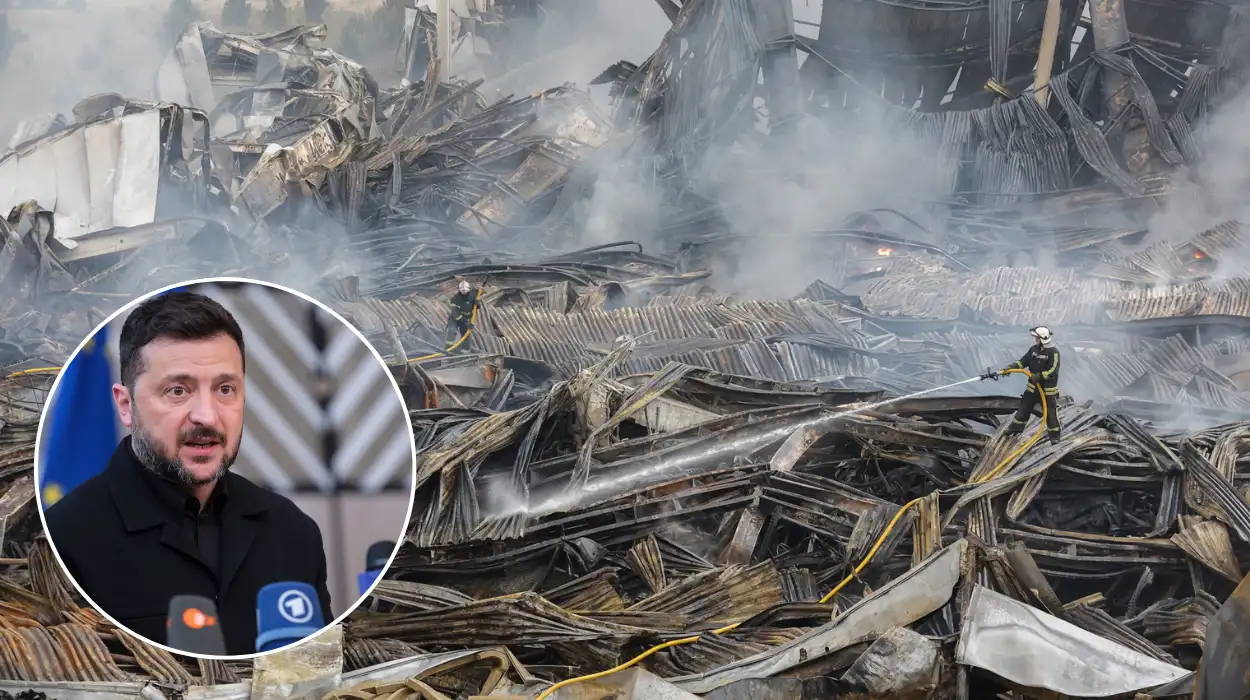
Kyiv (Britain Today News) August 06, 2026 – NATO has moved to urgently reinforce Ukraine’s air defence systems following a devastating Russian missile assault that exposed critical vulnerabilities in Kyiv’s defences, as President Volodymyr Zelenskyy warned that Moscow is accelerating missile production ahead of winter, raising fears of intensified attacks across the country.
- Key Points
- Why Did Ukraine Fail to Intercept Russian Ballistic Missiles?
- How Serious Is Russia’s Missile Production Surge?
- What Role Does NATO Play in Strengthening Ukraine’s Defences?
- Why Are Patriot Missile Systems So Critical?
- How Has Global Conflict Impacted Ukraine’s Defence Supplies?
- What Did Zelenskyy Suggest About Western Support Delays?
- How Frequent Are Russian Missile and Drone Attacks?
- What Are the Production Challenges for Interceptors?
- Can Ukraine Produce Its Own Patriot Missiles?
- What Is Europe’s Role in Expanding Missile Production?
- What Are the Broader Implications for the War?
Why Did Ukraine Fail to Intercept Russian Ballistic Missiles?
Ukraine’s inability to intercept a single ballistic missile during Wednesday’s large-scale Russian attack has raised serious concerns among military analysts and Western allies. According to preliminary data from the Ukrainian air force, while 98 out of 115 drones were successfully shot down, none of the 24 ballistic missiles was intercepted.
This failure highlights a stark capability gap. Ballistic missiles travel at extremely high speeds and follow steep trajectories, making them significantly harder to intercept compared with drones or cruise missiles. Ukraine relies heavily on US-made Patriot systems for such interceptions, and shortages of these interceptors have become increasingly acute.
President Zelenskyy addressed the issue directly, stating:
“It is important to cut through all red tape and make the necessary political decisions. Literally every day, people’s lives here in Ukraine depend on the resolve of our partners in Europe and the United States.”
How Serious Is Russia’s Missile Production Surge?
Zelenskyy warned that Russia is actively scaling up its missile production capacity, particularly in preparation for winter operations. This development signals a potential escalation in the conflict, as colder months historically bring intensified infrastructure attacks.
Serhii Beskrestnov, an adviser to Ukraine’s president on defence technology, provided a stark assessment, saying:
“The war of attrition has entered its next phase.”
He estimated that Russia could launch up to 100 ballistic missiles per month, targeting logistics hubs, industrial sites, and food storage facilities.
Such a production rate would place enormous pressure on Ukraine’s already strained air defence systems and could overwhelm its interception capacity.
What Role Does NATO Play in Strengthening Ukraine’s Defences?
NATO has acknowledged the urgency of the situation and committed to accelerating the delivery of air defence systems. Following discussions with NATO Secretary General Mark Rutte, Zelenskyy emphasised the need for swift action.
The alliance is working to streamline bureaucratic processes to ensure faster deployment of critical systems. NATO officials have indicated that securing additional Patriot systems and interceptors is a top priority.
This commitment reflects growing recognition among Western allies that air defence is central to Ukraine’s ability to withstand sustained Russian attacks.
Why Are Patriot Missile Systems So Critical?
Patriot missile systems are currently the only defence systems in Ukraine capable of intercepting advanced Russian ballistic missiles such as the Iskander-M, S-400, and Zircon.
These systems use sophisticated radar and interceptor technology to track and destroy incoming threats. However, they are expensive, complex, and limited in number.
Ukraine’s dependence on Patriot systems has exposed a significant vulnerability: without sufficient interceptors, even the most advanced systems cannot provide adequate protection.
How Has Global Conflict Impacted Ukraine’s Defence Supplies?
The shortage of interceptor missiles has been exacerbated by global geopolitical developments, particularly conflicts in the Middle East. The US-Israel war involving Iran has significantly depleted global stockpiles of Patriot and similar systems.
An analysis estimated that US Patriot inventories have declined by at least 65% since before the conflict. Meanwhile, Gulf states reportedly used more than 1,100 interceptors within just three months.
This diversion of resources has directly affected Ukraine’s access to critical defence equipment, limiting its ability to respond effectively to Russian attacks.
What Did Zelenskyy Suggest About Western Support Delays?
Zelenskyy hinted that delays in missile supplies from Western allies could be politically motivated. He stated that he could not rule out the possibility that reduced support was “aimed at making Ukraine, so to speak, more willing to compromise” in peace negotiations.
This remark underscores growing frustration within Kyiv regarding the pace and consistency of Western military assistance.
Despite these concerns, Ukraine continues to rely heavily on its allies for both defensive systems and strategic support.
How Frequent Are Russian Missile and Drone Attacks?
Recent data indicates that Russian attacks have become increasingly frequent and intense. In July alone, Kyiv was targeted on average every three days.
Russia often employs a combination of ballistic missiles, cruise missiles, drones, and decoys in coordinated attacks. This strategy overwhelms air defence systems by forcing them to track multiple threats simultaneously.
Such tactics not only strain Ukraine’s limited interceptor supply but also increase the likelihood of successful strikes on critical infrastructure.
What Are the Production Challenges for Interceptors?
Even as demand for interceptor missiles rises, production constraints limit the speed at which supplies can be replenished. Lockheed Martin delivered over 600 interceptors in 2025 and aims to increase annual production to 2,000 by 2030.
However, current demand far exceeds supply. The scale of missile usage in global conflicts has outpaced manufacturing capacity, creating a persistent shortfall.
This imbalance means that even with increased production, it may take years to stabilise supply levels.
Can Ukraine Produce Its Own Patriot Missiles?
The idea of Ukraine producing its own Patriot interceptors has been discussed as a long-term solution. At a recent NATO summit, former US President Donald Trump suggested granting Ukraine a licence for local production.
However, he later stated that no final decision had been made. Even if approved, experts estimate that establishing production capabilities in Ukraine would take several years.
In the meantime, Ukraine remains dependent on external suppliers for its air defence needs.
Explore More about the World:
New Spider-Man Film Smashes Belgian Box Office Opening Weekend Record
Trump Says US–Iran Talks to Begin Monday After Delaying Strike
What Is Europe’s Role in Expanding Missile Production?
Europe is taking steps to strengthen its own defence manufacturing capabilities. NATO has announced that the first European Patriot missile production facility is expected to open in Germany in September.
This development is seen as a critical step towards reducing reliance on US production and improving supply resilience within Europe.
The facility could play a key role in supporting Ukraine and other allies facing similar threats.
What Are the Broader Implications for the War?
The current situation marks a significant turning point in the conflict. The combination of increased Russian missile production and reduced interceptor availability has shifted the strategic balance.
Ukraine’s ability to defend its cities and infrastructure is now closely tied to the speed and scale of Western support.
As winter approaches, the stakes are expected to rise further, with energy infrastructure likely to become a primary target.
The urgency expressed by NATO and the warnings from President Zelenskyy highlight the severity of Ukraine’s current defence challenges. The inability to intercept ballistic missiles represents a dangerous vulnerability that could have far-reaching consequences.
While efforts are underway to address the shortfall, including increased production and potential local manufacturing, these solutions will take time to materialise.
For now, Ukraine’s security depends on immediate and decisive action from its allies. As Zelenskyy emphasised, the outcome of this effort will directly impact the lives of millions of Ukrainians facing an increasingly intense and prolonged conflict.