Key Points
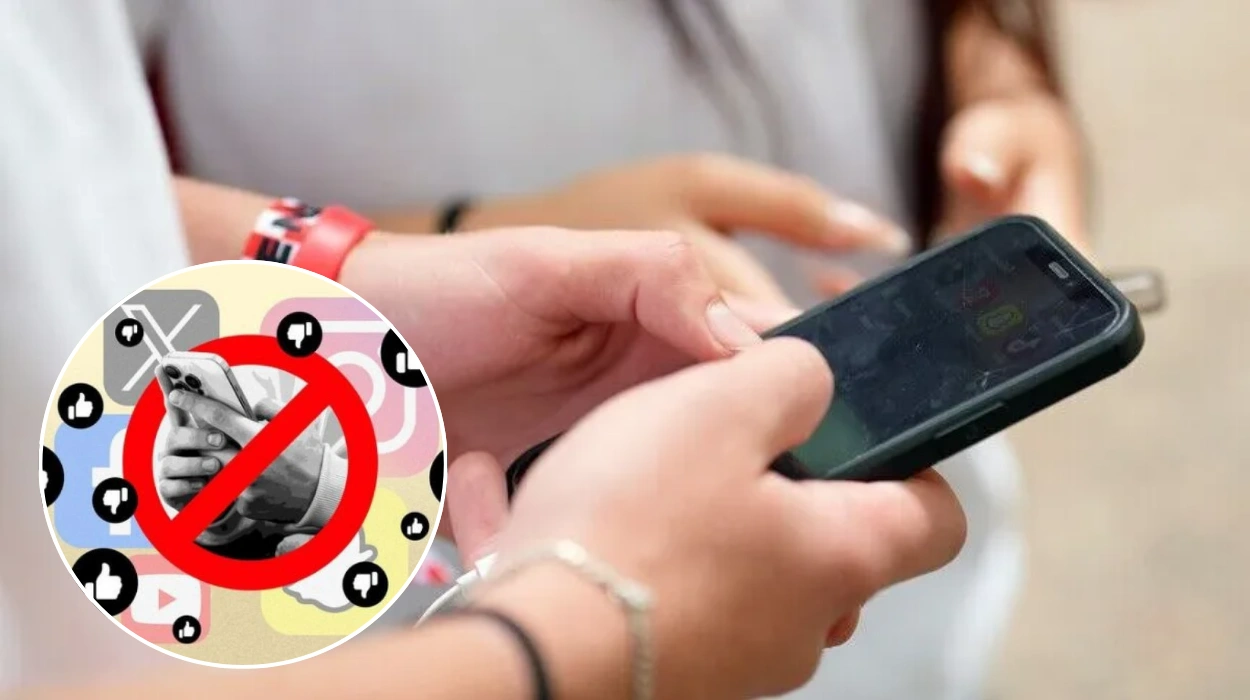
- The UK government has proposed a default overnight social media curfew for 16- and 17-year-olds, restricting app access between midnight and 6am.
- Teenagers will be able to switch off the curfew, making the restriction voluntary rather than mandatory.
- Addictive design features, including autoplay videos and endlessly personalised content feeds, will be switched off by default for this age group.
- The plans follow last month’s announcement of a full social media ban for under-16s, due to begin in spring 2027.
- Technology Secretary Liz Kendall said the measures would help protect older teenagers from “the most addictive online features” affecting their wellbeing.
- Online Safety Minister Kanishka Narayan defended the voluntary approach, citing pilot data showing most teenagers kept default restrictions in place.
- A month-long government pilot involving more than 300 families found overnight curfews produced the most consistent improvements in sleep.
- Separate safeguards for AI chatbots are planned, including mandatory breaks for under-18 users and possible restrictions on bots giving unverified mental health advice.
- The Conservative opposition has criticised the plans, with shadow education secretary Laura Trott calling curfews that can be switched off ineffective.
- TikTok has defended its existing safety settings, saying it already applies more than 50 preset protections for younger users.
- The first regulations are due before Parliament by the end of 2026, with implementation expected by spring 2027.
London (Britain Today News) July 16, 2026 — The UK government has set out plans to introduce a default overnight curfew on social media platforms for 16- and 17-year-olds, alongside restrictions on addictive app features, as part of a widening effort to protect teenagers from online harm. Under the proposals, apps popular with older teenagers would automatically switch off access between midnight and 6am, though users would retain the option to disable the setting. The announcement, made by the Department for Science, Innovation and Technology, follows last month’s decision to ban social media outright for children under 16 from spring 2027, and is designed to prevent what officials have described as a “cliff edge” for teenagers ageing into unrestricted access.
- Key Points
- What Has the UK Government Announced About Social Media Curfews for Teenagers?
- How Will the Overnight Social Media Curfew Work?
- What Addictive Features Will Be Switched Off for 16- and 17-Year-Olds?
- Why Is the Government Introducing These Restrictions Now?
- What Did Technology Secretary Liz Kendall Say About the Plans?
- How Did the Government Test These Restrictions Before Announcing Them?
- What Were the Results of the Government’s Pilot Programme?
- What New Safeguards Are Planned for AI Chatbots Used by Children?
- How Has the Opposition Reacted to the Curfew Plans?
- What Has Been the Response from Social Media Platforms?
- When Will the New Rules Take Effect?
- What Happens Next in the UK’s Wider Push on Online Child Safety?
What Has the UK Government Announced About Social Media Curfews for Teenagers?
The government has proposed that 16- and 17-year-olds face a default overnight curfew on social media apps, running from midnight until 6am. The measure would apply automatically unless a teenager chose to turn it off, making it a voluntary rather than compulsory restriction. Alongside the curfew, the government confirmed that features engineered to keep young users scrolling — such as videos that play automatically one after another and feeds that continuously refresh with personalised content — would also be disabled by default for this age group.
The proposals form part of a broader legislative push by the Labour government to tighten online protections for children and teenagers, building on the under-16s social media ban confirmed in June. Officials said the new measures were intended to ensure that teenagers who turn 16 and gain access to platforms such as Snapchat, TikTok, YouTube, Instagram, Facebook and X do not face an abrupt loss of protection.
How Will the Overnight Social Media Curfew Work?
Under the proposed system, social media platforms would be required to build the midnight-to-6am restriction into their settings for account holders aged 16 and 17, with the curfew activated automatically rather than requiring teenagers or parents to opt in. Crucially, however, the restriction is not intended to be a hard block. Teenagers would retain the ability to switch the curfew off if they chose, a design choice ministers say reflects the greater independence granted to older teenagers compared with those under 16, who face an outright ban on the same platforms.
This “default but reversible” approach has become a defining, and contested, feature of the policy. Supporters argue that defaults exert a powerful influence over behaviour even when they can be overridden, while critics question whether a restriction that can be undone in a few taps will meaningfully change teenage habits.
What Addictive Features Will Be Switched Off for 16- and 17-Year-Olds?
Beyond the curfew itself, the government’s proposals target specific design features that critics have long argued are engineered to maximise engagement among young users. Autoplay functions, which automatically queue and play the next video without requiring the user to select it, would be switched off by default. Similarly, continuously personalised content feeds — the algorithmically tailored streams that underpin much of modern social media — would also default to an off setting for this age bracket.
The government has framed these changes as an attempt to give teenagers and their families greater control over how platforms shape their attention and habits, rather than leaving engagement-driving design choices entirely in the hands of technology companies.
Why Is the Government Introducing These Restrictions Now?
The curfew and feature restrictions arrive roughly a month after ministers confirmed a blanket ban on social media access for children under 16, expected to take effect from spring 2027. That earlier ban is set to cover major platforms including Snapchat, TikTok, YouTube, Instagram, Facebook and X, though messaging services such as WhatsApp and Signal will remain exempt. Officials have said the new measures for 16- and 17-year-olds are designed to complement that ban by smoothing the transition for teenagers who become eligible to use social media once they turn 16, rather than allowing them to move suddenly from a total ban to unrestricted access.
The move also comes amid growing international scrutiny of the effects of social media on young people’s mental health and wellbeing, with the government pointing to sleep, concentration and family time as key areas of concern.
What Did Technology Secretary Liz Kendall Say About the Plans?
Technology Secretary Liz Kendall said the proposed restrictions responded directly to concerns raised by parents and teenagers during the government’s consultation process. She said,
“Even as young people gain greater independence at 16, they should still be protected from the most addictive online features that can have a harmful impact on their wellbeing.”
Kendall added that the measures would help young people get more sleep, focus better on schoolwork, and spend more time with family and friends. She also confirmed that she intends to bring forward a separate package of measures addressing children’s use of artificial intelligence chatbots, indicating that online safety policy under her department would extend well beyond social media platforms alone.
How Did the Government Test These Restrictions Before Announcing Them?
The proposals were informed by a six-week government pilot scheme launched in March, which involved more than 300 families across the UK. Participating families were divided into four groups, each testing a different intervention. One group used parental controls to block selected social media apps entirely. A second group capped daily use of popular platforms, including Instagram, TikTok and Snapchat, at one hour. A third group had access to apps blocked overnight, between 9pm and 7am, while a fourth group served as a control, making no changes to their children’s social media habits at all.
The trial was designed to give ministers comparative evidence on which type of restriction produced the most meaningful benefits for teenagers, and which families found easiest to sustain over time.
What Were the Results of the Government’s Pilot Programme?
The results of the pilot, published on 14 July, showed that all three intervention groups experienced improvements in sleep, concentration and general wellbeing compared with the control group. However, the government said the overnight curfew emerged as the easiest measure for families to maintain consistently, and it produced the most reliable sleep benefits of the three approaches tested. That finding appears to have shaped the decision to prioritise a curfew model, running from midnight to 6am, over stricter alternatives such as blanket app bans or fixed daily time limits.
What New Safeguards Are Planned for AI Chatbots Used by Children?
Alongside the social media curfew, the government confirmed it is developing a separate set of protections for children who use artificial intelligence chatbots. These plans include mandatory breaks for users under the age of 18, intended to limit prolonged, uninterrupted engagement with AI tools. Ministers also said they were considering restrictions on chatbots that provide dangerous, misleading or unverified mental health advice, reflecting growing concern about young people turning to AI systems for emotional support or guidance on sensitive personal issues.
The government indicated it would weigh a range of options in this area, including the possibility of banning chatbots found to pose a serious risk to children altogether. Full details of the AI safeguards package are expected to follow as a distinct set of proposals, separate from the social media curfew regulations.
How Has the Opposition Reacted to the Curfew Plans?
The plans have drawn criticism from the opposition Conservative Party. Shadow education secretary Laura Trott argued that a restriction teenagers can simply disable undermines the government’s own stated aims. She said,
“Either they think 16- and 17-year-olds should be on social media or they don’t, but curfews they can simply switch off won’t achieve anything.”
Trott’s comments reflect a broader line of criticism levelled at the policy since it was first proposed: that a default which can be reversed within seconds may amount to a largely symbolic gesture rather than a substantive protection.
Online Safety Minister Kanishka Narayan has pushed back against this characterisation, arguing that it would be a “disservice” to teenagers to assume they would routinely switch off protective defaults. He pointed to evidence from platforms that had already introduced similar default restrictions, noting that take-up figures showed the vast majority of young users retained the settings once applied. He said,
“In October, for example, some platforms introduced these defaults of this sort – 90%-plus teenagers said to us that they’ve maintained those defaults as well. And so the evidence base is clear, the motivation is very clear and I wouldn’t do the disservice to teenagers of saying they’re all going to switch it off.”
What Has Been the Response from Social Media Platforms?
Platforms affected by the proposals have pointed to existing safety measures already in place for younger users. TikTok’s director of public policy for Northern Europe, Ali Law, said the platform already operates more than 50 preset safety settings for under-16 users, including a one-hour daily screen-time limit and a prompt encouraging a break at 10pm. He said,
“All of these are little default aspects, little nudges to make sure that people have a balanced and healthy relationship with our app.”
Law also noted that the company had spent two billion dollars on trust and safety measures over the past year, underlining the scale of existing investment platforms say they have already made in youth protection tools, even as the government pushes for statutory defaults to be applied more broadly across the sector.
Explore More about Politics:
UK Lawmakers Back Jonathan Haskel as Next OBR Chair
Hillsborough Law: Lord Alton Welcomes Commons Return
When Will the New Rules Take Effect?
The government said the first set of regulations relating to the social media curfew and feature restrictions would be presented to Parliament by the end of 2026. If approved, the measures are expected to come into force by spring 2027, timed to coincide with the implementation of the separate ban on social media access for children under 16. Ministers have not yet set out a detailed legislative timetable beyond this, and the proposals will need to pass through the parliamentary process before becoming binding requirements for platforms operating in the UK.
What Happens Next in the UK’s Wider Push on Online Child Safety?
The curfew proposals represent the latest step in a sustained campaign by the UK government to tighten rules governing children’s and teenagers’ use of digital platforms, following the under-16s ban announced in June and mounting political pressure over online harms more broadly. With separate AI chatbot safeguards still to be finalised and the core social media regulations yet to complete their journey through Parliament, further detail on how the restrictions will be enforced, and how compliance will be monitored across major platforms, is expected in the coming months as the legislation is developed ahead of the spring 2027 deadline.