The United Kingdom offers 50+ world-class destinations spanning 4,000 years of history, from London’s 7.1 million-visitor Natural History Museum to Scotland’s 2 million-visitor Edinburgh Castle, making it Europe’s third-most-visited country with 39.4 million international visitors annually.
- What are the top places to visit in the United Kingdom?
- London’s Major Attractions and Visitor Statistics
- Westminster and Royal London Sites
- How much does it cost to visit the United Kingdom?
- What is the best time to visit the United Kingdom?
- Where should I go in Scotland besides Edinburgh?
- What are the best natural landscapes in England?
- Which historical sites merit priority visits?
- How do I travel between UK destinations?
- What accommodations suit different budgets?
- Which UK cities offer unique cultural experiences?
- What coastal destinations deserve visits?
- How do I maximize my UK travel experience?
What are the top places to visit in the United Kingdom?
The UK’s top 10 destinations are London (Natural History Museum 7.1M visitors), Edinburgh Castle (2M), Tower of London (2.8M), British Museum (6.5M), Windsor Castle (1.4M), Stonehenge (1.3M), Buckingham Palace (578K), Lake District (2M+), Scottish Highlands (3M+), and Canterbury Cathedral (1M). These locations represent the most visited paid and free attractions with UNESCO status, royal significance, or natural beauty.
The United Kingdom comprises four nations—England, Scotland, Wales, and Northern Ireland—each offering distinct cultural experiences. England hosts 60% of UK tourist attractions, Scotland features 1,000+ castles, Wales contains 25% of the UK’s coastline, and Northern Ireland offers the Giant’s Causeway UNESCO site.
London serves as the primary gateway with Heathrow Airport receiving 21 million passengers annually. The city contains 17 UNESCO World Heritage Sites including the Tower of London, Westminster, and the British Museum. Visitors can access 10+ major museums with free entry, including the Natural History Museum and British Museum.
London’s Major Attractions and Visitor Statistics
London attracts 27.3 million annual visitors, making it Europe’s most-visited city. The Natural History Museum leads with 7,116,929 visitors in 2024, followed by the British Museum with 6,440,120 visitors.
The Tower of London welcomes 2,817,852 visitors annually, ranking as the UK’s ninth most popular tourist attraction and top paid attraction. Built by William the Conqueror in 1078, it houses the Crown Jewels and survived the 1666 Great Fire.
Buckingham Palace receives 578,000 paid visitors annually during its summer opening (10 July–28 September 2025). The palace contains 775 rooms including 19 State Rooms where the monarch receives official guests.
The British Museum attracted 6.5 million visitors in 2024, a ten-year high representing 11% more than 2023 and over 4% more than 2019. Founded in 1759, it holds 8 million objects spanning human history.
Westminster and Royal London Sites
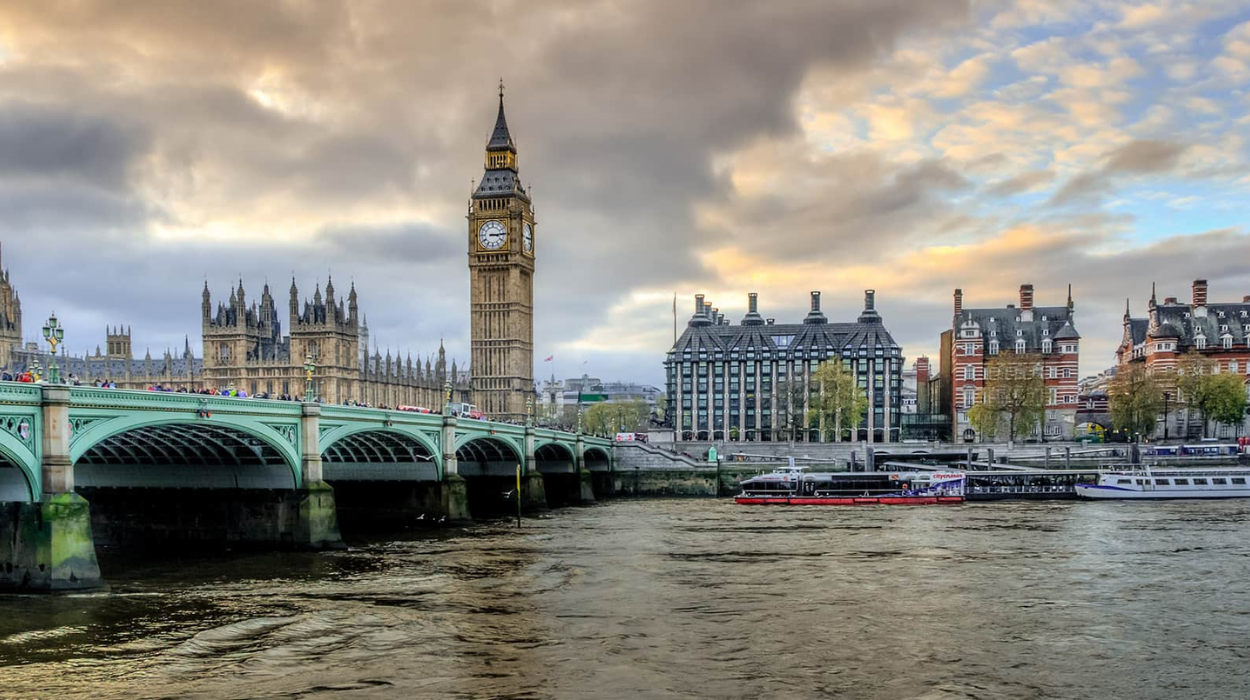
Westminster Houses of Parliament and Big Ben form London’s most photographed landmark cluster. The Palace of Westminster contains 1,100 rooms across 3.2 hectares and has served as the monarch’s residence since 1045.
Windsor Castle welcomed 1,367,000 guests in 2024-2025, making it the most popular royal home for tourists. The castle spans 45 acres and serves as the weekend home of King Charles III.
The London Eye stands 135 meters tall on the South Bank, offering views across 40 kilometers. It transported 3.5 million passengers in 2024 and operates year-round from 10:00–20:00.
How much does it cost to visit the United Kingdom?
UK visitor visa costs £135 for 6 months, ETA costs £10 for 85 nationalities effective February 2026, London museum entry is free, Tower of London costs £33.60, Buckingham Palace summer opening costs £32, and average daily expenses range £100-150 including accommodation £60-80, food £25-35, transport £15-25. Budget travelers spend £70-90 daily while luxury travelers exceed £200 daily.
From 25 February 2026, visitors from 85 nationalities including the United States, Canada, France, and EU countries must obtain an Electronic Travel Authorisation (ETA) costing £10 before traveling to the UK.
Standard Visitor visas cost £135 for up to 6 months and require online application 3 months before travel. EU, EEA, and Switzerland citizens need ETA plus passport but not visa for tourism visits up to 6 months.
London’s major museums (Natural History Museum, British Museum, Tate Modern) offer free permanent entry. Paid attractions include Tower of London (£33.60), Westminster Abbey (£27), Buckingham Palace (£32), and Kensington Palace (£21.50).
Accommodation costs range from £40-60 for budget hostels, £80-120 for mid-range hotels, and £200+ for luxury hotels in London. Outside London, hotels cost 30-40% less. Food expenses average £25-35 daily for casual dining, £50-80 for mid-range restaurants.
Transport costs include London Underground £2.40-3.60 per journey, Nationwide rail £20-50 between major cities, and intercity bus £10-25. The Britair Rail Pass costs £140-280 for 3-8 journeys across England, Scotland, and Wales.
What is the best time to visit the United Kingdom?
The best time to visit the UK is spring (late March–early June) and autumn (September–November) with warm dry weather, 12-18°C temperatures, and fewer crowds. Summer (May–September) offers the warmest weather at 18-24°C but has peak crowds. Winter (December–February) is cold at 2-7°C with shortest days but lowest prices.
Spring provides 12-16 hours of daylight, blooming gardens, and average temperatures of 12-18°C. Easter events, Chelsea Flower Show (late May), and Oxford University termo make this season popular.
Summer months (May–September) deliver the best weather with 18-24°C temperatures and 16-18 hours of daylight. Mid-July to end-August represents peak tourist season with highest prices and crowds. May, June, and September offer optimal balance of good weather and moderate crowds.
Autumn (September–November) features 14-17°C temperatures, harvest festivals, and falling leaves creating scenic landscapes. September remains warm while November offers lower prices. The Edinburgh Marathon (May) and Brighton Festival (May) occur in spring.
Winter (December–February) brings 2-7°C temperatures, 7-8 hours of daylight, and frequent rain/snow. Christmas markets (November–December) and New Year celebrations in Edinburgh attract visitors. January–February offers lowest accommodation prices except during major events.
Where should I go in Scotland besides Edinburgh?
Scotland’s top destinations beyond Edinburgh include the Scottish Highlands (3M+ visitors) featuring Glencoe, Isle of Skye, Ben Nevis, and Glenfinnan Viaduct; Loch Ness; Stirling Castle; Aberdeen; and the North Coast 500 route. The Highlands contain 1,000+ mountains over 600m and 3,000+ lakes.
The Scottish Highlands attract 3+ million visitors annually and contain Scotland’s most dramatic landscapes. Glencoe (Glen Coe) features the Three Sisters Viewpoint, Hidden Valley hiking, and Glencoe Lochan reflections. It hosted the 1692 MacDonald Clan massacre and includes Glencoe Mountain Resort ski area.
Isle of Skye receives 1+ million visitors annually and offers the Fairy Pools, Quiraing landscape, and Dunvegan Castle. The island connects to mainland Scotland via the Skye Bridge and features 167 kilometers of coastline with red sand beaches.
Ben Nevis stands 1,352 meters tall as Scotland’s highest mountain and UK’s third-highest. The 17-kilometer round-trip hike takes 7-9 hours and attracts 150,000 climbers annually. Glenfinnan Viaduct (165 meters long) appears in Harry Potter films as the Hogwarts Express route.
Loch Ness contains 2+ kilometers of width and 36 kilometers of length, holding more water than all lakes in England and Wales combined. The 22.8-kilometer Loch Ness Brigade Trail环绕 the lake, and the Loch Ness Centre in Drumnadrochit explains the famous monster legend.
Stirling Castle welcomes 500,000+ visitors annually and served as the childhood home of Mary, Queen of Scots. The castle sits on a volcanic rock 160 feet above the City of Stirling and features the Great Hall built in 1397.
What are the best natural landscapes in England?
England’s top natural landscapes include the Lake District National Park (2M+ visitors, England’s largest national park at 2,292 km²), White Cliffs of Dover, Seven Sisters, Cornwall beaches, Isles of Scilly, Giant’s Causeway (Northern Ireland), and Cotswolds. The Lake District contains 16 lakes, 50 mountain peaks, and UNESCO status since 2017.
The Lake District National Park covers 2,292 square kilometers in northwest Cumbria and attracts 2+ million visitors annually. It contains 16 lakes including Windermere (18 km long), Derwentwater, and Ullswater. The park features 50 mountain peaks including Scafell Range and Catbells (450m).
Catbells offers a 5-kilometer scramble adjacent to Derwentwater providing panoramic Lake District views. The 8-kilometer Buttermere circuit surrounds the lake with mountain views on all sides. The park includes 50 accessible walking routes for all abilities including wheelchair users.
Water sports on Lake District lakes include boating, rowing, paddleboarding, kayaking, windsurfing, sailing, and fishing. Equipment hire available at Coniston, Derwentwater, Ullswater, and Windermere. The Ravenglass and Eskdale Steam Railway (La’al Ratty) travels 11km through Eskdale valley.
Honister Slate Mine near Keswick remains England’s last working slate mine, offering mine tours, ghost walks, Climb the Mine experience, and the Via Ferrata Xtreme three-hour adventure across Honister Crag. The World of Beatrix Potter in Bowness-on-Windermere brings the author’s tales to life.
White Cliffs of Dover and Seven Sisters feature 160-meter high chalk cliffs visible from France. The cliffs span 11 kilometers and represent England’s most iconic coastal landscape. Access via Dover Castle or Seven Sisters Country Park.
Cornwall offers 300 kilometers of coastline with sandy beaches, including Fistral Beach (2 km long), Porthcurno, and Kynsard. The Isles of Scilly comprise 21 inhabited islands 48 kilometers southwest of Cornwall with endemic plants and 1,500+ bird species.
Giant’s Causeway in Northern Ireland contains 40,000 basalt columns formed 50-60 million years ago. The UNESCO site spans 7 kilometers along the coast and includes Carrick-a-Rede rope bridge (23 meters high, 20 meters long).
Which historical sites merit priority visits?
Priority historical sites include Stonehenge (1.3M visitors, UNESCO 1986, 5,000-year-old stone circle), Tower of London (2.8M visitors, UNESCO 1988, built 1078), Windsor Castle (1.4M visitors, 900 years royal residence), Canterbury Cathedral (1M visitors, UNESCO 1988, founded 597 AD), York Minster (largest medieval cathedral in northern Europe), and Edinburgh Castle (2M visitors, Scotland’s second-most-visited attraction).
Stonehenge attracts 1,300,000+ visitors annually, ranking as the UK’s 23rd most popular attraction. Visitor numbers increased 36% in 2023. The stone circle dates to 3000-2000 BCE, stands 4 meters tall, and weighs 25 tons per stone. UNESCO designated it World Heritage Site in 1986 alongside Avebury Ring.
The Tower of London welcomed 2,817,852 visitors in 2025, ranking ninth nationally and first among paid attractions. William the Conqueror built the White Tower in 1078. It houses the Crown Jewels, survived the 1666 Great Fire, and served as prison for Anne Boleyn and Lady Jane Grey.
Windsor Castle received 1,367,000 guests in 2024-2025, making it the most popular royal home. The castle spans 45 acres with 300 rooms and serves as King Charles III’s weekend residence. It has operated as a royal residence for 900 years.
Canterbury Cathedral receives 1,000,000 visitors annually and seats the Archbishop of Canterbury as Mother Church of the Anglican Communion. Founded in 597 AD by Augustine, it became a UNESCO World Heritage Site in 1988 with St Martin’s Church and St Augustine’s Abbey ruins.
York Minster stands as the largest medieval cathedral in northern Europe and one of the world’s most beautiful Gothic buildings. It features the widest Gothic Nave in England, the restored Rose Window (damaged 1984 fire), and the Great East Window (largest stained glass expanse in Britain). Visitors climb 275 steps to the highest city point.
Edinburgh Castle attracts 2,044,963 visitors in 2025, making it Scotland’s second most visited tourist attraction with 70%+ of Edinburgh leisure visitors visiting. Historic Environment Scotland maintains the castle, which sits on Castle Rock 130 meters high.
How do I travel between UK destinations?
UK intercity travel includes National Rail (£20-50 between major cities, Britair Rail Pass £140-280 for 3-8 journeys), intercity bus (£10-25), London Underground (£2.40-3.60 per journey), domestic flights (London-Edinburgh £50-150), and rental cars (£40-80/day). The Channel Tunnel connects UK to France (31 miles, 2 hours train).
National Rail connects London to Edinburgh (4.5 hours, £20-80), London to Manchester (2 hours, £25-60), London to Bristol (1.5 hours, £20-50), and London to Cardiff (2 hours, £25-55). Advance tickets cost 30-50% less than off-peak fares.
The Britair Rail Pass offers 3 journeys (£140), 4 journeys (£170), 5 journeys (£200), 6 journeys (£230), 7 journeys (£250), and 8 journeys (£280) across England, Scotland, and Wales within 1 month. Passes must be purchased before arriving in the UK.
Intercity bus services include National Express (£10-25, 3-5 hours London-Edinburgh), Megabus (£8-20, budget option), and Trainline app for combined rail/bus booking. Buses are slower but 40-60% cheaper than rail.
London Underground operates 11 lines covering 402 kilometers with 272 stations. Single fares cost £2.40 (zones 1-2) to £3.60 (zones 1-6). The Oyster Card or contactless payment offers daily caps (£7.70 zones 1-2). The Heathrow Express reaches central London in 15 minutes (£25).
Domestic flights connect London to Edinburgh (1 hour 15 minutes, £50-150), London to Manchester (1 hour, £40-120), and London to Belfast (1 hour 30 minutes, £60-180). Airlines include British Airways, Virgin Atlantic, and EasyJet. Book 2-3 weeks advance for lowest prices.
Rental cars cost £40-80/day depending on vehicle type and season. Major companies include Eurorope car, Avis, and British Car. Drive on the left side, comply with 30 mph urban limits, and purchase insurance. The North Coast 500 route in Scotland requires 5-7 days.
What accommodations suit different budgets?
Budget travelers choose hostels (£40-60/night), mid-range tourists select hotels (£80-120/night in London, £50-80 outside), and luxury guestsbook boutique hotels (£200-400/night). London accommodation costs 30-40% higher than other UK cities. Book 2-3 months advance for peak season (May-September).
Budget hostels in London cost £40-60 per night for dormitory rooms, including YHA London, Whitehouse Hostel, and Kings Cross Hostel. Outside London, hostels cost £30-45 per night. Facilities include shared kitchens, laundry, and common rooms.
Mid-range hotels in London average £80-120 per night for double rooms, including Premier Inn, Travelodge, and Hilton Garden Inn. Outside London (Manchester, Edinburgh, Bristol), hotels cost £50-80 per night. Premier Inn operates 800+ locations nationwide.
Luxury boutique hotels cost £200-400 per night in London, including The Savoy (£450), Claridge’s (£600), and The Connaught (£550). Outside London, luxury hotels range £150-300 per night. The Ritz London (£700) and Disraeli (£500) offer historic grandeur.
Bed and breakfast establishments cost £60-100 per night including breakfast, prevalent in countryside locations like Cotswolds, Lake District, and Yorkshire. B&Bs provide personal service and local cuisine. Booking 1-2 months advance recommended for rural areas.
Airbnb rentals range £50-150 per night depending on location and size. London apartments cost £80-200 per night, while countryside cottages cost £60-120. Minimum stay requirements often apply (2-3 nights).
Which UK cities offer unique cultural experiences?
Unique cultural cities include Edinburgh (Scottish heritage, 13 million annual visitors, Edinburgh Festival Fortnight), Bristol (artists’ quarter, Turner Prize gallery, 3 million visitors), Bath (Roman baths, UNESCO 1984, Georgian architecture, 4 million visitors), Cambridge (8 million annual visitors, 31 colleges, King’s College Chapel), Oxford (7 million visitors, 38 colleges, Bodleian Library), and York (500,000 visitors, Viking history, medieval walls).
Edinburgh attracts 13 million visitors annually and hosts the world’s largest arts festival (Edinburgh Festival Fortnight, August) with 2 million attendees. The city features 1,000+ registered buildings, Edinburgh Castle (2M visitors), and the Royal Mile (1.6 km historic street).
Bristol hosts the Turner Prize gallery, independent artists’ quarter in Stokes Croft, and 3 million annual visitors. The city features the Bristol Ballet, Welsh National Opera, and是对的海事遗产 including SS Great Britain ship. The British Airways i360 tower (137 meters) offers South Coast views.
Bath contains Roman baths built 70 AD, UNESCO designation since 1984, and complete Georgian architecture. The city attracts 4 million visitors annually. Key sites include Bath Abbey (founded 675 AD), Pulteney Bridge (1773), and Roman Museum displaying 2,000-year-old artifacts.
Cambridge receives 8 million annual visitors drawn by 31 University colleges, King’s College Chapel (1446-1546), and classic cobbled alleys. The Feeling Climb boat tour covers 1.5 hours along the River Cam. The Botanic Garden (1831) contains 8,000+ plant species across 16 hectares.
Oxford attracts 7 million visitors with 38 University colleges, Bodleian Library (1602, 13 million manuscripts), and Christ Church College (Harry Potter filming location). The city features 500+ years of academic history and the Natural History Museum.
York hosts 500,000 annual visitors with Viking history (Jorvik Viking Centre), medieval city walls (3.4 kilometers), and York Minster. The city contains 800+ listed buildings and the National Railway Museum (7 million visitors, free entry).
Explore More about UK:
Private Winnie-the-Pooh Gardens Set for Rare Public Opening 2026
London museum to return sacred Jain texts over unethical acquisition 2026
What coastal destinations deserve visits?
Top coastal destinations include Brighton (Palace Pier 1899, British Airways i360 137m, Royal Pavilion 1822, 6 million visitors), Cornwall (300km coastline, Fistral Beach 2km, Pinkcurno), White Cliffs of Dover (160m high, 11km span), Isles of Scilly (21 islands, 48km southwest Cornwall), and New Forest Coast (Devon, 40km sandy beaches).
Brighton Palace Pier opened 1899 with Grade II listing, featuring vintage carousel rides, arcade games, and chip shops with sea views. Entrance is free; attractions cost £1-6 per item. The British Airways i360 tower stands 137 meters tall as a vertical cable car, offering 23-minute unfettered South Coast views costing £13-15.
Brighton’s Royal Pavilion built 1822 features Indo-Gothic architecture by George IV with decorative gardens and tented roof architecture. The 45-minute walk from Pier includes landscaped gardens. The North Laine district contains independent shops, cafes, and street art.
Cornwall’s 300-kilometer coastline includes Fistral Beach (2 km long, international surfing competition venue), Porthcurno (golden sand, Minack Theatre), and Kynsard (seal watching). The South West Coast Path spans 1,014 kilometers from Somerset to Dorset.
Isles of Scilly comprise 21 inhabited islands 48 kilometers southwest of Cornwall, featuring endemic plants and 1,500+ bird species including puffins. The islands contain 5,000-year-old stone circles and tidal island拥抱 Castle. Ferry service from St Mary’s takes 4 hours.
White Cliffs of Dover reach 160 meters high and span 11 kilometers along the English Channel, visible from France on clear days. The cliffs represent England’s most iconic coastal landscape. Access via Dover Castle (1,000-year history) or Seven Sisters Country Park (walking trails).
The Seven Sisters are seven white chalk cliffs between Seine and Dover, named for seven sisters. The 2.5-kilometer walking trail offers panoramic views. The SS Colossus wreck lies offshore and appears in films.
How do I maximize my UK travel experience?
Maximize your UK trip by visiting London first (7-day minimum), purchasing Britair Rail Pass for intercity travel (£140-280), booking attractions 2-3 weeks advance, traveling spring/autumn for best weather, using contactless payment for transport, and allocating 2-3 days per major city. Total recommended trip duration is 14-21 days covering 5-7 destinations.
London requires 7+ days for comprehensive exploration: 2 days Westminster/Buckingham Palace, 2 days Tower/British Museum, 1 day Camden/Hyde Park, 1 day South Bank/London Eye, and 1 day day trip to Windsor. The city contains 10+ free museums and 17 UNESCO sites.
Purchase Britair Rail Pass before arriving in UK for 3-8 journeys across England, Scotland, Wales within 1 month (£140-280). Advance rail tickets cost 30-50% less than off-peak. Book Edinburgh 4.5 hours, Manchester 2 hours, Bristol 1.5 hours.
Book major attractions 2-3 weeks advance: Tower of London (peak queues 2+ hours), Buckingham Palace summer (limited dates), Stonehenge (guided tours only), and Edinburgh Castle (summer queues). Free museum entry requires no booking except special exhibitions.
Travel spring (late March–early June) or autumn (September–November) for 12-18°C temperatures, 12-16 hours daylight, and moderate crowds. Avoid mid-July–end-August peak season with highest prices. Winter offers lowest prices but 7-8 hours daylight.
Use contactless payment (credit/debit card) for London Underground (£2.40-3.60 per journey) and National Rail. Oyster Card offers daily caps (£7.70 zones 1-2). Download Trainline app for combined rail/bus booking and real-time updates.
Allocate 2-3 days per major city: Edinburgh (2 days castle/Royal Mile), Bristol (2 days artists quarter/museums), Bath (1-2 days Roman baths/Georgian), Cambridge (1-2 days colleges/punting), Oxford (1-2 days colleges/Bodleian), York (1-2 days Minster/Viking). Total 14-21 days covers 5-7 destinations optimally.
The United Kingdom delivers 4,000 years of concentrated history, 39.4 million annual international visitors, and 50+ world-class destinations spanning royal palaces, UNESCO sites, dramatic landscapes, and vibrant cities. Plan 14-21 days, visit London first, use rail passes, book advance attractions, and travel spring/autumn for optimal experience.