Key Points
- The Prince of Wales, aged 43, has thrown his formal support behind campaigns aimed at saving and preserving Britain’s public houses, describing them as vital communal infrastructure.
- During an official engagement, Prince William emphasized that local taverns serve as the “glue and fabric” of British society, acting as crucial spaces for community cohesion.
- The heir to the throne revealed a personal affinity for traditional establishments, stating to regulars and staff that he “grew up in pubs” and retains a deep affection for them.
- The royal declaration comes at a critical time for the UK hospitality sector, reinforcing ongoing media and public campaigns dedicated to halting the widespread closure of historic public houses across the nation.
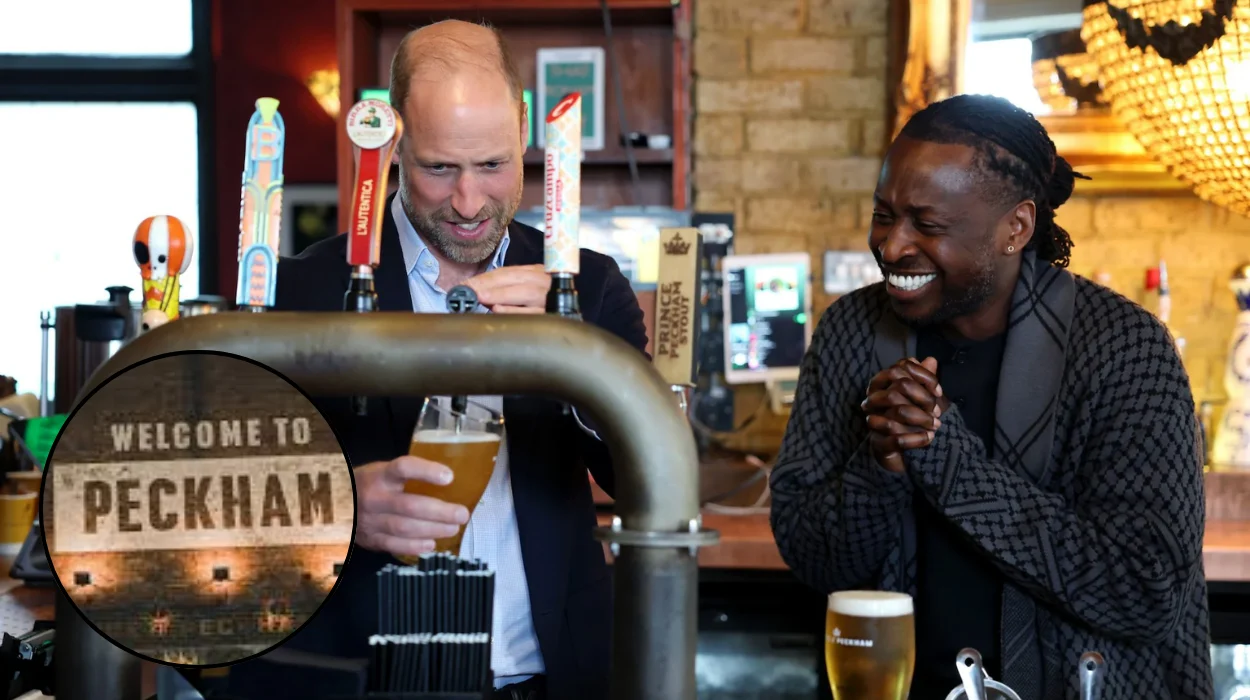
- As part of his high-profile visit to south-east London, the Prince stepped behind the bar to pull a traditional pint, engaging directly with the venue’s management team and local patrons.
Peckham (Britain Today News) June 3, 2026 – The Prince of Wales has launched a passionate defense of the British public house, issuing an urgent call to action to protect and preserve the nation’s historic hospitality infrastructure during a high-profile visit to a bustling south-east London community hub. Speaking directly to local patrons, community organizers, and hospitality staff, the heir to the throne positioned himself at the forefront of nationwide efforts to preserve these threatened institutions, characterizing them as irreplaceable pillars of local neighborhoods. The intervention by the 43-year-old royal underscores a growing societal concern over the accelerating rate of pub closures across the United Kingdom, aligning the monarchy with grass-roots and journalistic campaigns fighting to secure the economic future of the high street.
- Key Points
- Why Is the Prince of Wales Campaigning to Save British Pubs?
- What Happened During Prince William’s Visit to the Prince of Peckham?
- How Did the Heir to the Throne Demonstrate His Bartending Skills?
- Why Did Prince William State That He ‘Grew Up in Pubs’?
- What Does the Prince Mean by the ‘Glue and Fabric’ of the Community?
- Who Are the Real People That Make a British Pub Successful?
- What Is the Full Scope of Prince William’s Pledge to Support Taverns?
- How Important Are Pubs to the Broader British Economy?
- What Specific Challenges Are Publicans Facing Across the United Kingdom?
- How Can Local Communities Help to Keep Their Neighborhood Pubs Alive?
Why Is the Prince of Wales Campaigning to Save British Pubs?
The structural decline of the traditional British public house has moved from an economic concern to a cultural crisis, prompting the Prince of Wales to utilize his platform to advocate for their survival. Standing inside a packed neighborhood establishment, the Prince made it clear that the loss of these spaces inflicts a deep wound on the social health of local areas. He emphasized that pubs cannot be treated merely as commercial businesses selling food and drink; rather, they are foundational assets that support the psychological and social well-being of the British public.
The royal intervention highlights the escalating pressures facing independent publicans, including skyrocketing energy tariffs, inflated supply chain costs, and shifting consumer habits. By stepping into this debate, the Prince is seeking to elevate the cultural value of the pub into a matter of national heritage preservation. His presence serves as a reminder to policymakers, local councils, and financial institutions that the closure of a neighborhood tavern permanently alters the social landscape of a community, stripping residents of a safe, shared space designed for cross-generational interaction.
What Happened During Prince William’s Visit to the Prince of Peckham?
On a vibrant afternoon in south-east London, local regulars at the celebrated Prince of Peckham pub found themselves sharing the bar with the future monarch. The visit was structured to shine a spotlight on inclusive, modern public houses that actively serve diverse urban populations. Far from a rigid, formal appearance, the engagement was defined by lively conversations, shared laughter, and direct dialogue regarding the realities of operating a hospitality business in the current economic climate.
The Prince was guided through the premises by the management team, learning about the venue’s specific initiatives to support local creatives, provide employment pathways for neighborhood youths, and maintain an affordable, welcoming environment amidst widespread gentrification. The atmosphere inside the venue reflected the exact communal synergy the Prince later praised, bridging the gap between traditional royal duties and the reality of modern grassroots British culture.
How Did the Heir to the Throne Demonstrate His Bartending Skills?
A defining moment of the south-east London tour occurred when the Prince of Wales stepped away from the lounge floor and went behind the heavy timber bar. Egged on by cheering regulars and watching staff, the Prince took hold of a traditional beer engine handle to try his hand at pouring a classic British pint. Under the watchful eye of the head bartender, he carefully tilted the glassware, managing the flow to ensure a clean pour with an appropriate frothy head, a task that drew warm applause from the gathered crowd.
This hands-on demonstration was more than just a playful photo opportunity; it served as a symbolic gesture of solidarity with the hundreds of thousands of bartenders, cellarmen, and hospitality workers who keep the UK service industry moving. By stepping into the shoes of a frontline worker, the Prince signaled his respect for the labor, skill, and daily dedication required to operate a successful public house, turning a routine royal appearance into a shared, relatable human experience.
Why Did Prince William State That He ‘Grew Up in Pubs’?
In a candid exchange that caught the attention of patrons standing by the bar, Prince William shared a personal reflection on his upbringing, revealing a deep-seated connection to the hospitality industry. While speaking with a group of older regulars who have frequented south-east London establishments for decades, the Prince smiled and remarked that he “grew up in pubs.” The statement surprised many, given his ultra-private, protected childhood within royal palaces, but it pointed to a genuine affection for the informal, unpretentious environment that only a true British tavern can provide.
This admission served to humanize the heir to the throne, connecting his personal memories with the collective experience of millions of citizens who view the local tavern as an extension of their own living rooms. Whether referencing casual meals with his family, low-profile outings during his university years at St Andrews, or relaxed evenings spent with military colleagues during his time in the Armed Forces, the Prince’s reflections underscored his view that the unique atmosphere of a public house is an essential component of a balanced British life.
What Does the Prince Mean by the ‘Glue and Fabric’ of the Community?
Throughout his address to the patrons of the Prince of Peckham, the Prince of Wales repeatedly turned to sociological metaphors to describe the profound impact public houses have on society. He noted that Britain’s public houses act as “the glue and fabric” in a community, an phrase that points to the invisible social ties these establishments help create and maintain. In an era increasingly defined by digital isolation, remote work, and the fragmentation of traditional civic spaces, the Prince argued that physical meeting points are more critical than ever before.
The terminology used by the royal guest reflects a deep understanding of the pub’s historic role as a secular community center. It is a place where milestones are celebrated, grief is shared, local sports teams are organized, and lonely residents can find human conversation without judgment. By defining the pub as the structural “fabric” of neighborhoods, the Prince warned that allowing these businesses to fail risks unravelling the wider social cohesion of towns and cities across the United Kingdom.
Explore More about UK:
UK and Morocco Look to Strengthen Trade Ties With Ambitious 7-Year Goal
Sikh Leaders Warn of Possible UK Backlash While Condemning ‘Moment of Madness’
Who Are the Real People That Make a British Pub Successful?
While architectural charm and historical heritage give a public house its character, the Prince of Wales argued that the true value of any establishment lies entirely within its human element. Discussing the inner workings of the industry with the venue’s floor staff and kitchen crew, the Prince remarked:
“It’s the people – the team – around a pub that make it.”
This statement reoriented the conversation away from corporate balance sheets and placed the focus squarely on the workers who form the backbone of the hospitality sector.
The success of a local tavern relies on a complex web of human relationships: the charismatic landlord who knows every patron’s name, the dedicated kitchen staff working in high-pressure environments, the cleaners who arrive before dawn, and the loyal regulars who anchor the bar’s identity. The Prince’s comments paid tribute to the emotional labor performed by hospitality staff daily, acknowledging that a great pub team acts as informal counselors, event coordinators, and caretakers for their community.
What Is the Full Scope of Prince William’s Pledge to Support Taverns?
The climax of the royal visit came when Prince William articulated a firm, unambiguous commitment to use his platform to advocate for the sector’s long-term preservation. Standing at the heart of the establishment, he delivered a pledge that has resonated deeply across the entire hospitality industry. The Prince stated clearly and emphatically:
“I love pubs. I want to do as much as I can to support pubs because I love the community. We need to protect our pubs.”
This declaration is viewed by industry analysts as a significant step forward for the preservation movement. While royal protocol strictly dictates neutrality on matters of partisan government policy, the Prince’s explicit pledge of active support provides a massive publicity boost to campaigns fighting for emergency business rate relief, VAT reductions, and community asset grants. The phrase
“we need to protect our pubs”
is a rallying cry that places the moral weight of the monarchy behind the survival of the Great British Pub.
How Important Are Pubs to the Broader British Economy?
Beyond their undeniable cultural and emotional value, the public houses championed by the Prince of Wales represent a massive economic engine for the United Kingdom. The hospitality sector consistently ranks as one of the largest employers in the country, providing vital entry-level jobs, management careers, and economic activity in every single constituency from rural Scottish villages to inner-city London boroughs. The economic ecosystem of the traditional tavern supports a vast network of domestic businesses, including agricultural barley growers, independent craft breweries, commercial logistics firms, and local food suppliers.
When a pub is forced to close its doors permanently, the economic fallout extends far beyond the immediate loss of the venue. It results in direct redundancies for bar staff, a reduction in orders for regional suppliers, and a decline in footfall for surrounding high-street businesses such as taxi firms, takeaway restaurants, and retail shops. By advocating for the protection of these spaces, the Prince of Wales is also defending the economic livelihood of hundreds of thousands of families whose household incomes depend entirely on a healthy, trading hospitality market.
What Specific Challenges Are Publicans Facing Across the United Kingdom?
To understand the urgency behind the Prince of Wales’s recent statements, one must examine the hostile economic environment that independent publicans navigate daily. Over the past several years, small businesses have been battered by a continuous storm of financial challenges that have squeezed profit margins to a razor-thin edge. Independent operators report that wholesale costs for basic ingredients, kegs of beer, and spirits have risen sharply alongside statutory wage increases, making it incredibly difficult to break even without pricing out their working-class customer base.
Furthermore, the end of temporary government support schemes has left many publicans exposed to full commercial property rates and high utility bills. Unlike standard retail businesses, pubs are highly energy-intensive operations that require constant refrigeration, heating, lighting, and industrial kitchen equipment to function safely. When these fixed overhead costs are combined with a broader cost-of-living crisis that reduces disposable consumer spending, the financial math simply stops working for many historic venues, leading to the current rate of closures across the country.
How Can Local Communities Help to Keep Their Neighborhood Pubs Alive?
While royal endorsements and political lobbying are crucial components of the wider strategy to save the British hospitality sector, the ultimate survival of the neighborhood tavern rests in the hands of everyday citizens. During his discussions with patrons at the south-east London venue, the Prince of Wales agreed that consistent, local patronage is the most effective shield against corporate closure or redevelopment by property speculators. The message echoing from the heart of Peckham is clear: communities must actively use their local establishments, or risk losing them forever.
Supporting a local pub can take many forms beyond the traditional evening pint. Modern venues have diversified their offerings to survive, hosting daytime workspaces, morning coffee mornings, community markets, and evening educational events. By utilizing these spaces throughout the day, participating in pub quizzes, booking family functions in private lounges, and choosing independent venues over multi-national fast-food chains, ordinary citizens can provide the steady, predictable cash flow needed to keep these vital community assets financially viable for generations to come.
During the Prince of Wales’s official visit to the Prince of Peckham public house in south-east London on Wednesday:
Prince William on his personal affinity for the sector:
“I love pubs. I want to do as much as I can to support pubs because I love the community. We need to protect our pubs.”
Prince William on the social function of the venues: The Prince stated that pubs were “so important” and represented
“a place for the community to come together”.
Prince William on the human element of the industry:
“It’s the people – the team – around a pub that make it.”
Prince William on the cultural significance of public houses: The Prince of Wales, 43, affirmed that Britain’s public houses acted as “the glue and fabric” in a community.