Key Points
- WestJet has cancelled 81 flights scheduled for Saturday, marking the first round of cancellations ahead of a possible strike by its flight attendants.
- The airline says the cancellations are designed to prevent crew and passengers from being stranded should a work stoppage occur.
- The Canadian Union of Public Employees (CUPE), which represents 4,400 WestJet flight attendants, issued a 72-hour strike notice that expires just after midnight on Sunday in Calgary.
- WestJet responded with a matching lockout notice on the same timeline, meaning either side could trigger a work stoppage from Sunday morning.
- WestJet says its latest proposal included a cumulative wage increase of about 36 per cent over four years, along with duty premium payments.
- CUPE WestJet Component president Alia Hussain says some progress has been made, but key issues remain unresolved at the bargaining table.
- Passengers travelling between 30 July and 4 August have been offered a one-time fee-free change or cancellation.
- Only PremiumFlex and BusinessFlex passengers, or premium and business travellers flying between Canada and Asia, are eligible for refunds; other affected passengers will receive travel credit.
- The dispute centres largely on pay for ground duties, an issue that also triggered a strike by Air Canada flight attendants less than a year earlier.
- The disruption threatens to affect hundreds of flights during a long weekend for much of the country if no agreement is reached by Sunday.
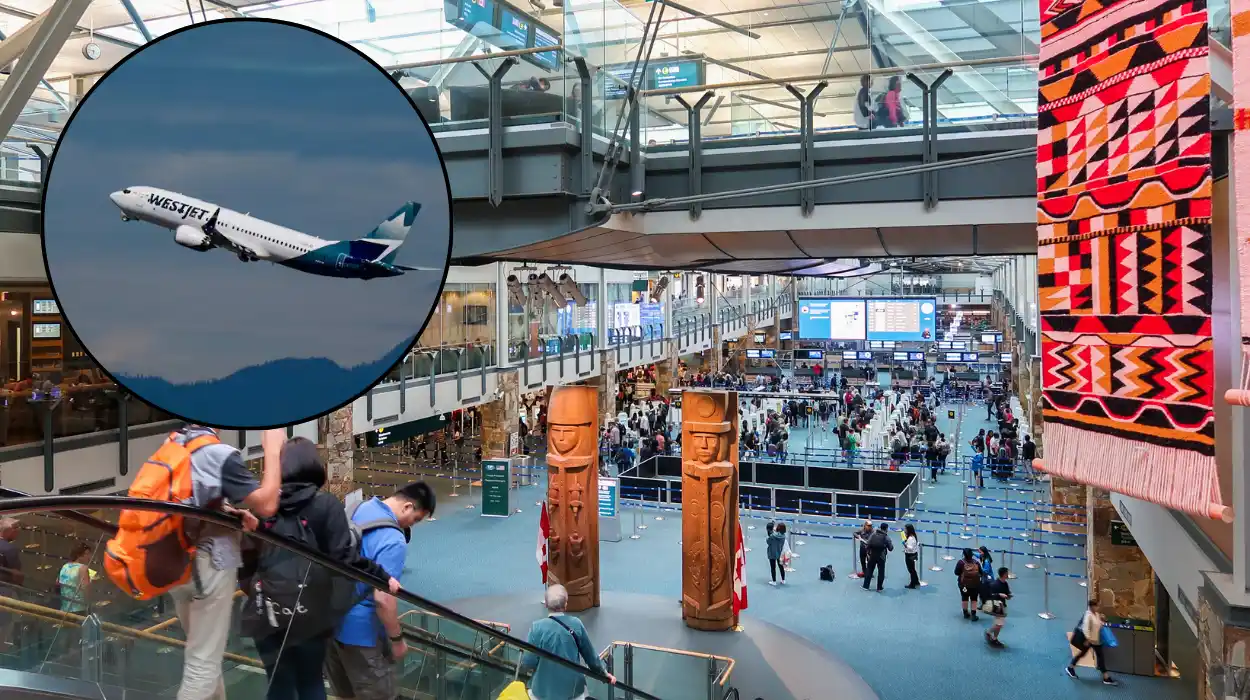
Calgary (Britain Today News) August 01, 2026 – Some travellers are heading into the long weekend on edge, as WestJet begins its first round of cancellations ahead of a possible strike by its flight attendants. The airline announced early on Saturday morning that 81 of the day’s scheduled flights have been scrubbed, with the company saying the move is intended to prevent crew and passengers from being stranded, and urging travellers to check their flight status before leaving for the airport.
- Key Points
- Why Has WestJet Cancelled 81 Flights?
- What Triggered the Strike Notice From CUPE?
- How Has WestJet Responded to the Union’s Position?
- What Has the Union Said About WestJet’s Offer?
- What Happens to Passengers Whose Flights Are Cancelled?
- How Can Travellers Check Their WestJet Flight Status?
- What Compensation and Rebooking Options Are Available?
- What Is at the Heart of the Dispute Between WestJet and CUPE?
- How Does WestJet’s Pay Structure Work for Flight Attendants?
- How Does This Dispute Compare With Wider Industry Trends?
- What Happens Next if No Agreement Is Reached by Sunday?
Why Has WestJet Cancelled 81 Flights?
WestJet confirmed that the cancellations announced on Saturday morning form the opening phase of a broader contingency plan designed to wind down operations in an orderly fashion should a strike or lockout take effect. The airline has framed the move as a precautionary step rather than a direct consequence of industrial action, stressing that no work stoppage has yet occurred.
A WestJet spokesperson said in a statement:
“This action is in response to the union’s notice to strike and the inability to reach an agreement. WestJet’s most recent proposal was designed to be a transformative, industry-leading agreement for WestJet’s cabin crew, and directly addressed the key issues the union identified as its priorities.”
The airline maintains that gradually reducing its schedule allows it to manage the knock-on effects of any stoppage more predictably than cancelling large numbers of flights at short notice, which it says would leave more passengers and crew stuck far from home.
What Triggered the Strike Notice From CUPE?
The Canadian Union of Public Employees, which represents 4,400 WestJet flight attendants, triggered a 72-hour strike notice that is set to expire just after midnight on Sunday in Calgary, where WestJet is headquartered. Under Canadian labour law, a strike notice of this kind gives the union the legal right to call a work stoppage once the notice period lapses, though it does not commit flight attendants to actually walking off the job.
WestJet responded to the strike notice by issuing its own lockout notice on the same 72-hour timeline, meaning the airline could also choose to lock out cabin crew from Sunday morning if no agreement is reached beforehand. The overlapping notices have left both sides technically free to initiate a work stoppage once the deadline passes, though neither is obliged to do so.
How Has WestJet Responded to the Union’s Position?
WestJet has repeatedly pointed to its latest contract offer as evidence that it has moved significantly to meet the union’s demands. The airline says its most recent proposal amounted to a cumulative wage increase of about 36 per cent over four years, which it describes as an industry-leading package for cabin crew.
According to the airline, the offer also addressed compensation for work carried out before and after flights through duty premium payments, a demand that WestJet says came directly from the union’s own list of priorities. The company has characterised the proposal as a comprehensive attempt to resolve the dispute without disruption to travellers.
Despite this, WestJet has acknowledged that talks are ongoing, with the airline saying it remains at the table with CUPE in the hope of securing a new contract before the strike notice deadline passes.
What Has the Union Said About WestJet’s Offer?
CUPE has pushed back on the idea that WestJet’s latest proposal fully addresses the concerns of its members, arguing that important issues remain unresolved. CUPE WestJet Component president Alia Hussain set out the union’s position in an email, stating:
“We aren’t just bargaining a few things, we are seeking a comprehensive contract that reflects the priorities of our members.”
Hussain acknowledged that some headway has been made in recent talks but was clear that significant gaps remain before a deal can be reached. She added that
“there are issues remaining that need to be resolved at the table,”
while also striking a note of cautious optimism, saying:
“We are hopeful that we can still avoid a strike and remain committed to resolving this there.”
The union’s comments suggest that while both sides appear willing to keep negotiating, disagreement persists over the detail of how compensation, ground duties and other conditions should be structured in any final agreement.
What Happens to Passengers Whose Flights Are Cancelled?
For travellers directly affected by Saturday’s cancellations, WestJet has said it will handle refunds and rebooking according to its existing policies for schedule disruptions. The airline has confirmed that passengers whose flights are cancelled or delayed as a result of the current situation will be refunded or re-accommodated as applicable, depending on the type of ticket they hold.
Passengers who booked directly with WestJet will be notified of any changes to their itinerary using the contact details provided at the time of booking. Those who booked through a third party, such as a travel agent or online travel platform, have been told they will need to make any changes to their booking through that same third party rather than contacting WestJet directly.
How Can Travellers Check Their WestJet Flight Status?
With uncertainty hanging over the weekend’s schedule, WestJet has urged all passengers to check the status of their flights ahead of travelling to the airport, rather than assuming their journey will proceed as booked. The airline has directed customers to its online flight status tool, which is being updated as further cancellations are confirmed.
Given that WestJet has indicated this is only the first round of cancellations, further disruption to Sunday’s schedule and beyond remains possible depending on the outcome of negotiations with CUPE. Passengers with imminent travel plans have been advised to monitor updates closely rather than relying solely on earlier confirmations.
What Compensation and Rebooking Options Are Available?
WestJet has introduced a temporary flexibility policy covering the period of disruption. The airline has allowed passengers travelling between 30 July and 4 August to make a one-time change or cancellation to their booking without incurring any fees, regardless of whether their specific flight has been cancelled.
However, eligibility for a cash refund is more limited. According to WestJet, only passengers holding PremiumFlex and BusinessFlex fares, or premium and business class passengers travelling between Canada and Asia, are entitled to have their money refunded. All other affected passengers will instead receive a travel credit for future use rather than a direct refund.
This distinction means that many economy passengers caught up in the cancellations will need to use their travel credit for a future WestJet booking rather than recovering the cost of their ticket in cash, a point that may prove contentious among travellers whose plans have been disrupted during a busy long weekend.
What Is at the Heart of the Dispute Between WestJet and CUPE?
At the core of the disagreement is the question of compensation for work carried out on the ground, an issue that has become increasingly prominent across the North American airline industry in recent years. CUPE has characterised certain ground duties performed by flight attendants, such as boarding and pre-flight preparation, as effectively unpaid work under the current system. WestJet disputes this characterisation, saying its pay structure already accounts for such duties differently.
The dispute echoes a similar standoff less than a year earlier involving Air Canada flight attendants, who took job action over the same underlying issue of ground duty pay. That dispute ultimately resulted in flight attendants securing increased compensation, a precedent that is likely to be shaping expectations on both sides of the current WestJet negotiations.
How Does WestJet’s Pay Structure Work for Flight Attendants?
WestJet has set out details of its existing “credit hour” system, which the airline says combines flight time, ground duties, delays and other elements of a flight attendant’s workday into a single, higher hourly rate that is then credited across the working day. The company describes this as an alternative method of compensating staff for time spent on activities beyond in-flight service, rather than a system that leaves ground duties unpaid.
According to figures published by the airline, the pay rate under this system ranges between C$28.88 and C$53.61 per credit hour. WestJet says that a full-time schedule of around 80 credit hours a month translates into monthly earnings of between roughly C$2,300 and C$4,300, depending on seniority and role.
The union’s objection appears to centre less on the existence of this blended rate and more on whether it adequately compensates the full range of ground-based duties flight attendants are required to perform, an issue that remains unresolved in current talks.
Explore More about World:
New York City’s Flatiron Building Begins New Era With $58.5M Luxury Apartments
Crowther Industrial Estate Fire Sends Smoke Over Washington
How Does This Dispute Compare With Wider Industry Trends?
The question of ground duty pay has become a defining issue in cabin crew labour negotiations across North America in recent years. Delta Air Lines was the first major carrier on the continent to introduce specific pay for ground-based work when it reformed its compensation structure in 2022. Since then, American Airlines and Alaska Airlines have introduced their own boarding pay arrangements, compensating flight attendants at 50 per cent of their regular hourly rate for time spent boarding passengers.
Against this backdrop, CUPE’s push for the WestJet dispute suggests the union is seeking to bring the airline’s pay structure closer in line with practices already adopted by some of its larger US counterparts, while WestJet maintains that its existing credit hour system already reflects a comparable level of overall compensation.
What Happens Next if No Agreement Is Reached by Sunday?
With the strike and lockout notices both set to expire just after midnight on Sunday in Calgary, the coming hours are likely to prove decisive for hundreds of thousands of travellers relying on WestJet flights over the long weekend. Should no agreement be reached in time, either the union or the airline would be in a legal position to initiate a work stoppage, a scenario that WestJet has said its phased cancellations are designed to help manage.
For now, WestJet says it remains committed to reaching a deal with CUPE at the negotiating table, and the union has echoed that sentiment, with Alia Hussain stating that both progress and unresolved issues remain part of the current discussions. Passengers, meanwhile, have been left to navigate a weekend of uncertainty, with the airline continuing to urge close monitoring of flight status updates as the situation develops.