


Key Points
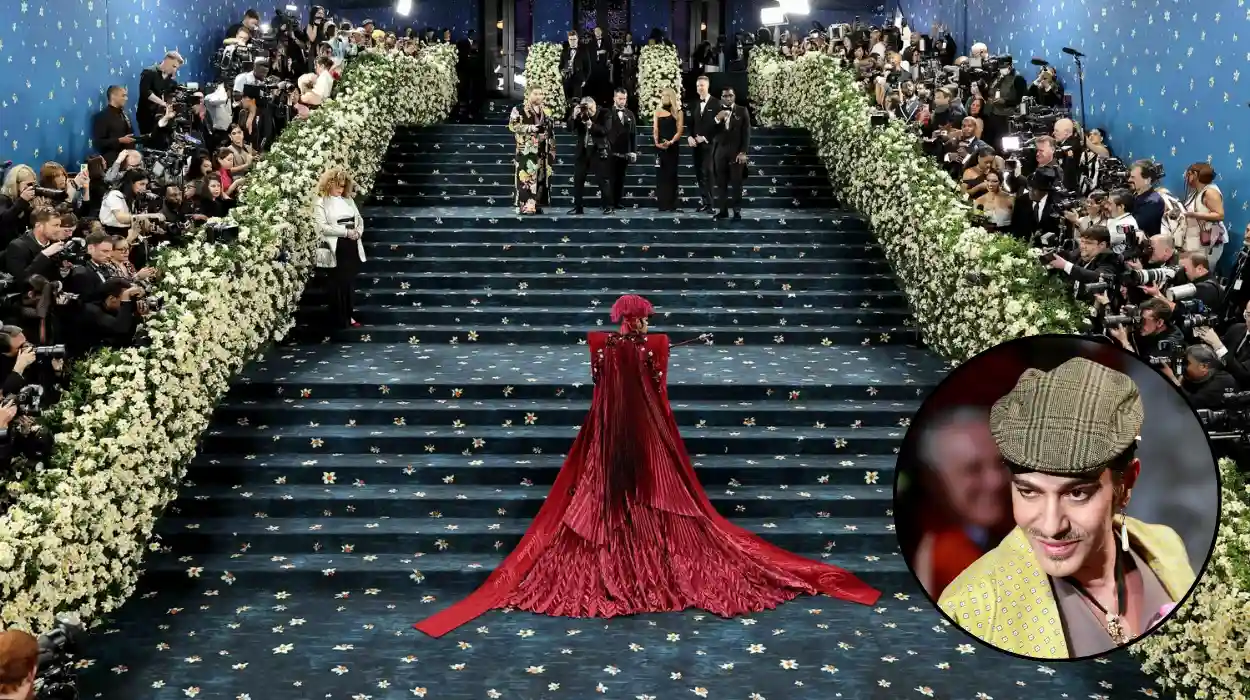
- The Metropolitan Museum of Art and designer John Galliano have jointly cancelled plans to stage the “John Galliano: Horizons” exhibition set to take place in May 2027, along with the Met Gala.
- This is in response to the criticism surrounding Galliano’s past antisemitic, racist, and anti-Asian statements, including his hate speech case and guilty verdict in 2011 in France.
- Galliano addressed the issue himself, saying that he accepted responsibility for his hurtful remarks of the past, especially to the Jewish and Asian communities, and would rather not put the Met in an uncomfortable situation.
- The announcement was made by Met Director and CEO Max Hollein in a joint statement, saying that the museum and Galliano together decided to cancel the exhibition after “careful consideration”.
- There will still be the annual 2027 Met Gala, usually themed based on the spring exhibition of the Costume Institute, but without the theme featuring Galliano; a new exhibition and gala theme will be released at a later date.
- Notable opponents of honouring Galliano include representatives of the Anti-Defamation League and New York City Council Speaker Julie Menin, citing the growing antisemitism.
- Anna Wintour of Vogue magazine, a long-term Met Gala chairman, is said to have called Galliano’s choice to withdraw “courageous,” while the Met underlined the significance of continual accountability and education.
- This decision was made less than one month after the exhibition was initially revealed in late July 2026, causing resignations and criticism from certain donors and Friends of the Costume Institute members.
New York (Britain Today News) September 01, 2026 – The Metropolitan Museum of Art and British designer John Galliano have jointly announced the cancellation of the planned “John Galliano: Horizons” exhibition, originally set to open in May 2027 alongside the annual Met Gala, following sustained backlash over the designer’s past antisemitic and racist remarks. The announcement came on Monday, 31 August 2026, ending weeks of controversy that had drawn criticism from Jewish advocacy groups, politicians, donors and members of the museum’s fashion community.
- Key Points
- What exactly has been cancelled, and when was it supposed to happen?
- Why did the Met and Galliano decide to cancel the exhibition?
- What has John Galliano said about the cancellation?
- How has the Metropolitan Museum of Art framed its decision?
- What role did Anna Wintour and Vogue play in the outcome?
- How did Jewish groups and political figures respond to the original plan?
- What does this mean for the 2027 Met Gala’s theme and date?
- What is the broader context of Galliano’s past controversies?
- What are the implications for museums honouring controversial figures?
What exactly has been cancelled, and when was it supposed to happen?
The exhibition in question, titled “John Galliano: Horizons”, was intended as a major retrospective of Galliano’s four-decade career, covering his tenure at houses including Givenchy, Christian Dior and Maison Margiela. According to the Met’s initial plans, the show was scheduled to open on 9 May 2027 and run through 9 January 2028 as the Costume Institute’s spring 2027 exhibition, with the Met Gala serving as its high-profile launch event.
In a press release issued on 31 August 2026, the museum confirmed that the exhibition “will not proceed as planned” and would be replaced by another, as-yet-unannounced show. Met Director and CEO Max Hollein stated:
“Following thoughtful discussions with John Galliano, we have together decided not to proceed with the exhibition.”
Why did the Met and Galliano decide to cancel the exhibition?
The cancellation follows intense public and institutional backlash after the exhibition was first announced in late July 2026. Critics highlighted Galliano’s 2011 conviction in France for public antisemitic abuse, as well as subsequent reports of racist and anti-Asian remarks, arguing that honouring him with a major museum retrospective was inappropriate amid rising global antisemitism.
As reported by multiple outlets, the Anti-Defamation League and other Jewish organisations voiced strong opposition, while New York City Council Speaker Julie Menin publicly stated that “honouring Galliano is a serious mistake” and welcomed the cancellation as the “correct decision” given current tensions. Within the museum’s own circles, at least one longtime member of the Friends of the Costume Institute resigned in protest over the selection of Galliano.
What has John Galliano said about the cancellation?
John Galliano addressed the controversy directly in a statement posted to Instagram on the morning of 31 August 2026. He wrote:
“After much reflection and discussion with The Met and all those involved, I have decided, with great sadness, that the exhibition shouldn’t take place at this time.”
Galliano also reiterated his accountability for past harm, saying:
“I remain fully accountable for the pain caused by my words in the past, particularly the hurt I caused to the Jewish and Asian communities, and I remain deeply sorry for it.”
He added that he did not want the debate surrounding him to place the Met “in a difficult position”, framing his withdrawal as an act of responsibility rather than concession.
How has the Metropolitan Museum of Art framed its decision?
In its official statement, the Met emphasised that the decision was reached jointly with Galliano after “thoughtful discussions”. Director Max Hollein’s remarks underscored a collaborative process rather than a unilateral cancellation by the institution.
The museum also indicated that the spring 2027 Costume Institute exhibition would be replaced by another show, with details of both the new exhibition and the 2027 Met Gala to be announced at a later date. By describing the Galliano project as “postponed” in some internal communications, according to industry reporting, the Met left open the possibility of revisiting the concept in the future, though no timeline has been specified.
What role did Anna Wintour and Vogue play in the outcome?
Anna Wintour, editor-in-chief of Vogue and long-time chair of the Met Gala, has been closely associated with the Costume Institute’s annual exhibition and gala. According to reports, Wintour viewed Galliano’s decision to step back from the exhibition as “courageous”, signalling support for his acknowledgement of past harm and the mutual decision with the museum.
While Wintour did not issue a separate public statement quoted verbatim in the initial wave of coverage, her reported stance helped shape the narrative that the cancellation was a responsible, if painful, resolution for all parties. Her influence remains significant given her central role in fundraising and programming for the Costume Institute.
How did Jewish groups and political figures respond to the original plan?
From the moment the Galliano exhibition was announced, Jewish advocacy organisations raised alarms about the message it would send. The Anti-Defamation League and other groups argued that celebrating a designer convicted of antisemitic abuse risked normalising hate speech and undermining efforts to combat rising antisemitism.
New York City Council Speaker Julie Menin was among the most vocal critics, stating unequivocally that “honouring Galliano is a serious mistake” and pressing the museum to reconsider. Her public comments, alongside broader community pressure, contributed to the environment in which the Met and Galliano ultimately chose to cancel the project.
What does this mean for the 2027 Met Gala’s theme and date?
Because the Met Gala’s theme and dress code are traditionally derived from the Costume Institute’s spring exhibition, the cancellation of “John Galliano: Horizons” leaves the 2027 gala without its originally intended focus. The museum has confirmed that a replacement exhibition will be announced, which will in turn define the gala’s new theme.
It remains unclear whether the cancellation will affect the gala’s scheduled date in early May 2027. Industry reporting suggests that organisers are weighing options for a new thematic concept that can be developed on an accelerated timeline, but no official details have been released.
Explore More about World:
Germany’s Trident Funding Talks: Can Money Fix Berlin’s Nuclear Dilemma?
Technics Unveils Limited SL-1200 Turntable for 55th Anniversary
What is the broader context of Galliano’s past controversies?
John Galliano’s career has been marked by both extraordinary creative influence and repeated controversies over discriminatory remarks. In 2011, he was dismissed from Christian Dior after a video surfaced showing him making antisemitic comments in a Paris bar; he was subsequently convicted of hate speech by a French court.
Galliano has since spoken about struggles with addiction and work-related stress, attributing some of his behaviour to those factors while offering apologies to affected communities. Nevertheless, the 2026 backlash demonstrated that, for many critics, past convictions and patterns of speech remained disqualifying for a high-profile institutional honour.
What are the implications for museums honouring controversial figures?
The Galliano case has reignited debates over how cultural institutions should balance artistic achievement against ethical considerations when selecting subjects for major retrospectives. Supporters of the original plan argued that Galliano’s influence on fashion warranted scholarly examination, while opponents contended that the museum’s platform should not be used to rehabilitate figures linked to hate speech.
The joint decision to cancel, framed around accountability and sensitivity to affected communities, may set a precedent for how museums navigate similar dilemmas in future. As one industry observer noted, the episode underscores the growing expectation that institutions weigh not only artistic merit but also the social impact of their programming choices.