Key Points
- Petrol Retailers Association (PRA) initially cancelled a scheduled meeting with Chancellor Rachel Reeves due to “inflammatory language” from government ministers, fearing abuse towards retail staff.
- The PRA represents both large and small independent petrol retailers across the UK.
- Language in question came from Chancellor Rachel Reeves, who stated: “I will not tolerate any company exploiting the current situation to make excess profits at consumers’ expense. I’m backing drivers and families – and I expect a fair deal at the pump.”
- Energy Secretary Ed Miliband added: “Tackling the cost of living is our number one priority – all fuel retailers must sign up for Fuel Finder so drivers can find the cheapest price at the pump. We will not hesitate to act to protect consumers against any unfair practices.”
- PRA executive director Gordon Balmer withdrew after Reeves’ office could not guarantee a private meeting without media.
- PRA deleted several posts on X (formerly Twitter) announcing the cancellation.
- The meeting ultimately proceeded and was described as “productive” by Gordon Balmer, though no apologies were issued for the language.
- Soaring petrol and diesel prices linked to war in Iran following the killing of Ayatollah Ali Khamenei on 28 February 2026.
- Latest RAC Fuel Watch data: unleaded petrol averages over 139p per litre (up 1p in 24 hours, 7.3p since end February); diesel at 155.1p-158.23p (up 2p-16p since 28 February, 9-11.1% jump).
- Oil prices exceeded $100 per barrel amid Iranian attacks on shipping and vows to close Strait of Hormuz.
- Prime Minister Keir Starmer stated on X: “If fuel companies attempt to exploit customers, my government will intervene.”
- Government urged retailers to join Fuel Finder and warned of action against unfair practices.
- PRA refuted price gouging accusations, noting members operate on thin or negative margins.
United Kingdom (Britain Today News) March 13, 2026 – Petrol Retailers Association (PRA) – Petrol retailers have executed a dramatic U-turn, returning to crisis talks with Chancellor Rachel Reeves after initially axing the meeting over accusations of “inflammatory language” from government ministers, GB News understands.
- Key Points
- Why Did Petrol Retailers Initially Cancel Talks with Rachel Reeves?
- What Inflammatory Language Sparked the Row?
- How Have UK Fuel Prices Surged Recently?
- What Caused the Fuel Price Crisis in the UK?
- What Happened at the Crisis Meeting with Ed Miliband?
- Will the Government Intervene on Fuel Prices?
The scheduled Downing Street discussions, aimed at addressing skyrocketing fuel prices amid the Iran war, were plunged into chaos when the PRA withdrew, citing fears of public abuse towards staff incited by ministerial rhetoric. ITV News reports that the PRA ultimately attended, describing the encounter as “productive” despite no apologies for the disputed comments. This development comes as UK drivers face petrol at over 139p per litre and diesel nearing 158p, the RAC’s latest data confirms.
Why Did Petrol Retailers Initially Cancel Talks with Rachel Reeves?
As reported by Felix Reeves of GB News, the PRA pulled out hours before the meeting, stating it had written to the Chancellor seeking reassurance for a private session without media to “explain how the fuel market works.”
“As her office could not provide this, Gordon Balmer has withdrawn from the meeting,”
the PRA announced.
Gordon Balmer, executive director of the PRA, elaborated to ITV News:
“Recently, I’ve received reports from several of our members about retail staff being mistreated by the public, possibly incited by the misleading and provocative language from certain commentators, such as terms like ‘rip-offs’ and ‘profiteering.'”
He added that members are
“working under challenging conditions… on razor-thin or even negative margins.”
The association, representing independents and majors alike, deleted X posts publicising the boycott, signalling the reversal.
Daily Express coverage highlights the PRA’s accusation that ministers’ provocative language resulted in
“incidents of retail employees facing abuse from the public.”
What Inflammatory Language Sparked the Row?
GB News attributes the controversy to statements from both Chancellor Reeves and Energy Secretary Miliband. Reeves declared earlier on 13 March:
“I will not tolerate any company exploiting the current situation to make excess profits at consumers’ expense. I’m backing drivers and families – and I expect a fair deal at the pump.”
Miliband echoed:
“Tackling the cost of living is our number one priority – all fuel retailers must sign up for Fuel Finder so drivers can find the cheapest price at the pump. We will not hesitate to act to protect consumers against any unfair practices.”
During the meeting, Reeves stressed a “shared responsibility” for affordable prices, while Miliband affirmed:
“We have made it clear that we will not accept unfair practices in this sector or anywhere else in the industry.”
Prime Minister Keir Starmer reinforced on X:
“If fuel companies attempt to exploit customers, my government will intervene. Rachel Reeves and Ed Miliband are convening with the leaders of fuel companies today to ensure that customers are not adversely affected by the conflict in the Middle East.”
How Have UK Fuel Prices Surged Recently?
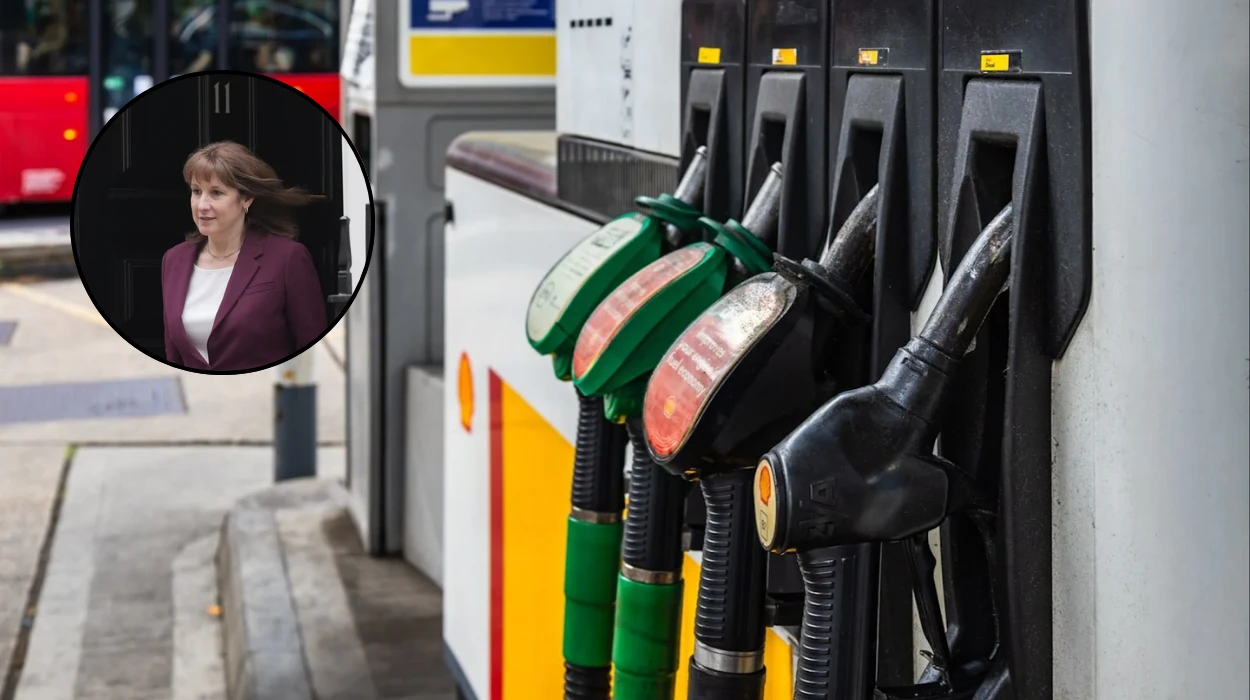
RAC Fuel Watch data, as reported on 10 March, shows unleaded petrol rising another penny to 139p per litre in 24 hours, with diesel up 2p to 155.1p – a 13p or 9% increase since 28 February. Earlier RAC figures cited in the query and Express note unleaded over £1.40 and diesel at 158.23p, up nearly 16p – an 11.1% hike for millions.
RAC head of policy urged drivers to “shop around” amid the financial impact of the conflict. CarThrottle warns diesel could head for 180p. The RAC previously forecasted up to 18p rises if oil tops $100 per barrel, now realised.
Forecourt Trader notes the PRA planned to refute “price gouging” claims at the roundtable.
What Caused the Fuel Price Crisis in the UK?
The spike traces to the war in Iran, triggered by the killing of Supreme Leader Ayatollah Ali Khamenei on 28 February 2026. Iran’s new leader, Ayatollah Mojtaba Khamenei, vowed to close the Strait of Hormuz and attack Gulf shipping, sending crude over $100 per barrel.
Yahoo Finance reports Reeves asking the Competition and Markets Authority to “crack down” on “rip-offs.” ITV links it to Middle East escalation affecting budgets, with 400 million barrels released deemed insufficient. Heating oil firms face 100% hikes, unregulated by Ofgem.
What Happened at the Crisis Meeting with Ed Miliband?
ITV News details the Friday 13 March Downing Street session, attended by Reeves, Miliband, and industry leaders. Balmer called it “very well” and “constructive,” with ongoing collaboration, but noted
“considerable work needed to assist politicians… in grasping the workings of the fuel market.”
Reeves emphasised “shared obligation”; Miliband prioritised consumer protection. No media presence was ultimately an issue post-U-turn. GB News understands the talks proceeded despite initial cancellation.
Will the Government Intervene on Fuel Prices?
Starmer pledged intervention against exploitation. Reeves warned pre-meeting she “will not accept” excess profits from Middle East uncertainty. The government pushes Fuel Finder adoption and CMA vigilance.
PRA keeps
“our door… open for constructive discussion.”
RAC advises shopping around as prices climb.
Broader Impact on Drivers and Retailers?
Diesel drivers bear the brunt, with 11.1% jumps prompting intervention calls. Retailers claim losses on competitive pricing amid global chaos. Inflation fears rise globally from oil surge.
The row underscores tensions between government consumer protection and industry operations during geopolitical crisis. Balmer’s post-meeting positivity suggests potential de-escalation, but prices remain a flashpoint.