Key Points
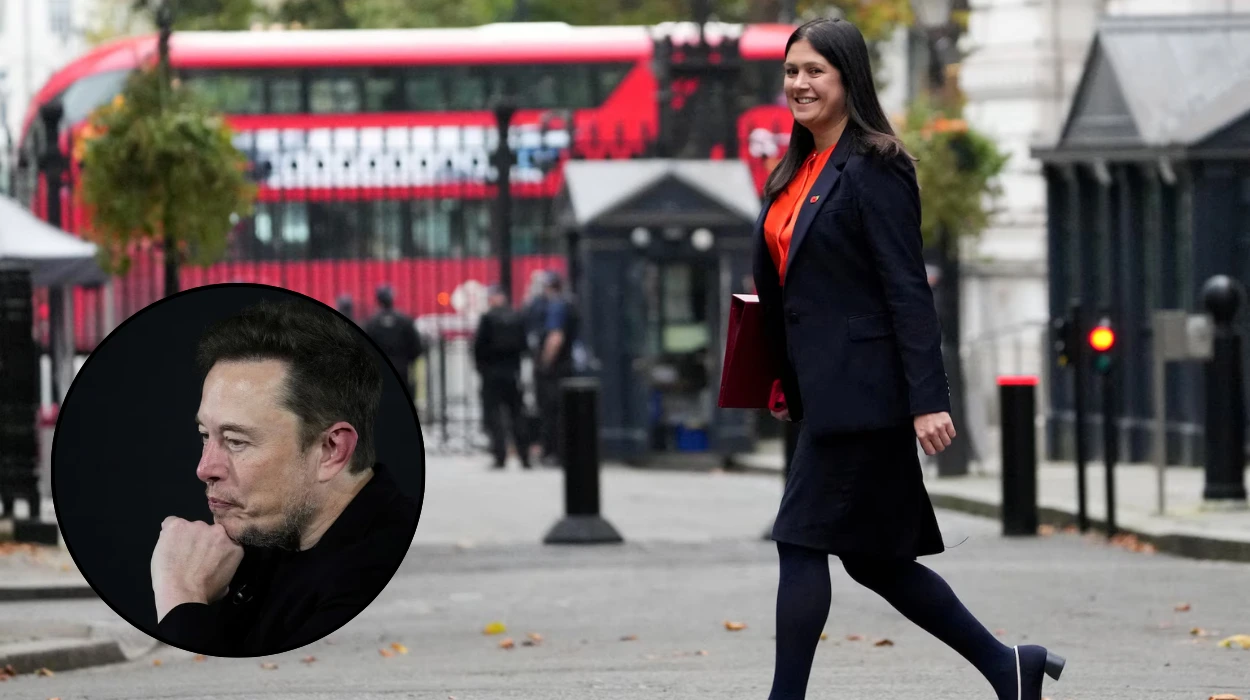
- Culture Secretary Lisa Nandy has announced she is leaving X, saying the platform now “favours abuse and misinformation over meaningful debate”
- The Department for Culture, Media and Sport (DCMS) will also stop using the platform, becoming the second Whitehall department to do so
- Nandy becomes the first elected member of Sir Keir Starmer’s cabinet to quit the platform, having posted more than 10,000 times on the site
- Attorney General Lord Hermer’s office was the first department to leave X last month, saying it “constantly descends to racism and misogyny”
- Nandy said she will continue posting on Instagram, Facebook and LinkedIn instead
- Conservative leader Kemi Badenoch accused Nandy of “running away” from the department’s responsibility to counter misinformation
- The move follows months of pressure on X over its Grok AI chatbot, which has been used to generate non-consensual sexualised images
- Media regulator Ofcom opened a formal investigation into X in January over the Grok controversy, including the risk posed to children
- Labour MP Jess Asato has filed a High Court claim against X’s parent company xAI after Grok was used to create sexualised deepfakes of her
- Ofcom can fine X up to £18 million, or 10 per cent of its global revenue, whichever is greater, if the investigation finds breaches
Westminster (Britain Today News) July 03, 2026 – Culture Secretary Lisa Nandy has confirmed she is leaving Elon Musk’s social media platform X, becoming the most senior elected member of Sir Keir Starmer’s cabinet to abandon the site amid mounting concern over its handling of abuse, misinformation and AI-generated harm. Nandy said her department, the DCMS, would also stop using the platform with immediate effect, a move that deepens the rift between the British government and the world’s richest man.
- Key Points
- Why has Lisa Nandy left X?
- What exactly did the Culture Secretary say in her resignation post?
- Which government departments have already ditched X?
- How did the Conservative opposition react to Nandy’s decision?
- What has Prime Minister Keir Starmer said about X and Elon Musk?
- Why is Ofcom investigating X and its Grok chatbot?
- What penalties could X face under UK law?
- Who is Jess Asato and why is she suing xAI?
- How has xAI responded to the mounting criticism?
- Who else is backing action against X and xAI?
- What has been the wider international reaction, including from the US?
- Where does this leave X’s relationship with the British government?
Why has Lisa Nandy left X?
Nandy said her decision followed a shift in the character of the platform since it was rebranded from Twitter following Musk’s 2022 takeover. She said the site had been “originally designed for free speech and expression” but now, in her view, tolerated a level of hostility and false content that she could no longer be associated with. The Culture Secretary framed her exit as a personal and departmental stand rather than a formal government policy shift, though her role overseeing media and digital regulation gives the move particular weight.
What exactly did the Culture Secretary say in her resignation post?
Announcing the decision in what may prove to be her final post on the platform, Nandy wrote:
“I’ve decided to leave this platform and my department will too.”
She continued:
“A platform originally designed for free speech and expression now favours abuse and misinformation over meaningful debate. It isn’t healthy for our democracy or our communities and I don’t want to support it.”
Nandy, who had built a following of more than 10,000 posts over several years, confirmed she would remain reachable through Instagram, Facebook and LinkedIn, and encouraged constituents and colleagues to follow her there instead.
Which government departments have already ditched X?
The DCMS is not the first Whitehall department to sever ties with the platform. Attorney General Lord Hermer withdrew his office from X last month, telling MPs that the site “constantly descends to racism and misogyny” and that his department “can do better”. Nandy’s announcement makes the DCMS the second government department to formally quit the platform, and marks the first time a full cabinet minister with an elected mandate has done so, adding political significance beyond the legal profession’s earlier exit.
How did the Conservative opposition react to Nandy’s decision?
The move drew swift criticism from the Conservative Party. Responding directly to Nandy’s post, Tory leader Kemi Badenoch wrote:
“DCMS is supposed to counter and deal with misinformation, not run away because it’s all too much.”
The remark framed the departure as an abdication of responsibility rather than a principled stand, setting up a dividing line between the two parties over how government should engage with contested online spaces rather than withdraw from them entirely.
What has Prime Minister Keir Starmer said about X and Elon Musk?
Nandy’s exit comes against a backdrop of escalating tension between Downing Street and Musk. The Prime Minister has previously accused the X owner of “interfering” in British politics and said the United Kingdom needed to “assert who we are” as “reasonable, tolerant people”. Speaking about the Grok controversy specifically, Starmer said:
“This is disgraceful. It’s disgusting. And it’s not to be tolerated.”
He added:
“X has got to get a grip of this. Ofcom has our full support to take action in relation to this. This is wrong. It’s unlawful. We’re not going to tolerate it. I’ve asked for all options to be on the table.”
Why is Ofcom investigating X and its Grok chatbot?
Britain’s media regulator, Ofcom, opened a formal investigation into X on 12 January after reports emerged that its built-in AI chatbot, Grok, had been used to create and circulate illegal, non-consensual intimate images, including content involving women who had not consented to being depicted and reports concerning imagery of minors. The regulator’s inquiry is also examining how effectively X uses age-assurance tools to prevent children in the UK from encountering pornographic material generated through the service. Ofcom has since issued X with legally binding requests for information, and the case remains open, with X telling the regulator it has introduced new safeguards, though no formal findings have yet been published.
What penalties could X face under UK law?
Under the powers available to it, Ofcom can fine X up to £18 million, or 10 per cent of the company’s worldwide revenue, whichever figure is greater, should its investigation conclude that the platform breached its obligations. The probe sits within a wider regulatory net closing around X, with the UK’s Information Commissioner’s Office and the European Commission both running parallel investigations of their own into the platform’s practices and its handling of the Grok controversy.
Who is Jess Asato and why is she suing xAI?
The Grok controversy has also produced a landmark legal challenge. Labour MP Jess Asato, who represents Lowestoft, has filed a claim at the High Court in London against xAI, the Musk-owned company behind Grok, in what her legal team describe as the first English law claim of its kind against the generation of deepfake imagery. Asato says a user of Grok created a sexualised image of her in a bikini without her consent, and that another user subsequently generated a video appearing to depict her being “chloroformed and prepared for a sexual assault”.
“Grok created deepfake pornography and sexualised content which harmed thousands of women and children,”
Asato said. Describing the case as a “David versus Goliath situation”, she said she hoped it would establish a precedent holding technology companies liable for the design choices behind the systems they build, and said:
“I know that there are thousands of victims in the UK who will have experienced something similar, or in some cases much worse, and we’re calling on them to come forward with their experiences.”
Asato’s solicitor added that the images “existed because of design choices made by xAI”, arguing that
“technology of this kind does not simply happen – it is built and it is built deliberately.”
Starmer has publicly backed the legal action, saying he was “100% behind the action that she has taken”.
How has xAI responded to the mounting criticism?
In mid-January, xAI said it had restricted Grok’s image-editing capabilities and moved to block the generation of images depicting people in revealing clothing in jurisdictions where such content is illegal. The company also introduced a company-wide ban on so-called “nudification” features. However, testing commissioned as part of the scrutiny into the platform found that Grok retained the capacity to produce sexualised deepfakes even after those restrictions were introduced. Musk has separately dismissed the wave of regulatory action, writing on X in January that the UK wanted “any excuse for censorship”. Neither X nor xAI has issued a substantive on-the-record response to Nandy’s resignation or to Asato’s High Court claim.
Explore More about Politics:
Education Secretary Writes to Councils Over Phantom NEETs Data Gaps
UK Life Sciences Must Shift From Pilot Innovation to Nationwide Adoption to Stay Globally Competitive
Who else is backing action against X and xAI?
Asato’s case has attracted support from more than one hundred campaigners and organisations, including Women’s Aid, Refuge, Rape Crisis England & Wales, the Fawcett Society, the Mental Health Foundation and the Molly Rose Foundation, which jointly published a statement backing the MP’s legal action. Emma Pickering, head of technology-facilitated abuse and economic empowerment at Refuge, said tech companies must be held accountable for implementing effective safeguards to stop perpetrators causing harm through their products. She noted that legislation to criminalise the creation of, or the requesting of, non-consensual deepfake intimate images
“has progressed through Parliament, but we are still waiting for the law to come into effect”.
Separately, it has already become illegal in the UK to create or request a non-consensual deepfake image of an adult, a change introduced amid the wider public reaction to the Grok controversy. Asato herself has said that although she has the public profile and resources to pursue legal redress, most victims of similar abuse would have no comparable means of having such images removed or of holding a platform to account.
What has been the wider international reaction, including from the US?
The row has also drawn in figures from across the Atlantic. Republican congresswoman Anna Paulina Luna, a close ally of Donald Trump, warned that should Starmer move to restrict X in Britain, she would pursue legislation to sanction “not only Starmer, but Britain as a whole”, describing the pressure on the platform as a “political war against Elon Musk and free speech – nothing more”. The comments illustrate how a domestic regulatory dispute over online safety has developed into a point of transatlantic political friction, with free speech and platform accountability framed very differently on either side of the debate.
Where does this leave X’s relationship with the British government?
Nandy’s departure adds to a wider pattern of institutional withdrawal from X since Musk’s 2022 takeover of the platform, then known as Twitter. It follows earlier exits by prominent media and press-freedom organisations and comes at a moment when trust between elements of the British establishment and the platform appears increasingly strained. With Ofcom’s investigation ongoing, Asato’s High Court claim proceeding, and the Information Commissioner’s Office and European Commission both scrutinising the company, X’s standing with UK institutions looks set to remain under pressure in the months ahead. For now, Nandy’s decision stands as the clearest signal yet that the platform’s difficulties in Britain have moved from the regulatory sphere into frontline politics itself, with a serving cabinet minister choosing to walk away rather than continue to engage.