Key Points
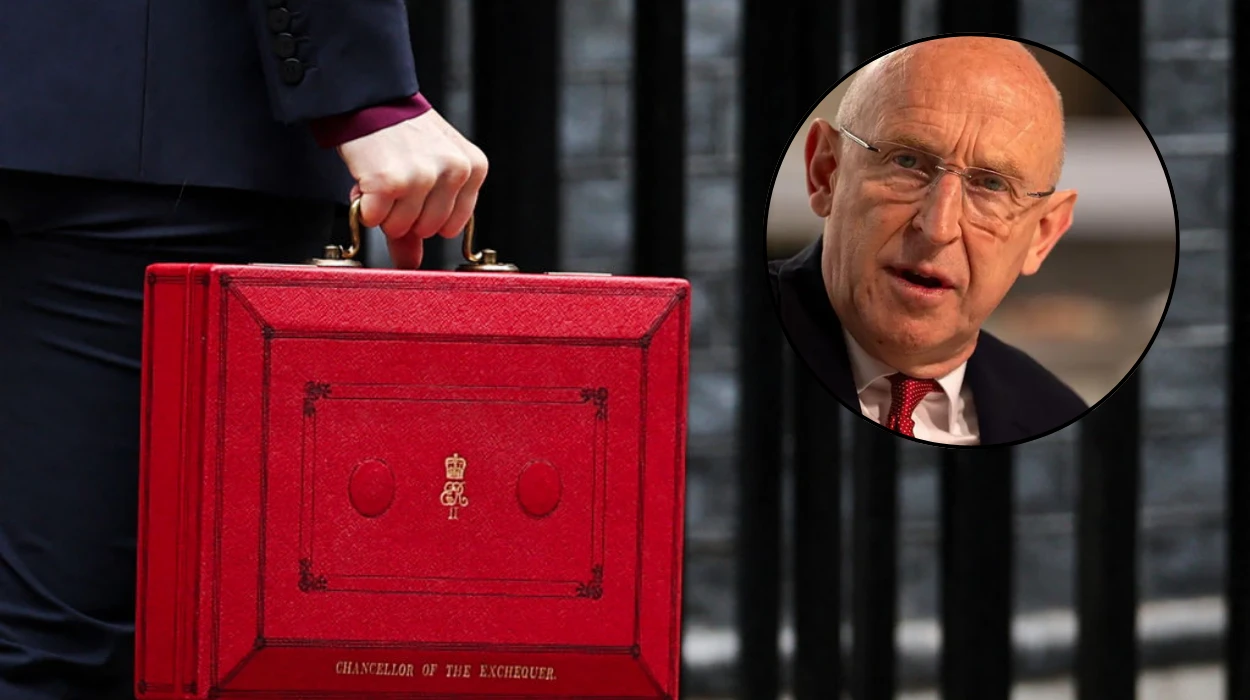
- Chancellor John Healey has announced that his first Budget will be held on Wednesday, 28 October.
- In a video message, Healey said the Budget will move money and power out of Westminster and into every postcode across Britain.
- He said the plan will be built on fiscal discipline and will meet the Government’s fiscal rules.
- Prime Minister Andy Burnham said his Government will stick to Labour’s fiscal rules on spending and borrowing, and to the party’s 2024 manifesto pledges not to raise income tax, VAT or national insurance.
- Burnham also said he will honour the fiscal rules set by Rachel Reeves, including balancing day-to-day spending with tax revenues by the end of the decade.
- An influential think tank has warned that Burnham has only a small margin of error, and that Healey may need to cut spending or raise taxes to meet key priorities.
- Those priorities include higher defence spending and improved social care.
- Reeves left a £22bn buffer in her last Budget, but persistent inflation linked to the Iran war may have reduced that cushion.
- Burnham has already announced several cost-of-living measures, including scrapping VAT from domestic electricity bills.
- He also said all mayors of city regions in England will receive a share of income tax revenue for the first time, as part of a wider drive to devolve power away from London.
- Details on the exact share of taxes for mayors are expected at the Budget.
London (Britain Today News) July 31, 2026 — Chancellor John Healey has confirmed that his first Budget will take place on Wednesday, 28 October, setting the stage for a major fiscal statement that will test the new Government’s promises on tax, spending and devolution. Healey said the Budget will be designed to shift “money and power out of Westminster, and into every postcode around Britain,” while remaining within the Government’s fiscal rules.
- Key Points
- What did Healey say about the Budget?
- Why is 28 October important?
- What are the political pressures on Healey?
- What cost-of-living measures have already been announced?
- Why are mayors being given tax revenue?
- What will change for English city regions?
- How will this affect local growth?
- What did Burnham mean by fiscal discipline?
- What happens next?
- How should the article be framed for CMS?
What did Healey say about the Budget?
Healey set out the central pitch in a video message that framed the Budget as both an economic and constitutional moment. He said it would be “built on fiscal discipline” and would “meet our fiscal rules,” while also giving businesses and families more stability so they can plan.
The Chancellor’s remarks matter because this will be his first Budget in office and because it will be the first major opportunity to show how the Government intends to balance national priorities with strict financial discipline. The announcement has therefore become as much about politics as economics, especially given the pressure on public finances and the Government’s wider promise to rebalance power across the country.
Why is 28 October important?
The date gives ministers around three months to finalise the measures that will appear in the statement. It also creates a clear timetable for businesses, public services and local leaders who are waiting to learn whether the Government will loosen funding rules, alter tax plans or shift more revenue to local areas.
For the Treasury, the timing is also significant because it comes amid continuing debate over how much room the Government has left in its fiscal plan. The Budget will need to show that it can fund policy priorities without undermining confidence in the Government’s economic management.
How strict are the fiscal rules?
Burnham said the Government will stick to Labour’s fiscal rules on spending and borrowing, along with the party’s 2024 manifesto commitments not to increase income tax, VAT or national insurance contributions. He also said he will keep to the fiscal rules introduced by Rachel Reeves, which require day-to-day spending to be balanced by tax revenues by the end of the decade.
That commitment is central to the Government’s credibility with investors and voters alike. If ministers want to expand public investment, support local government or increase spending in sensitive areas such as defence and social care, they will need to find ways to do so without breaking their own rules or the tax pledges made to voters.
What are the political pressures on Healey?
An influential think tank has warned that the Prime Minister has only a narrow margin for error, and that Healey may have to either cut spending or raise taxes to pay for Burnham’s priorities. Those priorities include additional defence spending and better social care, both of which could place pressure on the Budget arithmetic.
This is the central dilemma facing the Government. It wants to show that it can govern responsibly, fund priorities and avoid breaking promises on major taxes, but those goals do not easily fit together if inflation continues to erode the spare room left by previous Budgets.
Has the £22bn buffer been reduced?
Reeves left a £22bn buffer in her final Budget, but persistent inflation linked to the Iran war may have weakened that position. That matters because any erosion of the buffer would reduce the Government’s flexibility at exactly the moment it is trying to launch new policy initiatives.
If that cushion has narrowed, the Chancellor may have less room to manoeuvre than the Government would like. That would increase the importance of decisions taken in the run-up to 28 October, particularly on spending commitments and any revenue changes that might be needed to keep the fiscal framework intact.
What cost-of-living measures have already been announced?
Burnham has already unveiled a series of cost-of-living policies since taking office earlier this month. The most significant so far is the scrapping of VAT from domestic electricity bills, a move designed to reduce pressure on households facing high living costs.
These early announcements show the Government’s intention to act quickly on visible household concerns, even before the Budget itself arrives. They also suggest that the Treasury is trying to build a wider political case that devolution and fiscal reform can be linked directly to living standards.
Why are mayors being given tax revenue?
On Friday, Burnham said he would give all mayors of city regions in England a share of income tax revenue for the first time. He presented the move as part of a broader effort to move power out of London and toward local communities, with more of the taxes raised in an area staying there.
The Government said the plan is intended to give local leaders more power and resources to improve public transport, build homes and create jobs. In practical terms, it marks a major shift in how the state thinks about funding, with local growth increasingly linked to local retention of tax revenue.
What will change for English city regions?
The announcement covers city region mayors in England, although the Government has not yet set out the exact share of income tax they will receive. Burnham’s office said mayors will begin receiving a greater share of locally generated revenues next spring, with relative local needs taken into account to equalise funding across the country.
Business rates are expected to be part of the first phase of the change, with full details on income tax retention to be set out in the Budget. This means the October statement is likely to be the key moment when the financial structure of the devolution package becomes clearer.
Is this the biggest power shift in a generation?
The Government has described the reform as the biggest transfer of power from Westminster in a generation. That language reflects the scale of the change being proposed, especially because tax retention has long been one of the most sensitive issues in the relationship between central government and local authorities.
The wider political message is simple: if local leaders can keep more of the value they help create, they may be able to invest more confidently in infrastructure and public services. The Government is betting that this will encourage growth while also making local leadership more accountable to voters.
How will this affect local growth?
According to the Government’s argument, more tax retention should reward places that expand their economies and give local leaders a stronger reason to back development. The promise is that local public transport, housing delivery and job creation could all benefit if mayors have more predictable access to revenue.
That is an attractive idea politically, but it also raises technical questions about fairness and distribution. Areas with stronger economies could gain more quickly unless the funding system is carefully balanced against local need, which is why the Government has said equalisation will remain part of the framework.
Explore More about Politics:
UK Ijtima Terror Plot Claim Unravels as Yusuf Accuses Mahmood
Diane Abbott Rejoins Labour Party After Formal Warning
What did Burnham mean by fiscal discipline?
Burnham’s insistence on fiscal discipline is intended to reassure both voters and markets that the Government is not planning an unchecked spending spree. By saying the Budget will meet fiscal rules, he is signalling that devolution and social investment must happen inside a disciplined financial framework rather than outside it.
This is also a political message to sceptics inside and outside the party. It says the Government wants to deliver change without repeating the mistakes of administrations that promised more than the public finances could sustain.
Could taxes rise later?
The Government has ruled out immediate increases in income tax, VAT and national insurance contributions under its manifesto pledge, but the pressure on the Budget means tax decisions will remain a live issue. If spending commitments continue to rise and the fiscal buffer narrows further, ministers may need to explore other revenue options or adjust spending plans.
That does not mean a tax rise is imminent, but it does mean the October Budget will be closely watched for clues. Investors, businesses and households will all want to know whether the Government can uphold its promises without weakening its fiscal position.
What happens next?
The exact portion of income tax to be shared with mayors is expected to be announced in the Budget. That detail will be crucial because it will show whether the Government is making a symbolic change or a substantial financial transfer that could alter local government financing for years to come.
Until then, the Budget is shaping up as a defining moment for the Government’s economic and constitutional agenda. It will have to show discipline, protect credibility and prove that its devolution plans can work in practice as well as in principle.
How should the article be framed for CMS?
For publication, the story should be presented as a straight news report in British English, with the main angle focused on the October Budget date, the fiscal rules, and the devolution of income tax revenue to mayors. The reporting should remain neutral and avoid editorial language, while making clear which statements come from the Chancellor and which are from the Prime Minister’s office or the Government’s broader policy line.