Key Points
- The House of Commons Foreign Affairs Committee has formally launched a new inquiry into the United Kingdom’s bilateral relationship with Russia.
- The inquiry will examine whether the UK’s long-term strategic approach to a post-conflict Russia is clearly defined.
- Both the National Security Strategy and the Strategic Defence Review have identified Russia as the most acute threat facing the UK.
- The Committee’s scrutiny will cover Russia’s international alliances, its domestic governance, its economic model, and the state of civil society, human rights and media freedom within the country.
- More than four years after the full-scale invasion of Ukraine began, and following several unsuccessful attempts at negotiations, the inquiry will consider the conditions needed for a ceasefire or negotiated settlement.
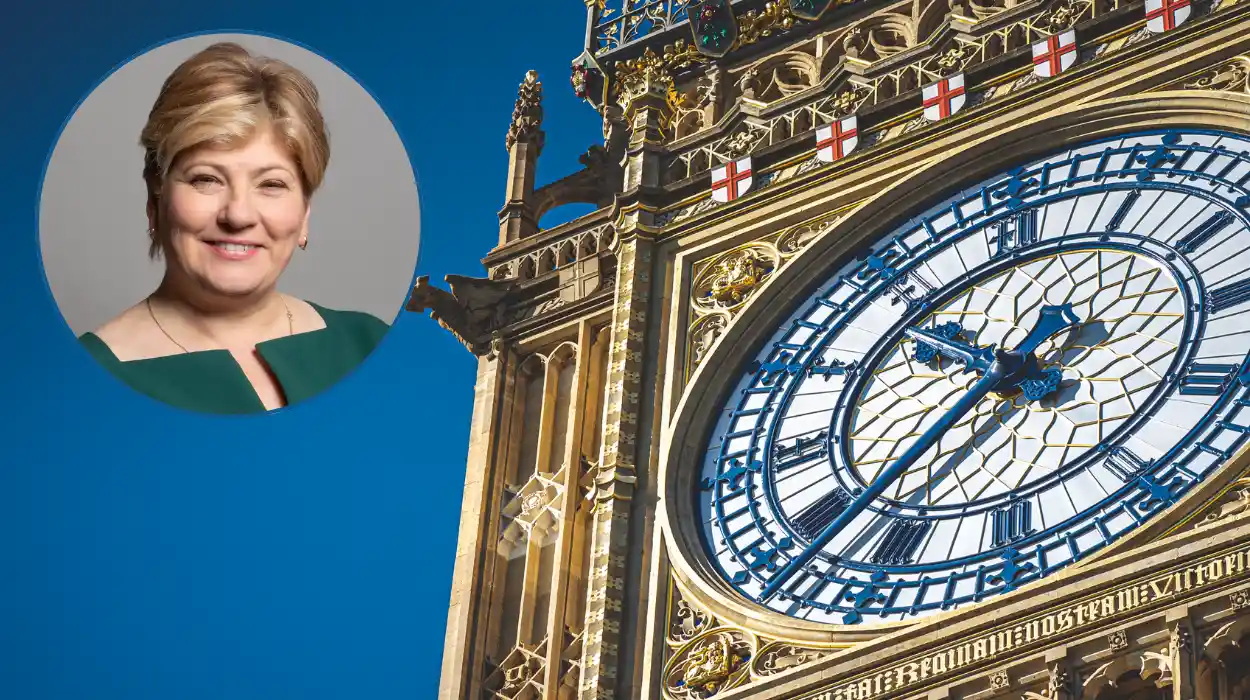
- Dame Emily Thornberry MP, Chair of the Foreign Affairs Committee, said Russia poses “by far the most acute and direct threat to the UK.”
- The Committee has referenced drone incursions over secure military bases, assassination attempts, attacks on British nationals and Russian dissidents, cyber-attacks and disinformation campaigns as evidence of escalating Russian hostility towards the UK.
- Individuals and organisations may request that submissions to the inquiry be treated anonymously or confidentially where there is a compelling reason to do so.
- The deadline for submitting written evidence to the inquiry is 3 September 2026.
- The Committee has indicated that the war in Ukraine and the UK’s contribution to Ukraine’s defence will continue to be examined separately as a standalone matter.
Westminster (Britain Today News) July 15, 2026 — The Foreign Affairs Committee has launched a wide-ranging new inquiry into the United Kingdom’s relationship with Russia, seeking to establish whether the Government has a clearly defined long-term strategic approach to a country that both the National Security Strategy and the Strategic Defence Review identify as the most acute threat facing Britain.
- Key Points
- What Is the Foreign Affairs Committee’s New Inquiry Into Russia?
- Why Has the Committee Launched This Inquiry Now?
- What Did Dame Emily Thornberry Say About the Threat From Russia?
- How Does the National Security Strategy Classify the Threat From Russia?
- What Has Russia Allegedly Done on UK Soil?
- What Role Does the Foreign Affairs Committee Play in Scrutinising Government Policy?
- What Questions Will the Inquiry Ask About International Relationships?
- What Will the Inquiry Examine About Russia’s Domestic Politics, Society and Economy?
- What Will the Inquiry Investigate About Post-Conflict Ukraine and Europe?
- How Can Individuals and Organisations Submit Evidence to the Inquiry?
- When Is the Deadline for Written Evidence Submissions?
- What Happens Next in the Russia Inquiry?
The inquiry, announced by the Committee, will scrutinise the Foreign, Commonwealth and Development Office’s handling of the UK-Russia relationship at a moment when tensions between London and Moscow show little sign of easing. Since the full-scale invasion of Ukraine in 2022, the UK Government has concentrated its defence and foreign policy posture on providing visible and practical support to Kyiv. The Committee has now signalled its intention to look beyond the immediate conflict and assess the broader, longer-term picture of how Britain manages its relationship with Russia, both now and in any future post-conflict scenario.
As the parliamentary body responsible for scrutinising the work of the Foreign, Commonwealth and Development Office, the Committee said the inquiry would examine Russia’s current domestic situation and foreign policy alongside the UK Government’s own approach to the country. It acknowledged that tensions with Russia are likely to persist for the foreseeable future, meaning the UK
“must develop and maintain a sustainable strategy that combines robust deterrence with a clear understanding of Russia’s ambitions, capabilities and influence.”
What Is the Foreign Affairs Committee’s New Inquiry Into Russia?
The inquiry has been launched as a broad-based investigation into the UK’s bilateral relationship with Russia. According to the Committee, it will examine Russia’s international alliances and strategic partnerships, the internal dynamics of Russian governance, the sustainability of Russia’s economic model, and the state of civil society, human rights and media freedoms within Russia. The scope is deliberately wide, reflecting the Committee’s view that Russia’s threat to the UK cannot be understood in isolation from its domestic politics or its global alliances.
The Committee has stated plainly that the central question of the inquiry is whether the UK’s long-term strategic approach to a post-conflict Russia is clearly defined. This framing suggests MPs are concerned that current policy may be too heavily focused on the immediate demands of the war in Ukraine, potentially at the expense of longer-term planning for what comes after any eventual settlement.
Why Has the Committee Launched This Inquiry Now?
The timing of the inquiry reflects a recognition that more than four years have now passed since Russia’s full-scale invasion of Ukraine in 2022, and that several attempts at negotiations between the warring parties have failed to produce a lasting resolution. The Committee has said it wants to look ahead to the conditions that would be required for a ceasefire or a negotiated settlement, and to consider the consequences such a settlement would have for Ukraine, Russia and the wider European continent.
The Committee also pointed to both the National Security Strategy and the Strategic Defence Review, which have identified Russia as the most acute threat to the UK. With that assessment now embedded in official government strategy documents, the Committee appears to believe that Parliament’s own scrutiny of the UK’s Russia policy needs to be correspondingly thorough and forward-looking.
What Did Dame Emily Thornberry Say About the Threat From Russia?
Dame Emily Thornberry MP, the Chair of the Foreign Affairs Committee, set out the rationale for the inquiry in a detailed statement. She said:
“Russia represents a major foreign policy challenge for the UK and our allies. The West is subjected to continuous aggression from Russia, as it attempts to undermine the liberal international order. Russia uses force and coercion in pursuit of its ambition to reassert itself as a great power and dominant regional actor in an age of geopolitical instability and increasing multipolarity.”
She went on to address the UK’s continued support for Ukraine, stating:
“The UK’s focus rightly remains on providing military aid to Ukrainians, who continue to suffer as they defend their country against barbaric attacks from an expansionist Russia, while recognising that Ukraine’s security is inextricably linked to wider European security.”
Dame Emily was direct in her assessment of the consequences of that support, saying:
“Our steadfast commitment to Ukraine has only served to intensify Russian hostility towards the UK. In the last few years alone, Russia has launched attacks on UK soil. Drones have been flown across secure military bases. There have been assassination attempts and attacks against British nationals and Russian dissidents on the streets of Britain. There have been countless Russian-sponsored cyber-attacks against the British state and against private companies. Russian disinformation is running rampant across social media. Even in this era of heightened tension and conflict and fraught geopolitics, Russia poses by far the most acute and direct threat to the UK.”
How Does the National Security Strategy Classify the Threat From Russia?
Both the National Security Strategy and the Strategic Defence Review are cited by the Committee as identifying Russia as the most acute threat to the UK. This classification underpins much of the reasoning behind the new inquiry, with the Committee suggesting that if Russia is formally recognised at the highest levels of government as the country’s principal security threat, then Parliament’s oversight of the strategy for managing that threat must be correspondingly rigorous.
The Committee’s inquiry is explicitly designed to test whether the practical detail of government policy matches the seriousness of that strategic assessment, and whether ministers have set out a coherent, long-term plan for managing relations with Russia beyond the current focus on Ukraine.
What Has Russia Allegedly Done on UK Soil?
According to Dame Emily Thornberry’s statement, Russian hostility towards Britain has manifested in a number of specific and serious ways in recent years. She referred to drones having been flown across secure military bases, as well as what she described as assassination attempts and attacks against British nationals and Russian dissidents living in the UK. She also pointed to what she called countless Russian-sponsored cyber-attacks against both the British state and private companies, alongside what she described as rampant Russian disinformation circulating across social media.
These allegations form part of the backdrop against which the Committee has decided to launch its inquiry, with MPs apparently concerned that hostile activity attributed to Russia has escalated even as the UK has continued to provide support to Ukraine.
What Role Does the Foreign Affairs Committee Play in Scrutinising Government Policy?
The Foreign Affairs Committee is the parliamentary body tasked with scrutinising the work of the Foreign, Commonwealth and Development Office. It is through this role that the Committee has chosen to examine both Russia’s domestic and foreign policy conduct, and the adequacy of the UK Government’s own strategic response. The Committee has also raised questions about how the FCDO’s 2030 restructure and funding settlement might influence the UK’s long-term approach to Russia, indicating that departmental resourcing and organisational change will form part of the evidence it gathers.
Dame Emily Thornberry confirmed that the Committee has already examined, and will continue to examine, the war in Ukraine and the UK’s contribution to Ukraine’s defence as a matter warranting its own dedicated, standalone scrutiny, separate from this broader Russia inquiry.
What Questions Will the Inquiry Ask About International Relationships?
Under the heading of international relationships, the Committee has invited written evidence addressing how the UK’s current foreign policy approach towards Russia should be judged, and what the UK’s long-term approach to engagement with Russia should be. It has also asked how the UK should work with international partners to put such an approach into action.
Further questions include how dependent Russia is on its key international partners, and how cohesive and durable those partnerships are. The Committee wants to understand the scope and trajectory of Russia’s global influence, including in the Global South, Central Asia, and through multilateral organisations such as BRICS and ASEAN, as well as what influence, if any, the UK retains with these groupings. It has also asked how effective and credible Russia is as a security partner, given its military footprint overseas and perceptions of its ability to support allied regimes.
The Committee is additionally seeking views on how US and European foreign policy are shaping Russia’s international behaviour, alliances and strategic posture, and on the potential consequences for wider international relations and security. It has asked to what extent current tensions can be characterised as a form of conflict between Russia and the West, how threat perceptions and preparedness levels differ across European states, and how likely it is that Russia would seek to test NATO’s collective defence commitments, including Article 5.
What Will the Inquiry Examine About Russia’s Domestic Politics, Society and Economy?
On domestic matters, the Committee has asked what the current state of Russian politics and the Russian economy is, and how domestic conditions are shaping Russia’s foreign policy posture. It has also invited evidence on the current state of human rights, civil society and media freedom within Russia.
A further set of questions concerns the likely scenarios for political succession after President Vladimir Putin, including whether there are credible opposition movements or alternative centres of power, and the extent to which there is a risk of internal instability within Russia.
What Will the Inquiry Investigate About Post-Conflict Ukraine and Europe?
The Committee has devoted a significant strand of the inquiry to the war in Ukraine and its potential resolution. It has asked what the current state of the conflict is, whether Russia has achieved its objectives, and whether it is likely to do so. It wants to understand what conditions would be required for a ceasefire or a negotiated settlement, and how realistic such conditions are.
The Committee has also asked what the potential outcomes of a ceasefire or peace agreement might be for Ukraine, for Russia and for wider European security, and what role, if any, the UK should play in shaping those outcomes. Further questions cover the implications of the conflict for international law, accountability and international norms, as well as the societal and political effects that might arise from demobilisation following the conflict, both within Ukraine, within Russia, and across Europe more widely.
Explore More about Politics:
UK Economy ‘Beat the Odds’ Under My Choices, Reeves Set to Say
Police Continue Questioning Ann Widdecombe Murder Suspect
How Can Individuals and Organisations Submit Evidence to the Inquiry?
The Committee has confirmed that it welcomes written evidence from individuals and organisations wishing to contribute to the inquiry. It has acknowledged that some contributors may wish to share information but have concerns about being identified publicly. Where there is a compelling reason, the Committee has said that submissions may be treated anonymously or confidentially.
Anyone unsure whether an anonymous or confidential submission would be appropriate to their circumstances has been advised to contact the Committee team directly by email, who the Committee said would be happy to discuss the options available.
When Is the Deadline for Written Evidence Submissions?
The deadline for submitting written evidence to the inquiry has been set as 3 September 2026. Those wishing to contribute are expected to do so through the Committee’s official call for evidence before this date.
What Happens Next in the Russia Inquiry?
With the call for evidence now open, the coming weeks are expected to see submissions arrive from a range of individuals, academics, former officials and organisations with an interest in UK-Russia relations. The Committee has indicated it intends to draw on this evidence to build a comprehensive picture of Russia’s domestic and international conduct, and of the UK Government’s strategic response, before eventually publishing its findings and recommendations.
Given the breadth of the inquiry, spanning international alliances, domestic governance, economic sustainability, human rights and the future of the Ukraine conflict, the Committee’s eventual report is likely to be closely watched by policymakers in Whitehall and by Britain’s allies across Europe and beyond.