Key Points
- Keir Starmer will face his final Prime Minister’s Questions in the House of Commons on Wednesday, days before formally leaving office.
- Starmer steps down on Monday after just two years as prime minister, handing power to incoming Labour leader Andy Burnham.
- Burnham, the former mayor of Greater Manchester, was the only candidate in the leadership contest and will be confirmed as Labour leader on Friday.
- Britain’s system allows a governing party to change prime ministers without triggering a general election; the next national poll is not due until 2029.
- Starmer won a landslide victory in July 2024 but leaves office after a tenure marked by policy setbacks and controversy, including the appointment of Peter Mandelson as UK ambassador to Washington.
- Labour’s heavy losses in May’s local elections intensified pressure on Starmer, prompting his decision to resign.
- On Monday, Starmer will travel to Buckingham Palace to formally resign to King Charles III, who will then invite Burnham to form a government.
- At his final PMQs, Starmer is expected to highlight domestic achievements such as stronger renters’ protections, a higher minimum wage and a new duty of candour law.
- Starmer visited Paris on Tuesday for Bastille Day celebrations, where French President Emmanuel Macron awarded him the Legion of Honour for his work on European security.
- He hosted a reception at 10 Downing Street’s garden to thank campaigners who fought for accountability following the loss of loved ones to violence.
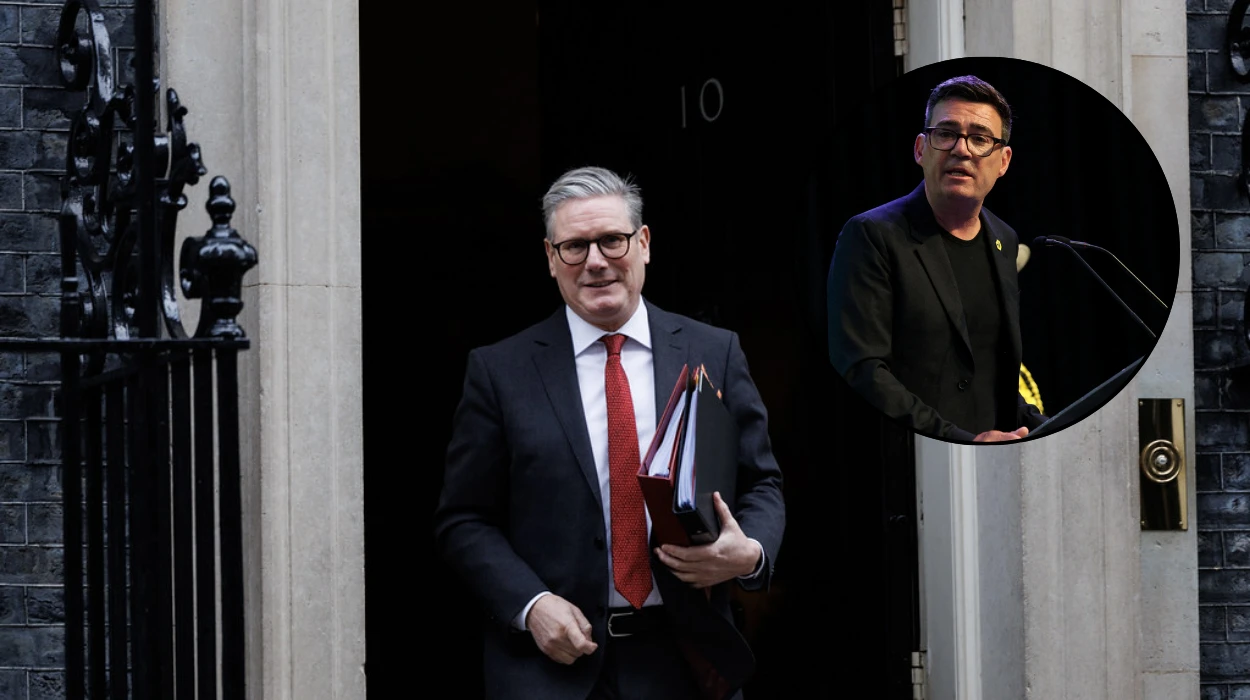
London (Britain Today News) July 15, 2026 — British Prime Minister Keir Starmer is set to answer questions from lawmakers in the House of Commons for the final time on Wednesday, ahead of his departure from Downing Street next week. The noon session will mark Starmer’s last appearance at the often combative weekly Prime Minister’s Questions, a fixture of British politics where he has clashed with opposition figures and defended his government’s record over the past two years. He is due to formally leave office on Monday, when he will hand power to incoming Labour leader Andy Burnham following a tenure lasting just two years.
- Key Points
- Who Is Andy Burnham, Keir Starmer’s Successor As Labour Leader?
- Why Is Keir Starmer Stepping Down As Prime Minister?
- What Happens When A British Prime Minister Resigns Without A General Election?
- What Is The Schedule For The Leadership Handover?
- What Did Keir Starmer Say During His Farewell At Downing Street?
- What Domestic Achievements Will Starmer Highlight At His Final PMQs?
- What Role Has Starmer Played On The World Stage?
- What Happened At The Bastille Day Celebrations In Paris?
- What Comes Next For British Politics After Starmer’s Departure?
Who Is Andy Burnham, Keir Starmer’s Successor As Labour Leader?
Andy Burnham, the former mayor of Greater Manchester, is set to take over as Labour Party leader and, by extension, prime minister. He was the only candidate to enter the contest to replace Starmer, and his victory will be formally confirmed on Friday. Burnham’s rise to the top of British politics comes after years spent building a regional power base in Greater Manchester, where he became one of the most recognisable Labour figures outside Westminster. His uncontested path to the leadership reflects the scale of consensus within the party that a change of direction was required following Labour’s recent electoral setbacks.
Why Is Keir Starmer Stepping Down As Prime Minister?
Starmer is resigning after a period in office marred by missteps and errors of judgement that steadily eroded his standing with both his party and the public. Despite entering Downing Street on the back of a landslide general election victory in July 2024, his government struggled to deliver the economic growth it had promised, failed to meaningfully repair the country’s strained public services, and could not ease the ongoing cost of living pressures facing households.
His premiership was further hampered by a series of controversies, most notably his decision to appoint Peter Mandelson, a friend whose reputation had been damaged by his past association with disgraced financier Jeffrey Epstein, as the United Kingdom’s ambassador to the United States. That appointment drew sustained criticism and became emblematic of the judgement issues that dogged his time in office.
The final blow came after Labour suffered heavy losses in May’s local elections, a result that piled pressure on Starmer from within his own party. Faced with mounting calls for a change of leadership, he ultimately announced his decision to step down.
What Happens When A British Prime Minister Resigns Without A General Election?
Britain’s parliamentary democracy permits a governing party to replace its leader — and therefore the prime minister — without requiring a general election to be called. This constitutional feature means that Burnham can take office as prime minister purely on the strength of his election as Labour leader, without the public being asked to vote in a fresh national contest. The mechanism has been used by successive governing parties in the past and allows for continuity of government even amid significant political upheaval at the top.
When Is The Next UK General Election Due?
Although Starmer’s departure marks a significant shift in Labour’s leadership, it does not affect the statutory timetable for the country’s next general election. Under current rules, the next national vote does not have to be held until 2029, meaning Burnham will be free to govern without facing the electorate immediately upon taking office.
What Is The Schedule For The Leadership Handover?
The transition of power has been carefully mapped out over the course of the week. Starmer’s final Prime Minister’s Questions session took place on Wednesday at noon, giving him one last opportunity to address the Commons before departing office. Burnham’s formal confirmation as the new Labour leader is scheduled for Friday. Then, on Monday, Starmer will travel to Buckingham Palace to formally resign as prime minister to King Charles III. Following convention, the King will then ask Burnham to form a new government, completing the transfer of power.
What Did Keir Starmer Say During His Farewell At Downing Street?
Ahead of his departure, Starmer addressed a gathering in the garden of 10 Downing Street, where he thanked individuals who had campaigned for accountability from the authorities after losing loved ones to violence. Speaking to those present, Starmer said:
“I leave on Monday with good grace. I’m very pleased I’ve had the privilege of being prime minister. I’m pleased to have delivered on the promises that are made to many people in this garden.”
He continued with a personal pledge to those campaigners, stating:
“And I’ll make this last promise, which is I will stand with you and walk with you, as long as I’ve got breath in my body.”
The remarks offered a rare moment of personal reflection from Starmer as he prepared to leave office, underlining the emphasis he placed on issues of public accountability during his time as prime minister.
What Domestic Achievements Will Starmer Highlight At His Final PMQs?
During his last appearance at Prime Minister’s Questions, Starmer is expected to point to a number of domestic policy achievements delivered during his two years in office. Among these are stronger protections for renters, an increase to the minimum wage, and the introduction of a law designed to prevent official cover-ups in the aftermath of tragedies. These measures are likely to feature prominently as Starmer seeks to frame the legacy of his government before handing over to Burnham.
The renters’ protections mark one of the more significant domestic reforms of his tenure, aimed at strengthening tenants’ rights in a housing market that has faced sustained criticism over affordability and security. The rise in the minimum wage, meanwhile, formed part of the government’s broader efforts to address cost of living pressures, even as it struggled to deliver wider economic growth. The duty of candour legislation, designed to compel greater transparency from public bodies following tragedies, reflects the same themes Starmer touched on in his Downing Street garden remarks to campaigners for accountability.
What Role Has Starmer Played On The World Stage?
Beyond domestic policy, Starmer is also expected to point to his record on the international stage, particularly his government’s support for Ukraine in its continuing war against Russia. His tenure also saw efforts to restore relations between Britain and its European Union neighbours in the years following Brexit, an area seen as central to his broader foreign policy approach.
These themes are likely to be woven into his final Commons appearance, alongside the domestic achievements he intends to highlight, as he seeks to present a rounded account of his premiership before leaving office.
Explore More about Politics:
Foreign Affairs Committee Launches New Inquiry Into Russia
UK Economy ‘Beat the Odds’ Under My Choices, Reeves Set to Say
What Happened At The Bastille Day Celebrations In Paris?
On Tuesday, Starmer travelled to Paris to attend Bastille Day celebrations alongside French President Emmanuel Macron. During the visit, Macron awarded Starmer the Legion of Honour in recognition of his work with France on matters of European security. The award and the timing of the visit, coming just days before his departure from office, underscored the emphasis Starmer placed on strengthening ties with European partners during his time as prime minister.
The Bastille Day appearance also served as a symbolic bookend to Starmer’s foreign policy efforts, particularly given his government’s stated aim of repairing Britain’s relationship with the European Union following years of post-Brexit tension.
Why Did Starmer Host A Reception In The Downing Street Garden?
Back in London, Starmer used one of his final acts as prime minister to hold a reception in the garden of his 10 Downing Street residence, specifically to thank people who had campaigned for accountability from the authorities after losing loved ones to violence. The event provided a platform for Starmer to reflect on his commitment to those campaigners, whom he addressed directly with his pledge to continue standing with them beyond his time in office.
The gathering reflected an area of policy that Starmer appeared keen to be remembered for, tying together the domestic legacy he is expected to reference during his final PMQs with a more personal expression of gratitude towards those who had pushed for change.
What Comes Next For British Politics After Starmer’s Departure?
With Burnham’s leadership confirmed on Friday and the formal handover of power taking place at Buckingham Palace on Monday, attention in Westminster will quickly turn to how the incoming prime minister intends to shape his government following Starmer’s exit. Because the country’s parliamentary system allows for this change without a general election, Burnham will take charge with the same mandate secured by Labour in the July 2024 landslide, rather than a fresh mandate of his own.
The transition marks one of the more rapid changes at the top of British government in recent years, with Starmer’s departure coming just two years after he entered Downing Street with a commanding majority. His final Prime Minister’s Questions session on Wednesday represented the last chance for him to defend his record directly to the Commons, before the country’s political focus shifts firmly towards Burnham and the priorities he sets out as the new occupant of Number 10.