Key Points
- Andy Burnham launches his premiership by scrapping VAT on household electricity bills and unveiling a major homelessness programme
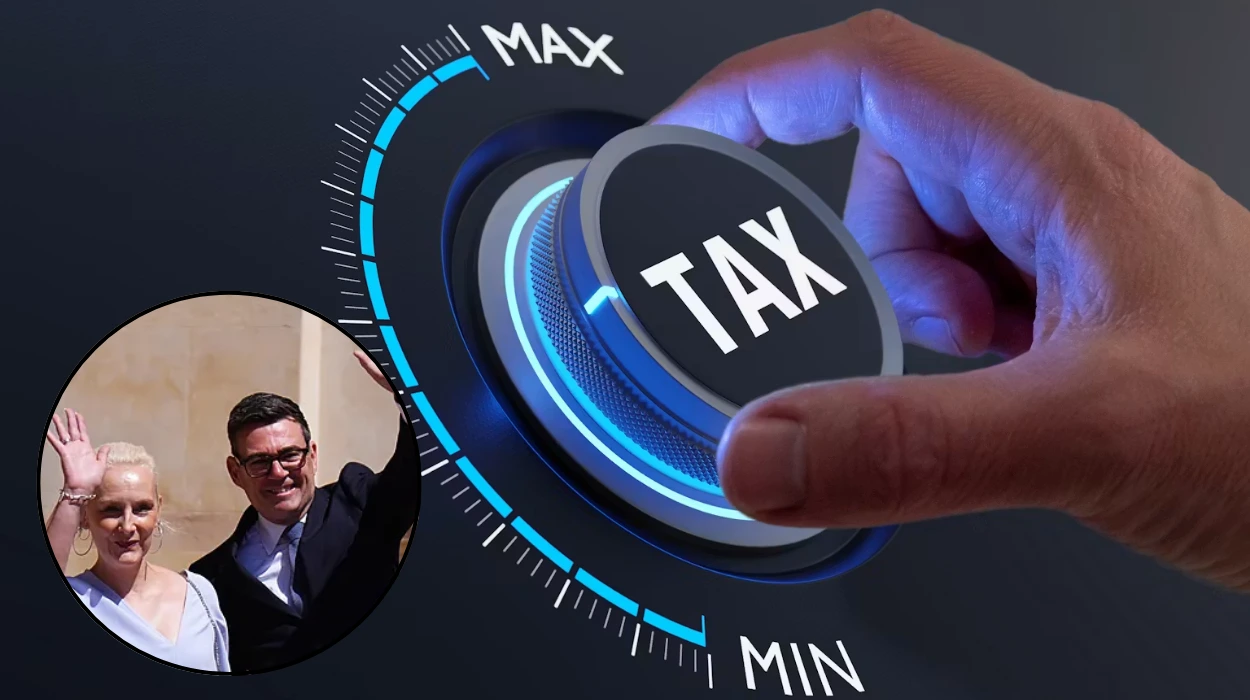
- The VAT cut takes households from 5% to zero on electricity from October 1, 2026, while non-profits keep paying the levy and businesses retain the 21% rate
- The measure follows swiftly on from predecessor Keir Starmer’s contentious Winter Fuel Payment cut announced on July 29, 2024
- The Treasury will lose at least £850 million (roughly €1 billion) annually in VAT revenue this fiscal year
- Government plans to offset the shortfall by suspending the rollout of a national Electronic ID scheme
- A £340 million (approximately €400 million) homelessness programme, modelled on schemes Burnham ran in Manchester, will provide permanent accommodation and social housing
- UK household electricity prices sit 23% above the EU average, second only to Germany
- Bond markets reacted with rising yields, with the ten-year gilt up seven basis points to 5.02% and the thirty-year up eight points to 5.73%
- Burnham says he wants “some flexibility” in public finance management to fund social programmes
- New Chancellor John Healey is expected to set out a full fiscal framework in October 2026
Westminster (Britain Today News) July 22, 2026 – Downing Street Burnham Scraps Electricity VAT and Launches Anti-Homelessness Drive in First Government Acts. Andy Burnham has opened his tenure as British Prime Minister with two significant policy announcements: the permanent abolition of VAT on household electricity bills and a comprehensive plan to end rough sleeping across the United Kingdom, in a deliberate effort to strike a different tone from his predecessor while attempting to keep financial markets onside.
- Key Points
- What Did Burnham Announce in His First Hours as Prime Minister?
- How Does This Compare With Keir Starmer’s First Move in Office?
- What Will the VAT Cut Cost the Treasury?
- What Is the New Homelessness Programme and Where Does It Come From?
- How Serious Is the UK’s Underlying Debt Problem?
- How Did Financial Markets React to the Announcements?
- What Role Will the New Chancellor Play in Shaping Fiscal Policy?
- What Is Burnham Trying to Achieve Politically With These Two Measures?
- What Happens Next?
What Did Burnham Announce in His First Hours as Prime Minister?
Within 20 hours of taking office, Burnham’s government confirmed that VAT on household electricity, currently levied at 5%, will be eliminated entirely from October 1, 2026. The tax will continue to apply to non-profit organisations, while businesses will still pay the standard 21% rate. The announcement came alongside a £340 million (around €400 million) programme aimed at providing permanent accommodation and social housing for people experiencing homelessness, ensuring that no one need sleep rough in the UK.
Speaking to his cabinet in their first meeting, Burnham set out his politics framing for the measures, stating:
“We have to be the ‘cost of living’ Government.”
How Does This Compare With Keir Starmer’s First Move in Office?
The contrast between Burnham’s opening act and that of his predecessor has been widely noted. On July 29, 2024, Starmer’s government announced a cut to the Winter Fuel Payment, removing heating subsidies from around ten million British pensioners. That decision, prioritising fiscal consolidation over redistribution despite Labour’s traditional association with the latter, proved politically damaging. Although Starmer partially reversed the policy in June 2025, his popularity never recovered from the initial blow.
Burnham, by contrast, has chosen to begin with a measure calibrated to be politically difficult to criticise, targeting one of the most visible cost-of-living pressures facing ordinary households.
Why Is Electricity VAT Being Targeted First?
UK households currently pay electricity bills that run 23% higher than the EU average, a bloc the country left in 2021. Only Germany has higher electricity costs among comparable European nations, though the 8.6% premium German consumers pay is partly offset by a GDP per capita roughly 5% higher than that of the UK.
By zero-rating VAT on electricity, the government is targeting a cost that affects every household regardless of income, positioning the move as both economically meaningful and politically resonant.
What Will the VAT Cut Cost the Treasury?
The Treasury is expected to lose at least £850 million (around €1 billion) annually in VAT revenue during the current fiscal year as a direct result of the policy. This shortfall sits at the centre of the fiscal balancing act Burnham’s government must now perform, given that any reduction in revenue or increase in spending must be offset elsewhere to preserve fiscal stability.
How Does the Government Plan to Pay for the Tax Cut?
To cover the gap left by the VAT cut, the government has opted to suspend the creation of a national Electronic ID scheme. Unlike much of continental Europe, the UK, similar to the United States, has no national identity document, and the Electronic ID project had been in development to fill that gap.
However, the arithmetic underlying this trade-off is not straightforward. The Electronic ID scheme was projected to cost the public purse €2.1 billion at current exchange rates over three years. Over that same period, the drop in VAT revenue is expected to total around €3 billion, leaving a shortfall even after the suspension. From the fourth year onwards, the Electronic ID would have been fully implemented and its budgetary impact would have diminished significantly, meaning the long-term fiscal picture looks somewhat different, though four years remains a considerable stretch in political terms.
What Is the New Homelessness Programme and Where Does It Come From?
The second major announcement, a £340 million programme to deliver permanent accommodation and social housing for homeless people, draws directly on Burnham’s decade as Mayor of Manchester, where a similar system was developed and implemented. Unlike the VAT cut, this measure does not require new borrowing. It will be funded through a reallocation of existing resources within the Ministry of Housing, rather than fresh debt.
How Serious Is the UK’s Underlying Debt Problem?
The fiscal backdrop Burnham inherits is challenging. UK state debt, built up over twelve years of Conservative governments, stands at around 100% of GDP. With the country outside both the EU and the eurozone, the sustainability of that debt load is under considerable pressure, a dynamic that shaped Starmer’s earlier decision to cut winter fuel support and now shapes Burnham’s room for manoeuvre in the opposite direction.
Burnham has acknowledged this constraint directly. On his first day in office, just four hours after being sworn in, he said he wanted “some flexibility” in managing public finances in order to deliver his social programmes for the most vulnerable groups in society.
How Did Financial Markets React to the Announcements?
The bond market response was swift. Yields on the ten-year gilt rose by seven basis points to 5.02%, while the thirty-year gilt climbed eight basis points to reach 5.73%. The movement reflects investor sensitivity to any signal of loosening fiscal discipline, even as the government insists its overall approach remains prudent.
Addressing this concern directly in his first cabinet meeting, Burnham told ministers:
“We have to show fiscal discipline; we have to make it clear that our commitment to the fiscal rules [established by the Starmer Government] is genuine.”
What Role Will the New Chancellor Play in Shaping Fiscal Policy?
Much of the detailed fiscal architecture underpinning Burnham’s social agenda will fall to the new Chancellor, John Healey, described as a centrist figure with a strongly orthodox approach to public finance. Healey is expected to present a comprehensive fiscal plan in October 2026, timed to coincide with the implementation of the electricity VAT cut, that aims to reconcile debt sustainability with the government’s broader social commitments.
Most of Burnham’s wider social policy programme is expected to be unveiled alongside that October fiscal statement, once the framework guaranteeing debt sustainability is in place.
Explore More about Politics:
Andy Burnham’s Cabinet Reshuffle: Full List of Appointments and Exits
Planning Inspectorate Welcomes Pennycook’s Local Plan Letter
What Is Burnham Trying to Achieve Politically With These Two Measures?
Taken together, the electricity VAT cut and the homelessness programme are designed to serve a dual political purpose. On one hand, they give Burnham’s government an unmistakably social character from day one, a deliberate contrast with the austerity-first approach that damaged Starmer’s standing. On the other hand, the government is working hard to reassure debt markets that this social agenda will not translate into an unsustainable spending trajectory.
This balancing act was evident in the language Burnham used with his own cabinet, pairing a message aimed at voters, that of being the “cost of living” government, with a message aimed at financial markets, emphasising genuine commitment to existing fiscal rules. Whether that balance can be sustained once the fuller social programme is unveiled in October remains to be seen, but the opening moves suggest a Prime Minister determined to avoid repeating the political missteps that defined the early period of his predecessor’s government.
What Happens Next?
With the electricity VAT cut set to take effect on October 1, 2026, and the Chancellor’s fiscal plan expected around the same time, the coming months will be a critical test of whether Burnham’s government can deliver on its social commitments without triggering the kind of market unease that has periodically unsettled UK fiscal policy in recent years. The suspension of the Electronic ID scheme, the reallocation of housing funds, and the broader question of how far “flexibility” in public finances can stretch will all come under scrutiny as October approaches.