Key Points
- Mark Ransome, 61, and Cara Leach, 42, both from Essex, were sentenced at Snaresbrook Crown Court on Tuesday 23 June.
- The pair were jailed for a combined total of 18 years for their roles in supplying cocaine to two organised crime groups (OCGs).
- Ransome and Leach were arrested in July 2020 as part of Operation Venetic, the UK’s response to the international takedown of the EncroChat encrypted communications platform.
- Ransome used the EncroChat handle “beanflicka” to arrange the storage and distribution of drugs on behalf of two separate OCGs.
- He provided storage facilities in Maldon and Great Totham, Essex, and was paid thousands of pounds per month for access.
- In total, Ransome was linked to at least 136 kilos of cocaine with one OCG, worth an estimated £12 million, and at least 45 kilos with a second OCG, worth approximately £3.7 million.
- Cara Leach acted as a courier, transporting large quantities of cocaine and cash on Ransome’s behalf.
- The pair disguised their activity during Covid-19 lockdown restrictions by posing as key workers, including wearing UPS uniforms and using fake documentation.
- Both defendants pleaded guilty to conspiracy to supply Class A drugs in January 2026.
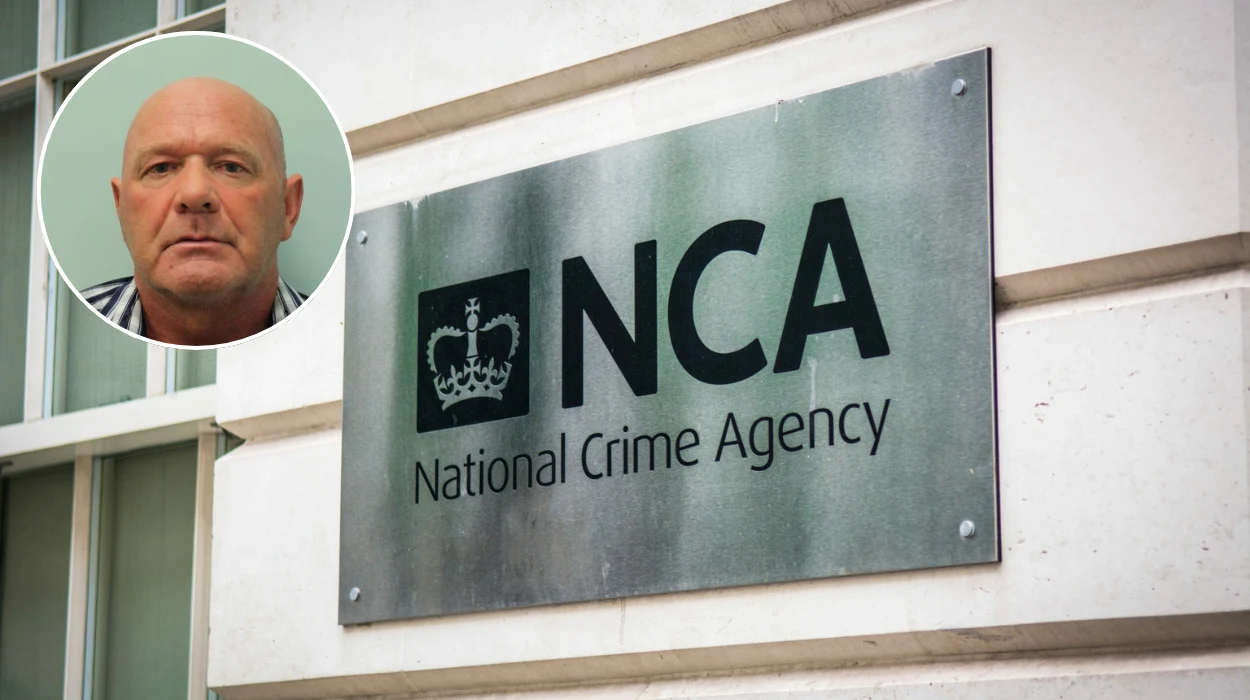
- The investigation was carried out by the Organised Crime Partnership, a joint unit run by the National Crime Agency and the Metropolitan Police Service.
Essex (Britain Today News) June 23, 2026 – Two people have been jailed for a combined total of 18 years for their involvement in supplying cocaine to organised crime groups, in a case built on evidence gathered through the takedown of the EncroChat encrypted phone network. Mark Ransome, 61, and Cara Leach, 42, both from Essex, were sentenced today at Snaresbrook Crown Court following their roles in two separate conspiracies to supply large quantities of Class A drugs. The sentencing brings to a close an investigation that began with the arrest of both defendants in July 2020, as part of the UK’s response to one of the largest organised crime operations in British policing history.
- Key Points
- What Was Operation Venetic and Why Does It Matter?
- Who Are Mark Ransome and Cara Leach?
- What Role Did Ransome Play in the First Drug Conspiracy?
- Why Did Ransome Begin Working with a Second Organised Crime Group?
- What Did Ransome Do for the Second Organised Crime Group?
- How Did the Pair Avoid Detection During the Covid-19 Lockdown?
- What Has the National Crime Agency Said About the Case?
- What Does This Case Reveal About the Wider Impact of Operation Venetic?
- What Happens Next in the Fight Against Organised Crime Groups Using Encrypted Devices?
What Was Operation Venetic and Why Does It Matter?
Operation Venetic was the National Crime Agency-led UK response to the international takedown of EncroChat, a platform used by criminals to communicate anonymously with one another under aliases. EncroChat phones were heavily encrypted devices designed specifically for this purpose, allowing users to organise criminal activity while believing themselves shielded from law enforcement.
In 2020, an international law enforcement team successfully infiltrated the EncroChat platform. This breach allowed investigators across multiple countries, including the UK, to read millions of messages exchanged by users who had assumed their communications were untraceable. Because EncroChat users typically operated under aliases rather than their real names, much of the early investigative work involved cross-referencing message content, delivery addresses, vehicle movements and financial transactions in order to establish exactly who was hiding behind each handle.
The resulting prosecutions have formed one of the most significant law enforcement operations against organised crime in recent UK history, and the case against Ransome and Leach is among the latest to reach sentencing. The Organised Crime Partnership, which led the investigation into both defendants, was established specifically to bring together resources from the National Crime Agency and the Metropolitan Police Service in order to target the organised crime groups operating across London and the wider South East.
Who Are Mark Ransome and Cara Leach?
Mark Ransome, 61, and Cara Leach, 42, are both from Essex. Officers from the Organised Crime Partnership (OCP) — a joint unit run by the National Crime Agency and the Metropolitan Police Service — identified that Ransome had used an EncroChat handset to conduct his criminal activity. Leach, by contrast, did not use an EncroChat device herself, but evidence gathered during the investigation showed that she had acted as a courier for Ransome on multiple occasions, transporting substantial amounts of cocaine and cash.
Both defendants lived in the same county and were ultimately connected through their joint role in the second of the two drug supply conspiracies examined by investigators. While Ransome’s communications on EncroChat formed the central evidential thread running through the case, it was the wider pattern of physical movements, deliveries and storage arrangements, including those carried out by Leach, that allowed officers to build a complete picture of how the conspiracies operated on the ground.
How Did Investigators Uncover Ransome’s Identity on EncroChat?
Investigators from the OCP were able to read millions of messages exchanged on the EncroChat network, including communications sent by Ransome between March and May 2020. Throughout this period, Ransome operated under the handle “beanflicka”, believing that the alias would prevent investigators from linking the messages back to him.
Working on this assumption, Ransome collaborated with two separate organised crime groups to arrange the distribution of Class A drugs, principally cocaine, across the South East of England.
What Role Did Ransome Play in the First Drug Conspiracy?
According to the National Crime Agency, the first conspiracy centred on a storage facility in Maldon, Essex, which was controlled by Ransome. A member of the organised crime group, operating under the EncroChat handle “blacknarco”, arranged to use this facility to unpack and distribute cocaine.
Messages reviewed by investigators showed that Ransome was paid £10,000 per month in exchange for making the storage space available to the group. As part of the arrangement, he also received first access to the product passing through the facility. In addition to the Maldon unit, Ransome provided access to a second storage unit in Great Totham, for which he was paid £2,500 per use. He further supplied his own home address for use by the group.
Ransome also gave the organised crime group details of businesses registered in his name, which could be used as a front to provide cover for the illicit activity taking place. The National Crime Agency states that, in total, Ransome helped this organised crime group handle at least 136 kilos of cocaine, with an estimated street value of approximately £12 million.
Why Did Ransome Begin Working with a Second Organised Crime Group?
The investigation found that Ransome’s relationship with the first group, and specifically with the contact known as “blacknarco”, broke down after the EncroChat network was exposed in 2020. Rather than withdrawing from criminal activity, Ransome went on to establish a working relationship with a second organised crime group, whose contact used the EncroChat handle “luxurytrain”.
What Did Ransome Do for the Second Organised Crime Group?
In this second conspiracy, Ransome’s involvement extended beyond simply providing storage. According to the National Crime Agency, he personally moved drugs on behalf of the group, including collecting a combined 41 kilos of cocaine from Falmouth and Chingford. Investigators linked at least 45 kilos of cocaine to Ransome and this second organised crime group, with an estimated street value of approximately £3.7 million.
What Was Cara Leach’s Role in the Conspiracy?
Although Cara Leach did not use an EncroChat device, the National Crime Agency confirmed that evidence gathered during the investigation showed she had acted as a courier for Ransome on multiple occasions. In this capacity, she was responsible for transporting large quantities of both cocaine and cash as part of the wider conspiracy.
How Did the Pair Avoid Detection During the Covid-19 Lockdown?
A significant element of the case centred on the lengths to which Ransome and Leach went to avoid suspicion while moving drugs and cash during the Covid-19 lockdown period. Because their criminal activity required them to travel at a time when public movement was heavily restricted, the pair adopted measures designed to make their journeys appear legitimate.
Both Ransome and Leach wore UPS uniforms in an attempt to pass as key workers, a category of employee permitted to travel under lockdown rules. In addition, Ransome printed fake documentation that could be produced if either of them were stopped by police during their journeys. This use of disguise and counterfeit paperwork formed a notable feature of the case, illustrating how the pair sought to exploit the public health emergency and the exemptions granted to key workers as a means of continuing their drug supply operations largely undetected, even as the rest of the country faced strict controls on movement.
What Happened in Court and What Sentences Were Handed Down?
Ransome and Leach pleaded guilty to conspiracy to supply Class A drugs in January 2026, with proceedings taking place at Snaresbrook Crown Court. They returned to the same court today, Tuesday 23 June, to be sentenced. Between them, the pair received a combined total of 18 years in prison for their roles in the two conspiracies.
Explore More about Crime:
Two Sentenced for Arson Attack on Property Linked to UK PM Keir Starmer
Ex-OPEC President Diezani Alison-Madueke Cleared of Bribery Charges in UK Court Ruling
What Has the National Crime Agency Said About the Case?
Speaking after sentencing, Andrew Tickner, Senior Investigating Officer from the Organised Crime Partnership, set out the scale and seriousness of the conspiracies uncovered by the investigation.
He said:
“Ransome thought he could hide behind EncroChat to benefit from the activities of organised crime.”
He continued:
“The conspiracies were sophisticated and involved multiple agents to create an efficient supply chain for hundreds of kilos of cocaine.”
Turning to Leach’s involvement, Tickner said:
“Leach was part of that chain, motivated by greed and without a care for the consequences of her actions.”
He added that the agency remained committed to pursuing similar cases, stating:
“The OCP is dedicated to fighting the threat posed by organised crime and we will continue to dismantle networks that damage our communities through the supply of class A drugs.”
What Does This Case Reveal About the Wider Impact of Operation Venetic?
The case against Ransome and Leach illustrates how the infiltration of the EncroChat network in 2020 continues to yield prosecutions years after the platform was first compromised. By reading messages that users believed were secure, investigators were able to reconstruct detailed supply chains, identify the individuals behind anonymous handles, and quantify the scale of drugs moving through specific storage facilities and individuals.
The figures disclosed in this case, more than 180 kilos of cocaine linked to Ransome across both conspiracies, with a combined estimated street value in excess of £15.7 million, underline the scale of the organised crime activity that the Organised Crime Partnership has sought to dismantle through Operation Venetic.
What Happens Next in the Fight Against Organised Crime Groups Using Encrypted Devices?
With Ransome and Leach now sentenced, the case adds to a growing body of prosecutions stemming from the EncroChat takedown. The National Crime Agency, through the Organised Crime Partnership, has signalled that it intends to continue pursuing similar networks. As Andrew Tickner made clear in his statement, the agency views the supply of Class A drugs as a direct threat to communities, and has committed to ongoing efforts to identify and dismantle the organised crime groups responsible.
For now, the sentencing of Ransome and Leach stands as the latest concrete outcome of an operation that has reshaped how UK law enforcement tackles encrypted criminal communications, demonstrating that anonymity provided by devices such as EncroChat handsets does not place individuals beyond the reach of investigators.