Key Points
- Keir Starmer is considering exempting large numbers of people from proposed immigration changes that would extend the wait for settled status from five to ten years.
- Changes include making refugee status temporary, doubling indefinite leave to remain (ILR) to ten years in most cases, and retrospective application to those already in the UK.
- Home Secretary Shabana Mahmood announced the plans earlier in March 2026, citing record immigration under the previous government of 2.5 million net migrants between 2021 and 2024.
- Mahmood highlighted that absent action, 350,000 low-skilled workers and dependents would qualify for settlement, gaining access to welfare, free healthcare, and social housing.
- A pilot scheme offers up to £40,000 to failed asylum seeker families to leave voluntarily, or face forced removal, including handcuffing children if necessary.
- Over 100 Labour MPs, specifically 108, signed a private letter opposing the measures, arguing against threatening forcible removal of refugees who have lived lawfully for 15-20 years.
- Angela Rayner, former deputy, criticised the changes as “un-British” and moving the goalposts, undermining fair play, in a speech to the Mainstream campaign group.
- Sarah Owen, leader of the Tribune group, compared threats of force against children to Donald Trump’s ICE and warned of a Windrush-style scandal.
- Exemptions under debate include public sector workers, those near settlement, high earners (£125,140 for three years qualifying in three years), but benefit claimants face 15-20 years.
- Starmer met black and minority ethnic Labour MPs with Justice Secretary David Lammy on Wednesday, amid frustration that the centre is not listening.
- Downing Street spokesperson noted record pre-election immigration and commitment to a fair system per manifesto, considering consultation responses.
- Consultation ends February 12, 2026, with proposals for transitional arrangements but not covering all existing arrivals as demanded.
- Reforms respond to Reform UK’s rise and Green Party by-election win, balancing left and right threats.
- Public sector exemptions limited to skilled occupations (RQF level 6+), potentially excluding carers and auxiliaries.
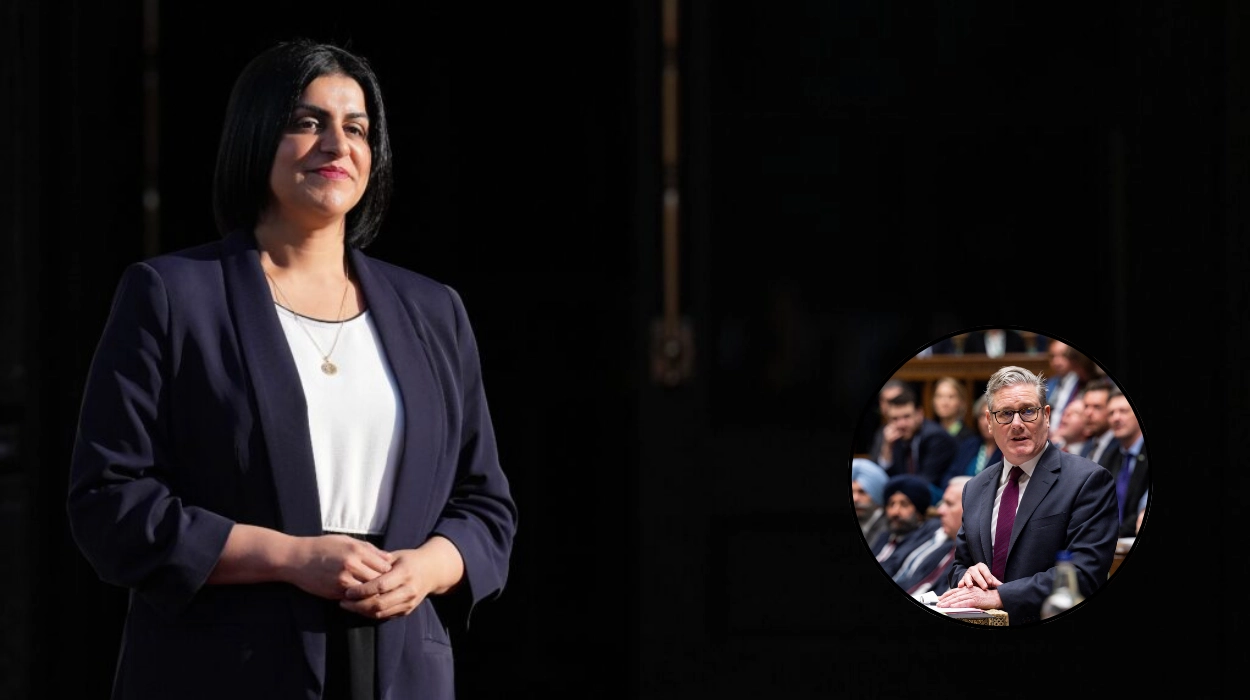
London (Britain Today News) March 18, 2026 – Prime Minister Keir Starmer is planning to ease the impact of his government’s controversial immigration policy changes following intense backlash from Labour MPs and a pointed intervention by former deputy Angela Rayner.
The proposed reforms, unveiled by Home Secretary Shabana Mahmood earlier this month, would extend the qualifying period for indefinite leave to remain (ILR), or settled status, from five to ten years for most migrants, applying retrospectively to hundreds of thousands already in the UK. Ministers are now debating broad exemptions to placate party unrest, potentially sparing public sector workers and those nearing settlement, though Downing Street insists not all existing arrivals will be covered.
What Sparked the Labour Party Backlash?
As reported by Sophia Sheera of Novara Media, more than 100 Labour MPs—precisely 108, a quarter of the parliamentary party—signed a private letter on March 6, 2026, urging Starmer to rethink the
“most drastic tightening of immigration law proposed in a generation.”
The letter, seen by Bloomberg, was sent to Shabana Mahmood before her key speech, objecting to forced removals of failed asylum families, including children.
Sarah Owen, leader of the centre-left Tribune group, stated that the proposals satisfy neither trustworthiness nor equity, comparing child deportation threats to Donald Trump’s Immigration and Customs Enforcement (ICE).
“You don’t win back public confidence in the asylum system by threatening to forcibly remove refugees who have lived here lawfully for 15 or 20 years,”
the MPs argued in their letter.
Angela Rayner echoed these sentiments in a speech on Tuesday night to the Mainstream campaign group, as covered by BBC News.
“We cannot talk about earning a settlement if we keep moving the goalposts,”
Rayner said.
“Because moving the goalposts undermines our sense of fair play. It’s un-British.”
Why Did Shabana Mahmood Announce These Immigration Changes?
In her speech on March 5, 2026, at the IPPR, as referenced by Nara Solicitors on Facebook, Home Secretary Shabana Mahmood justified the overhaul by pointing to the previous Conservative government’s record:
“Between 2021 and the 2024 general election, [they] oversaw net migration of 2.5 million.”
She warned,
“Absent action, over the next five years, some 350,000 low-skilled workers and their dependents will qualify for settlement. At that point, they will gain access to welfare, free healthcare and social housing.”
Mahmood announced a pilot scheme paying up to £40,000 to families with failed asylum claims to leave voluntarily, or face forcible ejection, even handcuffing children, according to VisaHQ reporting on March 6, 2026. Refugee status would become temporary, with reassessments every 30 months, and longer ILR waits up to 20 years for some.
The reforms, dubbed the biggest in 50 years aside from Brexit by some analyses, aim to reward contributors while punishing benefit claimants, as per a Mirror video summary. Mahmood defended them as “fair” amid Labour opposition, per BBC.
What Exemptions Are Under Consideration?
Downing Street revealed on Wednesday that exemptions are being expanded, including migrants in public sector roles, potentially after five years, and high earners at £125,140 for three years qualifying in three years. However, those claiming benefits less than a year face 15 years total, over a year 20 years.
The consultation, closing February 12, 2026, proposes faster tracks for specified public service occupations at RQF level 6+, but excludes lower-skilled like nursing auxiliaries or carers, risking 15-year waits, as detailed by Vanessa Ganguin. It seeks views on transitional arrangements for those already on settlement paths, but won’t exempt everyone, countering Rayner’s demands.
A BBC report notes 35 Labour MPs among signatories urging exclusion of new rules for existing migrant families in social care, citing vacancies and sector strain.
How Has Keir Starmer Responded to the Revolt?
Prime Minister Starmer met black and minority ethnic Labour MPs in Downing Street on Wednesday afternoon, joined by Justice Secretary David Lammy, following pushes for dialogue. One anonymous MP described “a lot of frustration” with Lammy beforehand, saying,
“There’s a sense the centre just isn’t hearing us, not even on the tone or framing.”
Another called it “a poor policy” from the outset.
A Downing Street spokesperson stated,
“In the four years before the election, we saw record levels of immigration. In the manifesto, we promised to deliver a fair and properly managed immigration system. We are considering responses to Home Office consultation, and we respond in line with our principles and values.”
Officials are reviewing consultation feedback to determine exemption scope, aiming to keep the restive party onboard amid threats from Reform UK on the right and Greens on the left, highlighted by the Gorton and Denton by-election loss.
What Broader Context Drives These Reforms?
The changes respond to Nigel Farage’s Reform UK rise and public pressure, with Labour’s 2024 manifesto pledging managed immigration, as per the party document. Pre-election net migration hit records, prompting tough measures.
Rayner warned in her BBC-cited speech that Labour risks decline if it fails to offer a “fair deal,” with party popularity at stake. Critics fear Windrush-style scandals, as Owen noted:
“the inevitable Windrush-style scandal coming that none of us stood on a manifesto to implement.”
Government sources emphasise the reforms prevent public finance drain, with settlement no longer granting full public funds access, limited to British citizens.
This evolving story underscores Labour’s tightrope on immigration in 2026, balancing control promises with party unity.