Key Points
- A London woman, Michelle Moore, is hospitalised on a ventilator after being rescued from a burning apartment in the early hours of Monday morning.
- The fire broke out around 3 a.m. at the Springs Street Square apartment complex in London.
- Firefighters performed CPR on Michelle Moore at the scene after pulling her from an upstairs unit; she had barely a pulse upon rescue.
- Friends report that Moore had worked a double shift and taken medication, which may explain why she did not wake up during the blaze.
- Derrick Moore, her ex-husband, stated that firefighters “had to bring her back” after extraction.
- Doctors have removed soot from her lungs, with expectations of a full recovery, though it will be a “long road” requiring significant time and financial support.
- Michelle Moore lost all her belongings and several pets in the fire.
- A life-long friend described the situation, saying Moore “lost everything” and needs substantial help.
- A man at the complex assisted others in evacuating to safety, but no one responded to knocks at Moore’s door.
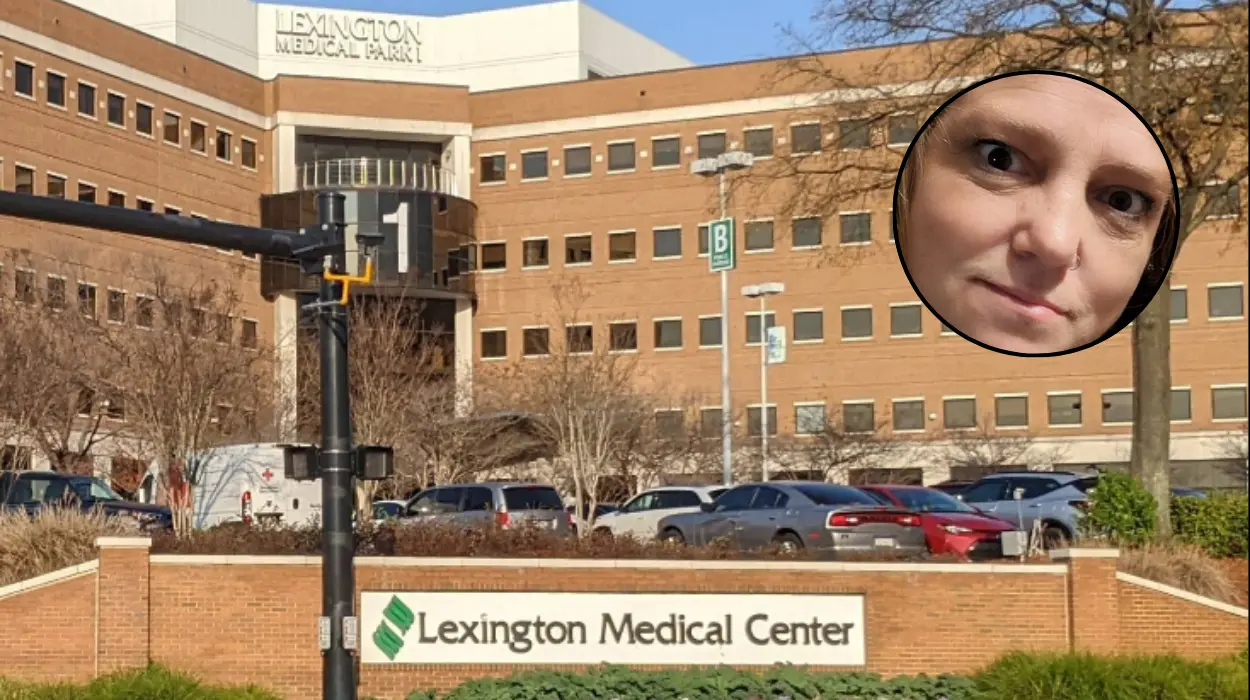
London (Britain Today News) March 10, 2026 – Michelle Moore, a London resident, remains on a ventilator at a Lexington hospital after firefighters rescued her from a fierce apartment blaze at Springs Street Square early on Monday morning, where CPR was administered on-site to revive her barely pulsing body.
- Key Points
- What Caused the Fire at Springs Street Square?
- How Was Michelle Moore Rescued?
- What Is Her Current Medical Condition?
- Who Is Derrick Moore and What Did He Say?
- What Has Her Friend Revealed About the Losses?
- Why Didn’t She Wake Up During the Fire?
- What Support Does She Need for Recovery?
- How Has the Community Responded?
- What Lessons Emerge from This Incident?
Derrick Moore, Michelle’s ex-husband, recounted the harrowing rescue, noting that a firefighter extracted her from an upstairs unit amid heavy smoke and flames. Friends believe her exhaustion from a double shift and recent medication intake prevented her from awakening as the fire raged around 3 a.m.
What Caused the Fire at Springs Street Square?
The origins of the blaze at the Springs Street Square apartment complex remain under investigation by local authorities, though no official cause has been released as of Tuesday. Eyewitnesses and those close to Michelle Moore highlighted her vulnerable state post-work, suggesting she was deeply asleep when alarms may have sounded.
As reported by local correspondents covering the incident, the fire spread rapidly through the upstairs unit, engulfing possessions and tragically claiming several of Moore’s pets. Friends emphasised that despite efforts by a resident to alert neighbours, including knocking on her door, there was no response from within.
Derrick Moore provided a firsthand account to reporters, stating,
“They said they had to bring her back. Once they got her out, she barely had a pulse.”
This on-scene revival via CPR by emergency responders underscored the severity of smoke inhalation she endured.
How Was Michelle Moore Rescued?
Firefighters mounted a swift and brave operation, with one pulling Michelle Moore from the inferno in a critical condition. Derrick Moore detailed to journalists that the rescuer navigated intense heat and zero visibility to reach her, performing immediate life-saving measures.
A man residing in the complex played a pivotal role in the broader evacuation, helping fellow tenants flee to safety, though tragically unable to rouse Moore. This collective effort highlights the community’s response amid chaos, as noted in initial dispatches from the scene.
Paramedics then rushed Moore to a nearby Lexington hospital, where her condition stabilised enough for advanced treatment. The rapid intervention is credited with preventing a fatal outcome, according to family statements relayed through local media.
What Is Her Current Medical Condition?
Medical staff at the hospital have successfully cleared soot from Michelle Moore’s lungs, a key step in combating smoke inhalation damage. Derrick Moore shared optimistically with reporters,
“She should make a full recovery. Going to be a long road. They did get a lot of the soot and stuff out of her lungs.”
Despite this progress, she remains on a ventilator, indicating ongoing respiratory support. Physicians anticipate a complete recuperation, but emphasise the extended rehabilitation ahead, compounded by physical therapy and monitoring.
Her life-long friend, speaking anonymously to news outlets, captured the emotional toll:
“Michelle Moore ‘lost everything’ and needs a lot of help.”
This underscores not only health challenges but the holistic recovery demanded.
Who Is Derrick Moore and What Did He Say?
Derrick Moore, the ex-husband of the victim, emerged as a primary voice in coverage, offering intimate insights into the ordeal. He described the firefighter’s heroism vividly:
“They had to bring her back,”
referring to the pulse-less state in which she was found post-rescue.
In follow-up interviews, Derrick addressed the multifaceted losses, including all personal belongings incinerated in the blaze. His statements, as quoted across local broadcasts, provide a personal lens on the incident’s gravity.
Derrick also highlighted financial strains looming large, noting the “significant time and money” required for her path forward. His commentary, balanced and factual, aids public understanding without speculation.
What Has Her Friend Revealed About the Losses?
A close, life-long friend of Michelle Moore painted a stark picture of devastation in statements to the press. “Lost everything,” the friend declared, encapsulating the total destruction of her apartment contents, from furniture to irreplaceable mementos.
The loss extends to several beloved pets, which perished in the flames, adding profound grief to material ruin. This testimony, as reported verbatim, stresses the urgent support network Moore now requires.
Friends collectively pointed to her double shift at work—followed by medication—as factors heightening her risk. Their accounts, drawn from on-the-ground reporting, humanise the statistics behind fire emergencies.
Why Didn’t She Wake Up During the Fire?
Speculation from those nearest to Michelle Moore centres on her grueling schedule and pharmaceutical aid. Having completed a double shift, she was likely in deep slumber when the fire ignited around 3 a.m., friends told journalists.
Medication taken post-work may have dulled her responsiveness to alarms or knocks, as per resident accounts. This detail, while not causal to the fire itself, illustrates common vulnerabilities in multi-unit housing.
No evidence suggests negligence; rather, it reflects routine fatigue amplified by circumstance. Authorities continue probing these elements alongside fire dynamics.
What Support Does She Need for Recovery?
The road to full health promises challenges, with doctors forecasting a protracted process. Derrick Moore flagged “significant time and money” needs, from medical bills to rebuilding a life from scratch.
Her friend echoed this, appealing broadly for aid as Moore confronts homelessness alongside healing. Community fundraisers may emerge, given the outpouring in similar cases.
Lost possessions demand replacement, while pet losses grieve emotionally. Holistic assistance—financial, psychological, logistical—looms essential, as articulated by family.
How Has the Community Responded?
Residents like the unnamed man who aided evacuations exemplify neighbourly solidarity. While Moore’s door went unanswered, broader safety efforts mitigated wider harm.
Local media coverage has amplified calls for help, potentially spurring donations. Fire services’ professionalism earned praise from Derrick Moore and kin.
No injuries beyond Moore reported, crediting prompt response. This incident may prompt safety drills or reviews at Springs Street Square.
What Lessons Emerge from This Incident?
Fires in apartments demand vigilance, especially for fatigued occupants. Alarms, escape plans, and neighbour checks prove vital, as this case reveals.
Investigations will clarify fire start, informing prevention. Moore’s story spotlights worker exhaustion risks in housing contexts.
Public awareness rises via such reporting, urging smoke detectors and clear exits. Full recovery hopes underscore resilience amid tragedy.