
Key Points
- The UK government has advised households to keep a three-day supply of emergency essentials, including bottled water and tinned food, to prepare for potential crises such as cyber-attacks, extreme weather, or war.
- Official recommendations suggest nine litres of water per person, non-perishable food, battery or wind-up FM radios, power banks, torches, first aid kits, cash, and essential toiletries.
- Political figures, including Greater Manchester Mayor Andy Burnham, Treasury Minister James Murray, Housing Secretary Angela Rayner, and Conservative Leader Kemi Badenoch, have commented on personal emergency preparedness and national risk.
- Recent warnings from the National Audit Office (NAO) and industry leaders highlight critical vulnerabilities in the UK food supply chain due to severe weather events and targeted cyber-attacks.
London (Britain Today News) October 24, 2026 – The UK government has reiterated guidance encouraging citizens to assemble emergency household kits containing water, non-perishable food, and essential supplies to increase national resilience against unexpected disruptions. Prominent political figures have shared their perspectives on emergency readiness, while experts point to growing vulnerabilities from climate change and cyber warfare. The guidance emphasises practical household preparedness to sustain individuals through short-term crises.
- Key Points
- What is the UK government recommending for emergency household preparation?
- How have political leaders responded to the emergency preparedness guidance?
- What systemic risks threaten the UK’s infrastructure and food security?
- Background of the official guidance on emergency readiness
- Prediction: How this development will affect the general public and consumer behavior
What is the UK government recommending for emergency household preparation?
As reported by media coverage on public resilience guidance, the government has recommended that households maintain a three-day supply of bottled water and non-perishable food to manage unexpected emergencies. The guidance addresses potential disruptions stemming from extreme weather, cyber-attacks, or broader geopolitical conflicts.
Official checklists state that individuals should aim to keep nine litres of water per person—equivalent to three litres per day over a three-day period—alongside non-perishable items such as tinned meat, tinned vegetables, tinned fruit, or dried fruit. In addition to food and hydration, the government advises storing hand sanitiser, wet wipes, toiletries, baby supplies, pet food, a torch, blankets, a fully charged power bank, cash to prepare for potential electronic payment failures, a first aid kit, and physical copies of vital documents.
To ensure communication during power outages or digital infrastructure failures, the guidance highlights the importance of retaining a battery-powered or wind-up FM radio. In national crisis scenarios where modern communications networks fail, the BBC would prioritise broadcasting essential news and public health information over standard radio frequencies.
How have political leaders responded to the emergency preparedness guidance?
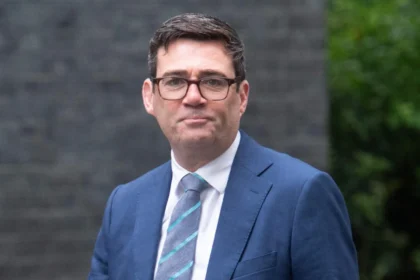
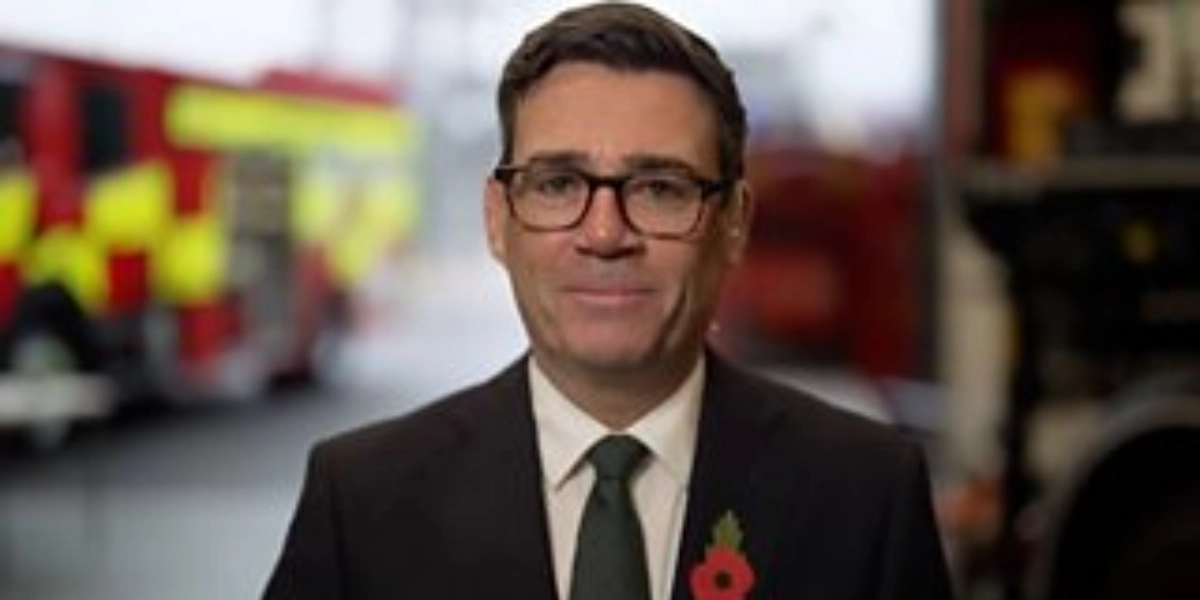
During an interview with Matt Chorley on BBC Radio 5 Live, Greater Manchester Mayor Andy Burnham discussed the rationale behind the advice, stressing that unexpected disruptions are becoming increasingly frequent. As reported by BBC news coverage, Burnham remarked:
“It’s not about panicking… It’s about just taking sensible measures to have enough in the house to tide you over should there be a difficult situation.”
Addressing ongoing severe weather disruptions, including power cuts in Cornwall caused by severe storms, Burnham added during a wildfire resilience summit in Liverpool that unexpected events, including climate-driven weather anomalies, necessitate a shift toward greater personal preparedness. Commenting on personal stock, Burnham mentioned keeping basic supplies such as tinned beans, soup, and personal favourites like Twiglets.
The discussion around emergency kits previously gained attention at the Labour Party conference, where Housing Secretary Angela Rayner humorously remarked that her emergency collection would feature items such as mascara, concealer, baked beans, tinned custard, and a bottle of Sauvignon Blanc. Responding to Rayner’s lighthearted comments, Burnham observed that while alcohol might not be the most immediate practical asset in an unfolding crisis, basic non-perishable foods remain essential.
Meanwhile, other prominent politicians revealed varying levels of personal readiness. Speaking to BBC Breakfast, Treasury Minister James Murray acknowledged that he had not yet fully implemented the government’s guidance, though he maintained a personal stock of coffee. Murray pointed out that neighboring nations—including Ireland, France, and the Netherlands—have maintained similar household emergency recommendations for a considerable duration.
On the same program, Conservative Party Leader Kemi Badenoch stated that her household remains stocked for a week at any given time. While acknowledging that the previous Conservative administration issued comparable emergency preparation advice, Badenoch raised concerns regarding broader state-level readiness, stating:
“What I’m more concerned about is that it doesn’t look like [the government] are explaining what the risks we are under are, and what they are doing about the big things. Families can stock up but what’s going on with defence, the cyber attacks, the hybrid warfare? The money to look after the country has not been forthcoming.”
What systemic risks threaten the UK’s infrastructure and food security?
Beyond individual household readiness, state oversight bodies and industry representatives have highlighted structural vulnerabilities within national supply networks. As reported in findings published by the National Audit Office (NAO), Britain’s food supply chain faces significant operational threats from the climate crisis and potential cyber-attacks. The NAO noted that the Department for Environment, Food and Rural Affairs (Defra) has not taken sufficient action in recent years to strengthen overall supply chain resilience.
Adding to these warnings, the chief executive of the Cold Chain Federation—which represents businesses responsible for transporting temperature-controlled goods—told reporters that the UK’s logistics sector is actively targeted by foreign cyber-hackers, particularly from Russia, who are aware of critical pinch points in the national food supply network.
In response to queries regarding whether the government had failed to prepare adequately for these overarching threats, Burnham defended official efforts, stating that initiating transparent conversations regarding resilience is a necessary response to a volatile global environment.
Background of the official guidance on emergency readiness
The issuance of emergency preparedness guidelines reflects a growing effort by Western governments to bolster civil defense and public resilience in an era marked by shifting global security dynamics and environmental instability. Over recent years, several European nations have updated civil protection manuals, urging citizens to maintain self-sufficiency for initial periods following severe infrastructure failures.
These measures arise against a backdrop of increasing hybrid threats, including cyber operations targeting critical national infrastructure, energy grids, and digital payment frameworks. Concurrently, severe weather events caused by changing global climate patterns have repeatedly tested local response systems, leaving communities temporarily isolated or without basic utilities. The official advice to maintain short-term emergency supplies aims to alleviate immediate pressure on emergency services during the initial hours of a national crisis, allowing responders to focus on critical infrastructure recovery and high-risk interventions.
Prediction: How this development will affect the general public and consumer behavior
The official recommendation for households to maintain emergency kits is likely to influence UK households across several key operational and financial dimensions:
- Consumer Purchasing Patterns: Retailers may observe a gradual increase in demand for shelf-stable food products, bottled water, portable power banks, and battery-operated radios as public awareness of emergency readiness grows.
- Household Budgeting Considerations: For lower-income households, acquiring additional supplies to build a three-day emergency reserve represents an upfront financial expense, which may require incremental purchasing alongside routine grocery shopping.
- Increased Public Engagement with Civil Defence: Clear guidance on emergency measures is anticipated to elevate public awareness regarding digital security, local hazard preparation, and community-level response strategies.
- Focus on National Infrastructure Resilience: As public awareness around emergency preparedness expands, political scrutiny is expected to increase regarding state investment in defending national power grids, food distribution networks, and digital communication networks against external threats.