Key Points
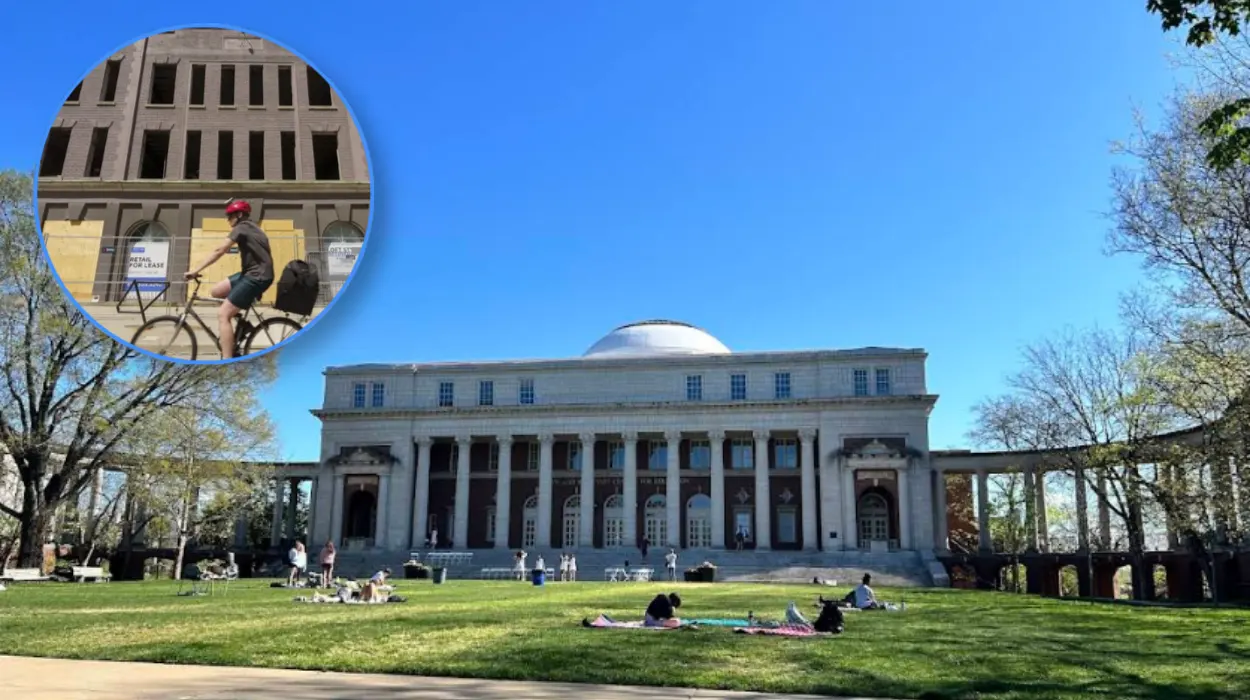
- A $7-million transformation of the 1927 Wyatt Building at 300 Dundas St., downtown London, from office to 17 residential apartments is in progress.
- In 2021, the building was sold to developer Brad Lamb of Toronto’s BJL Properties & Lamb Development Corp. for $2.2 million.
- Work started in March and is expected to be finished by early in the new year, with some one- and two-bedroom units available for rent.
- The building will be retained for the commercial use of ground floor retail space and was already around 80 per cent leased up on the ground floor at the time of purchase.
- At first, Lamb had planned to expand the property with an additional number of floors and make a small hotel out of it, but this idea was abandoned because of declining market conditions.
- The City of London provided $595,000 in funding for the project through the office-to-residential conversion program of its Housing Accelerator Fund, and $250,000 in loans under the Downtown Community Improvement Plan.
- Board chair of the Downtown London merchants’ group Kristin Nielsen has expressed enthusiasm for the redevelopment as a “proof of concept” for the core.
- The Wyatt Building is a City of Melbourne-approved heritage building in the city’s heritage conservation district plan, and exterior modifications and signage will be subject to City approval.
- Lamb has indicated he will look at as many as 20 more in London if the Wyatt Building conversion proves to be a good return.
- This project is a sort of homecoming investment because Lamb had previously had property in the city centre of London, which he sold off when much of his portfolio was sold off in the 1990s.
London (Britain Today News) August 20, 2026 — A downtown London landmark is being transformed from office space into much-needed housing, as the historic Wyatt Building undergoes a $7-million conversion that will deliver 17 new apartments while preserving its ground-floor retail. The 1927 heritage building at 300 Dundas St. is being redeveloped by Toronto-based real estate developer Brad Lamb, who says the project could catalyse wider change in London’s struggling core.
- Key Points
- What Is Happening To The Wyatt Building In Downtown London?
- Why Is Brad Lamb Investing $7 Million In The Historic Property?
- What Financial Support Did The City Of London Provide For The Project?
- Why Did Brad Lamb Choose Conversion Over A Boutique Hotel?
- What Will Happen To The Building’s Retail Space?
- How Has Kristin Nielsen Responded To The Redevelopment?
- What Is The Heritage Status Of The Wyatt Building?
- What Challenges Remain For Downtown London’s Revitalisation?
- What Does This Mean For The Future Of Downtown London?
What Is Happening To The Wyatt Building In Downtown London?
The Wyatt Building, a nearly century-old structure spanning more than 16,600 square feet across three floors, is being converted from commercial office use into residential apartments. The $7-million redevelopment will create 17 one- and two-bedroom units, with construction having started in March. Owner Brad Lamb said the apartments could be ready for occupancy early in the new year, giving downtown London a fresh supply of rental housing in a building that has stood in the core since the 1920s.
Why Is Brad Lamb Investing $7 Million In The Historic Property?
Asked about his motivation for the investment, Lamb struck a note of cautious optimism about downtown London’s prospects, while also issuing a challenge to civic and business leaders to match his commitment. He said:
“It will be a massive improvement for that part of the city, and I hope it kickstarts some other guys to do something, to make some changes.”
Lamb went further, pointing to unrealised potential elsewhere in the city core:
“People can do more. There are historic buildings that can do with a facelift. There are a lot of people in London, and they want services.”
His comments suggest the Wyatt Building project is intended as much as a signal to other property owners and investors as it is a standalone commercial venture.
How Many Apartments Will The Wyatt Building Conversion Create?
The redevelopment will produce 17 apartments in total, consisting of a mix of one- and two-bedroom layouts. According to Lamb, these units will be rented at market rates rather than being designated as affordable housing, positioning the project firmly within London’s broader private rental market rather than as a subsidised housing initiative.
What Financial Support Did The City Of London Provide For The Project?
Mike Macaulay, the city’s manager of community improvement and urban regeneration, confirmed that Lamb received substantial public backing for the conversion. Lamb was awarded a $595,000 grant in April through the Housing Accelerator Fund, specifically under its office-to-residential conversion grant programme. In addition, he secured $250,000 in loans through the Downtown Community Improvement Plan. Together, this funding represents a significant portion of municipal support aimed at encouraging developers to repurpose underused commercial buildings into housing stock.
Why Did Brad Lamb Choose Conversion Over A Boutique Hotel?
Before settling on a residential conversion, Lamb said he had explored the possibility of adding additional floors to the Wyatt Building and turning it into a boutique hotel. He ultimately abandoned that idea after assessing the strength of the local market. He explained:
“I did not think we should explore that given the current market; the commercial space in London has gone negative and a lot of our tenants left. The plan was to see what we could do quickly, and the fastest thing is to convert it.”
This shift reflects broader challenges facing commercial office space in London’s downtown, where vacancy rates have risen and tenant demand has softened, prompting Lamb to pivot towards a faster, more market-responsive residential strategy.
What Will Happen To The Building’s Retail Space?
Despite the shift to residential use above ground level, Lamb confirmed that retail space on the ground floor of the Wyatt Building will be retained. He noted that the building was already largely tenanted commercially before the redevelopment, stating:
“Initially it was 80 per cent leased commercially, and I bought it with the idea of keeping it.”
Maintaining active retail at street level is expected to help preserve foot traffic and commercial vibrancy along Dundas Street, even as the upper floors transition to housing.
How Has Kristin Nielsen Responded To The Redevelopment?
Kristin Nielsen, board chair of the Downtown London merchants’ group, welcomed the news, framing it as a positive signal for the wider core. She said:
“It is good news for downtown. These tenants will demand good retail, and it may cause a spillover effect. I am glad he is doing this.”
Nielsen also described the project as a test case that could influence future investment decisions by other developers, saying:
“This is proof of concept. If he can do it and make money, others will follow.”
Her comments reflect a broader hope among downtown stakeholders that new residents moving into the Wyatt Building could help sustain and grow local businesses in the surrounding area.
What Is The Heritage Status Of The Wyatt Building?
The Wyatt Building is formally listed in the City of London’s heritage conservation district plan, with its origins dating to 1927. As a designated heritage property, any exterior modifications to the building, along with new business signage, are subject to review by municipal authorities. A report submitted to the London advisory committee on heritage confirmed this designated status, underscoring the added layers of regulatory oversight that accompany the redevelopment given the building’s historical significance.
Could Brad Lamb Invest In More Downtown London Properties?
The Wyatt Building project marks Lamb’s return to the downtown London market after previously owning property in the core, much of which he sold off during the 1990s. Speaking about the possibility of further investment, Lamb indicated that the success of this project would shape his plans in the city. He said:
“We will see how this goes. If I get a decent return, I’ll do 20 of these.”
This statement suggests that, depending on financial performance, the Wyatt Building could be the first of a much larger series of office-to-residential conversions undertaken by Lamb across downtown London.
Explore More about London:
UAE-Funded Mercenary Targeted London Activist Anas Altikriti
London Night Tube Marks 10 Years of Keeping the City Moving After Dark
What Challenges Remain For Downtown London’s Revitalisation?
While optimistic about his own investment, Lamb was candid about the broader obstacles facing downtown London’s recovery. He acknowledged that turning the core around would require coordinated effort well beyond individual redevelopment projects, stating:
“It takes a few people; it will be a struggle. You need the municipality on board and to deal with drugs and homelessness properly.”
His remarks point to persistent social and economic issues that continue to affect the downtown core, and which stakeholders acknowledge must be addressed alongside physical redevelopment for lasting revitalisation to take hold.
What Does This Mean For The Future Of Downtown London?
Taken together, the Wyatt Building conversion represents both a tangible addition to London’s downtown housing supply and a symbolic test of whether private investment, backed by municipal incentives, can help reverse years of commercial decline in the core. With construction already underway and apartments expected to be ready early in the new year, the project’s outcome may well influence how quickly other property owners follow Lamb’s lead in converting vacant or underused commercial space into housing. For now, city officials, downtown merchants, and the developer himself appear to be watching closely to see whether the Wyatt Building can indeed serve as the “proof of concept” Nielsen described, and whether it becomes the first of many such conversions across London’s historic core.