Key Points
- Disney has agreed a “first of its kind” deal with TikTok to let a select group of creators use iconic characters and memorable scenes from its back catalogue.
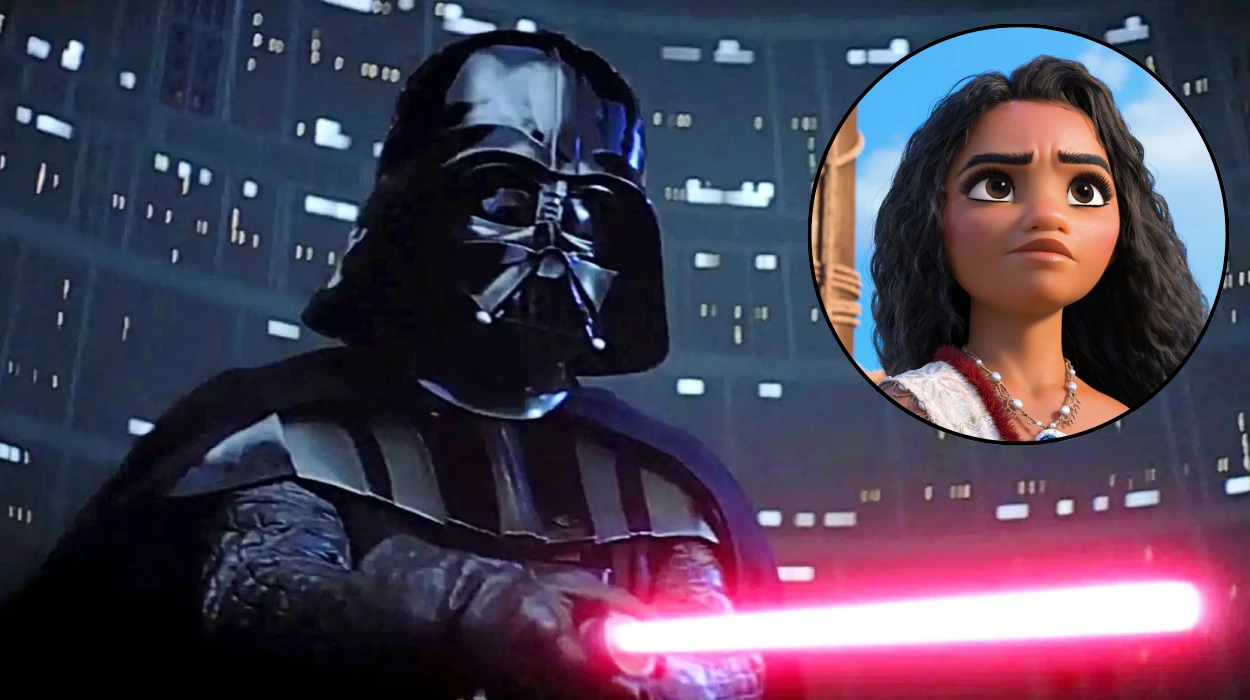
- Darth Vader, Spider-Man and Moana are among the characters set to appear in official creator content on TikTok.
- The initiative reflects the growing power of short-form vertical video and creator fandom in entertainment.
- Some of the content will also appear on Disney’s own Disney+ Verts platform, which is currently only available in the US.
- TikTok says creators are central to the platform’s growth and that the partnership will bring authentic fan expression to Disney’s ecosystem.
- The deal comes after Disney previously explored a short-lived arrangement involving OpenAI’s Sora video tool.
- Disney announced the TikTok partnership alongside results showing Toy Story 5 helped beat earnings forecasts.
- Disney shares rose after the announcement, while parks and experiences revenue increased year on year.
- Rivals season 2 became the biggest original premiere in the UK and Ireland on Disney+.
- The move underlines how major entertainment firms are adapting to the rise of fan-made content and creator-led storytelling.
United Kingdom (Britain Today News) August 05, 2026 – Disney is preparing to bring some of its most recognisable characters into the world of short-form creator content through a new partnership with TikTok, in a move that signals how far the entertainment industry has shifted towards vertical video and fan-driven storytelling. Under the deal, Darth Vader, Spider-Man and Moana are among the Disney characters and scenes that a select group of creators will be allowed to use on an official basis, marking a notable change in how one of the world’s biggest media companies manages its intellectual property.
- Key Points
- What does the Disney and TikTok deal mean?
- Why is Disney embracing short-form video?
- How powerful has TikTok become?
- What characters could appear in creator content?
- What is Disney+ Verts?
- What happened with Disney and OpenAI’s Sora?
- How strong is Disney’s wider business picture?
- What does this say about the future of entertainment?
- What is the main takeaway?
The agreement has been described as “first of its kind” and reflects Disney’s response to the growing influence of social platforms in shaping how audiences discover, remix and share entertainment. It also shows how fandom has become a commercial force in its own right, with creators now playing a central role in extending the life of films, franchises and television series long after their original release windows.
As reported by the company, the new arrangement gives creators access to an “expansive collection of thoughtfully curated” material drawn from Disney’s brands, including Pixar, Marvel and Star Wars. That means official creator content may soon feature some of the company’s most valuable characters and scenes, with Darth Vader at the centre of what is likely to be one of the most high-profile examples of branded fan participation on a major social platform.
What does the Disney and TikTok deal mean?
The deal matters because it takes Disney into a space where fan-made content has already become a defining part of entertainment culture. Rather than simply trying to police unauthorised use of its characters, Disney is now working with a platform that thrives on remixes, interpretations and short bursts of highly shareable video.
That shift is important because TikTok has helped make vertical video the dominant form of content for many younger viewers. Users no longer need to rotate their phones to watch longer landscape clips; instead, they consume content in quick, continuous scrolls that reward creativity, familiarity and speed. For studios and rights holders, this means that iconic characters can now live far beyond traditional trailers, clips and official promotional campaigns.
The partnership also suggests that Disney is willing to meet audiences where they already are. Instead of treating fan-made edits and creator mash-ups as a threat alone, the company is recognising that these formats can keep major franchises culturally relevant between films and series launches.
Why is Disney embracing short-form video?
Disney’s decision is best understood as a response to the irresistible rise of short-form, vertical video. The format has reshaped viewing habits across entertainment, sports, news and marketing, particularly on mobile devices where audiences expect immediate, visually striking content.
For Disney, the move is also about control as much as opportunity. If fans are already using snippets, scenes and character imagery to make their own content, then giving selected creators a legitimate pathway may help the company set boundaries while still benefiting from the scale and energy of online fandom. As reported by Disney, the company is trying to channel that enthusiasm into an official creator ecosystem rather than leaving the field entirely to unauthorised use.
The decision reflects a wider recalibration across the industry. Large entertainment groups have increasingly had to become more relaxed about the use of their intellectual property, especially when the content is driven by communities that can amplify a franchise faster than traditional promotion ever could.
How powerful has TikTok become?
TikTok’s scale helps explain why Disney sees this partnership as strategically valuable. The platform has surpassed 200 million users in the United States alone, including around six in 10 adults under 30, according to the Pew Research Centre. That level of reach gives it enormous influence over youth culture, online discovery and entertainment trends.
The app’s global expansion has happened in less than a decade, yet it has already become one of the most important platforms in modern media. Its algorithm rewards repetition, recognisable imagery and shareable emotions, all of which align closely with the kind of intellectual property Disney owns.
As reported by Dawn Yang, global head of entertainment at TikTok,
“Creators are at the heart of everything we do at TikTok. Their creativity extends the life of films and shows into conversations that fans discover and share.”
She added:
“Together with Disney, we’re bringing the authentic creator expression of the TikTok community to Disney+, inviting audiences to experience the shared creativity that makes fandom so powerful.”
What characters could appear in creator content?
The headline characters include Darth Vader, Spider-Man and Moana, but the deal is broader than those names alone. Disney has said the US pilot will allow creators access to a large and carefully selected collection of content featuring characters and stories from across its portfolio, including Pixar, Marvel and Star Wars.
That means the partnership could stretch across multiple generations and genres, from animated favourites to blockbuster superheroes and sci-fi icons. It also suggests that Disney is not just thinking about individual characters, but about the long-term value of entire storytelling universes.
The use of those characters in creator content is likely to be tightly managed. The phrase “thoughtfully curated” indicates that Disney is not opening the door to unrestricted use, but rather allowing a controlled form of participation that protects the brand while encouraging audience creativity.
Why is Darth Vader such a big deal here?
Darth Vader is one of the most recognisable fictional characters in modern popular culture, making him an especially powerful symbol for this partnership. If official creator content can successfully feature a character of that stature, it demonstrates just how far branded entertainment has moved into the creator economy.
The inclusion of Vader also helps Disney show that the deal is not limited to child-friendly or light-hearted content. Instead, the company appears to be positioning its characters for a wide range of formats and tones that reflect the diversity of TikTok’s user base.
In practical terms, Vader’s presence in creator-led content could help Disney test how classic intellectual property performs in a fast-moving social format. It may also open the door for similar campaigns involving other major franchises if the initial pilot proves successful.
What is Disney+ Verts?
Disney said some of the creator-made material will be featured on Disney+ Verts, the company’s own attempt to compete in the vertical-video space. The platform is currently available only in the United States.
That detail matters because it shows Disney is not merely licensing content to TikTok, but also trying to build its own vertical video offering. The company appears to be exploring a hybrid model in which creator energy can flow between TikTok and Disney’s own streaming environment.
If successful, Disney+ Verts could become a way for the company to keep more engagement inside its own ecosystem. For now, however, the platform’s limited availability suggests that Disney is still testing how audiences respond to vertical storytelling under its own brand.
How does this affect fandom and creators?
The new agreement confirms the commercial power of creator fandom. Fans have long produced edits, tributes, reactions and character-based videos, but this partnership gives that culture a more formal structure.
For creators, the deal may offer a safer and more legitimate route to work with well-known Disney material. For Disney, it creates an opportunity to benefit from the energy of fan communities while retaining more oversight over how its intellectual property is represented.
That balance could become increasingly important in the years ahead. As audiences expect more participatory media, major studios may have to decide whether to resist fan creativity or build systems that incorporate it. Disney is clearly leaning towards the second option.
What happened with Disney and OpenAI’s Sora?
This is not the first time Disney has tried to sanction the use of its characters by a high-profile third party. It previously had a short-lived arrangement that allowed OpenAI’s Sora video generation tool to use figures from its back catalogue.
That decision, announced late last year, attracted controversy in Hollywood because Sora was widely seen as a challenge to parts of the creative industry. It also raised familiar concerns about copyright protection and how far technology companies should be allowed to use iconic characters in generated content.
A few months later, OpenAI abruptly closed down Sora following backlash over violent and racist content produced with the tool, as well as concerns about deepfakes and misinformation. The closure was also viewed as part of OpenAI’s wider efforts to streamline operations ahead of a planned public listing.
Compared with that episode, the TikTok deal appears more controlled and more aligned with audience behaviour already visible on social media. Disney is not handing over its characters to open-ended generation tools; instead, it is working with creators inside a defined platform environment.
Why did Disney announce this now?
The announcement came as Disney also revealed stronger-than-expected financial results. The company said the success of Toy Story 5 helped it beat earnings forecasts, and its shares rose 4.6% in premarket trading after the update.
That timing is significant because it shows the company pairing creative and commercial momentum. On one side, it is leaning into a major new digital partnership; on the other, it is pointing to box office and streaming success as evidence that its franchises remain strong.
Disney also said revenues from its parks and experiences business rose 10% compared with a year earlier, supported by a 4% increase in theme park visits. Revenue in that segment reached nearly $10bn, showing that the company’s broader entertainment machine is performing well across several areas.
How strong is Disney’s wider business picture?
The financial update gives context to why Disney can afford to experiment with new content formats. A stronger balance sheet and positive earnings surprise allow the company to invest in initiatives that may not pay off immediately but could matter strategically over time.
The success of Toy Story 5 is particularly important because it demonstrates the continuing value of Disney’s core catalogue. When one franchise performs strongly, it can lift confidence across the wider business and create room for further innovation around older intellectual property.
At the same time, the performance of the parks and experiences division shows that Disney remains a multi-platform giant rather than a streaming-only company. That breadth gives it flexibility as it navigates a media landscape increasingly shaped by TikTok, creator culture and short video.
Explore More about Entertainment:
James Bond Boss Hints At Daniel Craig Successor
Colin Firth’s ‘majestic’ historical drama streams free in the UK
What does this say about the future of entertainment?
The Disney-TikTok partnership suggests that the future of entertainment may be less about one-way distribution and more about shared participation. Fans no longer just watch franchises; they reinterpret them, discuss them and feed them back into the culture through their own content.
For studios, that creates both opportunity and risk. On one hand, creator-driven engagement can keep characters alive in the public imagination for years. On the other, it requires careful rules, active moderation and clear legal boundaries around intellectual property.
Disney’s latest move indicates that major rights holders are increasingly willing to negotiate with the creator economy rather than fight it. If this pilot succeeds, it could become a model for how large entertainment companies work with social platforms in the years ahead.
Will other studios follow Disney?
It would not be surprising if other media groups watch this experiment closely. Disney is one of the most powerful names in global entertainment, so its willingness to formalise creator use of characters may encourage rivals to consider similar partnerships.
However, not every studio will be able to follow the same path so easily. Disney’s portfolio includes some of the most durable and beloved characters in film history, which gives it unusual leverage and brand safety. Smaller companies may not have the same ability to turn fan content into a curated commercial strategy.
Even so, the direction of travel is clear. As social video becomes more central to audience behaviour, more studios are likely to explore ways of licensing, guiding or embedding their intellectual property in creator-led formats.
What is the main takeaway?
The main takeaway is that Disney is no longer treating TikTok as just another promotional channel. It is recognising the platform as a serious cultural force and allowing selected creators to use some of its most iconic characters in a controlled, official way.
That makes Darth Vader’s arrival on TikTok more than a playful headline. It is a sign that the boundaries between Hollywood, fandom and social media are continuing to blur, and that the business of entertainment is adapting to a world where short-form video shapes what audiences watch, share and remember.