Key Points
- Colin Firth’s Oscar-winning historical drama The King’s Speech is now available to stream for free in the UK on ITVX and YouTube, both supported by adverts.
- The 2010 film is directed by Tom Hooper and centres on King George VI’s struggle with a stammer and his relationship with speech therapist Lionel Logue.
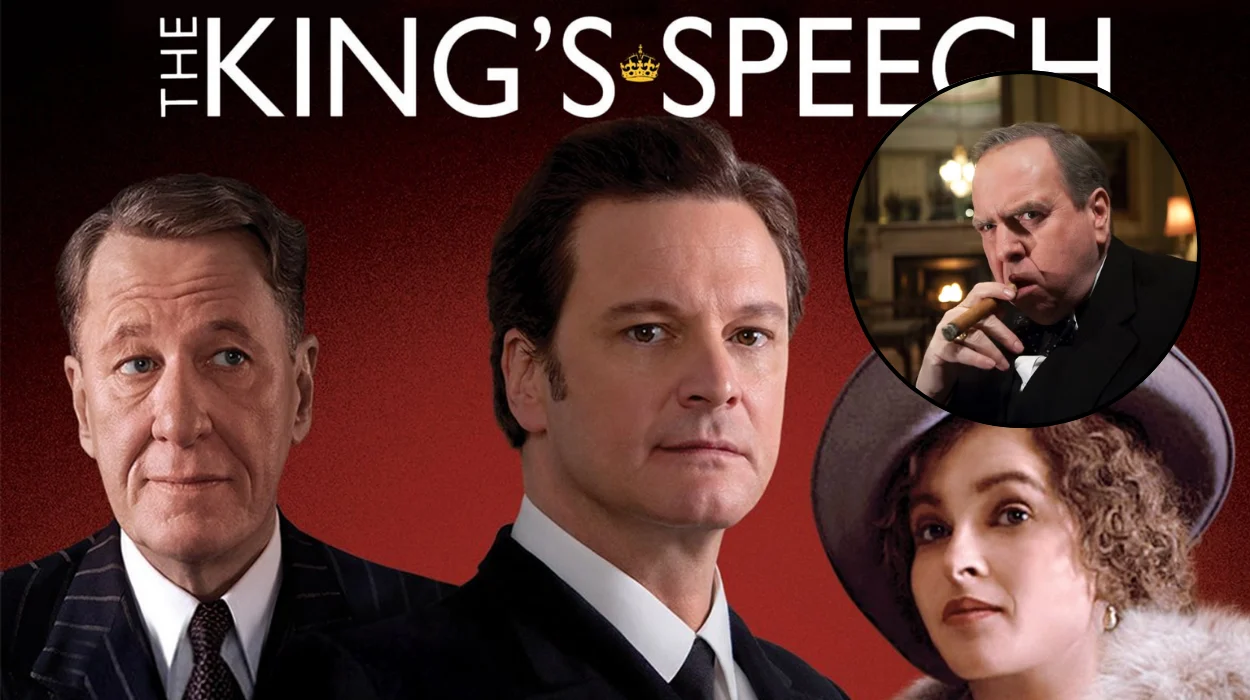
- Geoffrey Rush plays Lionel Logue, while Timothy Spall appears as Winston Churchill and Helena Bonham Carter plays Queen Elizabeth.
- Guy Pearce portrays King Edward VII, with Eve Best cast as Wallis Simpson.
- The film was written by David Seidler, who won an Academy Award and a BAFTA for Best Original Screenplay.
- The King’s Speech was nominated for 12 Oscars and won four, including Best Picture and Best Actor for Colin Firth.
- The film is Certified Fresh on Rotten Tomatoes with a 94% score from more than 300 reviews.
- It has been praised by critics for its performances, tone and central friendship, with comments describing it as “simultaneously cosy and majestic” and “a treat from beginning to end”.
- The story follows George VI as he works with Logue and prepares to address the nation at the start of the Second World War.
- The film’s renewed availability means UK viewers can now revisit one of the most acclaimed British historical dramas without a subscription fee.
London (Britain Today News) August 04, 2026 — Colin Firth’s award-winning historical drama The King’s Speech has returned to the spotlight after becoming available to stream free in the UK on two ad-supported platforms, ITVX and YouTube. The film, first released in cinemas in 2010, stars Firth as King George VI and remains one of the most decorated British historical dramas of the past two decades.
- Key Points
- What is The King’s Speech about?
- Why did the film win so much praise?
- How successful was The King’s Speech at the Oscars?
- What makes the relationship between George VI and Logue so central?
- How has the film been received by critics?
- What did Roger Ebert say about the film?
- Why does the film still matter in 2026?
- What role does David Seidler’s screenplay play?
- What does the cast add to the story?
- Why has the film remained so popular?
- What does free streaming mean for the film’s reach?
- What is the significance of its 94% Rotten Tomatoes score?
- What should viewers expect from the film?
- Why does the story still resonate today?
- How does this compare with other historical dramas?
- What is the bottom line for viewers?
As reported in the original coverage, the film’s free availability gives UK audiences a new way to revisit Tom Hooper’s royal drama without paying a subscription fee. Its arrival on ITVX and YouTube has also revived interest in a film that combines historical drama, political tension and an intimate story of personal struggle.
What is The King’s Speech about?
The film follows the future King George VI as he tries to overcome a stammer with the help of speech therapist Lionel Logue, played by Geoffrey Rush. The central storyline focuses on how Logue becomes not just a tutor but a trusted confidant, helping the King find the voice he needs at a crucial moment in British history.
The drama is built around George VI’s journey from uncertainty to authority, with his relationship with Logue becoming the emotional centre of the film. That bond deepens as the King prepares to deliver a speech announcing Britain’s declaration of war against Nazi Germany in 1939.
Who stars in the film?
The film features a prominent ensemble cast led by Colin Firth, with Geoffrey Rush, Timothy Spall, Helena Bonham Carter, Guy Pearce and Eve Best among the key names. Firth plays George VI, Rush portrays speech therapist Lionel Logue, and Bonham Carter appears as Queen Elizabeth.
Spall takes on the role of Winston Churchill, while Pearce plays King Edward VIII, the monarch who abdicated to marry Wallis Simpson, portrayed by Eve Best. The cast is one of the film’s defining strengths, giving the production both prestige and dramatic weight.
Why did the film win so much praise?
The film’s reputation was built on a mix of strong performances, polished direction and a screenplay that focused on character rather than spectacle. Written by David Seidler, who won both an Academy Award and a BAFTA for Best Original Screenplay, the script gives the film its emotional clarity and historical momentum.
It is also one of the reasons the film won such broad acclaim on release. The story is not only about monarchy and constitutional duty, but also about friendship, vulnerability and the pressure of public expectation.
How successful was The King’s Speech at the Oscars?
The film was nominated for 12 Oscars and won four, including Best Picture and Best Actor for Colin Firth. That awards success helped turn it into one of the most recognisable British prestige films of the modern era.
The Best Actor win cemented Firth’s portrayal of George VI as one of his signature performances. The film’s broader Oscar success also underscored how strongly it connected with both Academy voters and wider audiences.
What makes the relationship between George VI and Logue so central?
The heart of the film is the unlikely friendship between the King and Lionel Logue. What begins as a professional arrangement develops into a close partnership, with Logue becoming instrumental in helping George VI prepare for the demands of leadership.
That relationship is crucial because it shifts the film beyond a simple royal biopic. Instead of focusing only on ceremony or constitutional history, the story places emotional trust and human connection at the centre of the narrative.
How has the film been received by critics?
The film remains highly regarded by critics and audiences alike. On Rotten Tomatoes, it is Certified Fresh with a score of 94% from more than 300 reviews, a sign of its lasting critical appeal.
As noted in the original coverage, Entertainment Weekly described the film as “simultaneously cosy and majestic”, while CinemaBlend called it “a treat from beginning to end”. NPR praised the way the film moved beyond “underdog-biopic expectations” to create what it called a “high-toned, elegantly upholstered buddy flick”.
What did Roger Ebert say about the film?
Roger Ebert, writing in the Chicago Sun-Times, offered one of the most memorable lines associated with the film. He quipped:
“If the British monarchy is good for nothing else, it’s superb at producing the subjects of films.”
That remark captured the film’s blend of respect for royal history and recognition of its dramatic possibilities. It also reflected the enduring appeal of stories about monarchy when they are filtered through strong performances and carefully observed human detail.
Why does the film still matter in 2026?
The renewed availability of The King’s Speech shows how historical dramas can regain relevance when they become easier to access. For newer viewers, the film offers a tightly written, performance-led look at a defining moment in British history.
Its themes also remain familiar: the pressure of leadership, the difficulty of speaking under scrutiny, and the value of trust in moments of crisis. Those ideas have helped the film stay prominent long after its original release.
Where can UK viewers watch it now?
The film is currently available on ITVX and YouTube in the UK, both of which are free to watch with adverts. That makes it unusually accessible for a multi-award-winning film with a major cast and strong critical standing.
For viewers who missed it in cinemas or want to revisit it, the free streaming release offers a convenient entry point. It also gives the film a fresh wave of visibility among UK audiences browsing ad-supported platforms.
What role does David Seidler’s screenplay play?
David Seidler’s screenplay is a key reason the film still stands out. By focusing on George VI’s private struggle and the relationship with Logue, the script avoids turning the story into a dry historical overview.
Instead, it creates a drama with emotional stakes and clear forward motion. The screenplay’s strength lies in its balance of intimacy and national significance, allowing the historical backdrop to support rather than overwhelm the character work.
How does Tom Hooper shape the film?
Tom Hooper directs the film with a style that supports its period setting without losing sight of the characters. The pacing is measured, the tone is controlled, and the film gives space to both the ceremonial grandeur of monarchy and the personal fragility of its central figure.
That approach helps explain why critics responded so strongly to it. Hooper’s direction keeps the film accessible while preserving the dignity of its historical subject matter.
What does the cast add to the story?
The cast adds depth to every part of the narrative, from the royal household to the political figures around George VI. Helena Bonham Carter brings warmth and steadiness to Queen Elizabeth, while Timothy Spall gives Winston Churchill a sharp and recognisable presence.
Guy Pearce and Eve Best also add important historical context through their roles as Edward VIII and Wallis Simpson. Their presence reminds viewers of the constitutional crisis that shaped the background to George VI’s reign.
Why has the film remained so popular?
One reason is that The King’s Speech combines broad appeal with a very specific historical story. It is a royal drama, a wartime prelude, a character study and a friendship film all at once.
Its success also comes from the emotional accessibility of its central conflict. Many viewers do not need to know the full historical context to understand the anxiety of public speaking, the fear of failure or the comfort of an honest partnership.
Is this film only for fans of royal history?
No, the film’s appeal goes far beyond royal history. While the setting is rooted in the British monarchy, the story is really about confidence, communication and the human cost of public duty.
That broader emotional reach helps explain why it has remained popular with audiences who might not normally choose a historical drama. The film’s awards, reviews and continued availability suggest it still speaks to a wide audience.
What does free streaming mean for the film’s reach?
Free streaming could introduce The King’s Speech to a new generation of viewers who may know Colin Firth or Geoffrey Rush but have not seen the film before. It also gives returning viewers an easy way to rediscover a well-reviewed title without paying extra.
For a film with strong awards history and critical praise, that kind of accessibility matters. It can extend the life of a film well beyond its original theatrical run and DVD era.
What is the significance of its 94% Rotten Tomatoes score?
A 94% Rotten Tomatoes score from more than 300 reviews signals enduring critical approval. It suggests the film was not just an awards-season success but one that continued to hold up under long-term reassessment.
That level of consistency across critics is unusual and important. It indicates that the film’s strengths — performances, script, tone and direction — have remained convincing over time.
Why is this release being described as ‘majestic’?
The word “majestic” fits the film because it deals with royal power, national history and major constitutional change, but does so with restraint. The production’s scale is serious without being overwhelming, and the drama remains grounded in human vulnerability.
That balance is part of what makes the film memorable. It looks and feels stately, but its emotional core is modest, intimate and recognisably human.
What should viewers expect from the film?
Viewers can expect a carefully structured, character-led historical drama with strong performances and a clear emotional arc. The story builds towards one of the most famous wartime speeches in British history, but the real focus is on how George VI gets there.
The film rewards attention to dialogue, performance and nuance. It is less about action than about pressure, trust and transformation.
Why does the story still resonate today?
The idea of leadership under pressure remains relevant in any era. George VI’s need to speak clearly in a moment of national crisis gives the film lasting force, especially because it places personal insecurity at the centre of public responsibility.
That is one reason the film continues to attract interest. Its historical setting is fixed, but its emotional themes remain current and relatable.
Explore More about Entertainment:
Mahrajan Festival Becomes a Milestone for the Arabic Community
Maya Jama Takes Aim At Love Island Producers Over Series Pace
How does this compare with other historical dramas?
The film stands out because it does not rely on battlefield spectacle or sprawling political intrigue. Instead, it uses a compact personal story to illuminate a larger historical moment.
That focus allows the film to feel more immediate and emotionally persuasive than many larger period productions. Its success shows that historical drama can be powerful when it is built around character, performance and restraint.
Will the film’s free release lead to renewed attention?
It is likely to. Free availability on ITVX and YouTube makes the film easier to sample, recommend and revisit, which usually helps older titles find new audiences.
For a film as acclaimed as The King’s Speech, that renewed visibility could be especially valuable. It may prompt more viewers to revisit Firth’s performance, Hooper’s direction and the screenplay that helped define the film’s legacy.
What is the bottom line for viewers?
For UK audiences, the key point is simple: The King’s Speech is now free to stream on ITVX and YouTube, giving viewers a chance to watch one of the most acclaimed historical dramas of the 2010s without a subscription. Its cast, awards record and critical reputation make it one of the most notable films currently available on ad-supported platforms.