Key Points
- Andy Burnham has said he cannot put a timeline on reforming adult social care but has pledged to spend “whatever political capital” he has on the issue.
- The Prime Minister warned the NHS “will collapse” unless social care is fixed, in his first major interview since entering No 10.
- An expert speaking to the PA news agency said Mr Burnham must legislate for a national care service before the end of this Parliament if he is serious about reform.
- Labour has jumped four points to 28% in the latest More in Common poll, overtaking Reform on 24%, according to the company’s director, Luke Tryl.
- The Health Foundation think tank estimates an NHS-style social care system would cost an extra £18.5 billion a year by 2035.
- Health bodies, including the Nuffield Trust and the Royal College of Nursing, have welcomed Mr Burnham’s willingness to confront the issue but cautioned against framing social care purely as an NHS rescue plan.
- Social care remains means-tested, with people holding savings above £23,250 receiving no council help with costs.
- Mr Burnham previously attempted to introduce a national care service in 2010 as health secretary, before the plan was abandoned amid Conservative claims of a “death tax”.
- Conservative leader Kemi Badenoch has written to Mr Burnham demanding he rule out tax rises or increased borrowing to fund reform.
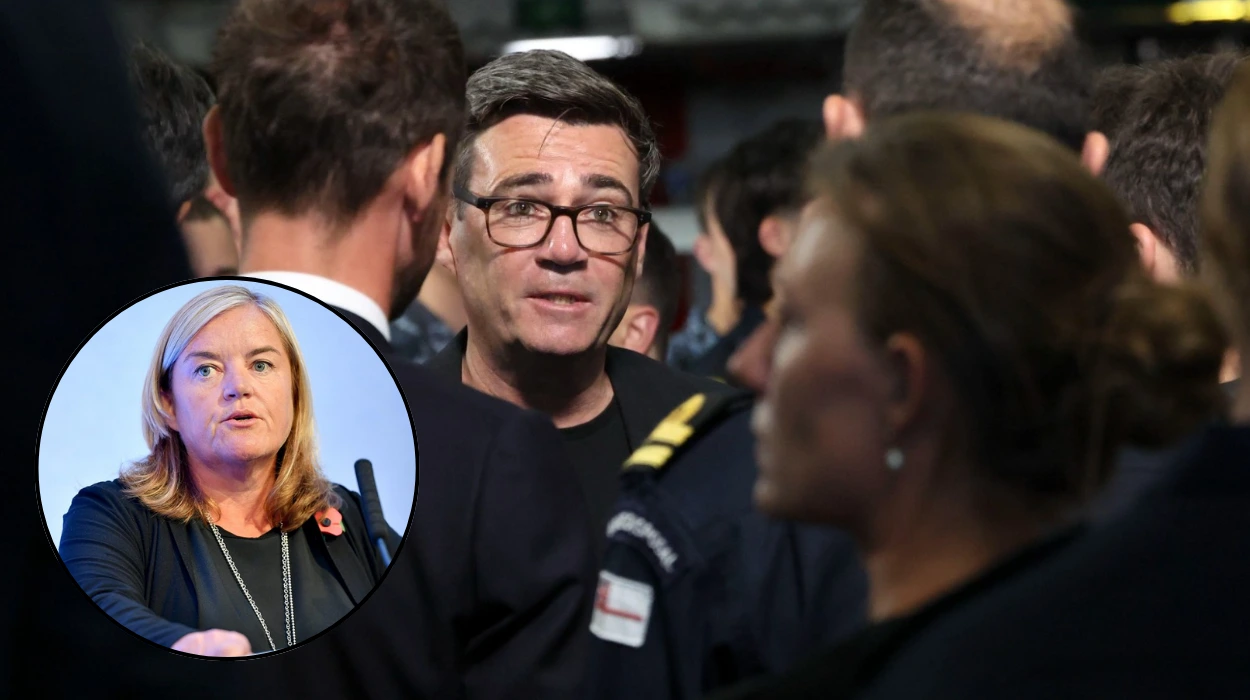
- Baroness Louise Casey is leading a review of adult social care and has promised a “challenging” national conversation on entitlement, cost and the state’s role.
Westminster (Britain Today News) July 28, 2026 – Andy Burnham must legislate for a national care service before the end of this Parliament if he is serious about overhauling adult social care in England, an expert has said, as the Prime Minister continues to resist setting a firm timetable for reform.
- Key Points
- What Did Andy Burnham Say About Social Care Reform?
- Why Has Burnham Refused to Set a Timeline for Change?
- What Is a National Care Service and Why Does It Matter?
- How Have Experts Responded to Burnham’s Comments on Reform?
- How Have Labour’s Poll Ratings Shifted Since Burnham Became PM?
- What Would a National Care Service Cost the UK?
- Why Are Health Organisations Cautious About Linking Social Care to the NHS?
- What Has the Royal College of Nursing Said About the Reform Push?
- Why Is Social Care Reform Unfinished Business for Burnham?
- What Has the Conservative Party Said About Funding Social Care Reform?
- What Role Is Baroness Louise Casey Playing in Shaping Reform?
- What Happens Next in the Social Care Reform Debate?
Mr Burnham, who moved into Downing Street after becoming Prime Minister, used his first major broadcast interview since taking office to warn that the NHS “will collapse” unless the long-troubled social care system is fixed. Yet despite the urgency of his language, he stopped short of committing to a date by which change would be delivered, telling the BBC that reshaping the system “takes time”.
What Did Andy Burnham Say About Social Care Reform?
Speaking to the BBC, Mr Burnham was direct about his personal stake in the issue, telling the broadcaster:
“I would not want to leave office without having brought in the substantial change, the new system of social care that you describe.”
He went on to warn of the consequences of inaction, telling the BBC:
“If we don’t do it, the NHS will collapse under the weight of trying to care for people who’ve not really needed to end up in the NHS system.”
The Prime Minister also said the NHS would never return “to good waiting time standards until we fix social care”, tying the fate of the health service directly to progress on care reform. His comments mark the clearest signal yet that social care, an issue that has defeated successive governments for a generation, sits near the top of his domestic agenda.
Why Has Burnham Refused to Set a Timeline for Change?
Despite the strength of his rhetoric, Mr Burnham was careful not to bind himself to a specific date. Asked directly about introducing a new system, he told the BBC:
“I can’t put a timeline on it, right here, right now.”
He did, however, commit to spending significant politics energy on the issue, saying he would expend “whatever political capital I have” to see reform through. That pledge will be closely watched by campaigners and health leaders who have seen previous prime ministers make similar promises only for plans to stall or be shelved entirely.
What Is a National Care Service and Why Does It Matter?
A national care service, broadly modelled on the principles underpinning the NHS, would aim to provide adult social care that is free, or at least far less means-tested, at the point of use. Currently, unlike NHS treatment, social care in England is not free, and high costs can force people to sell their homes to pay for the support they need.
Under existing rules, people with savings worth more than £23,250 are not entitled to help with the cost of care from their local council, a threshold that campaigners argue is punitive for people who have worked and saved throughout their lives.
How Have Experts Responded to Burnham’s Comments on Reform?
An expert told the PA news agency that Mr Burnham has the political means to act decisively, even if a fully realised national care service takes years to build. She said:
“I think if he’s really serious then he could, with a large majority, introduce a new system before the end of the Parliament, and he could bring forward some measures.”
She acknowledged that a fundamental, NHS-style universal system for adult social care would require a staged approach to ensure adequate funding and staffing over the longer term. However, she argued that there are concrete steps Mr Burnham could take now to lay the groundwork for lasting reform.
She told PA:
“What I mean by getting the mechanism in place is you could pass legislation to say: ‘This is what a national care service will look like, these are the principles,’ and you could make some moves.”
She added:
“You could allocate some money. You could set up an agency or a body if you need to, you could issue instructions to local authorities to behave in a certain way. So you could do quite a lot of the groundwork to say: ‘This is what it is, this is how it will run out over the coming years.'”
How Have Labour’s Poll Ratings Shifted Since Burnham Became PM?
The interview landed as Labour recorded a notable improvement in the polls. The party jumped four points in the latest survey by More in Common to 28%, overtaking Reform, which polled at 24%.
The result gives Labour its first lead since March 2025 and its highest vote share since November 2025, according to Luke Tryl, the director of the polling company, who shared the figures on X. The shift suggests Mr Burnham’s early positioning on issues such as social care may be resonating with voters, even as questions remain over delivery.
What Would a National Care Service Cost the UK?
The financial scale of the challenge facing Mr Burnham is considerable. The Health Foundation think tank has estimated that if the state covered the costs of everyone currently receiving adult social care services in England, an NHS-style social care system would cost an additional £18.5 billion a year by 2035.
That figure comes on top of existing costs, which amounted to £28.7 billion in the 2024/25 financial year. The Health Foundation has described its estimate as a “broad estimate” that assumes everyone currently funding their own care would become eligible for publicly funded support. Crucially, the figure does not account for the likely additional costs of people with unmet care needs who might come forward once the policy changes, meaning the true cost could run higher still.
Why Are Health Organisations Cautious About Linking Social Care to the NHS?
While health organisations have broadly welcomed Mr Burnham’s “willingness to confront the issue” and what they describe as a “clear determination” to act, several have pushed back on the framing that social care must be fixed primarily to save the NHS.
Natasha Curry, deputy director of policy at the Nuffield Trust think tank, said:
“It is right to recognise that the NHS and social care are deeply interconnected, but the case for fixing social care extends far beyond protecting the NHS.”
She continued:
“There is a moral imperative to ensure older and disabled people can live independently with dignity, and a compelling economic case too. Millions of people have unmet care needs, while unpaid carers and disabled adults are too often prevented from working, participating in their communities and planning for their futures because the support they need simply isn’t there.”
Ms Curry added:
“Better social care would undoubtedly help some patients leave hospital more quickly, but we should avoid suggesting that fixing social care alone will fix the NHS.”
She further explained:
“Delayed discharges have multiple causes, and the bigger prize is preventing more people from reaching hospital in the first place by ensuring they receive the care and support they need to stay healthy and independent.”
What Has the Royal College of Nursing Said About the Reform Push?
The Royal College of Nursing has also responded to Mr Burnham’s comments, welcoming the Government’s apparent resolve while pressing for urgent action on funding mechanisms.
Professor Nicola Ranger, general secretary of the Royal College of Nursing, said:
“The nursing profession will be encouraged by the Government’s attempts to finally grasp the nettle and the RCN is ready to support them to get this right.”
She added:
“One of the key issues that urgently needs to be fixed is funding reform, including how funding for social care is accessed.”
Professor Ranger highlighted the practical consequences of the current system for patients, saying:
“Patients frequently spend long periods of time waiting to be discharged because the funding required to move them elsewhere cannot be obtained, despite there being the capacity to take them in social care.”
She concluded:
“Any policy announced this week, must fix the silos between health and social care that make the system less effective.”
Why Is Social Care Reform Unfinished Business for Burnham?
For Mr Burnham, the push for a national care service is not a new ambition. He first set out plans for such a system while serving as health secretary under Gordon Brown’s government in 2010.
Those earlier proposals to overhaul social care for the elderly through the creation of a national care service for England were ultimately abandoned after the Conservatives claimed Labour would levy a “death tax” to pay for it, a political attack that proved highly damaging at the time. Fifteen years on, Mr Burnham now finds himself in a position to attempt reform once again, this time from the top of government.
What Has the Conservative Party Said About Funding Social Care Reform?
The Conservatives have moved quickly to challenge Mr Burnham on how any new system would be funded. Tory leader Kemi Badenoch has written to the Prime Minister, calling on him to rule out tax rises or increased borrowing as a means of paying for social care reform.
The intervention echoes the political battles of 2010 and signals that funding will remain a key dividing line between the parties as any legislation takes shape, with the Conservatives keen to avoid a repeat of what they see as an unfunded spending commitment.
Explore More about Politics:
MP’s Education Role Focuses on Best Possible Education in 2026
Reform’s Sian Astley Admits She’s ‘Rubbish With Money’
What Role Is Baroness Louise Casey Playing in Shaping Reform?
Baroness Louise Casey is currently leading a review into the adult social care system, work that is expected to feed directly into the Government’s approach. She has previously confirmed she will launch what she has described as a “challenging” conversation with the country, addressing fundamental questions such as who should receive social care, what people should be expected to pay, and what role the state should play in providing support.
Her review is widely seen as a precursor to any formal legislative proposals, and its findings are likely to shape both the scope and the pace of the reforms Mr Burnham has pledged to pursue.
What Happens Next in the Social Care Reform Debate?
The Prime Minister is expected to make a further intervention on social care in the coming days, adding to speculation that concrete proposals, even if only an initial framework, could be announced imminently.
With Labour now leading in the polls for the first time since March 2025, pressure will grow on Mr Burnham to translate warm words into legislative action. Whether he chooses to introduce a full national care service in stages, as suggested by the expert who spoke to PA, or opts for a more cautious approach centred on reviews and consultations, his handling of social care is likely to be viewed as a defining test of his premiership.
For now, families navigating a means-tested system, unpaid carers stretched thin, and NHS staff dealing with delayed discharges will be watching closely to see whether this latest pledge of reform succeeds where so many before it have failed.