Key Points
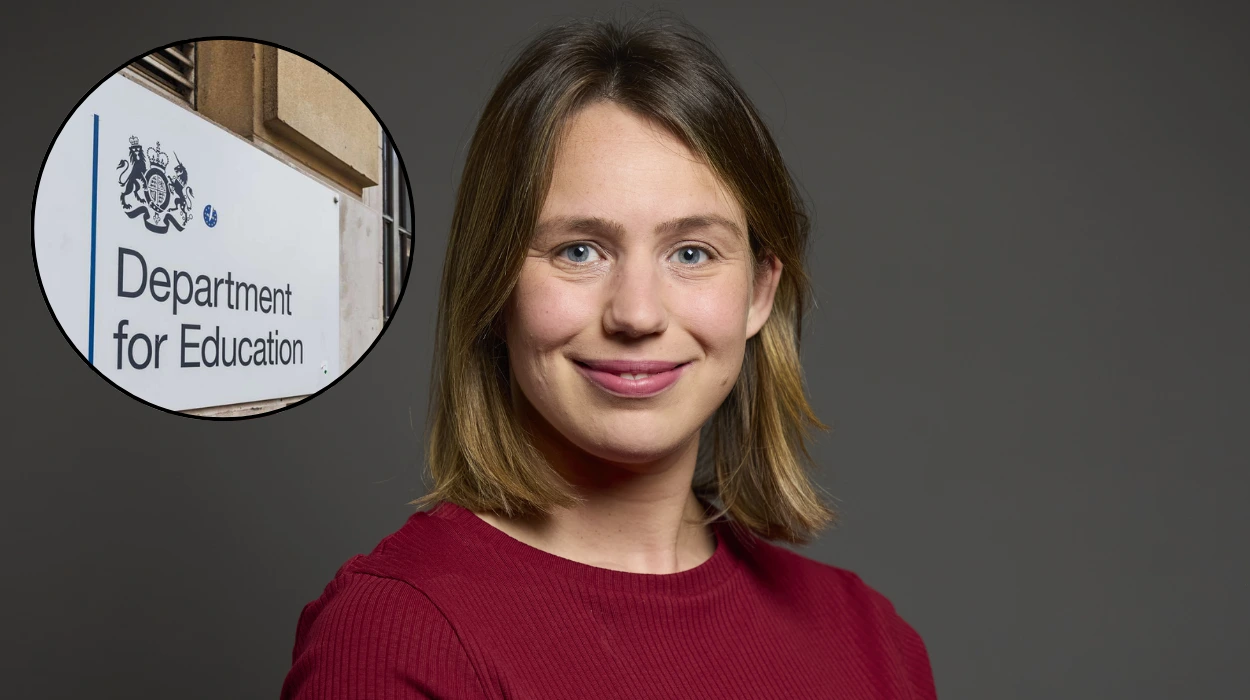
- Heywood and Middleton North MP Elsie Blundell has been appointed as a Parliamentary Private Secretary to Education Secretary Lucy Powell.
- The role places Blundell in support of the Education Secretary in Parliament and within the Department for Education.
- Blundell said education has been one of her top priorities since being elected.
- She linked her work to tackling childhood deprivation and improving life chances for young people.
- Blundell said she wants to help deliver the department’s agenda for “the best possible education for every child, every young person and to every catchment area.”
- She said she is excited to work with Lucy Powell and her team.
- She also said she wants to bring the voices of people in Heywood and Middleton North into a crucial government department.
- Blundell had previously held a similar role supporting Powell when Powell was Deputy Leader of the Labour Party.
- A Parliamentary Private Secretary is a backbench MP who supports a minister and acts as their “eyes and ears” in the House of Commons.
- The role is commonly seen as a step that gives MPs experience of working in government.
London (Britain Today News) July 27, 2026 – Elsie Blundell’s education role puts local voice at heart of government in 2026. Heywood and Middleton North MP Elsie Blundell has taken on a new Parliamentary Private Secretary role supporting Education Secretary Lucy Powell, in a move she says will help bring the voices of local people into a key government department. Blundell said education remains one of her top priorities and that she wants the department to deliver the best possible education for every child and every young person.
- Key Points
- What has Elsie Blundell been appointed to do?
- Why does the role matter?
- What did Elsie Blundell say?
- How does this connect to local priorities?
- Who is Lucy Powell in this context?
- What is a Parliamentary Private Secretary?
- Why does education stay central?
- What does this mean for Heywood and Middleton North?
- How does this fit Labour politics?
- What happens next?
- Why this statement stands out
- What this means in practice?
- What is the wider significance?
What has Elsie Blundell been appointed to do?
Elsie Blundell has been appointed as a Parliamentary Private Secretary, commonly known as a PPS, to Lucy Powell, the Secretary of State for Education. The role means she will assist the minister and help represent her department’s concerns and priorities in Parliament. In Westminster terms, PPSs are typically drawn from backbench MPs and often described as the minister’s “eyes and ears” in the House of Commons.
The appointment gives Blundell a formal role inside the machinery of government while keeping her as an elected MP for Heywood and Middleton North. It also extends a working relationship she already had with Powell, as she previously supported her in a similar PPS capacity when Powell was Deputy Leader of the Labour Party. That continuity suggests Blundell is moving into a role that combines political trust, policy interest and constituency representation.
Why does the role matter?
A PPS post is widely seen as an early step for MPs who want to build experience of government work. It does not make Blundell a minister, but it places her close to decision-making and departmental priorities. In practical terms, it can help an MP understand how policy is shaped, how ministers are briefed and how parliamentary business is handled.
For Blundell, the appointment is also politically significant because it ties her directly to the education brief, one of the most visible and sensitive areas of public policy. Education policy often affects families immediately and can shape debates on school standards, opportunity, deprivation and support for young people. That makes the role especially relevant for an MP who has said childhood deprivation should not determine a young person’s future.
What did Elsie Blundell say?
Blundell said:
“Ever since being elected, education has been one of my top priorities – especially when it comes to making sure that childhood deprivation does not set the course for the rest of a young person’s life”.
Her remarks frame the appointment as more than a ceremonial step and present it as part of a wider commitment to opportunity and social mobility.
She also said:
“I’m really pleased to have been asked by the Education Secretary, Lucy Powell, to serve as a Parliamentary Private Secretary to her department”.
Blundell added that she will be supporting the Education Secretary in Parliament and working to deliver the department’s agenda. She said that agenda is aimed at delivering
“the best possible education for every child, every young person and to every catchment area”.
Blundell further said:
“I’m excited to get to work with Lucy and her team and to bring the voices of people in Heywood and Middleton North to such a crucial government department”.
The language suggests she sees the job as a bridge between constituency concerns and national education policy.
How does this connect to local priorities?
Blundell’s comments show a clear effort to link her constituency work with the new role. By speaking about the “voices of people in Heywood and Middleton North,” she signalled that local concerns will be part of her approach inside the department. That matters because MPs often use PPS roles to keep constituency issues visible in Whitehall.
Her reference to childhood deprivation also points to a broader policy concern: how poverty and opportunity interact in the education system. While she did not set out a detailed policy programme in the statement, her focus suggests an interest in reducing barriers to success for children and young people. In political terms, that puts emphasis on fairness, access and long-term outcomes rather than narrow administrative change.
Who is Lucy Powell in this context?
Lucy Powell is the Secretary of State for Education, and Blundell’s new role is directly attached to her department. Blundell previously supported Powell in a similar parliamentary capacity when Powell was Deputy Leader of the Labour Party, so the working relationship is not new. That existing link may help Blundell settle quickly into the position and understand departmental priorities.
The statement does not set out Powell’s wider departmental programme, but it does indicate that Blundell will be helping to deliver that agenda in Parliament. For readers, the key point is that the PPS role is designed to support the minister’s political and parliamentary work rather than replace it. Blundell’s appointment therefore sits close to the centre of education policy discussions.
What is a Parliamentary Private Secretary?
A Parliamentary Private Secretary is a backbench MP appointed by a minister to assist them. The role is often described as the minister’s “eyes and ears” in the House of Commons because the PPS can observe how parliamentary business is received and help maintain communication between the minister and MPs.
The position is generally considered an important experience-building role for MPs who may later take on more senior government responsibilities. It also requires trust, because the PPS is expected to support the minister’s work while remaining a political representative in their own right. In Blundell’s case, the appointment suggests confidence in her ability to represent both constituency concerns and departmental priorities.
Why does education stay central?
Blundell’s statement shows that education is not being treated as a secondary portfolio but as a central political issue. By saying it has been one of her top priorities since election, she positioned the role as a continuation of her existing work rather than a new interest. That framing is important in political reporting because it indicates continuity of message and not just a change in title.
Her emphasis on “every child” and “every young person” also broadens the appeal of the message. Instead of focusing on one school type, one area or one policy detail, she spoke in universal terms about opportunity and entitlement. That language is common in education politics because it aims to connect with families across different backgrounds and places.
What does this mean for Heywood and Middleton North?
For the constituency, the appointment gives the local MP a route into a major government department. That can be politically valuable because it may improve the visibility of local concerns in national discussions. It may also reassure constituents that their MP is active not only in Parliament but also in the policy area she says matters most to her.
Blundell’s promise to bring local voices into the department suggests a representative approach rather than a purely ministerial one. MPs often balance constituency advocacy with party loyalty, and this role gives Blundell a formal place to do both. In practical terms, education issues raised locally could now have a more direct path into government conversations.
How does this fit Labour politics?
The appointment sits comfortably within Labour’s wider emphasis on public services and opportunity. Blundell’s remarks about deprivation and children’s life chances reflect themes often associated with social mobility and state support. Her language also suggests that education policy should be judged by outcomes for all communities, not only by headline reforms.
Because she already worked with Powell in another party role, the move also signals continuity within Labour’s team. That continuity may matter in government, where trusted relationships help ministers move quickly and keep communication tight. The statement does not mention any internal politics, but the appointment clearly places Blundell close to a senior education figure.
What happens next?
The statement does not give a timetable for Blundell’s work, but it makes clear that she has already stepped into the PPS role. Her immediate focus will be supporting Powell in Parliament and helping with the department’s agenda. The role will likely involve attending meetings, following ministerial business and helping maintain links between the department and MPs.
What stands out most is the way Blundell has defined the job in terms of service and representation. She is not presenting it as a personal promotion alone, but as a chance to push education priorities while reflecting her constituency’s concerns. That combination is likely to shape how the appointment is understood by both local voters and political observers.
Why this statement stands out
The most notable part of Blundell’s statement is her link between deprivation and educational opportunity. That phrasing suggests a belief that schools and government policy can help interrupt disadvantage before it shapes a child’s future. It is a message that speaks to both policy and politics, because it combines moral language with practical ambition.
Another notable point is her emphasis on
“the best possible education for every child”.
That kind of wording is broad, but it is also deliberate, because it allows the MP to signal support for a wide range of educational improvement without locking herself into a single policy debate. For a PPS, that breadth can be an asset, as the job is often about support, coordination and message discipline.
Explore More about Politics:
Reform’s Sian Astley Admits She’s ‘Rubbish With Money’
PM Meets John Swinney in Glasgow Ahead of Commonwealth Games
What this means in practice?
In practice, the role means Blundell will be working closer to the Education Secretary than many backbench MPs do. That gives her access to departmental priorities and more opportunities to understand how policy is handled from inside government. It also means she will need to balance that closeness with her responsibilities as an MP for Heywood and Middleton North.
The statement suggests that she intends to use the post to make sure constituency voices are heard. That is an important line for local accountability, because it reassures voters that parliamentary advancement will not come at the expense of local concerns. It also reinforces the idea that education policy should remain connected to real communities, not only national headlines.
What is the wider significance?
The wider significance is that this appointment places education, opportunity and local representation together in one political story. Blundell’s role gives her a practical link to one of the government’s central departments while allowing her to talk about social mobility and childhood deprivation. For a new or relatively recent MP, that combination can build both political credibility and policy profile.
It also shows how PPS roles are used in Westminster to build trust between ministers and MPs. Such appointments are rarely headline-grabbing on their own, but they can indicate where a government wants support and stability. In this case, the message is that education is being treated as a major priority and that Blundell will help carry that message through Parliament.